
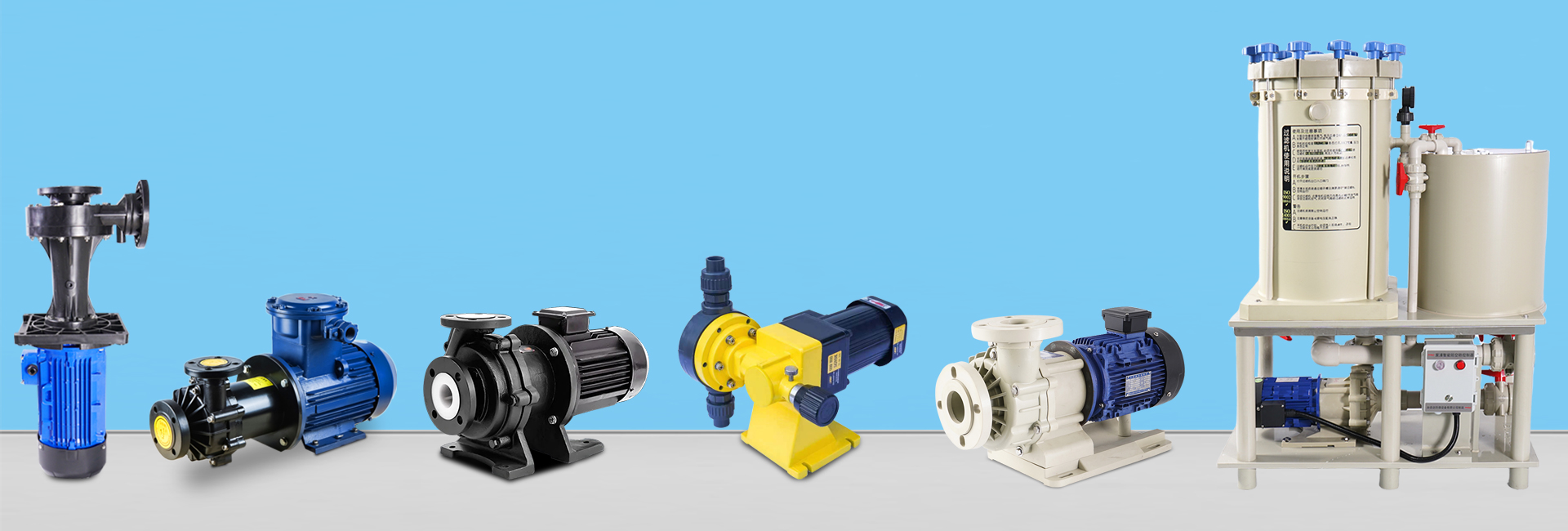
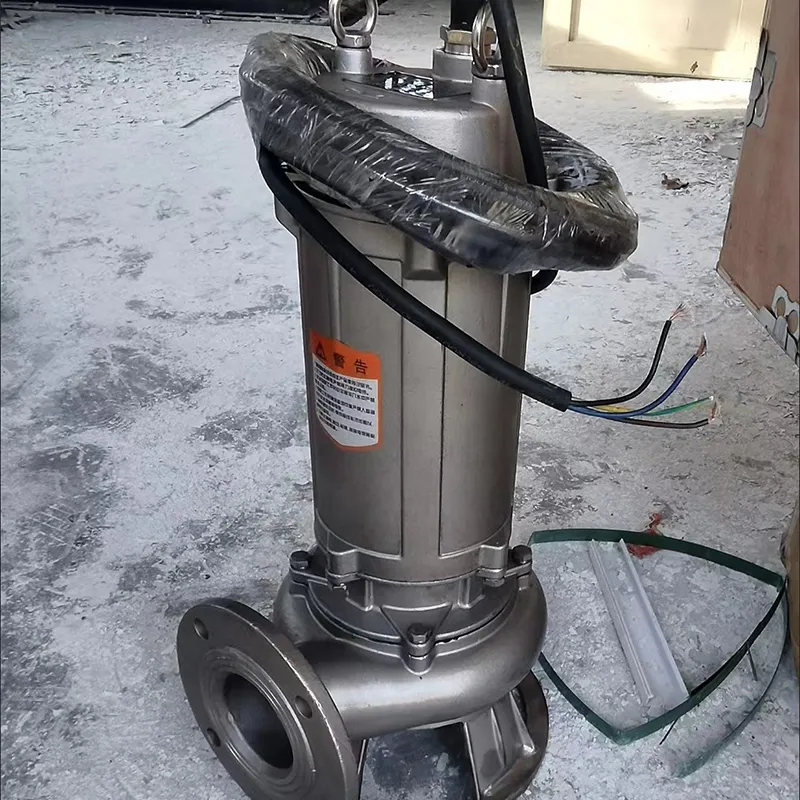
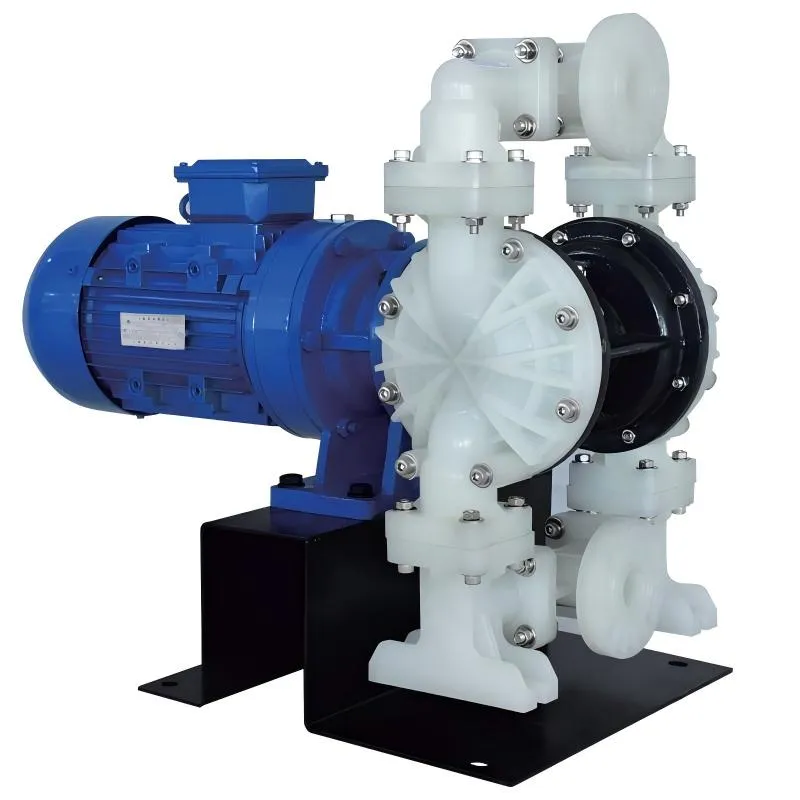

From space-saving designs to energy efficiency, vertical pumps have become a go-to choice for many industries. This article explores the key advantages of vertical pumps and provides a guide on how to select the most suitable pump for your needs.

1. Key Advantages of Vertical Pumps
-
Space Efficiency: Vertical pumps are designed to be installed with a vertical shaft, which significantly reduces their footprint. This makes them ideal for applications where horizontal space is limited, such as underground or high-rise installations.
-
Energy Efficiency: Vertical pumps often feature a more compact design, resulting in lower energy consumption compared to their horizontal counterparts. The optimized fluid dynamics and the reduced friction losses in vertical pumps can lead to improved performance and energy savings.
-
Versatility: Vertical pumps are suitable for handling a wide range of liquids, including clean water, wastewater, and highly viscous or corrosive fluids. Their design allows them to work efficiently across various industries, including chemical processing, mining, and water treatment.
-
Reduced Maintenance: Thanks to their simple and robust design, vertical pumps are easier to maintain and repair. They typically require less frequent maintenance than other types of pumps, which can save on operational costs and reduce downtime.
-
Long Lifespan: Vertical pumps are generally more durable than horizontal pumps, especially in harsh environments. They are built to withstand higher pressures, temperatures, and more aggressive fluids, which makes them ideal for continuous operation.
2. How to Select the Right Vertical Pump
When selecting a vertical pump, there are several key factors to consider to ensure that you choose the most suitable model for your application. Here are the key considerations:
| Selection Factor | Description |
|---|---|
| Flow Rate | Choose a pump with a flow rate that meets the needs of your system. Ensure the pump can deliver the required liquid volume within the specified time. |
| Head or Pressure | Head refers to the height the pump must lift the liquid. Make sure the pump can handle the necessary head to meet the system requirements. |
| Fluid Characteristics | Consider the type of fluid being pumped (clean water, wastewater, chemicals, etc.). The pump materials and design should be suitable for the fluid’s properties, such as viscosity, temperature, and corrosiveness. |
| Motor Power | Select a motor that is capable of providing sufficient power to meet the required flow and head. Make sure the motor’s power rating aligns with the demands of the pump system. |
| Installation Space | Ensure that the vertical pump will fit within the designated installation area, both in terms of height and space for maintenance. |
| Pump Material | Depending on the type of fluid being handled, the pump materials (such as stainless steel, cast iron, or plastic) should be resistant to corrosion, abrasion, or chemical degradation. |
3. Types of Vertical Pumps
There are several different types of vertical pumps, each suited to a particular application. Some common types include:
-
Vertical Sump Pumps: Typically used in wastewater treatment plants, sump pumps are ideal for pumping liquids containing solids or debris.
-
Vertical Turbine Pumps: These pumps are often used in large-scale industrial applications such as irrigation, water supply systems, and oil production.
-
Vertical Cantilever Pumps: These pumps are often used in applications where the pump needs to be submerged in a fluid, such as in chemical processing or mining operations.
4. Conclusion
Vertical pumps provide a range of benefits, including space savings, energy efficiency, and versatility. Understanding the advantages of vertical pumps and knowing how to select the right one can ensure that your system operates efficiently and reliably. By considering factors like flow rate, pressure, fluid type, and motor power, you can make an informed decision and choose the most suitable vertical pump for your needs. With the right pump in place, you’ll be able to maintain optimal performance and minimize maintenance costs in the long run.