
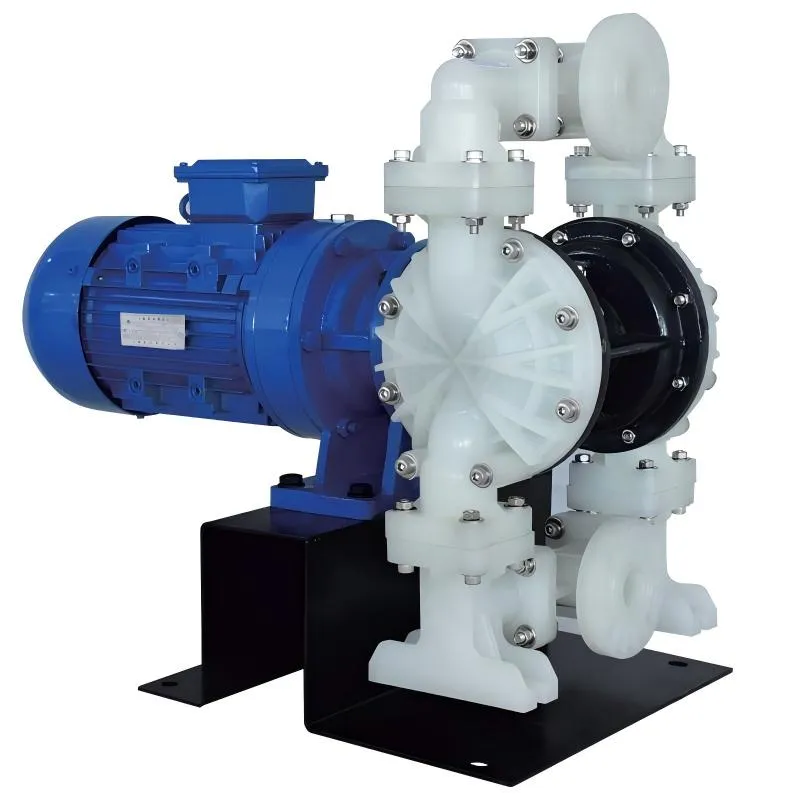


A nickel electroplating filter machine plays an important role in maintaining plating bath cleanliness, removing suspended particles, and supporting consistent coating quality. In nickel electroplating, inadequate filtration can allow particulate contamination to affect the surface finish, potentially causing roughness, pitting, and other plating defects.
Choosing the right nickel plating filter requires careful consideration of filtration precision, circulation flow rate, chemical resistance, operating temperature, and maintenance costs. The ideal filtration system should match the plating process while providing reliable performance and economical operation.
This guide explains how to select a suitable nickel electroplating filter machine for industrial plating applications.
1. What Is a Nickel Electroplating Filter Machine?
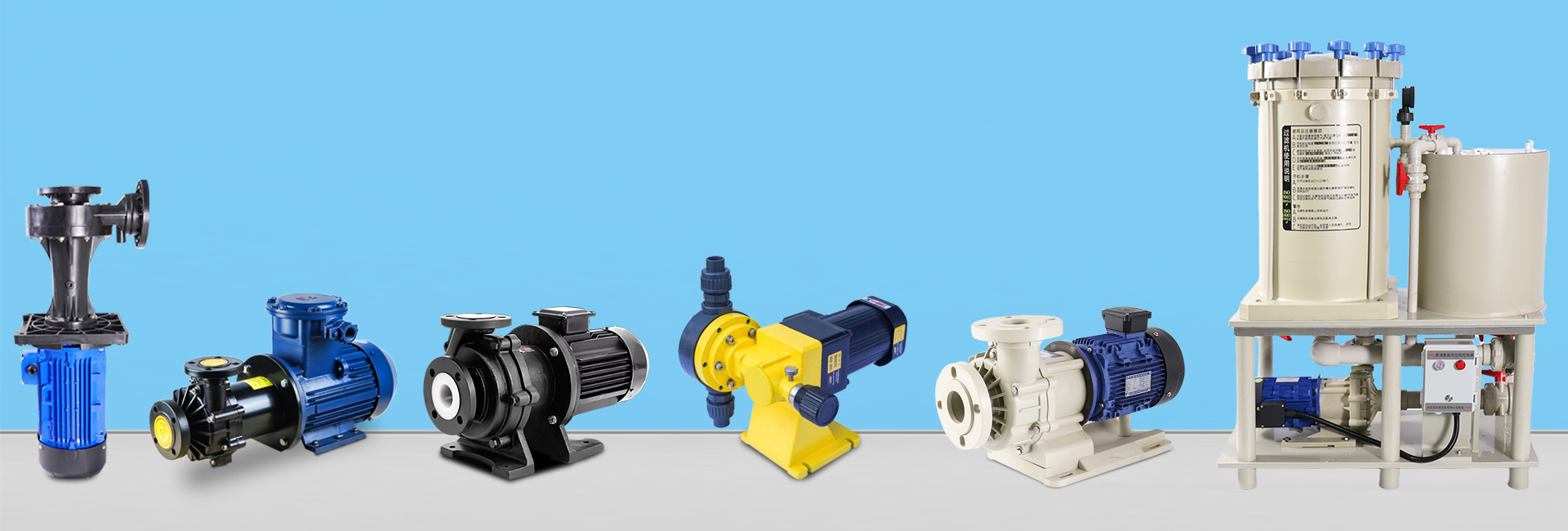
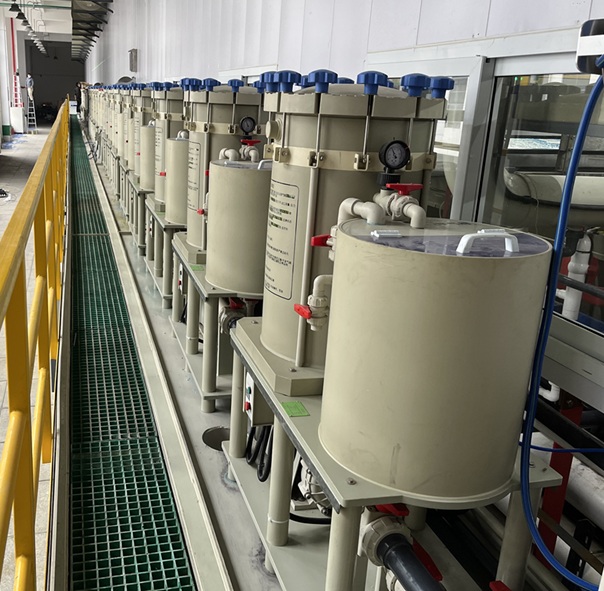
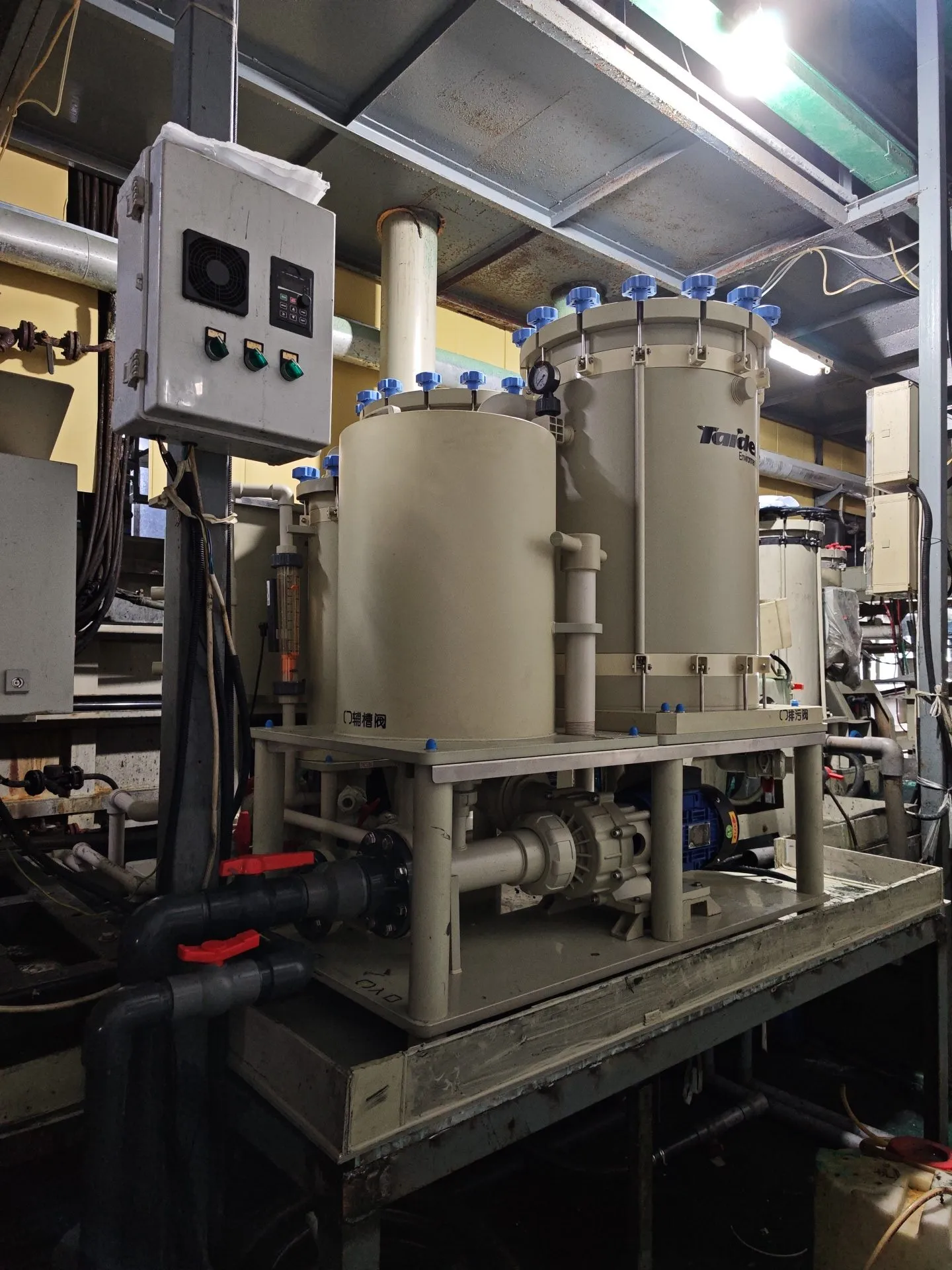
A nickel electroplating filter machine is a filtration system designed to remove suspended particles and other filterable contaminants from nickel plating solutions. A typical system consists of a chemical-resistant pump, filter housing, filter elements, connecting pipes, and sealing components.
During operation, the pump circulates plating solution through the filter housing. The filter elements capture particles according to their filtration rating, helping maintain bath cleanliness and reduce contamination-related coating defects.
A suitable nickel plating filtration system can be used in various industrial processes, including bright nickel plating, engineering nickel plating, and selected electroless nickel plating applications.
However, filtration requirements vary with bath chemistry, temperature, tank volume, and production specifications. Equipment selection should always be based on the actual process conditions.
2. Choose the Right Filter Material: PP or PVDF
Material selection is one of the most important factors when purchasing a nickel electroplating filter machine. The filter housing, pump, filter elements, seals, and other wetted components must be compatible with the plating solution.
PP and FRPP Nickel Plating Filter Machines
Polypropylene (PP) and reinforced polypropylene (FRPP) are widely used in chemical filtration equipment because of their chemical resistance and cost-effectiveness.
A PP or FRPP nickel plating filter may be suitable for many conventional plating baths operating within the equipment’s specified temperature range.
Key advantages include:
- Good resistance to many commonly used plating chemicals.
- Cost-effective equipment construction.
- Availability in a range of chemical pump and filter housing configurations.
- Suitability for many general-purpose electroplating filtration applications.
Before selecting a PP filter machine, verify the compatibility of the material with the actual bath composition, chemical concentration, and operating temperature.
PVDF Nickel Electroplating Filter Machines
PVDF is an engineering thermoplastic used in applications requiring resistance to certain aggressive chemicals or higher temperatures than standard polypropylene equipment can accommodate.
A PVDF chemical filter machine may be appropriate for demanding plating conditions, provided the complete filtration system is suitable for the application.
Important considerations include:
- Chemical compatibility with the nickel plating solution.
- Maximum allowable operating temperature.
- Pressure resistance of the filter housing.
- Compatibility of seals, filter elements, and pipe connections.
PVDF equipment generally has a higher initial cost than comparable PP equipment. It should be selected when the process requirements justify the additional investment.
For high-temperature electroless nickel plating, confirm the operating limits of every wetted component before purchasing the equipment.
3. How to Select the Filtration Micron Rating
Filtration precision determines the approximate particle size that a filter element is designed to retain under specified test conditions. It is commonly expressed in microns (μm).
The appropriate micron rating depends on the required bath cleanliness, contaminant characteristics, and filter media performance.
| Filter Rating | Selection Considerations |
|---|---|
| 10–25 μm | General particle removal and circulation filtration |
| 5–10 μm | Applications requiring improved control of suspended particles |
| 1–5 μm | Fine filtration for processes with stricter particle-control requirements |
These ranges are preliminary guidelines rather than universal standards for nickel plating.
For many conventional nickel plating applications, 5–10 μm filtration may be a reasonable starting point for evaluation. Applications requiring finer particle control may need a lower micron rating, subject to testing and process requirements.
When comparing filter elements, check whether the specified rating is nominal or absolute. Different filter media can have different particle retention characteristics even when their stated micron ratings are identical.
A finer filter is not always the best choice. Smaller pore sizes may increase pressure drop and shorten the service life of the filter element when the bath contains a high concentration of suspended particles.
It is also important to distinguish particle filtration from chemical purification. Dissolved metals and certain organic contaminants cannot necessarily be removed by ordinary mechanical filtration.
4. Calculate the Required Nickel Plating Filter Flow Rate
The circulation flow rate is another key factor in selecting a nickel electroplating filter machine. The system must provide sufficient flow to meet the bath’s filtration requirements without creating excessive energy consumption or operating costs.
A preliminary sizing formula is:
Required Flow Rate = Effective Plating Bath Volume × Target Circulation Rate
Where:
- Required flow rate is measured in liters per hour (L/h).
- Effective plating bath volume is measured in liters (L).
- Target circulation rate is measured in cycles per hour.
For example, if a nickel plating tank contains 2,000 liters of solution and the process specifies three circulation cycles per hour:
Required flow rate = 2,000 × 3 = 6,000 L/h
The calculated flow rate is 6 m³/h.
This is an illustrative calculation, not a universal circulation requirement. The correct circulation rate depends on the plating process, tank design, bath characteristics, and production specifications.
When choosing a chemical filter machine, also consider pipe resistance, filter element loading, required pump head, and flow reduction as the filter becomes dirty.
Always evaluate the pump’s performance curve to confirm that the selected equipment can deliver the required flow rate at the actual operating pressure.
5. Select a Suitable Chemical Circulation Pump
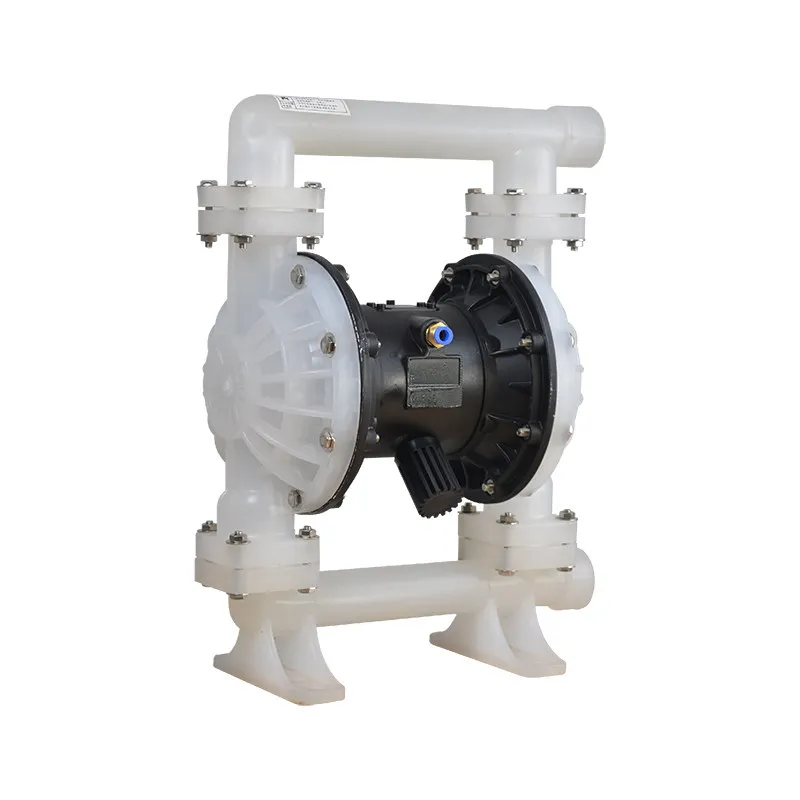
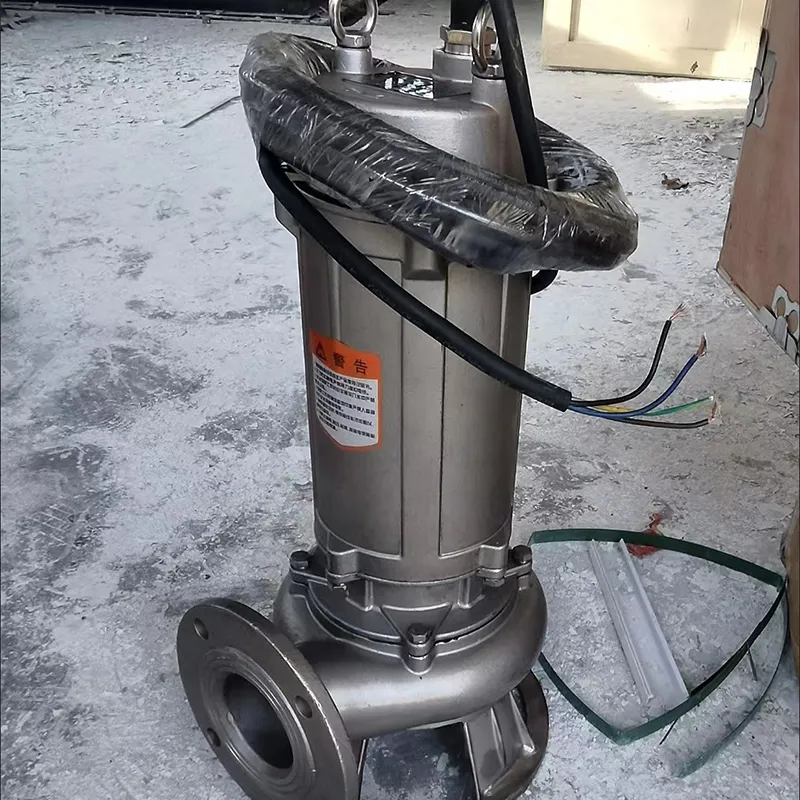
The pump must provide stable circulation while resisting the chemicals and temperatures encountered in the plating process.
A corrosion-resistant centrifugal pump is commonly considered for continuous liquid circulation. A magnetic drive chemical pump may also be suitable when minimizing shaft-seal leakage is a priority.
When selecting a pump for a nickel plating filtration system, evaluate the following factors:
- Required flow rate and discharge head.
- Chemical compatibility of the pump’s wetted materials.
- Maximum operating temperature.
- Continuous-duty performance.
- Leakage prevention and maintenance requirements.
The pump should be selected together with the filter housing and filter elements. A high-capacity pump alone does not guarantee effective filtration if the filter area is insufficient or the system pressure drop is excessive.
6. Consider Filter Housing Capacity and Maintenance
Filter housing capacity affects the amount of filter media that can be installed and the system’s ability to maintain stable flow during operation.
For industrial nickel plating, consider the following equipment features:
Adequate filtration area: Sufficient filter area can help reduce pressure drop and extend filter element service life under appropriate operating conditions.
Easy filter replacement: A practical housing design reduces maintenance time and makes routine filter changes easier.
Chemical-resistant seals: O-rings and gaskets must be compatible with the plating solution and its operating temperature.
Pressure and temperature limits: The filter machine must operate within the manufacturer’s specified limits.
Spare parts availability: Readily available filter elements and sealing components can reduce downtime and simplify long-term maintenance.
When comparing nickel plating filter machines, evaluate total operating costs rather than purchase price alone. Filter element consumption, electricity use, cleaning requirements, and maintenance labor can all affect the cost of ownership.
7. How to Improve Nickel Plating Bath Filtration
Effective filtration depends on both equipment selection and operating practices.
First, match the filter micron rating to the actual particle contamination and coating requirements. An unnecessarily fine filter may increase operating costs without delivering a meaningful improvement in coating quality.
Second, monitor the pressure difference across the filter housing where suitable pressure instrumentation is installed. A rising pressure difference can indicate filter loading and the need for inspection or replacement.
Third, inspect the pump, seals, pipe connections, and filter elements regularly to identify leaks, damage, or declining performance.
Finally, investigate the cause of plating defects before changing the filtration system. Roughness, pitting, and uneven deposits can result from several factors, including particulate contamination, bath chemistry, additives, pretreatment, and operating conditions.
If the bath contains excessive organic contamination, activated carbon treatment or another specialized purification method may be necessary. Such treatment should be selected carefully because it can also remove useful plating additives.
8. Nickel Electroplating Filter Machine Selection Checklist
Before requesting a quotation from a filtration equipment supplier, prepare the following information:
- Plating process: Bright nickel, sulfamate nickel, electroless nickel, or another process.
- Bath volume: Effective solution volume in the plating tank.
- Operating temperature: Normal operating temperature and maximum temperature.
- Bath chemistry: Relevant chemicals, concentrations, and additives.
- Required flow rate: Target circulation rate and required pump head.
- Filtration precision: Required filter micron rating and particle-control objectives.
- Material requirements: PP, FRPP, PVDF, or another verified compatible material.
- Installation conditions: Available space, pipe connections, and power supply.
- Maintenance expectations: Filter replacement frequency, spare parts, and service requirements.
Providing these details helps the supplier recommend a nickel plating filter machine that meets the actual process requirements.
Conclusion
Choosing the right nickel electroplating filter machine involves balancing filtration precision, circulation flow rate, chemical compatibility, operating temperature, and maintenance costs.
PP or FRPP filtration equipment is worth evaluating for many conventional nickel plating applications, while PVDF may be appropriate for selected more demanding chemical or temperature conditions. The final choice should be based on verified material compatibility and operating specifications.
By selecting the correct filter micron rating, sizing the circulation pump properly, and planning for routine maintenance, manufacturers can improve bath cleanliness and support consistent nickel plating quality.