

1. Introduction
The pharmaceutical industry demands high standards of cleanliness, safety, and reliability in fluid handling systems. Traditional centrifugal or mechanically sealed pumps often face problems such as leakage and contamination, especially when handling corrosive, volatile, or toxic media.
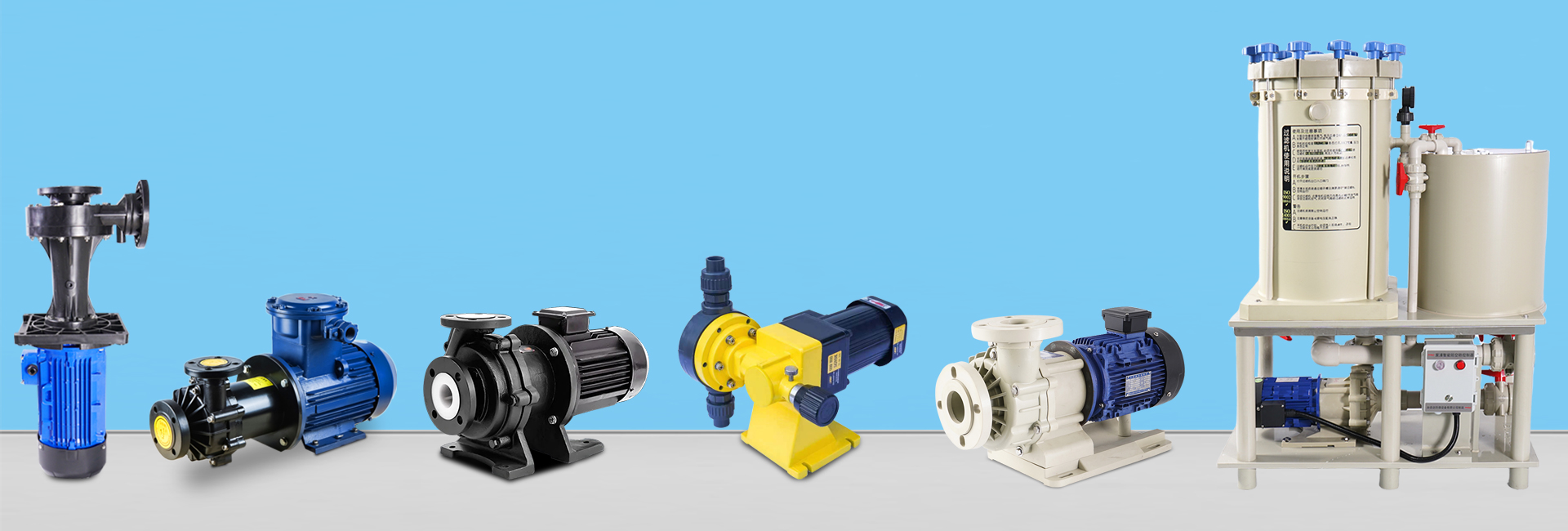
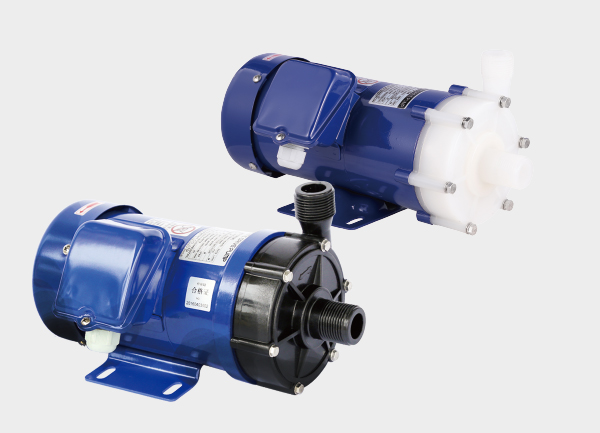
Magnetic drive pumps, known for their seal-less and leak-free design, have become the ideal choice for pharmaceutical liquid transfer. They are particularly suited for processes involving high-purity, corrosive, or hazardous fluids, ensuring safety and compliance with GMP and FDA standards.
2. Working Principle of Magnetic Drive Pumps
A magnetic drive pump transmits torque from the motor to the impeller through magnetic coupling, eliminating direct mechanical contact.
-
The motor drives an outer magnetic rotor, which generates a magnetic field.
-
This field synchronously drives the inner magnetic rotor connected to the impeller.
-
The isolation sleeve between them completely separates the pumped medium from the environment.
This design ensures zero leakage, high operational safety, and long-term stability — essential in pharmaceutical production environments.
3. Industry Requirements and Technical Challenges
| Requirement | Pharmaceutical Standard | Magnetic Pump Advantage |
|---|---|---|
| Clean and contamination-free | Prevent product contact with air and contaminants | Fully sealed, leak-free structure |
| Corrosion resistance | Handle acids, alkalis, and organic solvents | Optional fluoroplastic or stainless steel materials |
| Temperature adaptability | For extraction, concentration, and crystallization | High-temperature magnetic pumps (up to 350°C) |
| Explosion safety | Handle flammable solvents | Non-sparking, fully enclosed design |
| Ease of cleaning | Must meet GMP requirements | Compact, simple disassembly and maintenance |
4. Typical Applications in Pharmaceutical Production
1. API (Active Pharmaceutical Ingredient) Synthesis
Magnetic pumps are widely used to transfer strong acids, alkalis, and organic solvents such as methanol, ethanol, acetone, and DMF.
-
Fluoroplastic magnetic pumps (PTFE, FEP) resist aggressive chemical corrosion.
-
The leak-free design ensures that toxic gases and vapors are completely contained, improving plant safety.
2. Extraction and Concentration Systems
During herbal extraction or solvent concentration, magnetic pumps maintain stable operation under vacuum and high temperature.
Their frictionless design prevents particle contamination, ensuring product purity.
3. Cooling and Circulation Systems
Stainless steel magnetic pumps are commonly used for transferring pure water, cooling liquids, or organic solvents.
They operate continuously with minimal maintenance, ideal for long-term pharmaceutical processes.
4. Waste Liquid and Solvent Recovery
Magnetic pumps can safely transfer acidic, alkaline, or solvent-based waste fluids, helping to build closed-loop, eco-friendly recovery systems.
This contributes to environmental protection and regulatory compliance.
5. Material Selection and Model Recommendations
| Working Condition | Recommended Pump Type | Material | Temperature Range |
|---|---|---|---|
| Corrosive chemicals | Fluoroplastic magnetic pump | PTFE / FEP / PFA | ≤120°C |
| High-temperature solvents | High-temperature magnetic pump | 316L / 904L stainless steel | ≤350°C |
| High-purity fluids | Sanitary magnetic pump | Polished 316L stainless steel | ≤150°C |
| Flammable media | Explosion-proof magnetic pump | 316L + EX motor | ≤180°C |
6. Case Study: Solvent Recovery in a Pharmaceutical Plant
Background: The plant used traditional mechanical seal pumps for methanol and ethanol transfer, leading to frequent leakage and odor emissions.
Solution: Replaced with stainless steel magnetic drive pumps.
Results:
-
Leakage rate reduced to zero
-
Motor temperature dropped by 10%
-
Maintenance interval extended from 3 months to 12 months
-
Improved overall production safety and compliance
7. Conclusion
Magnetic drive pumps provide unparalleled safety, cleanliness, and reliability, making them an essential part of pharmaceutical manufacturing processes such as:
-
API synthesis
-
Solvent recovery
-
Extraction and concentration
-
Cooling circulation
-
Waste liquid treatment
With their seal-less design, superior corrosion resistance, and compliance with GMP standards, magnetic drive pumps not only enhance process safety but also reduce maintenance costs and prevent contamination.
As the pharmaceutical industry moves toward automation, digitalization, and green manufacturing, magnetic drive pumps will continue to play a key role in safe and sustainable fluid transfer systems.