

1. The Role of Bearings in Magnetic Drive Pumps
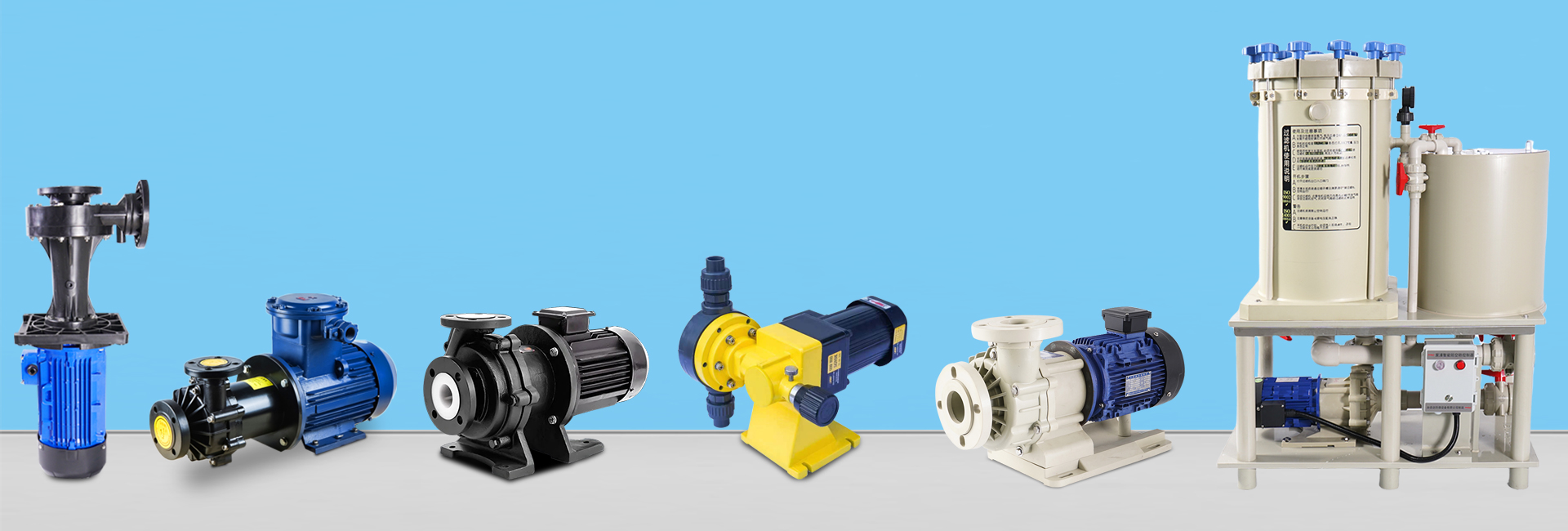
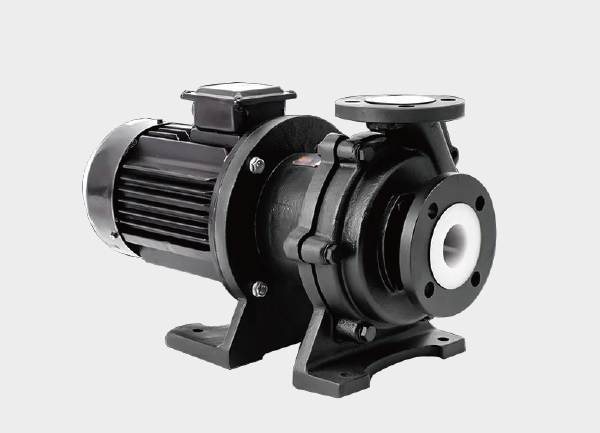
Magnetic drive pumps, also known as mag drive pumps, use a sealless magnetic coupling to transfer torque from the motor to the impeller. Since there is no direct connection between the motor shaft and the impeller, bearings play a critical role in supporting the inner magnet and maintaining smooth rotation.
In demanding environments such as high temperature, corrosive chemicals, or high-speed operation, bearings must provide excellent wear resistance, corrosion resistance, and self-lubrication to ensure stable and reliable pump performance.
2. Common Bearing Materials and Their Characteristics
| Bearing Material | Key Features | Suitable Medium | Advantages | Limitations |
|---|---|---|---|---|
| Carbon Graphite | Excellent self-lubrication, can withstand short-term dry running | Mild acids and alkalis with low solid content | Low friction, corrosion resistant | Low mechanical strength, not suitable for heavy loads |
| Silicon Nitride (Si₃N₄) Ceramic | High hardness, excellent thermal stability | High-temperature or high-purity liquids | Extremely wear-resistant, non-conductive, non-magnetic | Brittle, costly, poor impact resistance |
| Alumina (Al₂O₃) Ceramic | Common structural ceramic | Neutral or mildly corrosive media | Good wear resistance, cost-effective | Lower toughness, may fracture under impact |
| PTFE + Carbon Fiber Composite | Strong corrosion resistance and self-lubricating properties | Strong acids and alkalis | Lightweight, chemical resistant, maintenance-free | Lower wear resistance and thermal stability |
| Silicon Carbide (SiC) | Very high hardness and thermal conductivity | Most chemical liquids | Outstanding wear and corrosion resistance | Difficult to process, relatively expensive |
| Stainless Steel (304/316L) | High mechanical strength and toughness | Clean, non-corrosive liquids | Economical, easy to machine | Not suitable for strong acids or alkalis, risk of galling |
3. Application Recommendations by Working Condition
-
Corrosive Chemical Liquids
→ Use Silicon Carbide (SiC) or Silicon Nitride (Si₃N₄) bearings for superior chemical resistance and durability. -
High-Temperature or High-Purity Media
→ Si₃N₄ ceramic bearings are ideal for clean and high-temperature applications. -
Lubricating or Non-Corrosive Liquids (e.g., oils)
→ Carbon Graphite or Stainless Steel bearings offer cost-effective performance. -
Intermittent or Self-Priming Operation
→ Carbon Graphite or PTFE composite bearings can handle short periods of dry running without failure.
4. Key Factors Affecting Bearing Life
-
Lubrication and Cooling
-
Ensure continuous flushing and cooling of the bearing area.
-
Air pockets or insufficient cooling can lead to dry friction and overheating.
-
-
Liquid Cleanliness
-
Solids or crystallized particles accelerate wear.
-
Use filters or sediment traps to protect internal components.
-
-
Installation Accuracy
-
Poor alignment or shaft runout causes uneven loading and premature wear.
-
Maintain a concentricity tolerance of ≤0.03 mm between rotor and bearing.
-
-
Operating Temperature and Speed
-
Excessive temperature reduces lubrication efficiency and material strength.
-
Keep bearing surface temperature below 80°C and rotation speed below 90% of the rated limit.
-
5. Typical Bearing Lifespan (Reference Values)
| Bearing Material | Expected Service Life (Hours) | Notes |
|---|---|---|
| Carbon Graphite | 5,000 – 8,000 | Sensitive to cooling and flushing conditions |
| Silicon Carbide (SiC) | 10,000 – 20,000 | Common in industrial chemical pumps |
| Silicon Nitride (Si₃N₄) | 15,000 – 25,000 | Best for high-temperature and high-purity applications |
| PTFE Composite | 3,000 – 6,000 | Suitable for small or low-load pumps |
| Stainless Steel | 5,000 – 10,000 | Only for clean, non-corrosive liquids |
6. Maintenance Tips to Extend Bearing Life
-
Maintain continuous and clean flushing of the bearing chamber.
-
Keep solid content in the liquid below 0.1%.
-
Regularly inspect magnetic coupling alignment.
-
Always fill the pump casing with liquid before startup — never run dry.
-
In corrosive or high-temperature systems, replace the bearing and containment shell periodically.
7. Conclusion
Bearings are among the most critical and wear-prone components of a magnetic drive pump. By selecting the right material—such as Silicon Carbide or Silicon Nitride ceramics—and following proper maintenance procedures, users can greatly extend pump service life and reliability.
A well-designed and well-maintained bearing system ensures leak-free operation, reduced downtime, and long-term cost efficiency — the essential goals of any high-performance magnetic drive pump system.