
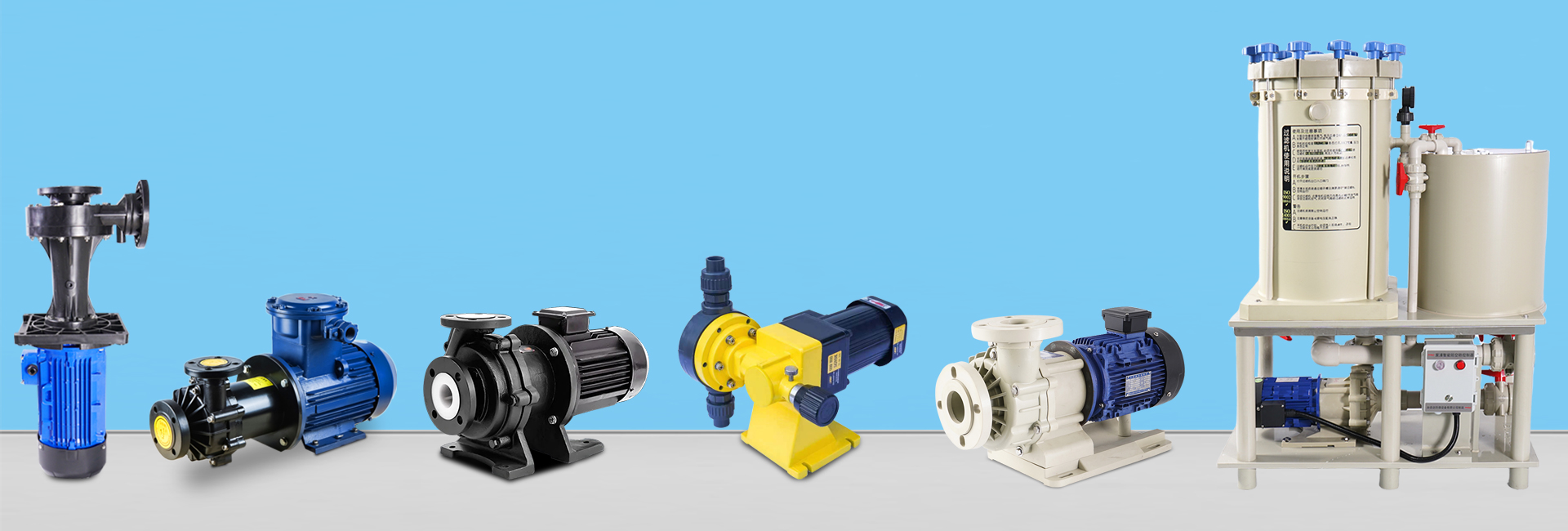
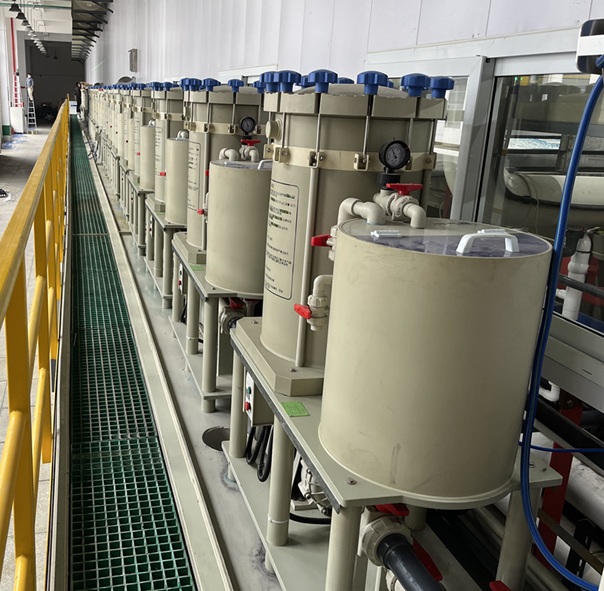
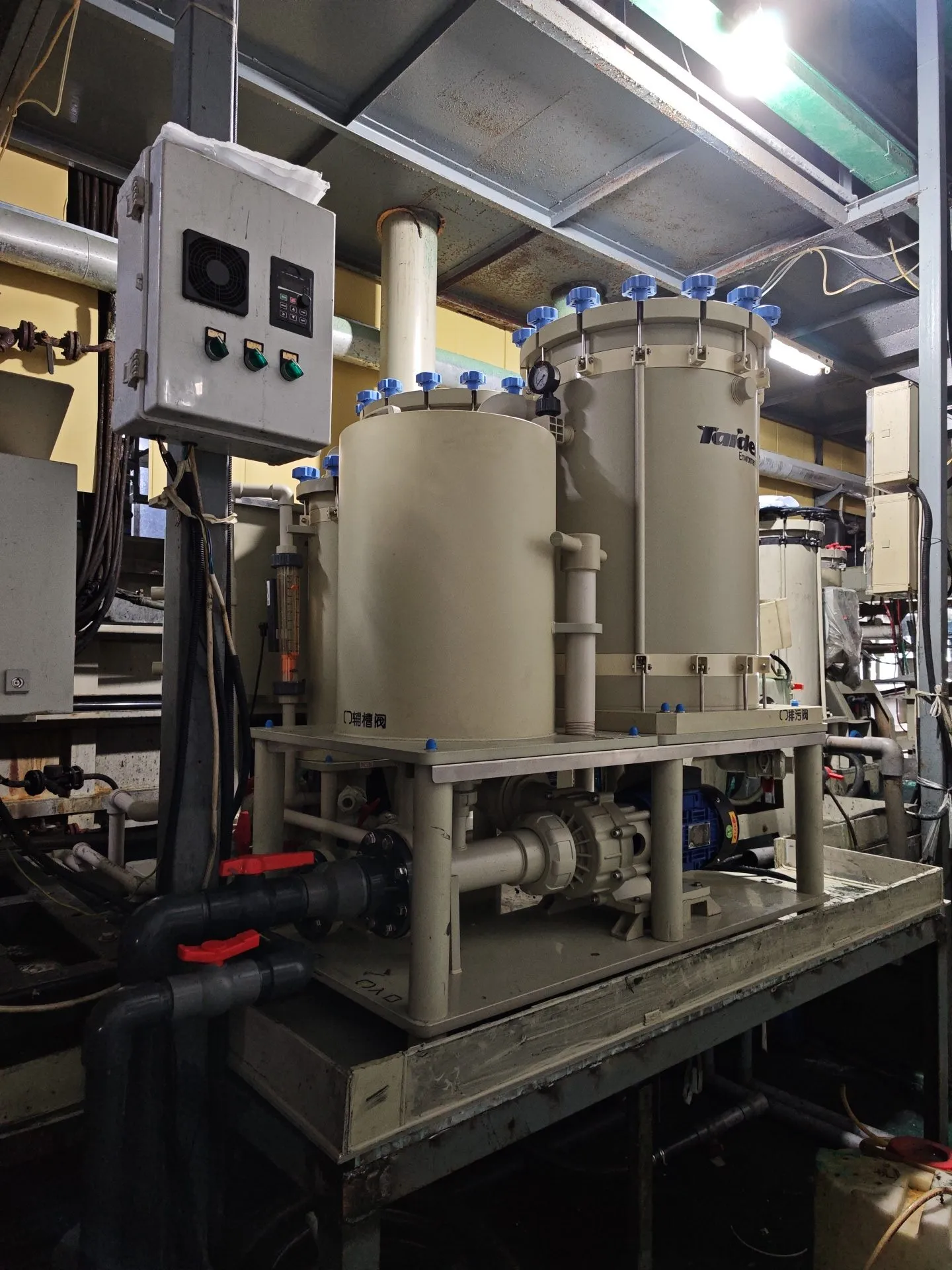
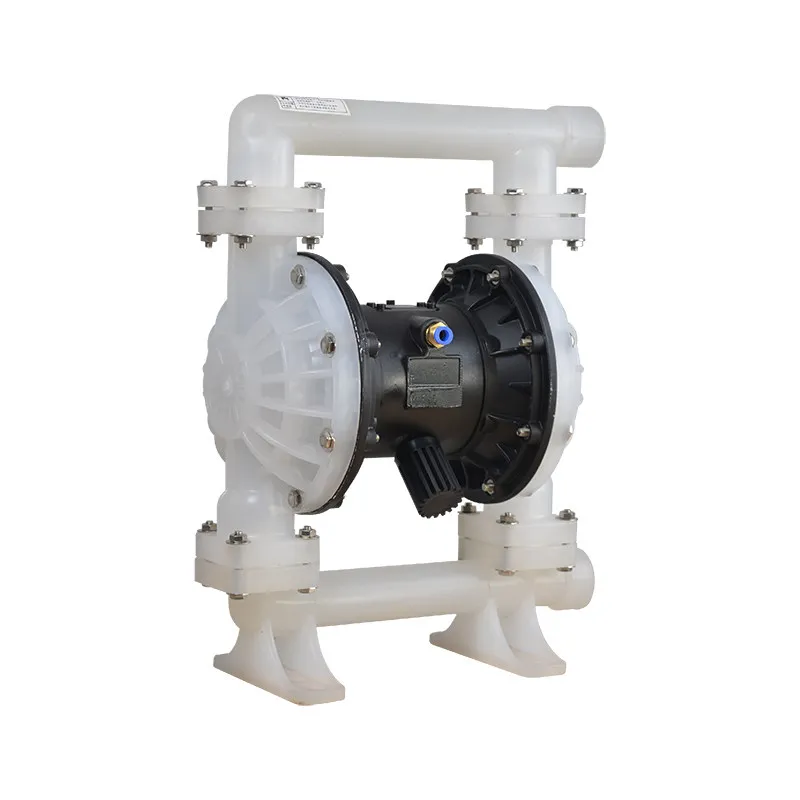
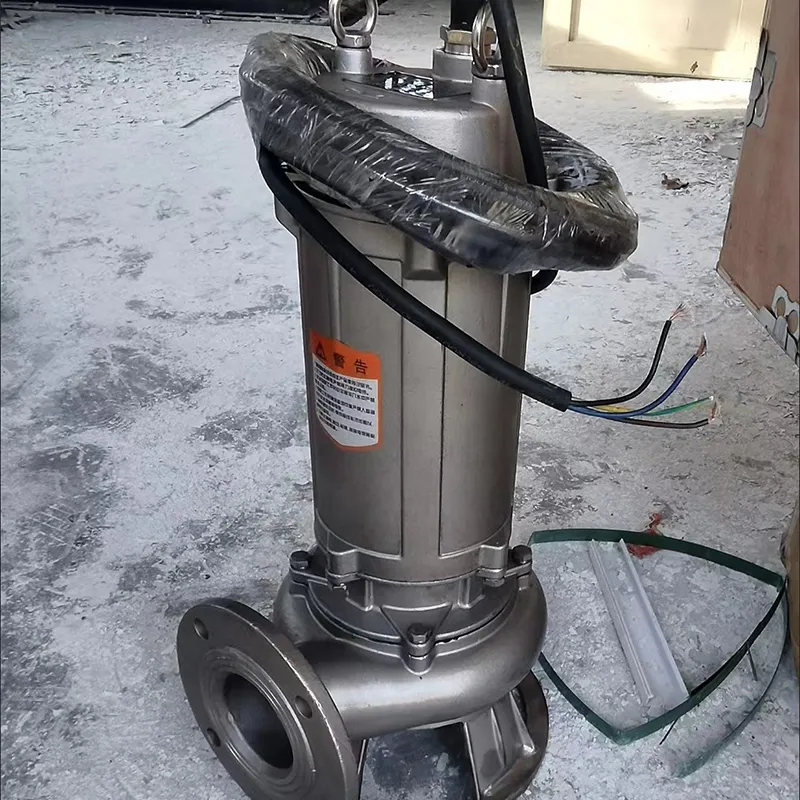
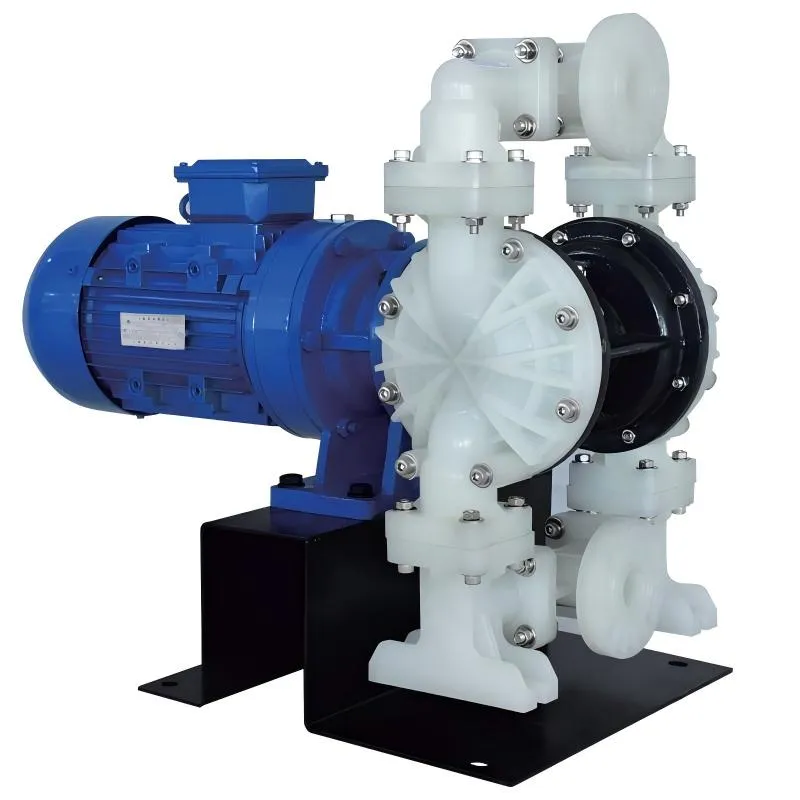

Chemical pumps are essential devices in modern industries, responsible for safely transferring aggressive, toxic, or corrosive liquids. From acids and alkalis to solvents and wastewater, these pumps play a vital role in maintaining continuous and safe production processes.

What Is a Chemical Pump?
A chemical pump is specifically designed to handle fluids that can cause corrosion or contamination in standard pumps. They are built using special materials like PTFE, PVDF, stainless steel, or cast iron to resist chemical damage and ensure durability.
| Feature | Function |
|---|---|
| Corrosion Resistance | Ensures long service life with acidic or alkaline fluids |
| Leak-Free Design | Prevents hazardous chemical leakage |
| Energy Efficiency | Reduces power consumption during long operations |
| High Precision | Maintains accurate flow rates and pressure stability |
Applications
Chemical pumps are widely used in:
-
Chemical processing plants
-
Pharmaceutical manufacturing
-
Water treatment facilities
-
Food and beverage industries
Why They Matter
A properly selected chemical pump not only protects workers and the environment but also reduces downtime and maintenance costs. As industries pursue sustainability, energy-saving and seal-less magnetic drive chemical pumps are becoming increasingly popular.