



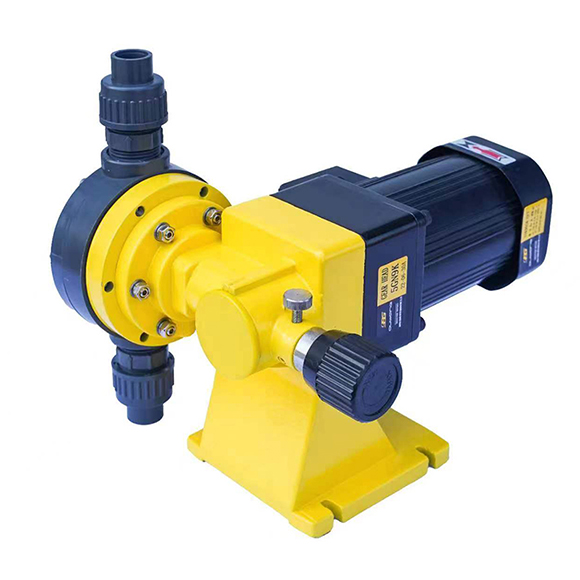
When a dosing pump motor fails to start, it can disrupt the entire chemical dosing process, leading to inaccurate chemical injection or system downtime. Understanding the possible reasons behind a dosing pump motor not working helps ensure timely maintenance and reliable operation. This article explores the most common electrical, mechanical, and control-related causes and offers effective troubleshooting methods.
? 1. Electrical Causes
1.1 Power Supply Failure or Voltage Issues
Possible Causes:
-
Power switch not turned on
-
Blown fuse or tripped circuit breaker
-
Loose wiring or open circuit
-
Low voltage or phase loss
Troubleshooting:
-
Use a multimeter to check the voltage at the power input.
-
Inspect for blown fuses, loose terminals, or missing phases.
-
Verify that contactors and circuit breakers are working correctly.
1.2 Motor Burnout or Short Circuit
Possible Causes:
-
Continuous overload operation
-
Moisture or chemical ingress leading to insulation failure
Troubleshooting:
-
Measure the insulation resistance (should be above 0.5 MΩ).
-
Check for unusual smell, heat, or smoke from the motor.
-
If necessary, disassemble the motor and inspect the windings.
1.3 Control Circuit Fault
Possible Causes:
-
Loose control wiring
-
Faulty start/stop button or relay failure
Troubleshooting:
-
Tighten all control wiring connections.
-
Test the start/stop switch and relay operation.
-
Replace defective components if needed.
1.4 Overload or Thermal Protection Activated
Possible Causes:
-
Excessive current draw due to mechanical blockage
-
Overload relay tripped
Troubleshooting:
-
Check and reset the thermal overload relay.
-
Verify that the pump is not jammed before restarting.
⚙️ 2. Mechanical Causes
2.1 Pump Head or Drive Assembly Jammed
Possible Causes:
-
Chemical crystallization inside the dosing head
-
Foreign particles blocking valves or diaphragms
-
Plunger stuck due to lack of lubrication
Troubleshooting:
-
Disconnect power and manually rotate the motor fan to test for free movement.
-
If stiff or stuck, remove the pump head and clean all components thoroughly.
2.2 Coupling Misalignment or Damage
Possible Causes:
-
Loose or misaligned coupling between the motor and pump head
Troubleshooting:
-
Inspect the coupling for loosened bolts or wear.
-
Align the motor and pump shafts correctly.
2.3 Bearing Failure or Poor Lubrication
Possible Causes:
-
Lack of lubrication or contaminated grease
-
Bearing wear due to extended operation
Troubleshooting:
-
Check for unusual noise or vibration.
-
Replace damaged bearings and add fresh lubricant.
? 3. Control and System Causes
3.1 Frequency Converter or Controller Failure
Possible Causes:
-
Inverter alarm or protection mode triggered
-
Internal circuit fault
Troubleshooting:
-
Check the inverter display for alarm codes.
-
Refer to the user manual to reset or replace faulty parts.
3.2 PLC or Automation Signal Failure
Possible Causes:
-
No start signal in automatic mode
-
PLC output or relay malfunction
Troubleshooting:
-
Switch to manual mode and test if the pump runs.
-
Check PLC output terminals and relay conditions.
✅ 4. Summary: Quick Diagnosis Guide
| Symptom | Possible Cause | Recommended Action |
|---|---|---|
| No response after power on | Power not connected, fuse blown | Check power supply and fuses |
| Motor hums but doesn’t rotate | Mechanical jam or phase loss | Inspect pump head and electrical phases |
| Motor trips immediately | Motor short circuit or overload | Check insulation and current draw |
| Works in manual but not auto mode | Control signal error | Check PLC or control circuit |
| Stops after long operation | Thermal protection activated | Cool motor and improve ventilation |
? Maintenance Tips to Prevent Motor Failure
-
Regularly clean and inspect the pump head and valves to prevent chemical buildup.
-
Ensure proper ventilation and avoid continuous overload operation.
-
Test the insulation resistance of the motor quarterly.
-
Keep all control wiring dry and properly tightened.
-
Schedule preventive maintenance based on dosing frequency and chemical type.