
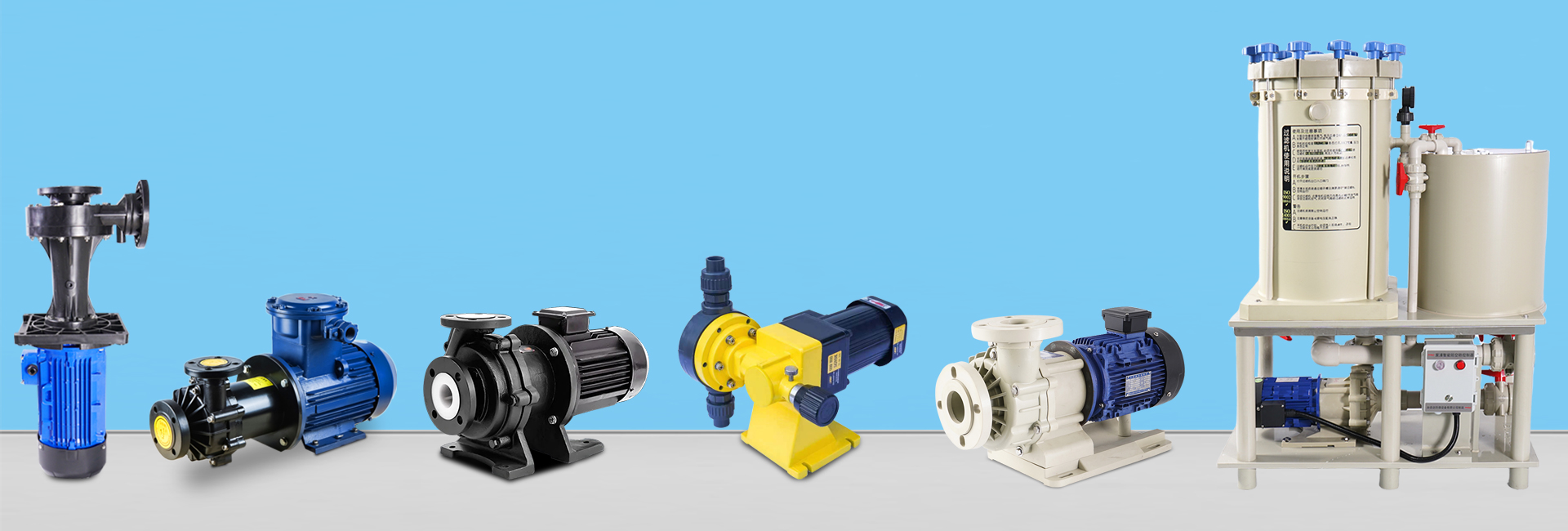


Application Overview
diaphragm pumps are widely used in chemical manufacturing due to their excellent chemical compatibility, reliable sealing performance, and ability to handle corrosive, toxic, and high-viscosity fluids. By using a flexible diaphragm to move liquids, these pumps isolate the fluid from mechanical components, ensuring leak-free operation and enhanced safety in demanding chemical environments.
They are commonly applied in processes requiring stable transfer, metering, or circulation of chemicals, making them an important piece of equipment in modern chemical plants.
Typical Applications
Corrosive Chemical Transfer
Suitable for transferring acids, alkalis, solvents, and other aggressive chemicals without leakage.
Chemical Dosing and Feeding
Used for controlled feeding of chemicals into reactors, mixers, or pipelines.
Slurry and Viscous Fluid Handling
Capable of pumping liquids with suspended solids, high viscosity, or crystallization tendencies.
Chemical Circulation and Mixing
Provides stable circulation in chemical processing systems and mixing loops.
Waste Chemical and Effluent Handling
Safely transfers chemical wastewater and by-products to treatment or disposal systems.
Why choose diaphragm pumps for the chemical manufacturing industry?
Excellent Sealing and Leak-Free Operation
Diaphragm design prevents direct contact between chemicals and moving parts, improving safety.
Strong Chemical Resistance
Wetted parts can be made from PTFE, PVDF, or other corrosion-resistant materials.
Stable and Smooth Flow
Provides consistent flow suitable for continuous chemical processes.
Low Maintenance Requirements
Simple structure with fewer wearing parts reduces downtime and maintenance costs.
Energy-Efficient and Easy to Control
Electric drive allows precise control of flow rate and easy integration with automation systems.