
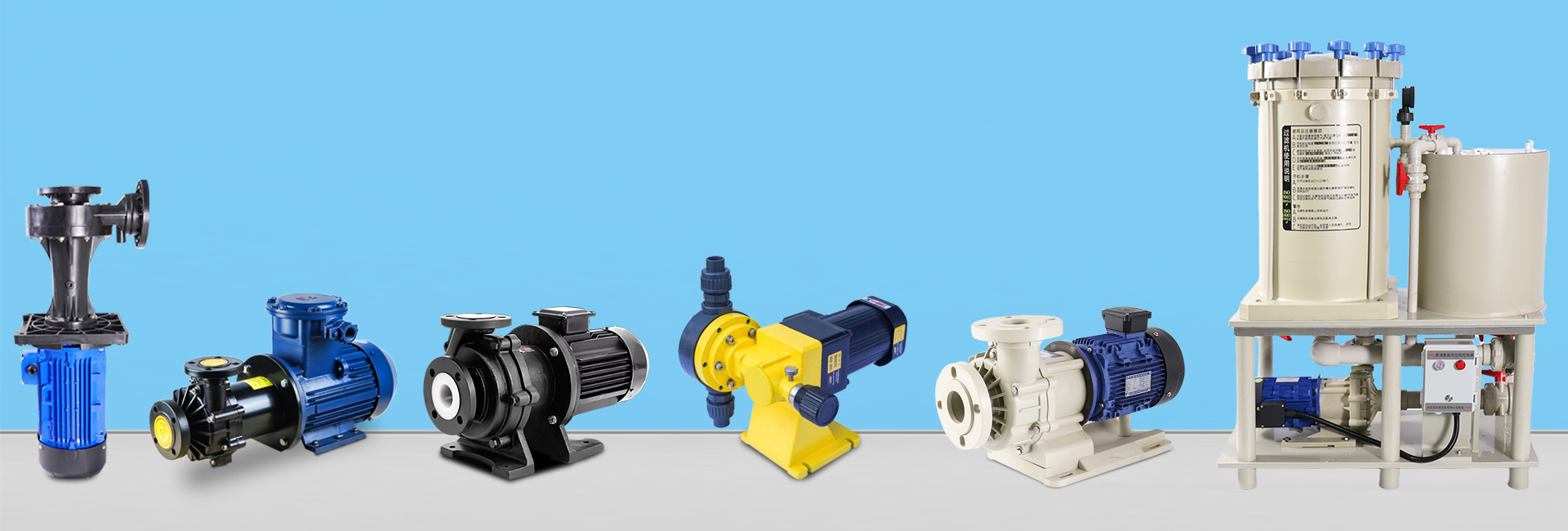
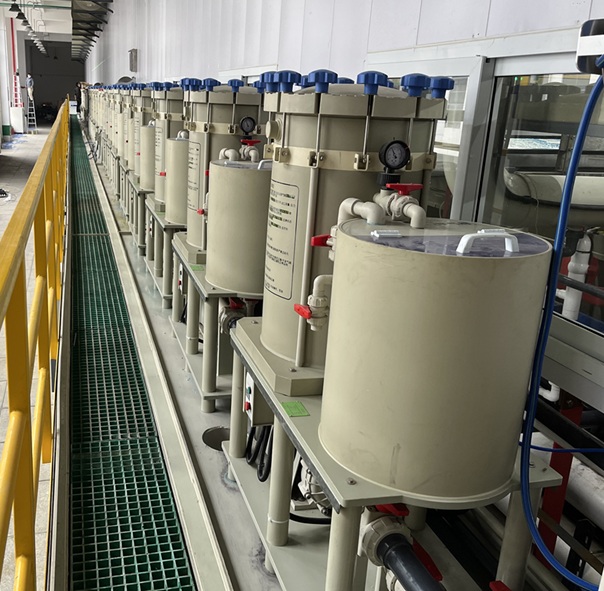
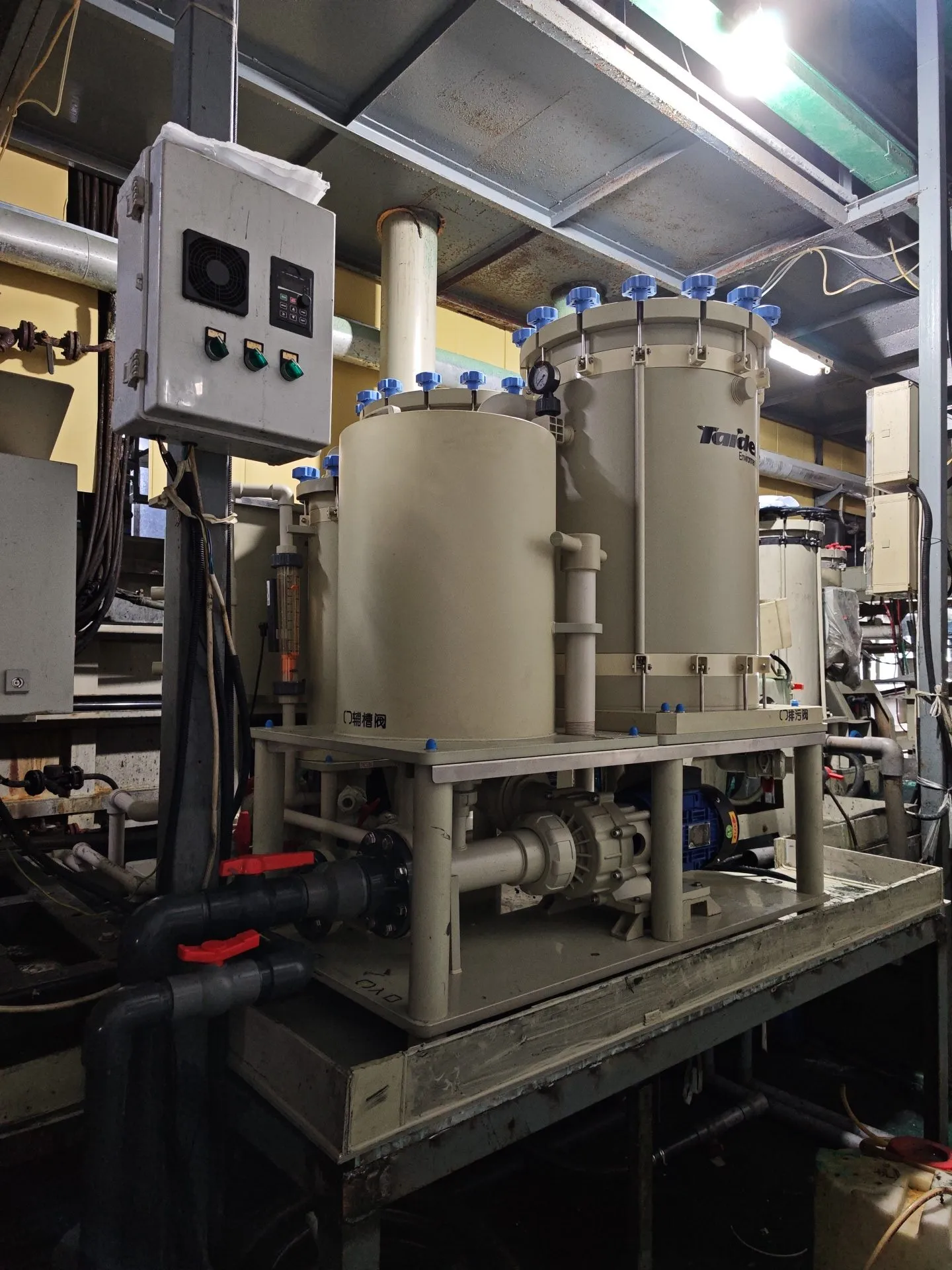
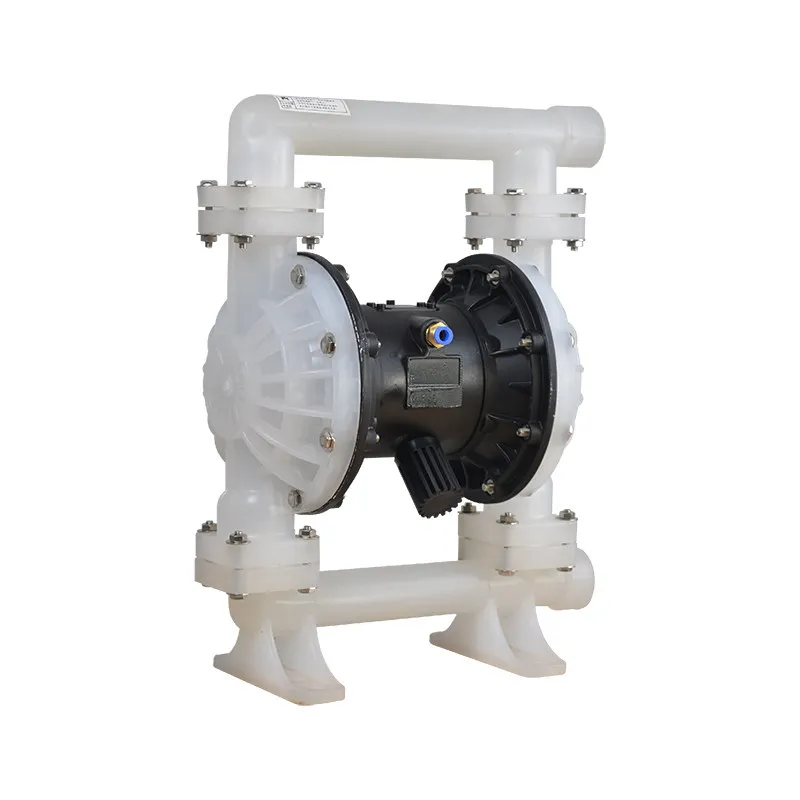
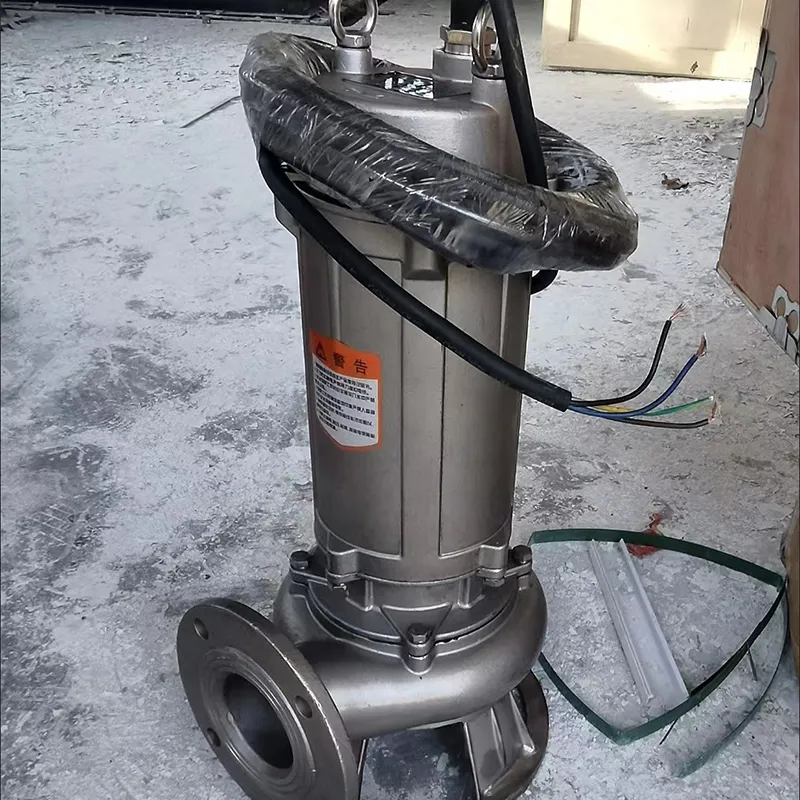
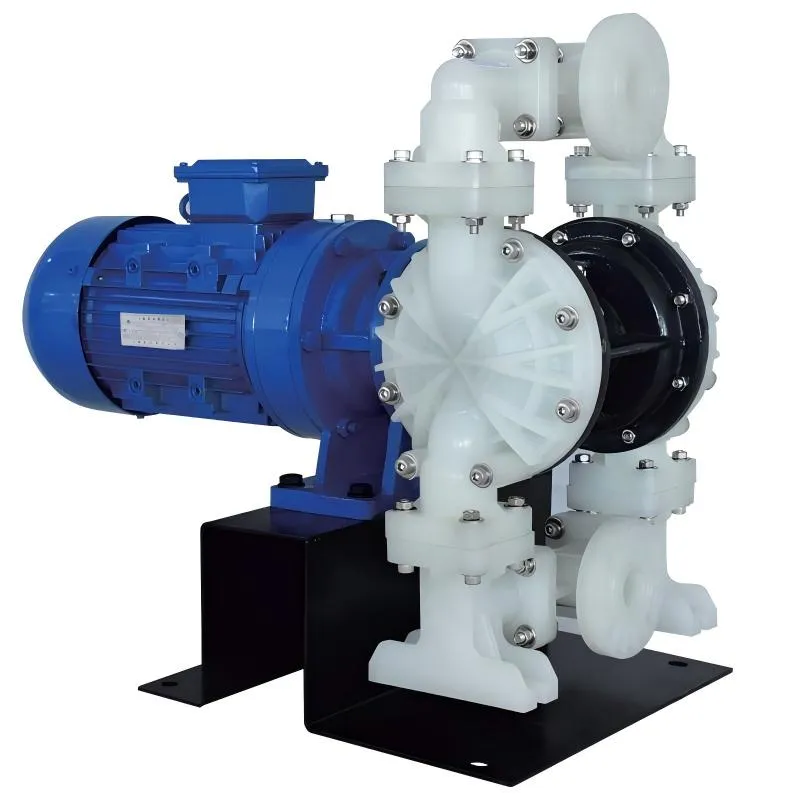

Acid-alkali resistant pumps are essential industrial equipment designed to handle corrosive liquids such as strong acids, strong alkalis, solvents, and chemical wastewater. They are widely used in chemical plants, electroplating, semiconductors, pharmaceuticals, and wastewater treatment. As environmental regulations strengthen and chemical processes become more automated, the demand for acid-alkali resistant pumps continues to rise.

Why Are Acid-Alkali Resistant Pumps Critical?
The main reason lies in corrosion-resistant materials. Common materials include PP, PVDF, PTFE, and stainless steel 316L, each offering different levels of chemical resistance, temperature tolerance, and mechanical strength.
Material Performance Comparison
| Material | Temp Range | Acid Resistance | Alkali Resistance | Common Use |
|---|---|---|---|---|
| PP | 0–75°C | Good | Good | Electroplating, wastewater |
| PVDF | 0–120°C | Excellent | Excellent | High-temperature chemicals |
| PTFE | -20–150°C | Superior | Superior | Strong corrosion, high-purity |
| 316L SS | 0–100°C | Good | Good | Food, pharma |
Structural Advantages of Acid-Alkali Resistant Pumps
Modern acid-alkali resistant pumps use full-plastic construction or fluoroplastic linings to prevent chemical erosion. Magnetic-drive designs further eliminate leakage risks by removing the mechanical seal.
Key structural benefits include:
-
Pump body and impeller made from highly corrosion-resistant materials.
-
Magnetic drive for zero leakage and reduced maintenance.
-
High-durability rotating components that handle light particle fluids.
-
Applicable to low, medium, and high-temperature corrosive liquids.
Application Value
These pumps significantly enhance plant safety, reduce chemical leakage risks, and extend equipment lifespan. With industrial upgrades and green manufacturing becoming the mainstream, acid-alkali resistant pumps have gradually replaced traditional metal pumps and become the standard equipment for modern factories.