

Introduction
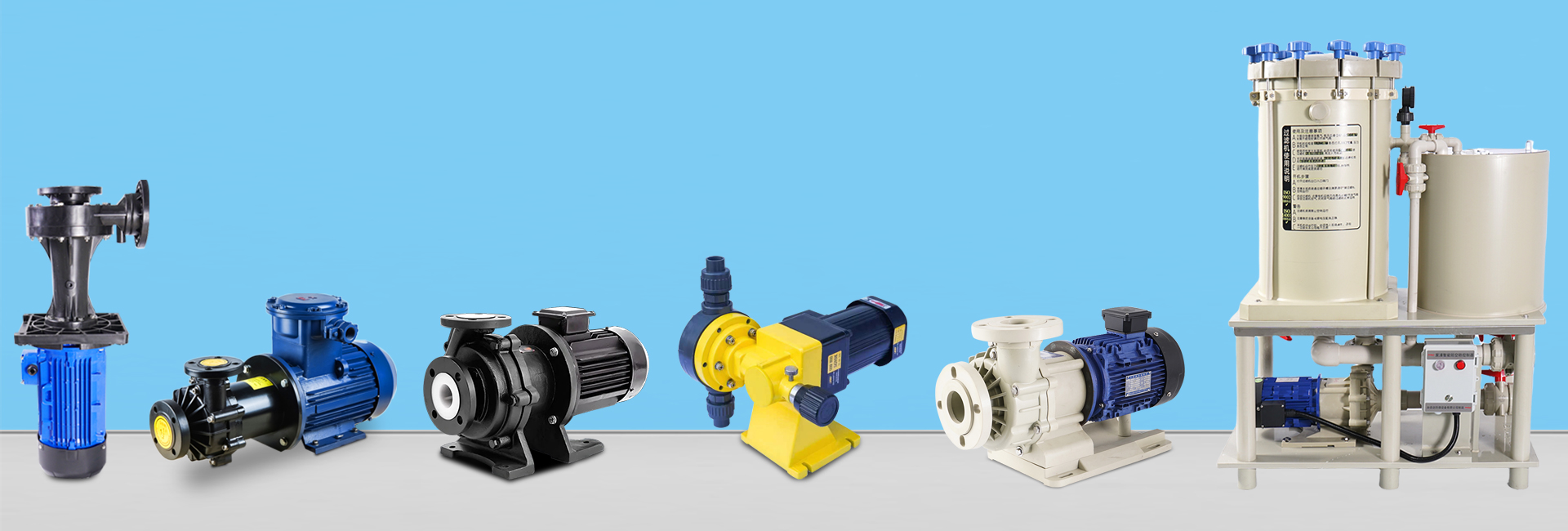
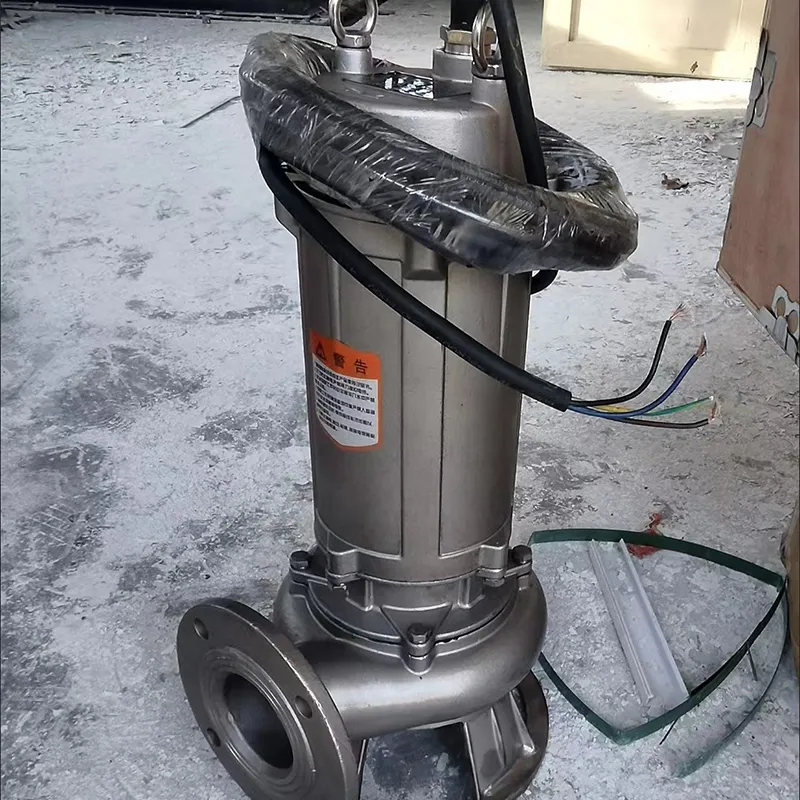
As global industries shift toward sustainability, energy-saving centrifugal pumps have become a key factor in modern plant efficiency. These pumps combine intelligent design with easy maintenance to minimize operational costs.

Energy-Saving Mechanisms
| Technology | Description | Energy Reduction |
|---|---|---|
| Variable Frequency Drive (VFD) | Adjusts motor speed based on flow demand | 20–40% |
| Hydraulic Optimization | Minimizes internal flow resistance | 10–15% |
| Precision Balancing | Reduces vibration and power loss | 5–8% |
Maintenance Efficiency
Modern pumps adopt a modular design, allowing rapid disassembly for inspection or seal replacement. Maintenance can often be completed within 30 minutes, significantly reducing production downtime.
⚙️ Tip: A preventive maintenance chart showing inspection frequency (weekly/monthly/yearly) can be added for visual clarity.
Environmental Impact
By optimizing power consumption, a single centrifugal pump can save up to 3,000–5,000 kWh annually, reducing CO₂ emissions by approximately 2 tons per year.
Conclusion
Energy-efficient centrifugal pumps represent the future of industrial fluid systems — combining performance, reliability, and sustainability. Choosing the right model ensures both economic and environmental benefits.