

Overview
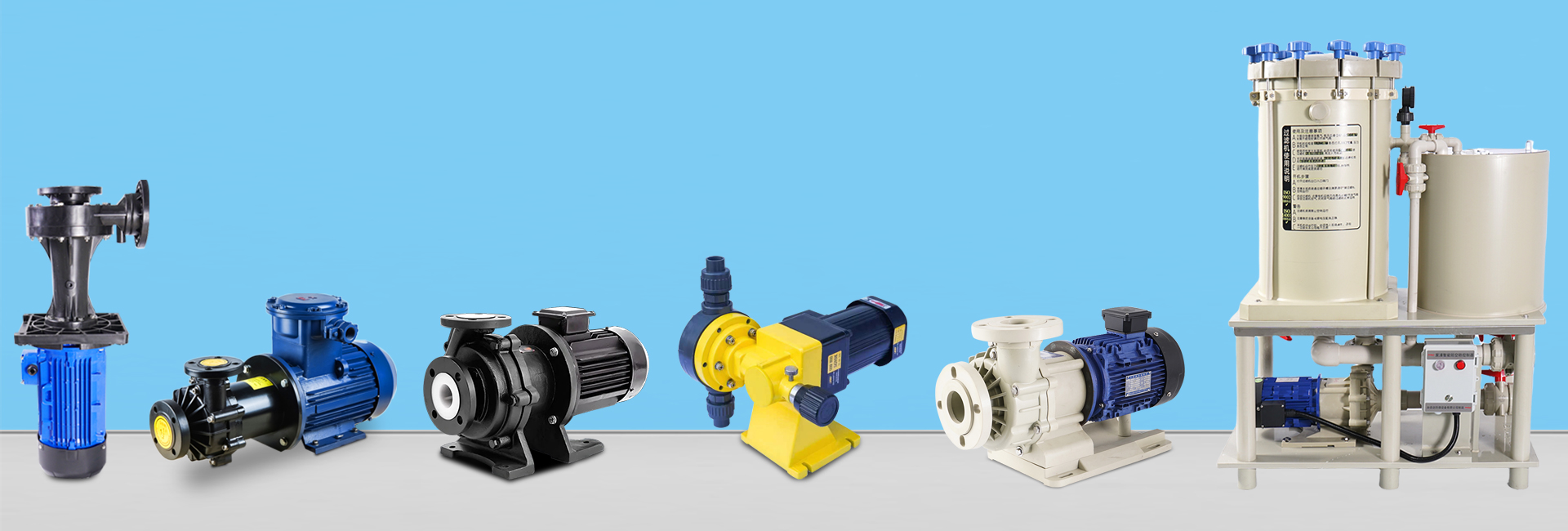
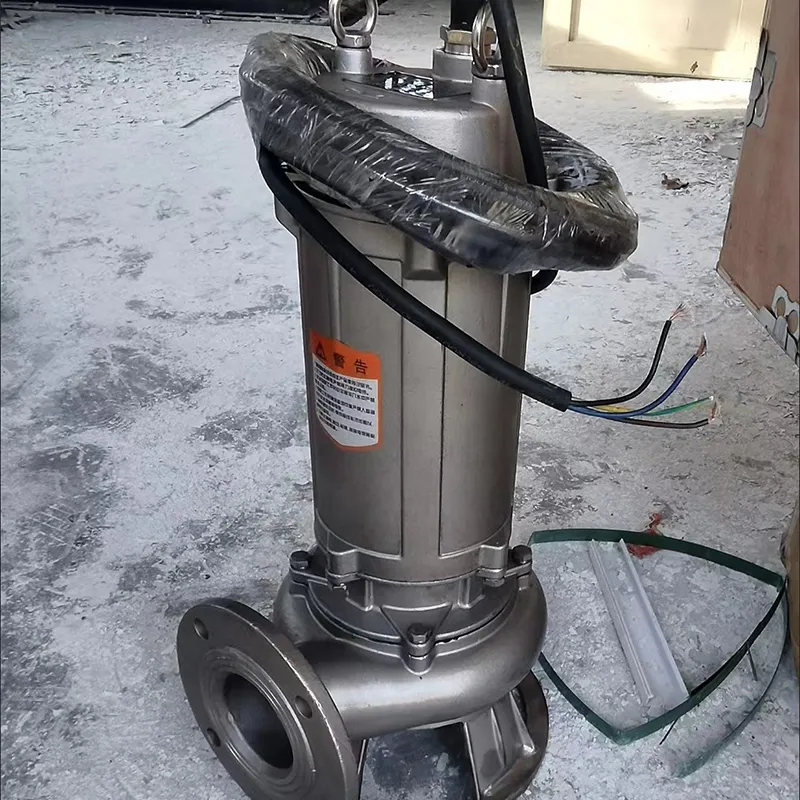
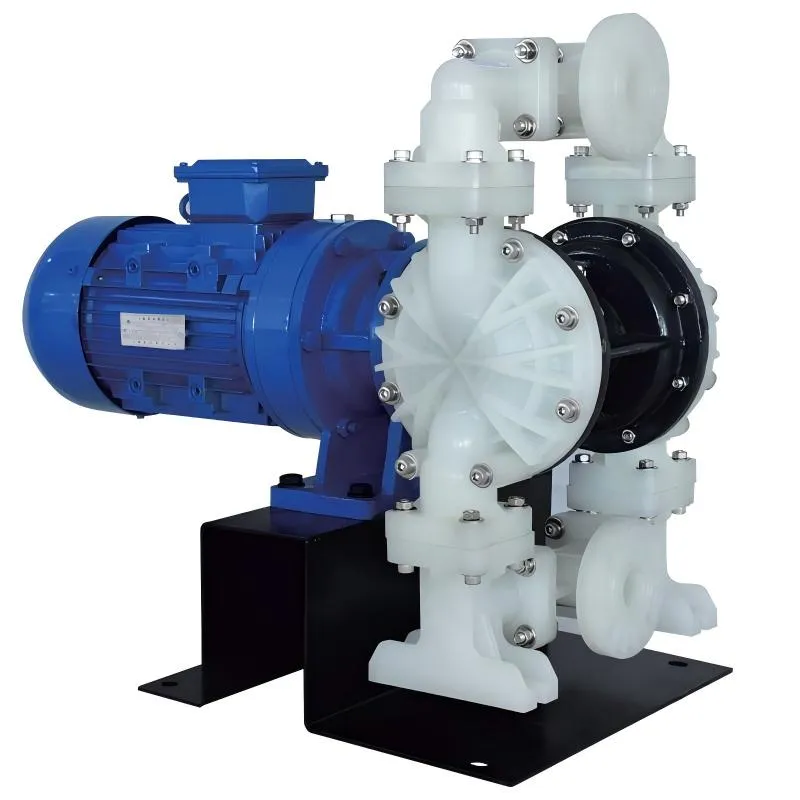
Centrifugal pumps are among the most widely used industrial pumps due to their simple design, smooth operation, and exceptional fluid handling capability. They convert rotational energy from a motor into kinetic energy to transport fluids efficiently across various sectors — including chemical, food processing, and wastewater treatment.

Key Performance Features
| Feature | Description | Benefit |
|---|---|---|
| High Efficiency | Advanced impeller design minimizes energy loss | Reduces power consumption |
| Corrosion Resistance | Materials like stainless steel and fluoroplastic | Extends service life |
| Stable Flow | Continuous, non-pulsating delivery | Suitable for precise process control |
Energy-Saving Advantage
Modern centrifugal pumps are engineered to deliver up to 30% higher energy efficiency compared to older models. By optimizing the impeller geometry and flow channel, energy loss is minimized while maintaining a high flow rate.
? Example: In a chemical plant using stainless steel centrifugal pumps, replacing traditional cast-iron models reduced annual electricity consumption by nearly 18%.
Applications
-
Chemical liquid transfer
-
Cooling and circulation systems
-
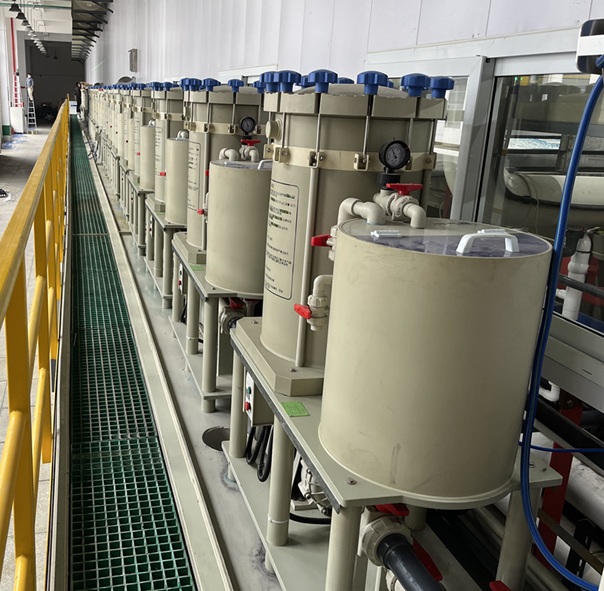
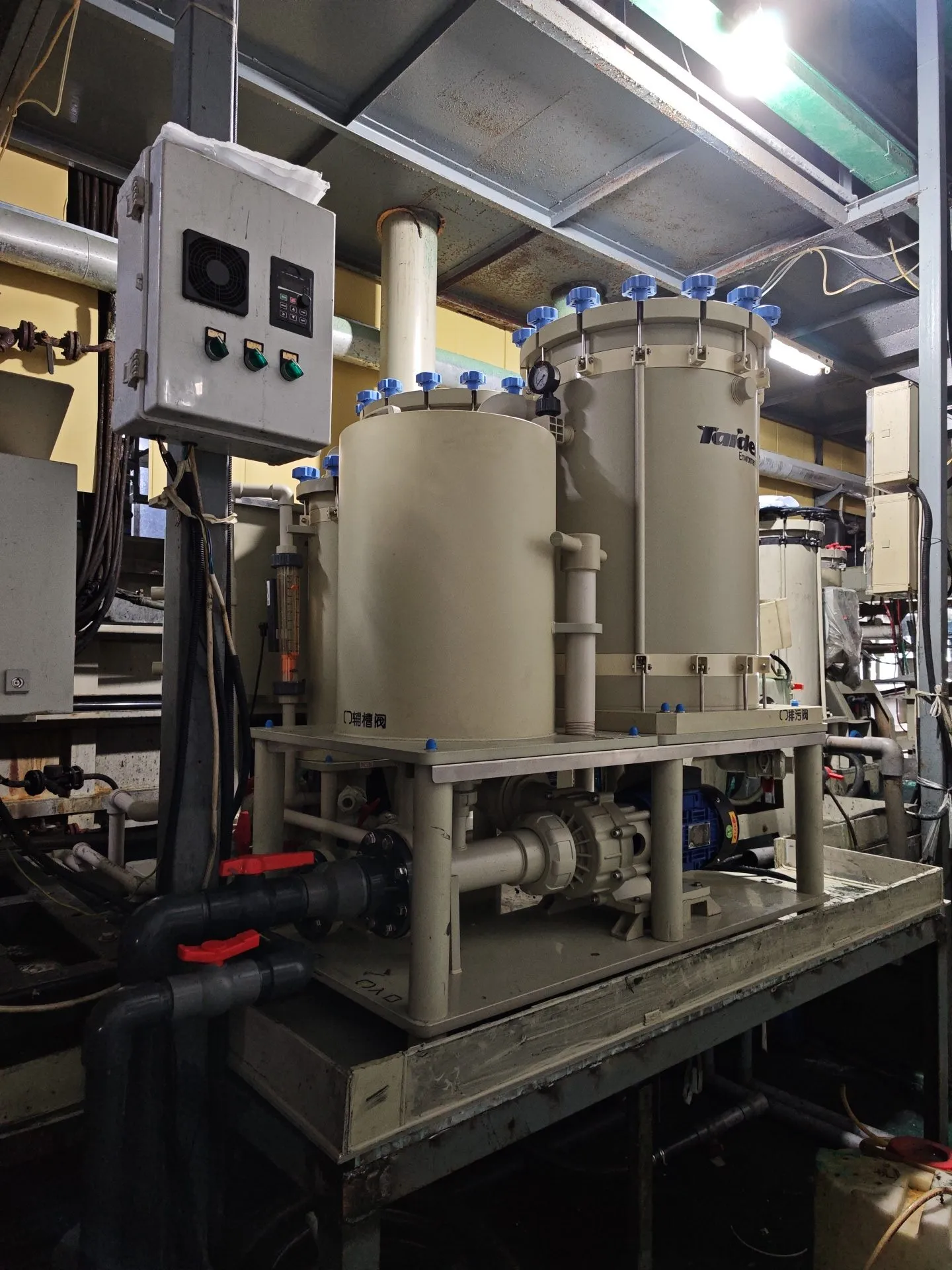
Filtration and wastewater processes
Conclusion
An efficient centrifugal pump not only improves productivity but also helps companies achieve sustainable operation goals. When paired with smart monitoring systems, it ensures consistent performance and reduced total ownership cost.