
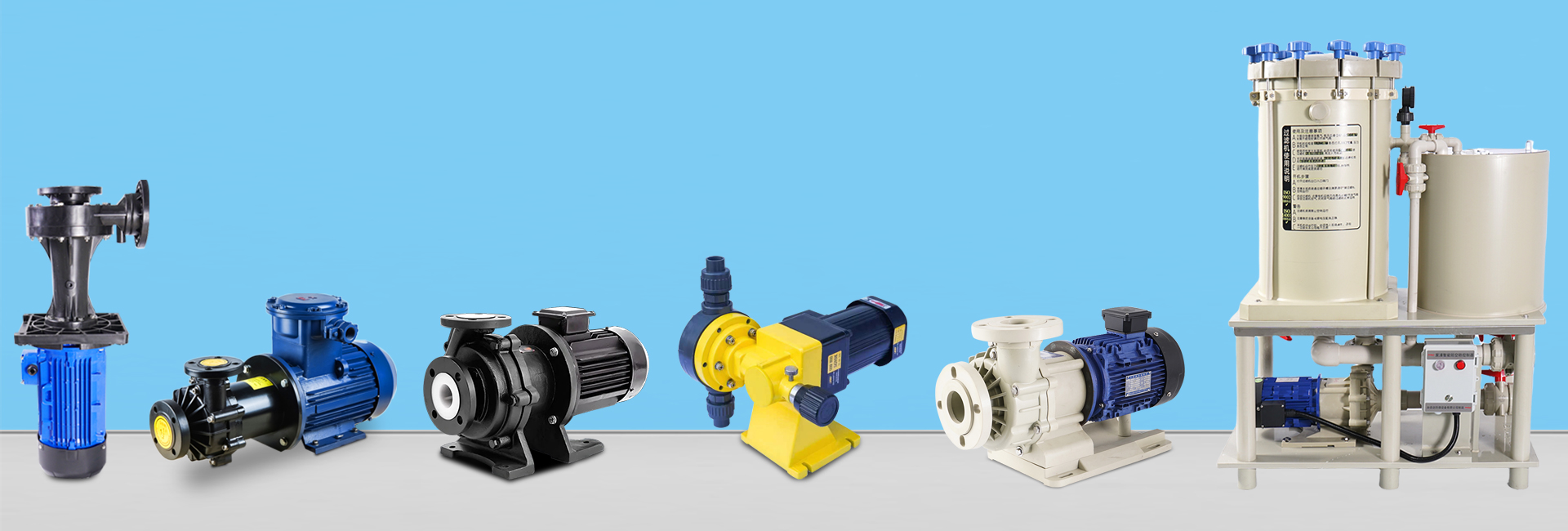

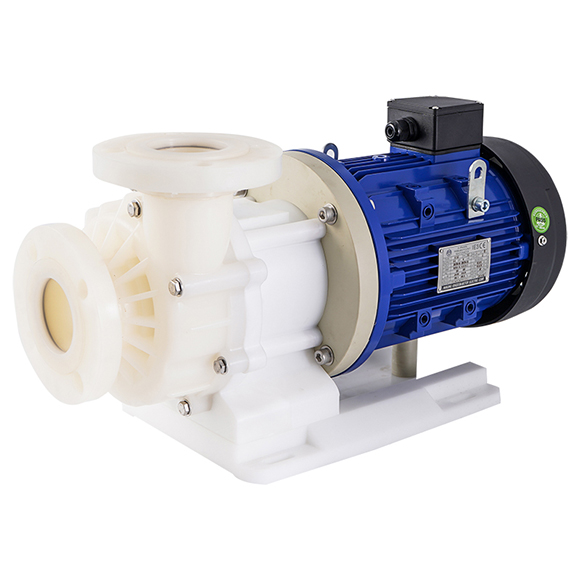
Disassembling a magnetic drive pump requires precision, safety awareness, and adherence to technical standards to avoid damaging critical components like ceramic shafts, magnetic rotors, or mechanical seals. This guide provides a clear, step-by-step process for safe disassembly, ideal for maintenance technicians, plant operators, and engineering professionals.
1. Pre-Disassembly Preparation
- Safety Gear: Wear chemical-resistant gloves, safety goggles, slip-resistant shoes, and a gas mask if the pump handled corrosive media.
- Shut Down & Relieve Pressure: Close inlet/outlet valves, cut off power supply, open vent and drain valves to empty the pump body. Flush with clean water if corrosive media were used.
- Tool Preparation: Gather wrenches, hex keys, pullers, copper rods, screwdrivers, vernier calipers, and clean rags. Avoid iron tools for direct contact with precision parts.
- Mark Alignment: Use a marker to label the relative positions of the motor and pump base, pump base and body, and impeller and shaft for easy reassembly.
2. Step-by-Step Disassembly Process
2.1 Remove External Connections
First, detach the pipeline flanges or clamps from the pump body by removing bolts. Then, loosen the motor base bolts and motor-pump base connecting bolts to separate the motor from the pump body.
2.2 Dismantle Coupling/Adapter Sleeve
Unscrew the coupling or adapter sleeve fixing bolts. Use a puller to gently pull out the coupling; if tightly fitted, tap lightly with a copper rod (never pry forcefully) to expose the pump shaft and magnetic coupling.
2.3 Separate Pump Body from Pump Base
Remove the circumferential fixing bolts between the pump body and base. Tap evenly along the joint surface with a copper rod to separate them, avoiding one-sided force that may deform the sealing surface.
2.4 Extract Impeller & Inner Magnetic Rotor
The impeller is typically secured to the shaft with a lock nut or key. Loosen the lock nut (note left-hand threads if applicable) and use a puller or copper rod to gently tap the impeller face for removal. Then extract the inner magnetic rotor (some designs require removing the sleeve or retaining ring first).
2.5 Disassemble Bearing & Shaft Assembly
Remove the pump base end cover bolts and take off the end cover. Use a puller to remove the bearing (protect the cage for rolling bearings; avoid scratching bushings for sliding bearings). Finally, pull out the pump shaft and clean oil, rust, or debris from the surface.
2.6 Separate Outer Magnetic Rotor from Motor Shaft
For interference-fit outer rotors, use specialized tools for removal. Never tap the motor shaft end directly to prevent damage to motor bearings.
3. Critical Safety & Operation Tips
- Avoid Forceful Prying or Tapping: Ceramic shafts, graphite bearings, and magnetic rotors are fragile. Handle with care, using copper rods or rubber hammers for assistance.
- Protect Seals: Mechanical seals (or dynamic/static seal rings) are wear parts. Remove them separately, inspect for scratches or wear, and replace damaged seals immediately.
- Clean & Inspect Components: Wipe parts with rags to remove oil, media residue, or rust. Check for wear (e.g., shaft roundness, impeller corrosion, magnetic rotor demagnetization) and record damaged part models.
- Classify & Store Parts: Organize components into categories (pump body, shaft assembly, seals, magnetic parts) to avoid loss. Wrap precision parts in clean rags for storage.
4. Post-Disassembly Notes
Clean all parts promptly after disassembly. Apply anti-rust oil to metal components (shaft, bearings, magnetic rotors) if not reassembling immediately. Store seals in specialized lubricating oil. Reassemble in reverse order of disassembly, aligning marks accurately and ensuring component clearances meet technical requirements (e.g., axial clearance between impeller and pump body, coaxiality of magnetic rotors).
For stuck components or excessive magnetic adsorption, avoid violent operations. Refer to the equipment manual or contact the manufacturer’s technical support to prevent irreversible damage.