
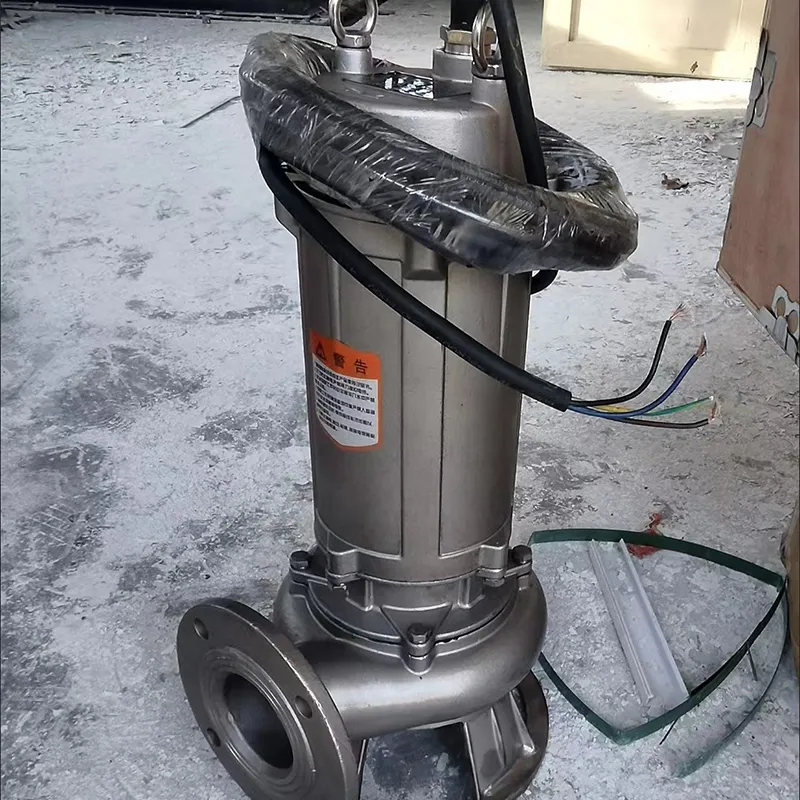
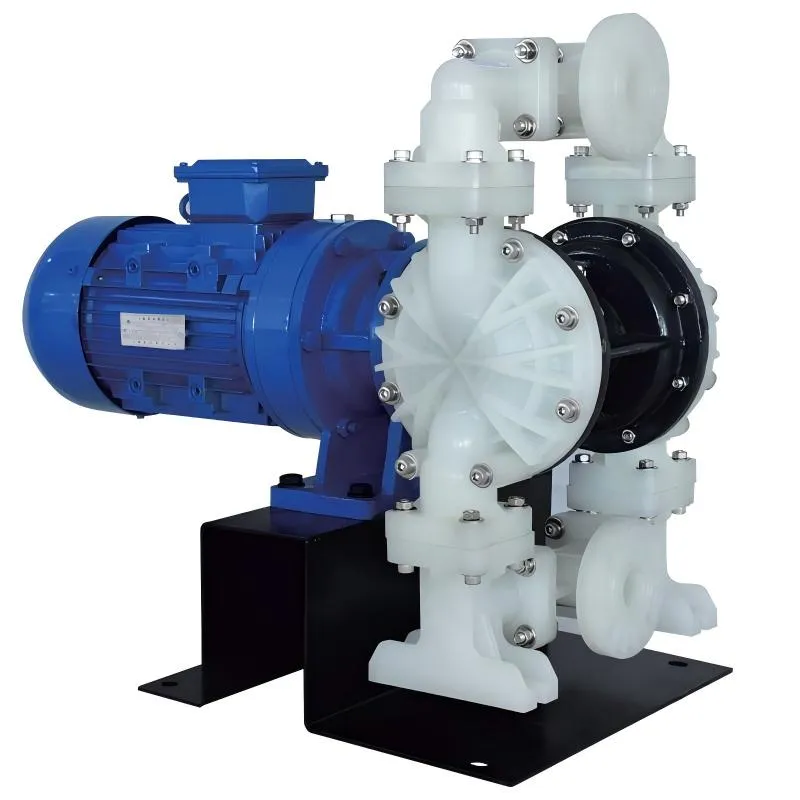

Chemical pumps may sometimes experience low pressure and reduced flow rate, which can affect the entire process system. Understanding the root causes and applying the right solutions can help restore pump performance efficiently.
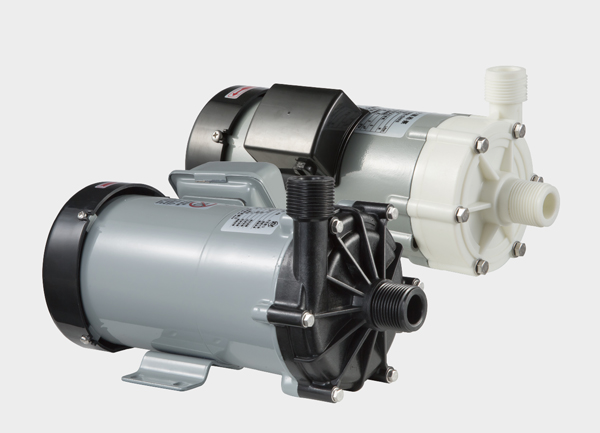
Common Causes of Low Pressure and Flow in Chemical Pumps
1. Suction Line Issues
-
Air leakage or blockage in the suction pipe reduces vacuum and causes poor suction.
-
Low liquid level in the suction tank leads to insufficient fluid intake.
-
Improper suction design, such as a long or narrow suction line, can cause cavitation.
2. Worn or Clogged Impeller
-
Continuous operation can cause impeller wear or corrosion, decreasing head and flow.
-
Foreign particles may clog the impeller or pump casing, restricting fluid movement.
3. Insufficient Pump Speed
-
Low motor speed due to voltage drop or incorrect frequency settings.
-
Loose or slipping drive belt in belt-driven systems.
4. Seal or Valve Problems
-
Discharge valve not fully open, reducing system flow.
-
Internal leakage through damaged seals causes fluid recirculation and pressure loss.
5. Increased System Resistance
-
Pipe scaling or blockage increases frictional resistance in the system.
-
Newly added equipment or valve adjustments restrict flow.
Solutions to Restore Pressure and Flow
| Problem Type | Recommended Solution |
|---|---|
| Suction Problems | Inspect and tighten all suction line connections, clean blockages, and maintain a proper liquid level. Keep the suction line short and straight. |
| Impeller Wear or Clogging | Check the impeller for wear, corrosion, or clogging. Replace or repair as needed. |
| Low Pump Speed | Verify motor voltage and speed settings. Adjust inverter frequency or replace worn drive belts. |
| Seal or Valve Issues | Ensure discharge valves are fully open. Replace worn or leaking seals promptly. |
| High System Resistance | Clean the piping, remove scale or debris, and optimize the piping layout to reduce friction. |
Preventive Maintenance Tips
-
Regular inspection: Periodically check impellers, bearings, and seals.
-
Maintain proper suction conditions: Ensure no air leaks or blockages at the inlet.
-
Monitor operating parameters: Use pressure gauges and flow meters to detect abnormalities early.
-
Choose the right pump: Select proper pump type and materials to match fluid characteristics and system requirements.
Conclusion
Low pressure and low flow in a chemical pump are often caused by a combination of mechanical and system-related issues. A full inspection—from the suction side to the discharge line—can help identify the root cause. Regular maintenance, proper installation, and continuous monitoring are key to preventing future failures and ensuring long-term pump reliability.