
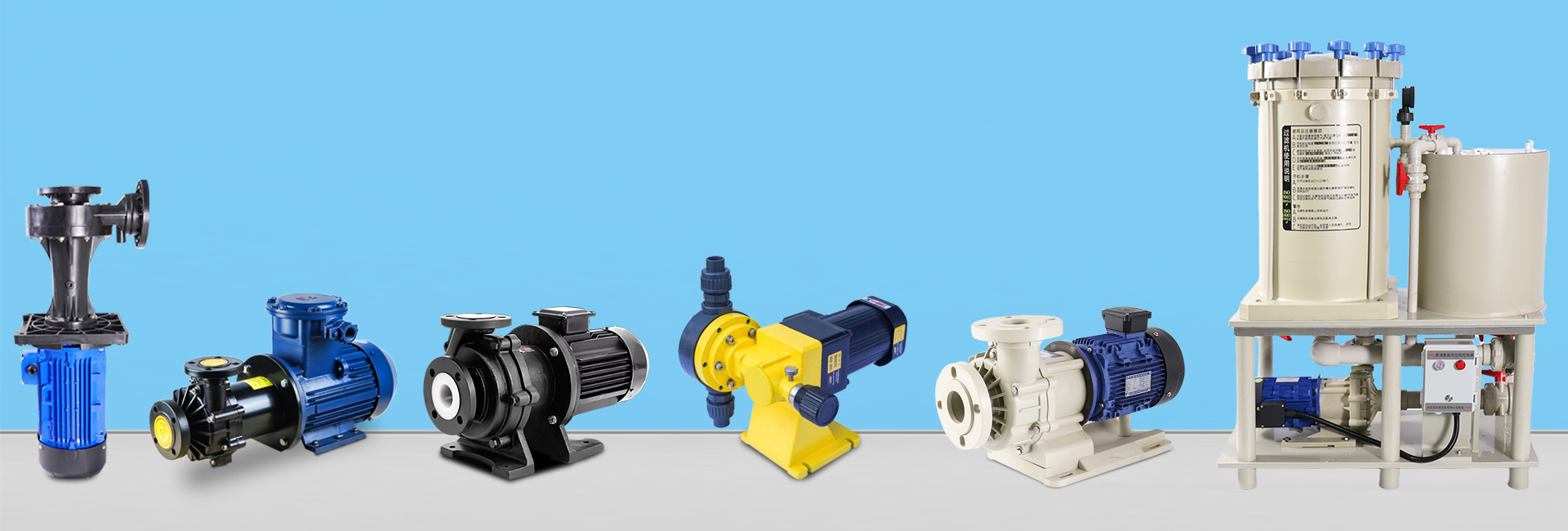
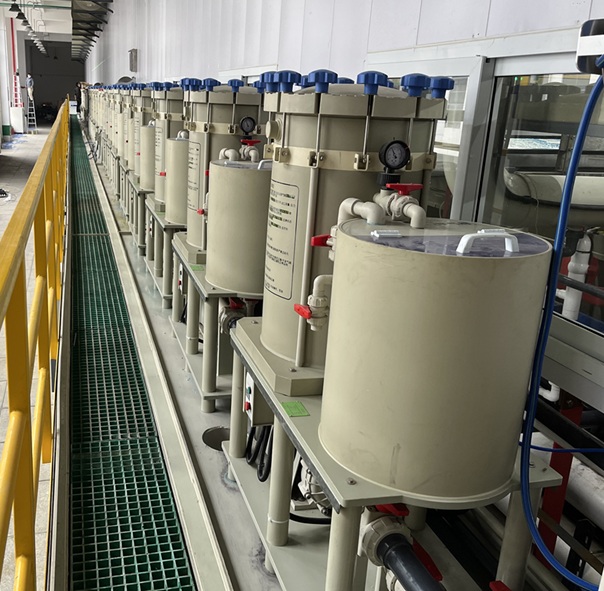
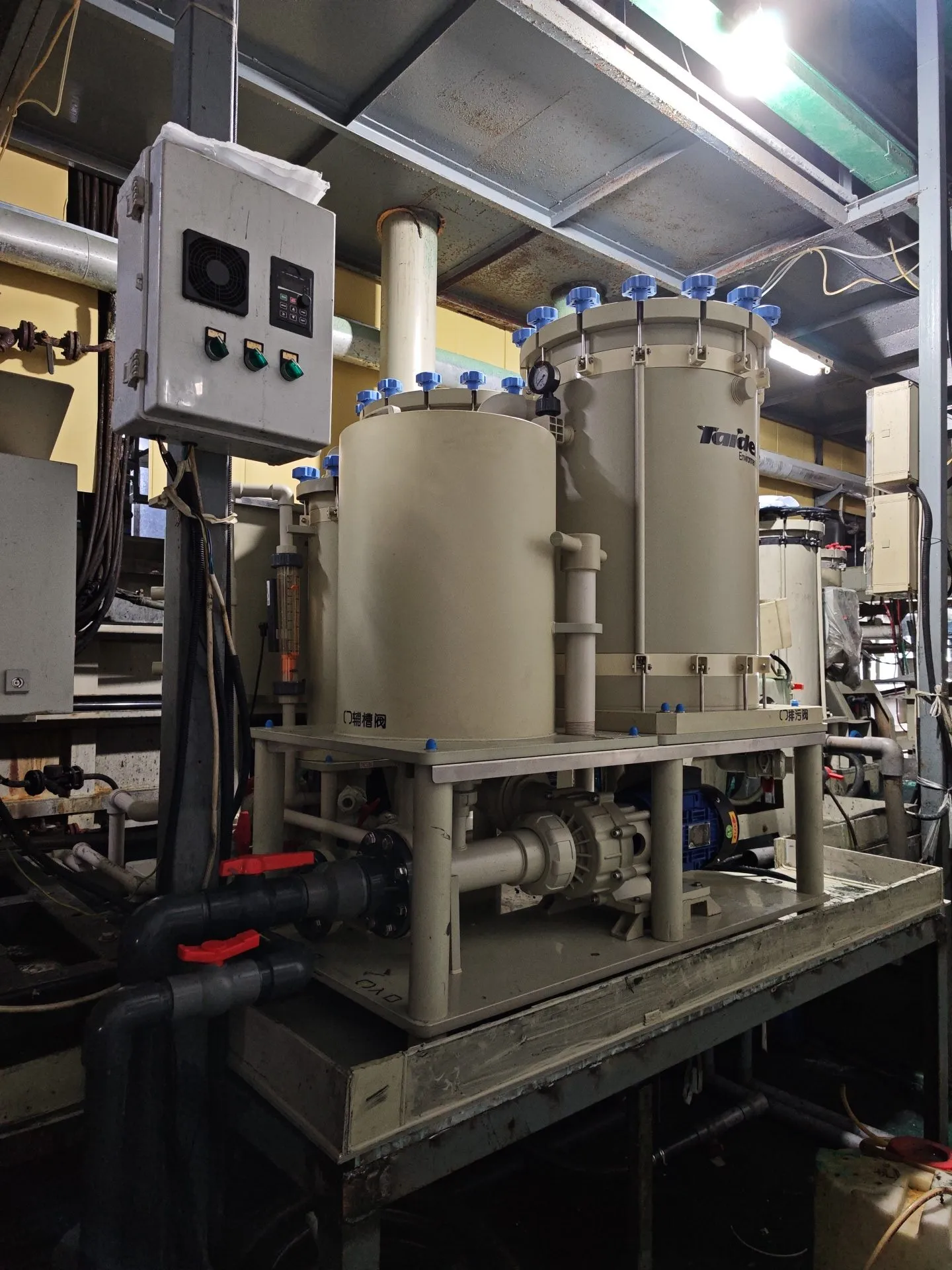
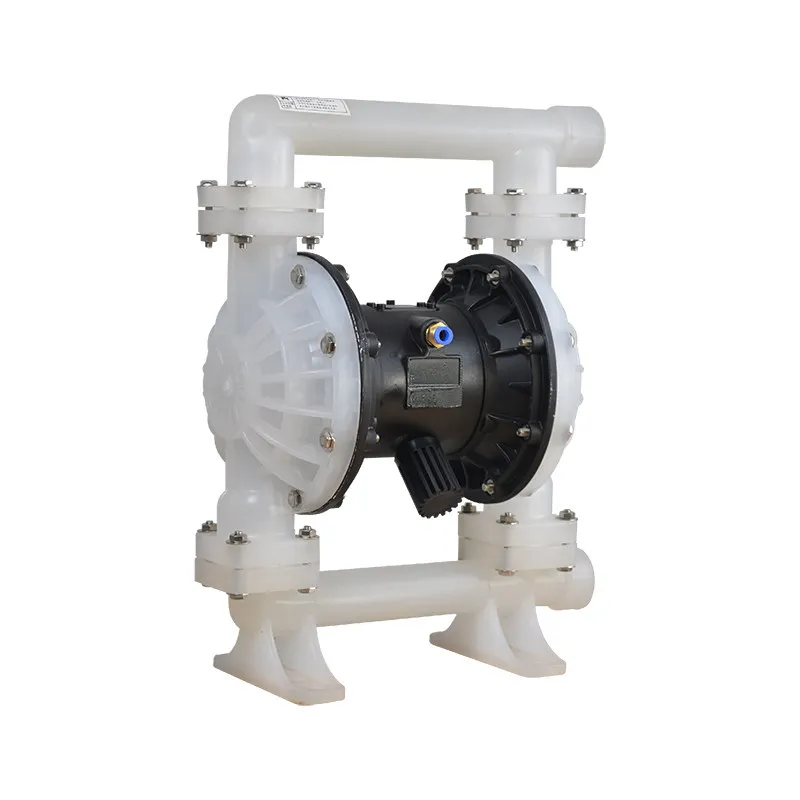
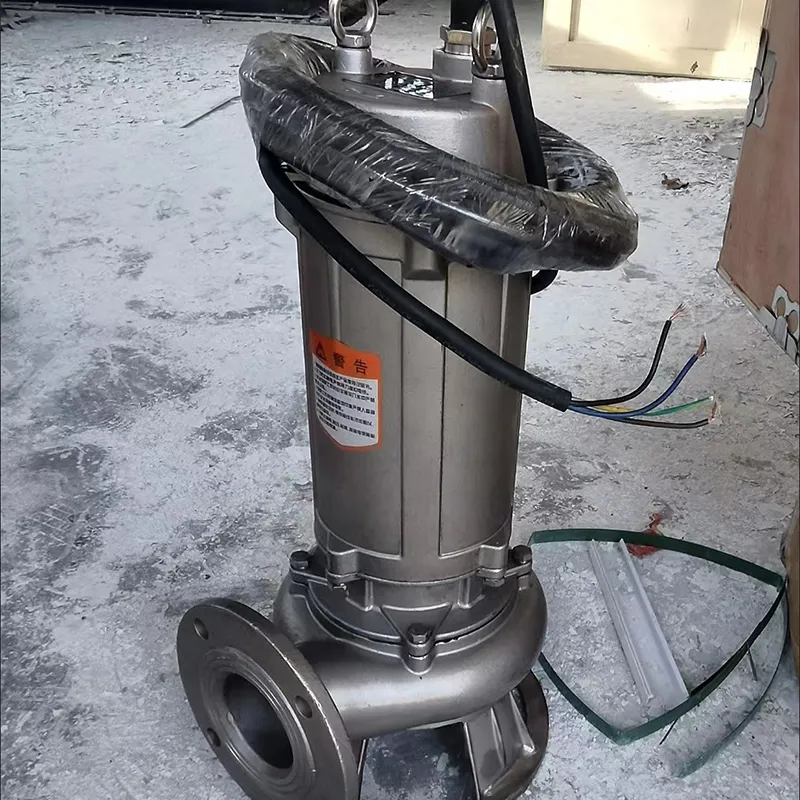
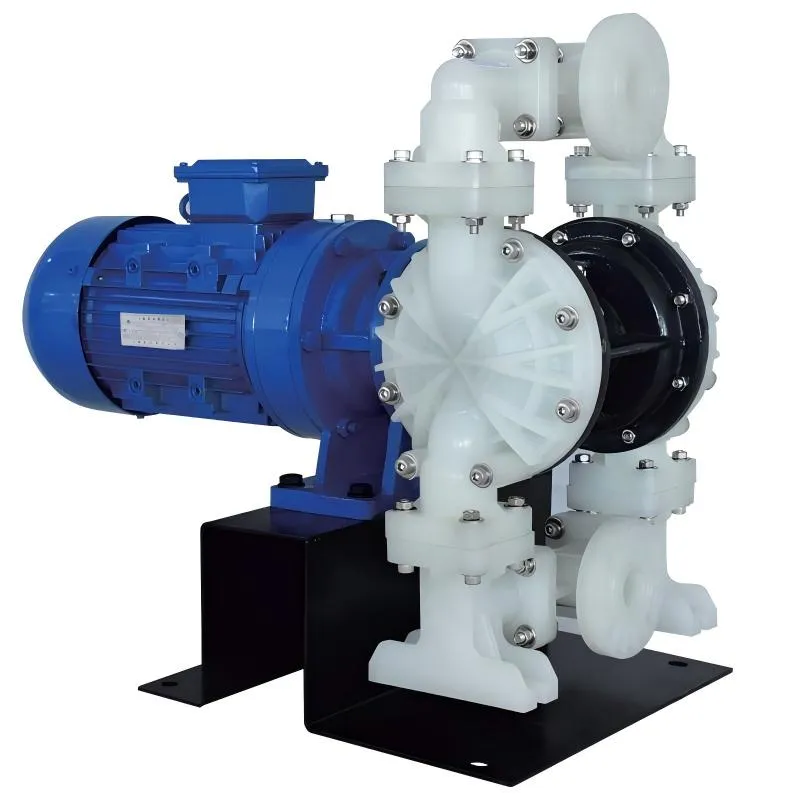

Magnetic drive pumps use magnetic coupling to transfer torque while fully enclosing the liquid, eliminating mechanical seals. This ensures zero leakage, making them perfect for corrosive, toxic, or volatile liquids in chemical, pharmaceutical, and environmental industries.
Main Benefits
| Benefit | Description |
|---|---|
| Safety | Leak-free operation protects personnel and environment |
| Reliability | Overload slip protects pump components |
| Low Maintenance | Minimal parts wear, lower service costs |
| Chemical Compatibility | Stainless steel, PTFE, or PVDF materials handle corrosive liquids |
| Smooth Operation | Low noise and vibration for stable pumping |
Despite their advantages, magnetic drive pumps have some limitations:
-
Cannot handle solids in the liquid.
-
Slightly lower efficiency than conventional pumps.
-
Sensitive to high temperatures.
-
Dry running damages sleeve bearings.
-
Coupling slip may occur under excessive torque.
-
Higher initial cost than mechanical seal pumps.
Applications
| Industry | Typical Use |
|---|---|
| Chemical | Strong acids, alkalis, hazardous liquids |
| Pharmaceutical | High-purity liquid transfer |
| Environmental | Hazardous waste and wastewater handling |
| Crystalline Liquids | Prevents seal clogging in solid-forming liquids |
Selection Guidelines
-
Assess flow rate, head, and liquid properties.
-
Select appropriate pump material and magnetic coupling.
-
Design recirculation system for lubrication and cooling.
-
Install dry-run protection.
-
Maintain regular inspection schedule for bearings and containment shell.
Conclusion:
Magnetic drive pumps provide leak-free operation, chemical resistance, and low maintenance, making them ideal for high-demand industrial conditions. Careful selection, installation, and preventive maintenance are essential for maximizing pump performance.