
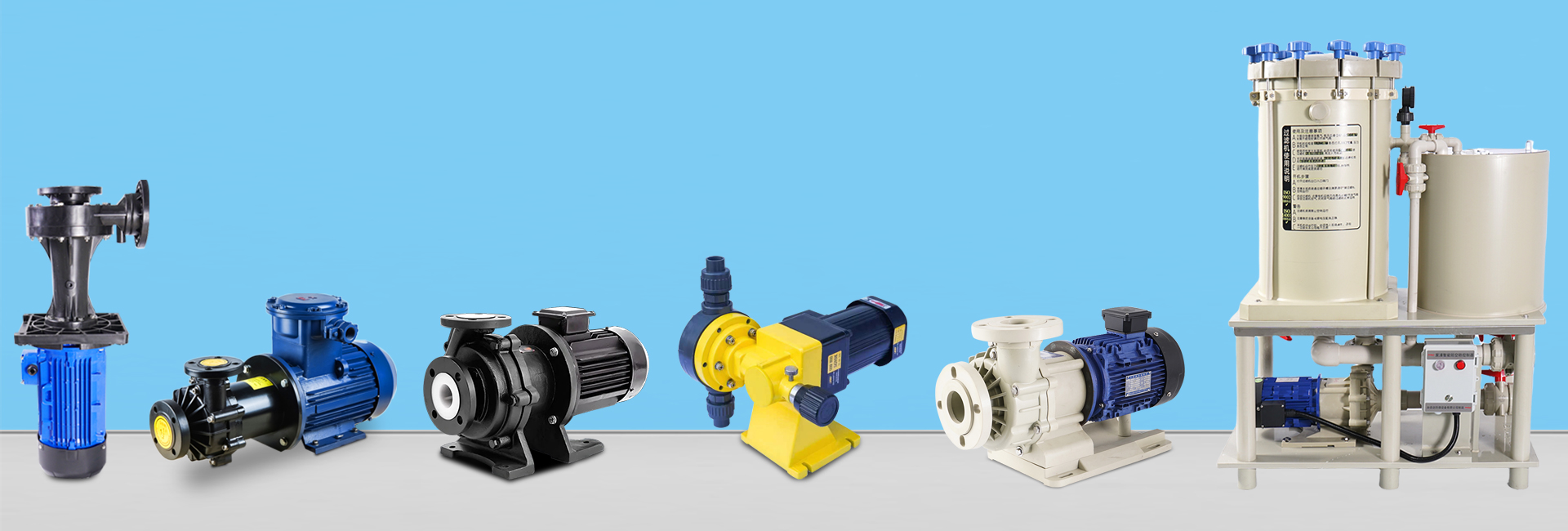
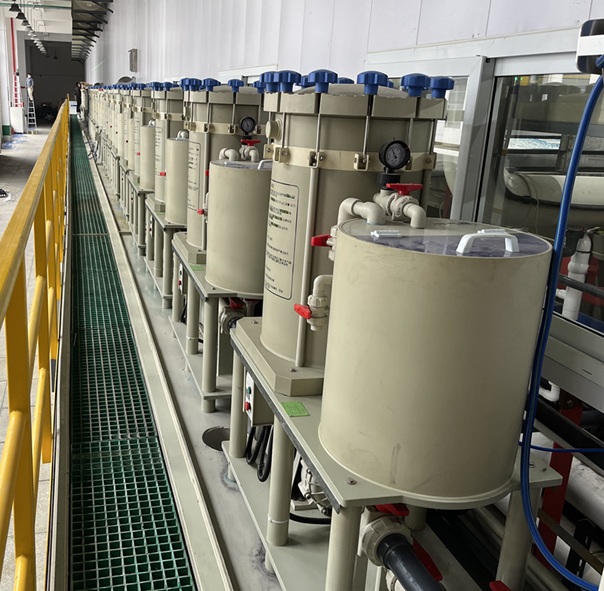
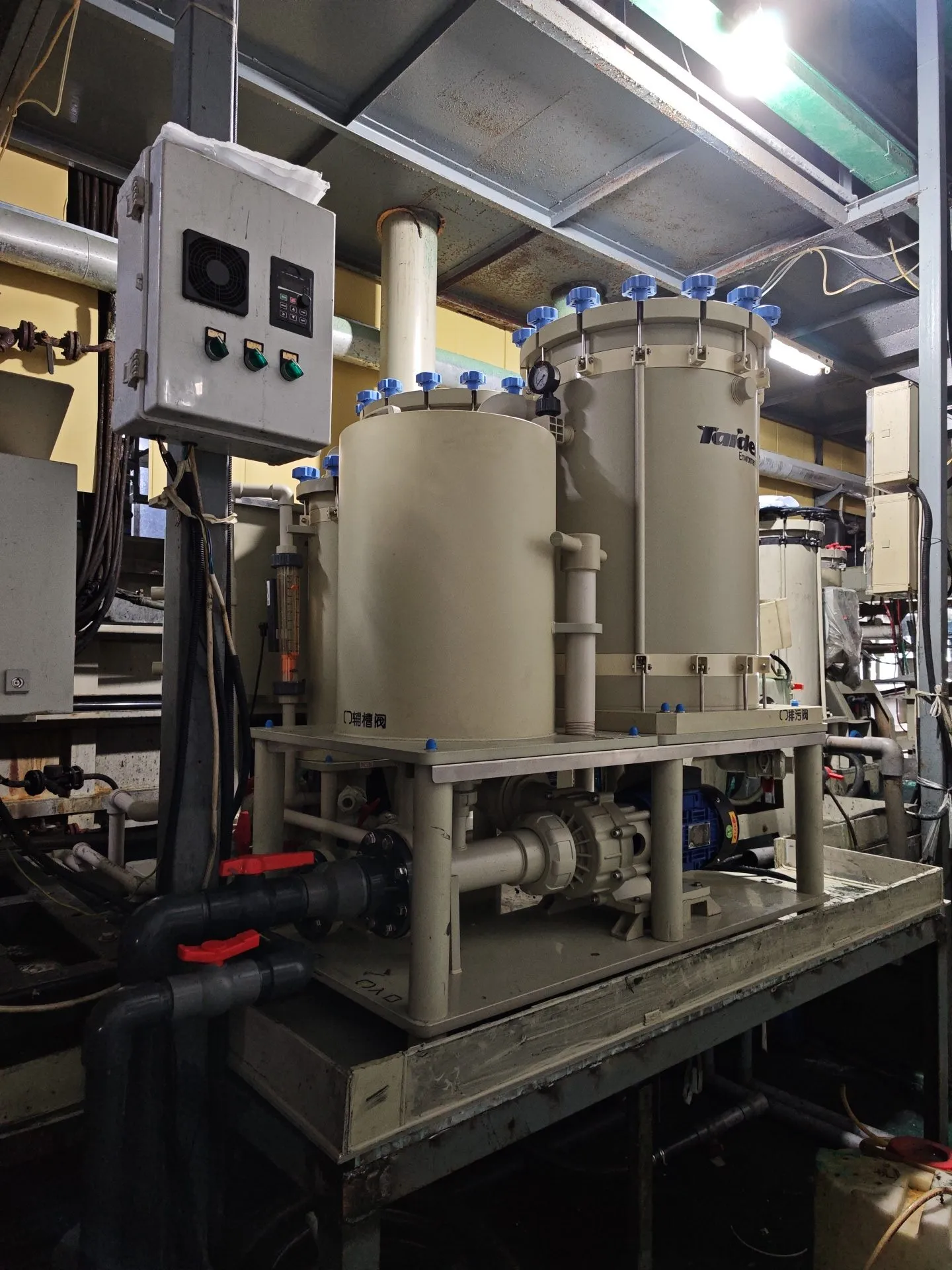
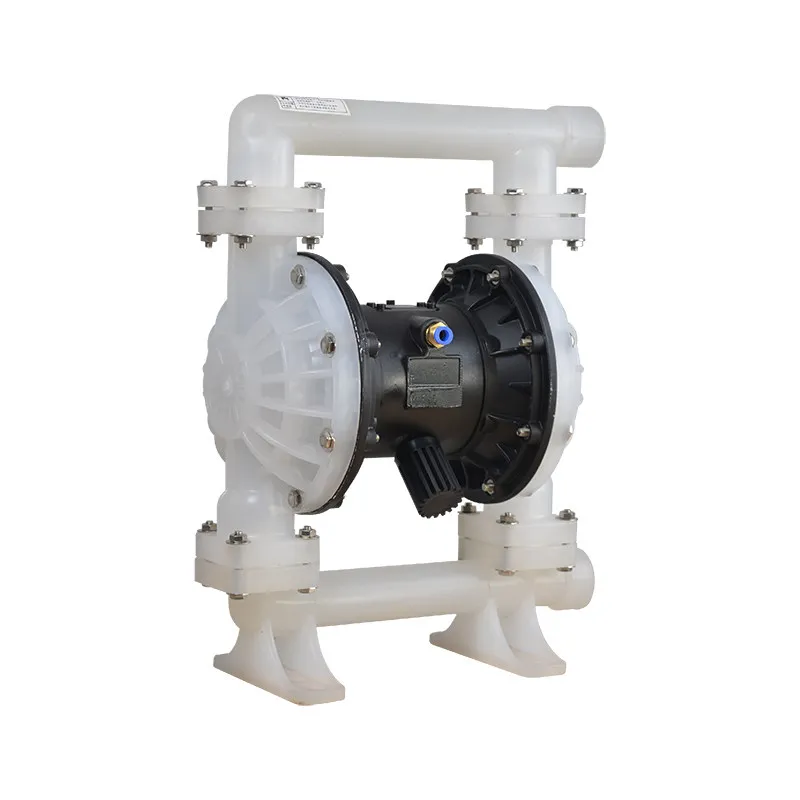
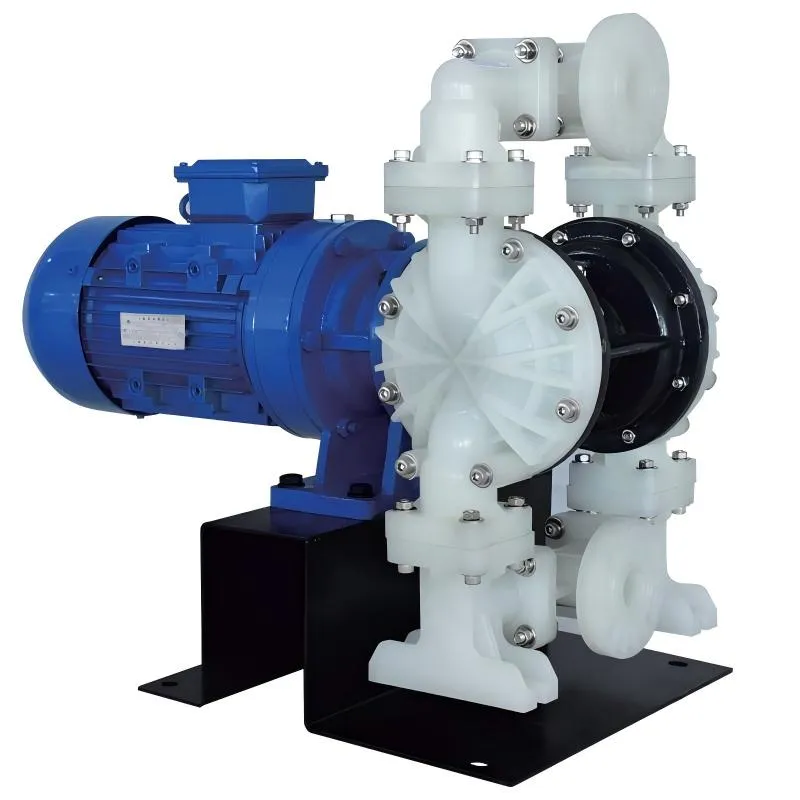

In industrial applications, the average lifespan of a PVDF (Polyvinylidene Fluoride) chemical pump typically ranges from 5 to 10 years, though well-maintained units in less aggressive environments can last 15 years or more.
Because PVDF is a high-performance fluoropolymer, these pumps generally outlast standard metallic pumps in corrosive service, as they do not suffer from the “pitting” or “rusting” that eventually claims stainless steel.
🛠 Factors Influencing Lifespan
While the material itself is nearly inert to many acids, the “service life” is dictated by the interaction of several variables:
| Factor | Impact on Lifespan |
| Chemical Concentration | High concentrations of strong oxidizing acids (like Nitric or Chromic) can slowly degrade even PVDF over many years. |
| Operating Temperature | PVDF is rated up to 110°C (230°F). Operating consistently near this limit accelerates “aging” and reduces mechanical strength. |
| Fluid Abrasiveness | While PVDF is more abrasion-resistant than PTFE, pumping slurries or fluids with hard solids will erode the impeller and casing over time. |
| Dry Running | Mechanical seal failure due to dry running is the #1 cause of “premature death” for these pumps, often occurring long before the PVDF material fails. |
📈 Comparing Lifespans by Material
In a typical “harsh chemical” environment (e.g., $10\%$ Hydrochloric Acid), here is how PVDF generally compares to other common pump materials:
-
Polypropylene (PP): 3–5 years (Lower temperature and UV resistance).
-
Stainless Steel (316): 1–3 years (Susceptible to pitting and chloride stress corrosion).
-
PVDF: 5–10+ years (Excellent balance of chemical inertness and mechanical toughness).
-
Hastelloy/Titanium: 10–15+ years (Extreme longevity, but at 5x–10x the initial cost).
💡 Pro-Tips for Extending Pump Life
-
Avoid Cavitation: Ensure your Net Positive Suction Head (NPSH) is adequate. Cavitation acts like a “jackhammer” on the internal PVDF surfaces, causing rapid erosion.
-
Magnetic Drive vs. Mechanical Seal: If your process allows, magnetic drive (sealless) PVDF pumps often have a longer “trouble-free” life because they eliminate the most common point of failure: the mechanical seal.
-
Thermal Cycling: Avoid rapid “shock” temperature changes. While PVDF is tough, extreme thermal cycling can lead to stress cracking over several years of operation.