
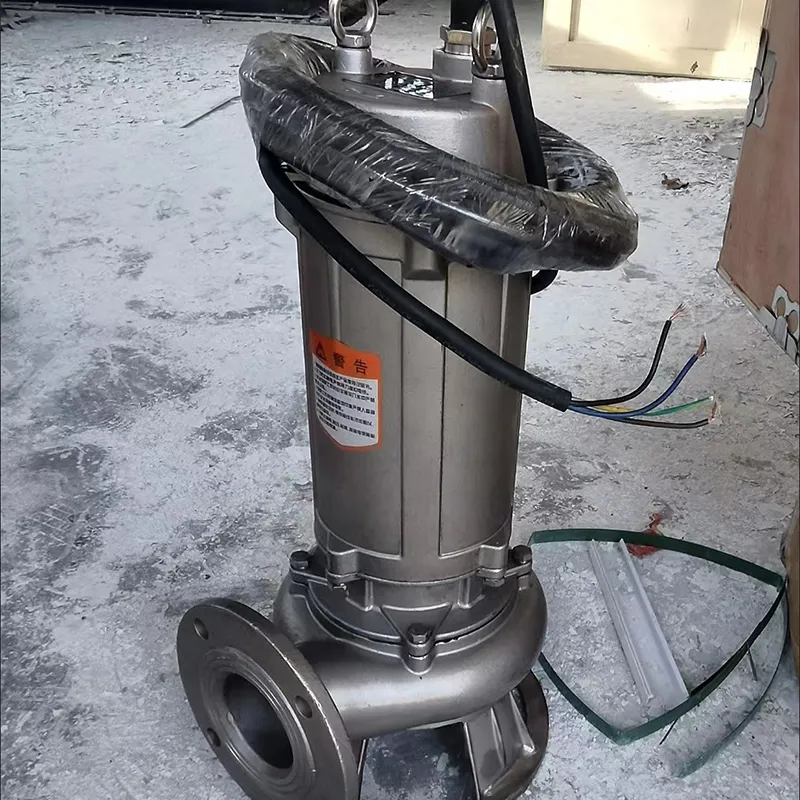
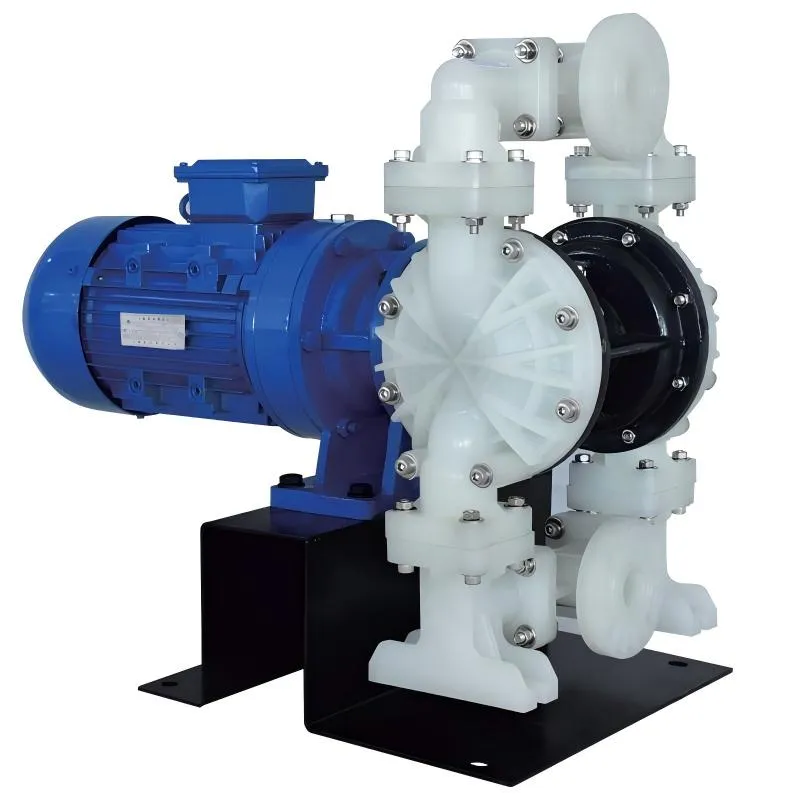

Seawater desalination, especially the mainstream reverse osmosis (RO) process, requires a set of specialized pump units. These pumps are classified by process stages into seawater intake pumps, pretreatment pumps, high-pressure pumps, energy recovery booster pumps, product water transfer pumps, and brine discharge pumps, with the high-pressure pump being the core component.

1. Core Pump Types and Their Process Applications
1.1 Seawater Intake Pumps (Raw Water Pumps)
-
Types: Axial flow pumps, mixed flow pumps, vertical long-shaft pumps
-
Characteristics: Large flow rate, low head (10–30m), seawater corrosion resistance
-
Materials: Duplex stainless steel 2205, 316L, nickel-aluminum bronze
-
Function: Extract seawater from the ocean and deliver it to the pretreatment system.
1.2 Pretreatment Booster Pumps
-
Types: Single-stage end-suction centrifugal pumps, horizontal multi-stage pumps
-
Characteristics: Medium flow rate, medium-low head (30–80m)
-
Function: Pressurize the pretreated seawater and send it to the security filter/reverse osmosis membrane front system.
1.3 High-Pressure Pumps (Core of RO System)
-
Types: Multi-stage centrifugal pumps (segmental/axially split), vertical canister pumps
-
Parameters: Pressure 5.0–7.0MPa, head 500–700m
-
Materials: Duplex stainless steel 2205/2507, super duplex stainless steel, Hastelloy C276 (for high salinity/high corrosion environments)
-
Function: Pressurize seawater to the working pressure of the reverse osmosis membrane to achieve desalination.
-
Representative Models: VMHP, MBN-RO, MSD-RO, DFP self-balancing multi-stage pumps
1.4 Energy Recovery Booster Pumps (ERD Booster)
-
Types: End-suction centrifugal pumps, multi-stage pumps (ZF-RO, A-RO)
-
Function: Cooperate with energy recovery devices (ERD) to recover energy from high-pressure brine, then secondarily pressurize the seawater entering the membrane module, greatly reducing energy consumption.
1.5 Product Water Transfer Pumps
-
Types: Single-stage centrifugal pumps, pipeline pumps
-
Function: Pressurize and deliver the desalinated fresh water to water storage tanks/water supply pipelines.
1.6 Brine Discharge Pumps (Discharge/Concentration)
-
Types: Centrifugal pumps, screw pumps
-
Function: Transport high-concentration brine to discharge points or concentration systems.
2. Material Selection (Key Consideration)
Seawater contains high levels of chloride ions, so corrosion is the primary threat:
-
Normal seawater: Duplex stainless steel 2205 (cost-effective choice)
-
High salinity/high corrosion/island reefs: Super duplex stainless steel 2507, Hastelloy C276
-
Seals: Silicon carbide, Hastelloy, fluororubber
3. Pump Configuration for Different Processes
3.1 Reverse Osmosis (SWRO, Mainstream)
Intake pump → Pretreatment pump → High-pressure pump → Energy recovery booster pump → Product water pump → Brine discharge pump
3.2 Multi-Effect Distillation (MED)/Multi-Stage Flash (MSF)
Intake pump → Circulation pump (large flow rate, temperature resistance) → Distillation/flash system → Product water pump
4. Key Selection Points
-
Pressure Matching: RO high-pressure pumps must meet the working pressure of membrane elements (5–7MPa).
-
Corrosion Resistance: Prioritize duplex stainless steel or higher-grade materials.
-
Efficiency: High-pressure pumps account for over 60% of the system’s energy consumption; choose high-efficiency multi-stage pumps with frequency conversion.
-
Reliability: For continuous operation, prioritize self-balancing, balance disk-free structures (e.g., DFP).
-
Energy Recovery: ERD + booster pumps are a must for large-scale projects, saving 30%–50% of energy.