
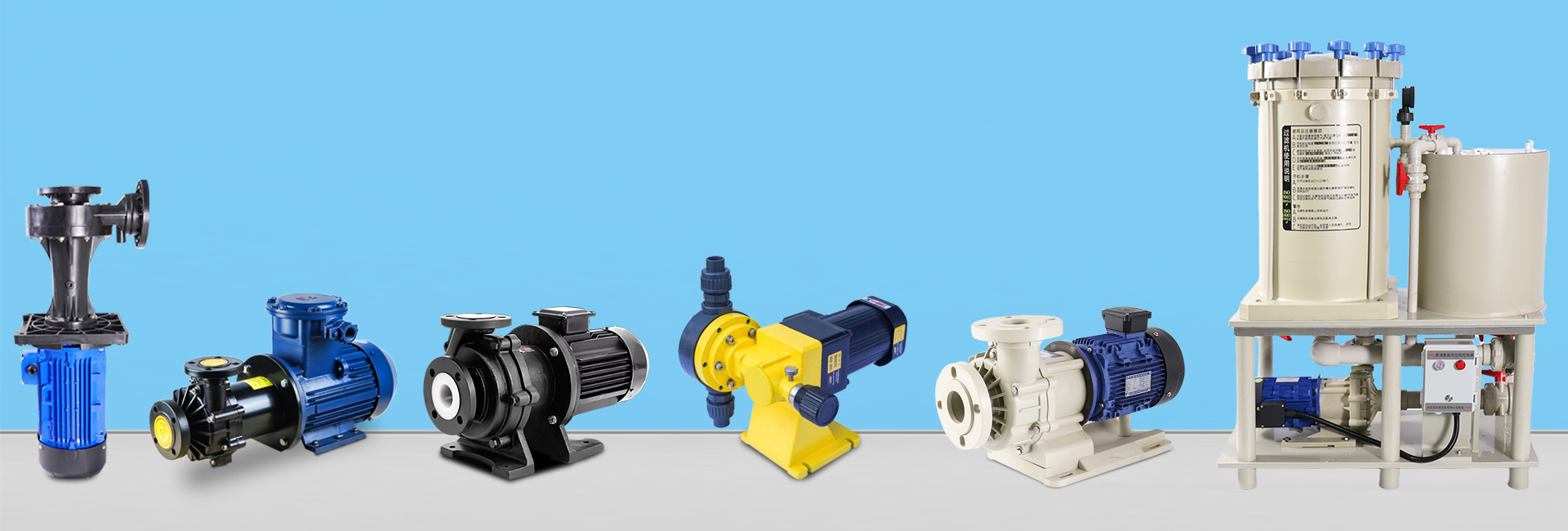
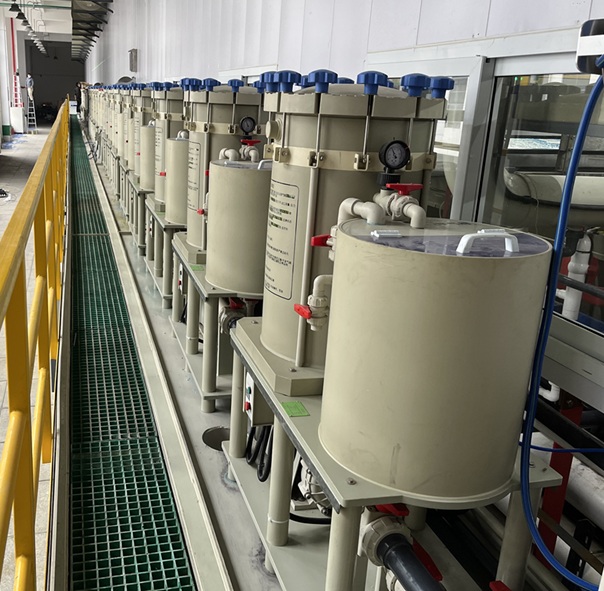
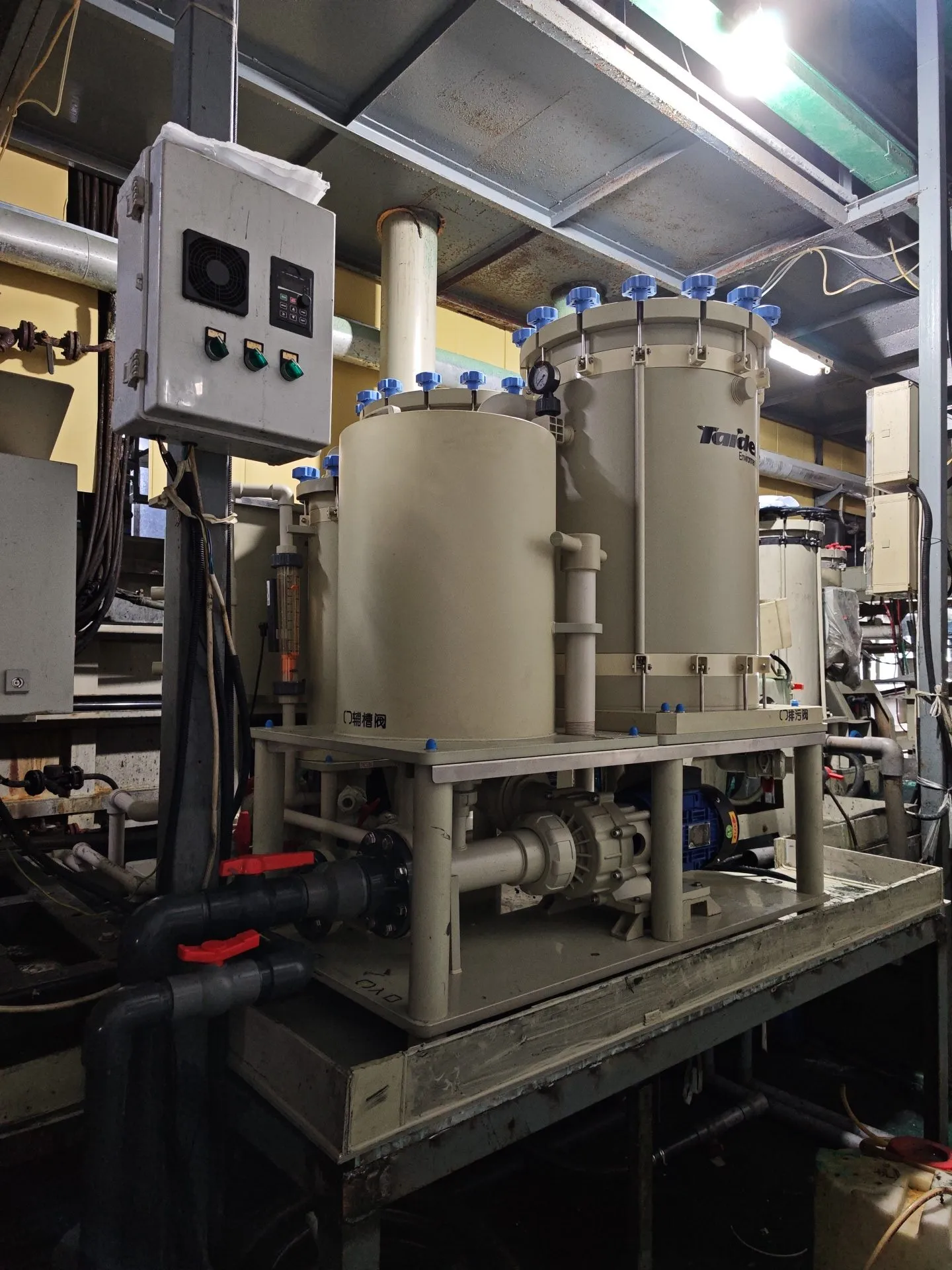
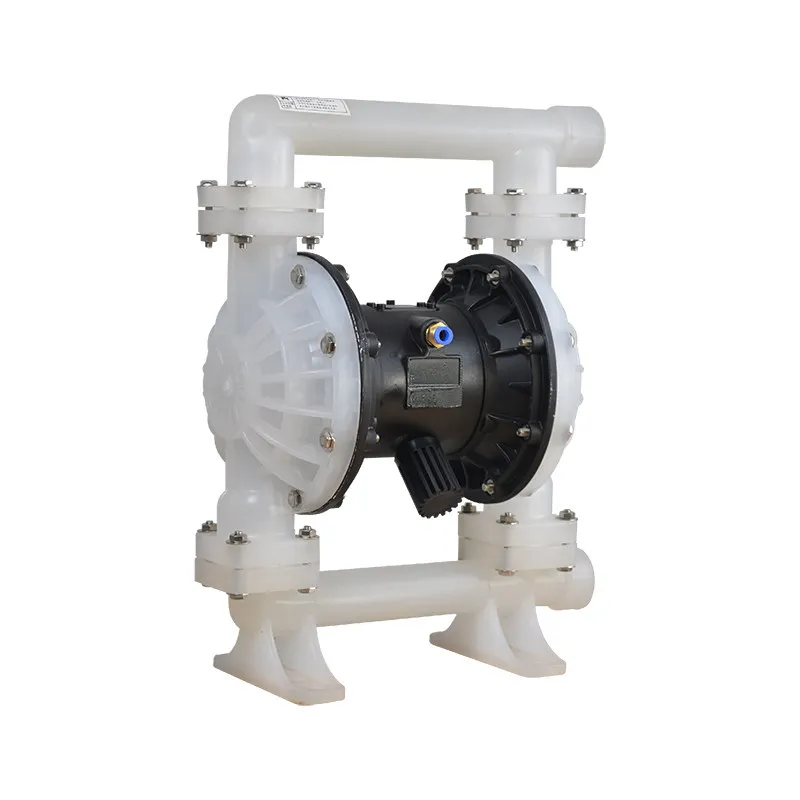
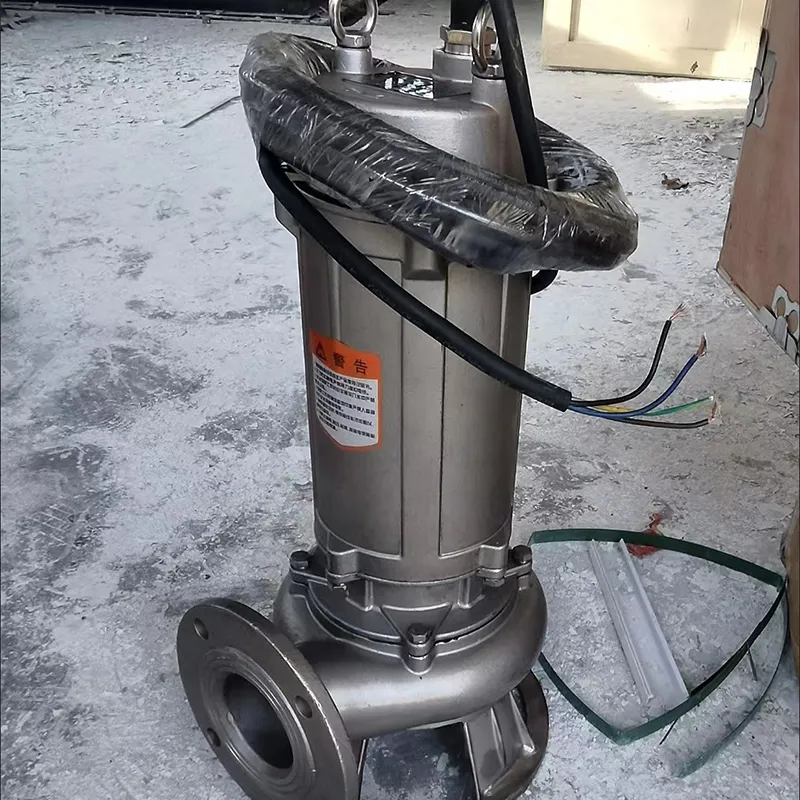
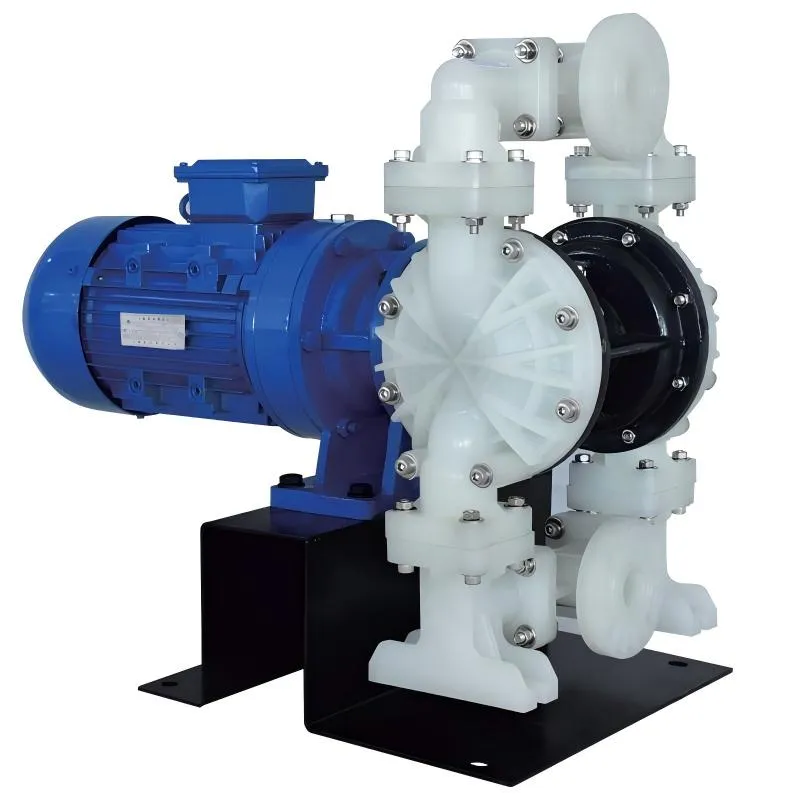

In the chemical industry, chemical process pumps are essential for transferring corrosive, toxic, or hazardous fluids safely and efficiently.
When choosing a pump, one of the most common questions is:
? Should you use a magnetic drive pump or a mechanical seal pump?
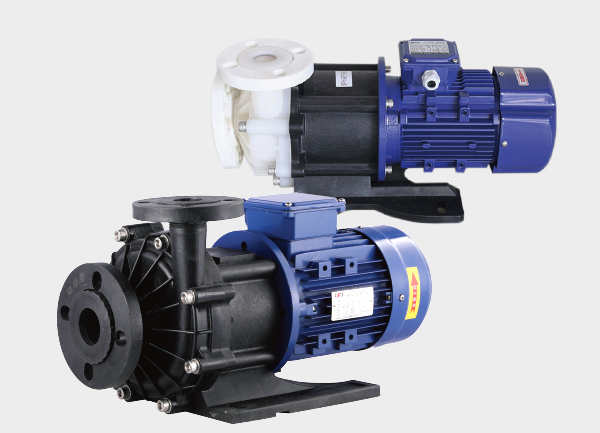
Both designs have unique advantages and limitations. This article provides a clear comparison and professional selection guide to help you choose the right pump for your specific application.
1. What Is a Magnetic Drive Pump?
Working Principle
A magnetic drive pump (also called a mag drive pump) uses magnetic coupling to transmit torque from the motor to the impeller without direct contact.
Because there is no shaft seal, the pumped liquid is completely enclosed within the pump casing, achieving zero leakage operation.
Advantages
-
Leak-free performance – Ideal for toxic, flammable, or valuable chemicals.
-
Low maintenance – No mechanical seals to replace or adjust.
-
Compact and quiet – Simple design, smaller footprint, and reduced noise levels.
Disadvantages
-
Not suitable for solids – Solids or abrasive particles can cause internal wear or jamming.
-
Limited temperature and pressure range – High temperatures can demagnetize the coupling (typically <150°C).
-
Slightly lower efficiency – Some magnetic energy loss occurs during torque transfer.
Typical Applications
-
Toxic or flammable chemicals
-
Strong acids and alkalis (e.g., hydrochloric acid, sulfuric acid)
-
High-purity or environmentally sensitive processes
-
Situations where zero leakage is critical
2. What Is a Mechanical Seal Pump?
Working Principle
A mechanical seal pump uses rotating and stationary seal faces to prevent fluid leakage along the pump shaft.
Depending on the operating conditions, single or double mechanical seals can be used.
Advantages
-
Handles extreme conditions – Suitable for high temperature, high pressure, and abrasive fluids.
-
Easy maintenance – Mature technology and widely available spare parts.
-
Flexible sealing options – Various seal types and flush plans for different media.
Disadvantages
-
Possible leakage – Seal wear may lead to minor leakage over time.
-
Higher maintenance cost – Seals and flush systems require periodic replacement.
-
Complex auxiliary systems – Toxic fluids may require buffer or barrier systems.
Typical Applications
-
High-temperature (>150°C) or high-pressure processes
-
Fluids containing solids, crystals, or high viscosity
-
Large flow or long-distance transfer systems
-
General industrial and chemical production lines
3. Magnetic Drive Pump vs. Mechanical Seal Pump — Comparison Table
| Parameter | Magnetic Drive Pump | Mechanical Seal Pump |
|---|---|---|
| Leakage | Zero leakage | Minor leakage possible |
| Maintenance | Low | Moderate to high |
| Solid handling | Poor | Good (with proper seal) |
| Temperature resistance | <150°C | Up to 300°C+ |
| Pressure resistance | Medium | High |
| Safety | Excellent | Moderate |
| Efficiency | Slightly lower | Higher |
| Initial cost | Higher | Lower |
| Long-term cost | Lower | Higher (due to maintenance) |
4. How to Choose the Right Type
Before selecting your chemical pump, answer the following key questions:
-
Is the medium toxic, flammable, or valuable?
→ Yes → Choose a magnetic drive pump. -
Does the fluid contain solids or crystals?
→ Yes → Choose a mechanical seal pump. -
Is the temperature above 150°C?
→ Yes → Choose a mechanical seal pump. -
Is the discharge pressure high (>1.6 MPa)?
→ Yes → Choose a mechanical seal pump. -
Do you require zero leakage?
→ Yes → Choose a magnetic drive pump.
5. Recommended Selection Summary
| Application Condition | Recommended Pump Type |
|---|---|
| Toxic, flammable, valuable chemicals | Magnetic drive pump |
| Corrosive acids or alkalis | Magnetic drive pump |
| High-temperature or high-pressure service | Mechanical seal pump |
| Fluids containing solids or crystals | Mechanical seal pump |
| Large flow or long-distance transfer | Mechanical seal pump |
| Zero-leakage and environmental protection | Magnetic drive pump |
6. Engineering Tips
-
When choosing a magnetic drive pump, always verify the maximum temperature, pressure, and viscosity rating to prevent overheating or demagnetization.
-
For mechanical seal pumps, select suitable seal materials (carbon, silicon carbide, ceramic) and an appropriate flush or cooling system.
-
For hazardous media, install leak detection sensors or buffer systems for additional safety.
-
Always refer to the manufacturer’s performance curve for accurate selection and efficiency verification.
7. Conclusion
Both magnetic drive and mechanical seal chemical pumps play vital roles in modern process industries.
-
Choose a magnetic drive pump if your application demands zero leakage, safety, and clean operation for moderate temperatures and pressures.
-
Choose a mechanical seal pump for high temperature, high pressure, or abrasive conditions where rugged reliability and flexibility are needed.
Selecting the right pump not only ensures operational safety but also reduces maintenance costs and improves long-term performance.