
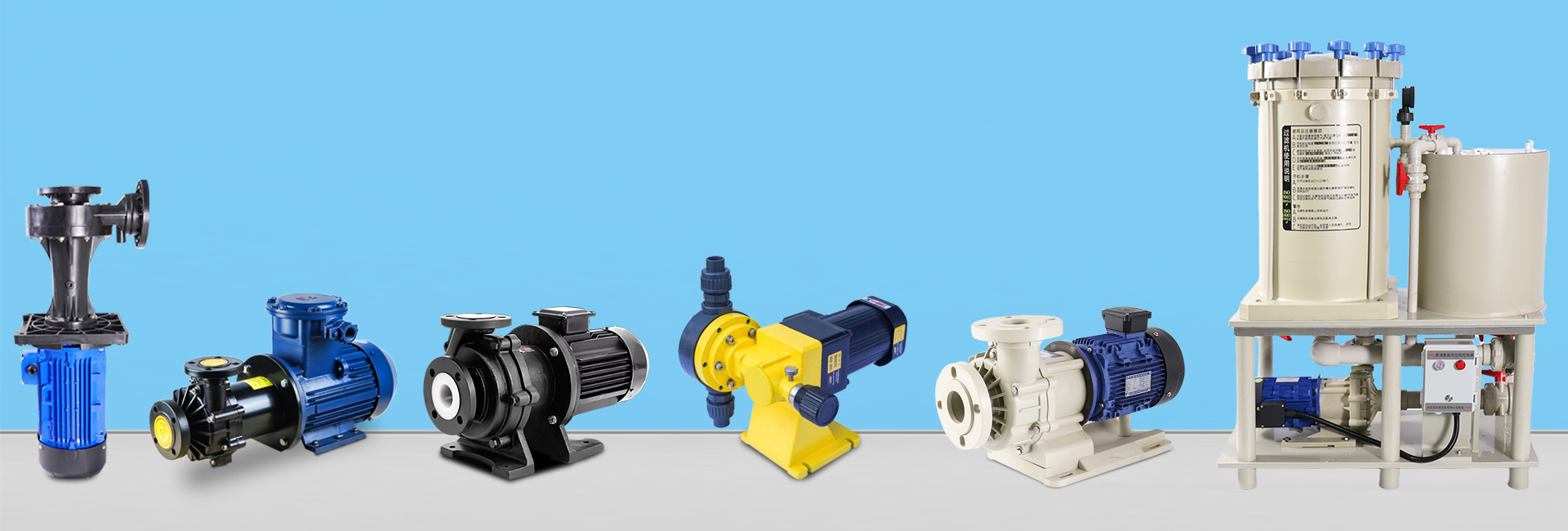
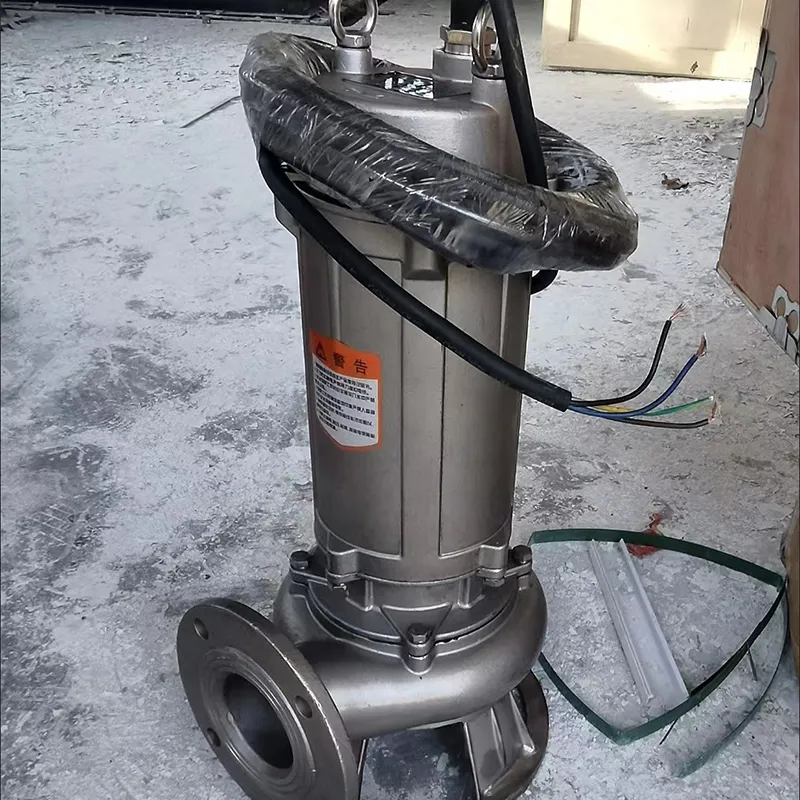
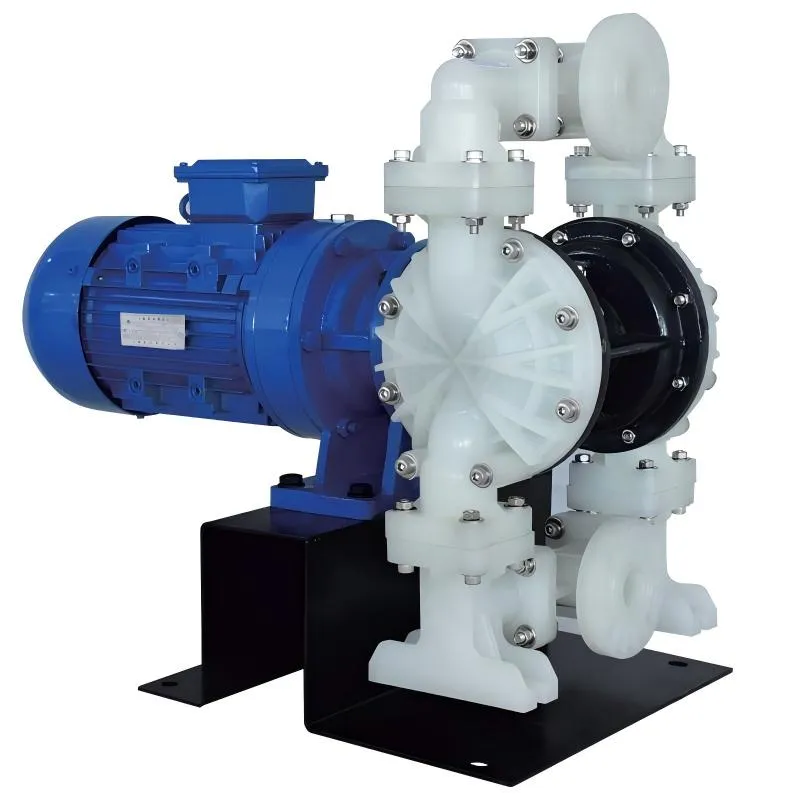

When selecting a chemical pump, one of the most common questions is: Should I use a magnetic drive pump or a pump with a mechanical seal?
The answer depends on the medium, operating conditions, safety requirements, and maintenance expectations.
This guide compares both pump types in detail and helps you make the right choice.

1. Key Difference in One Sentence
-
Magnetic drive pumps use magnetic coupling and have no mechanical seal, offering a near zero-leakage design.
-
Mechanical seal pumps rely on a mechanical seal to prevent leakage, offering higher pressure, temperature resistance, and broader application range.
2. Advantages and Disadvantages
Magnetic Drive Pumps
Advantages
-
Truly seal-less design, minimizing leakage and improving safety.
-
No mechanical seal wear, reducing maintenance needs.
-
Ideal for toxic, corrosive, volatile, or hazardous chemicals.
-
Compact structure and easy to maintain.
Disadvantages
-
Limited in pressure, temperature, and torque, especially in high-duty applications.
-
Not suitable for liquids containing solids, fibers, or abrasive particles.
-
Magnetic components may suffer from heat buildup or demagnetization.
-
Higher initial cost compared to standard mechanical seal pumps.
Mechanical Seal Pumps
Advantages
-
Suitable for higher temperature and higher pressure environments.
-
Wide flow and head range with high efficiency.
-
Better tolerance for liquids with small particles or light solids.
-
Spare parts are common, cost-effective, and easy to replace.
-
Can use single seal, double seal, or API 682 systems for demanding services.
Disadvantages
-
Mechanical seals may leak and require periodic replacement.
-
For toxic or volatile liquids, additional systems are needed (e.g., double seals, flushing or barrier fluid).
-
Requires more attention to installation and maintenance.
3. Selection Criteria (Checklist)
| Condition | Recommended Pump Type |
|---|---|
| Toxic, volatile, hazardous, or environmentally sensitive fluid | Magnetic drive pump or double mechanical seal |
| Strong acids, strong alkalis, solvents | Magnetic drive pump (with appropriate materials) |
| Liquid contains solids/fibers | Mechanical seal pump |
| High temperature (>120–150°C) | Mechanical seal pump |
| High pressure or long-distance transfer | Mechanical seal pump |
| Zero leakage is mandatory | Magnetic drive pump |
| Limited budget | Mechanical seal pump |
| Long-term low maintenance | Case dependent — magnetic drive for hazardous fluids, mechanical seal for general clean fluids |
4. Typical Application Recommendations
-
Magnetic Drive Pump
-
Strongly corrosive chemicals
-
Toxic or volatile media
-
Environmental protection zones
-
Closed-loop systems
-
Laboratory or small-volume transport
-
-
Mechanical Seal Pump
-
High-temperature or high-pressure systems
-
Liquids containing particles
-
Large flow or high head applications
-
General industrial cooling, circulation, and water transfer
-
5. Practical Selection Steps
-
Identify fluid properties: composition, temperature, viscosity, solid content, corrosion level.
-
Define performance: flow, head, pressure, NPSH, working cycles.
-
Evaluate leakage tolerance (safety standards, environmental regulations).
-
Confirm material compatibility (PP, PVDF, stainless steel, Hastelloy, PTFE lining).
-
Compare total lifecycle cost, not just purchase price.
-
Request pump curves, temperature limits, pressure ratings, and seal or magnetic coupling data.
6. Common Misconceptions
-
“Magnetic pumps never fail or leak.”
Magnetic pumps have limits—especially with solids, high temperatures, and high pressure. -
“Mechanical seal pumps leak easily.”
With proper installation and double seals, mechanical pumps can handle hazardous fluids safely. -
“Material is all that matters.”
System conditions (pressure, NPSH, particles, speed) are equally important.
7. Quick Decision Guide
-
Choose a magnetic drive pump if the fluid is corrosive, toxic, volatile, and the operating conditions are within magnetic pump limits.
-
Choose a mechanical seal pump if the fluid contains solids, or the system has high temperature, high pressure, or high head requirements.