
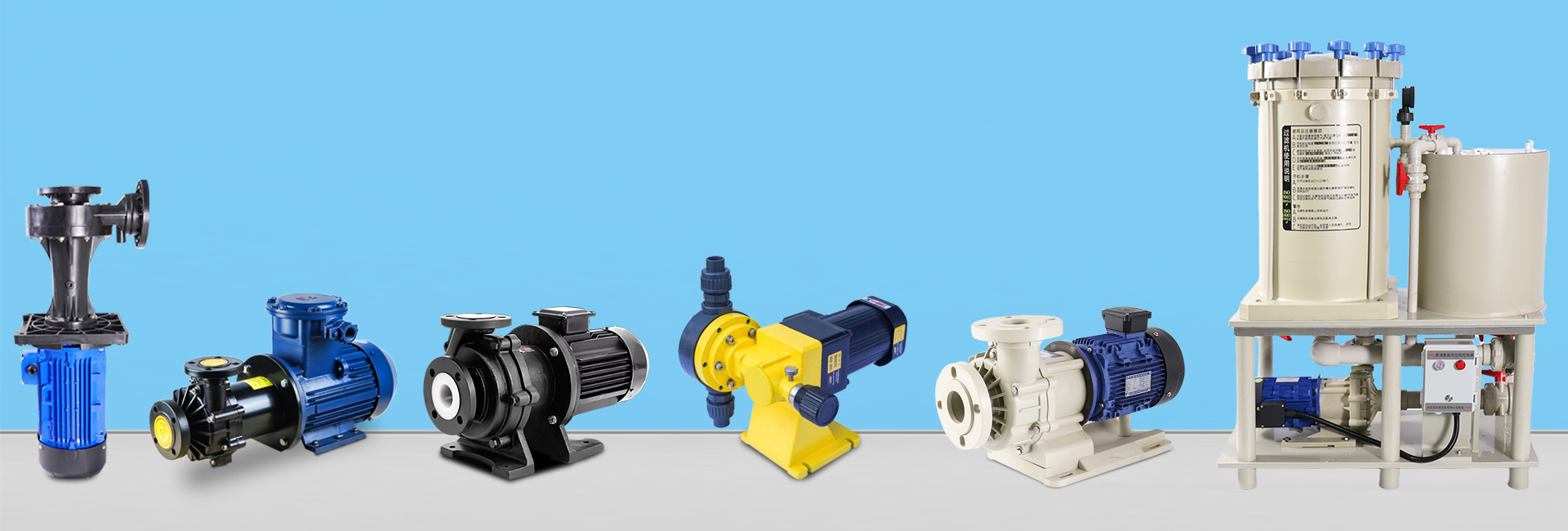
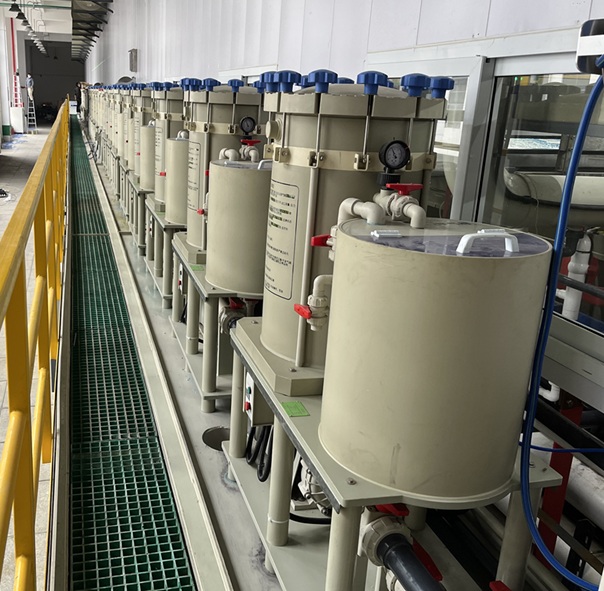
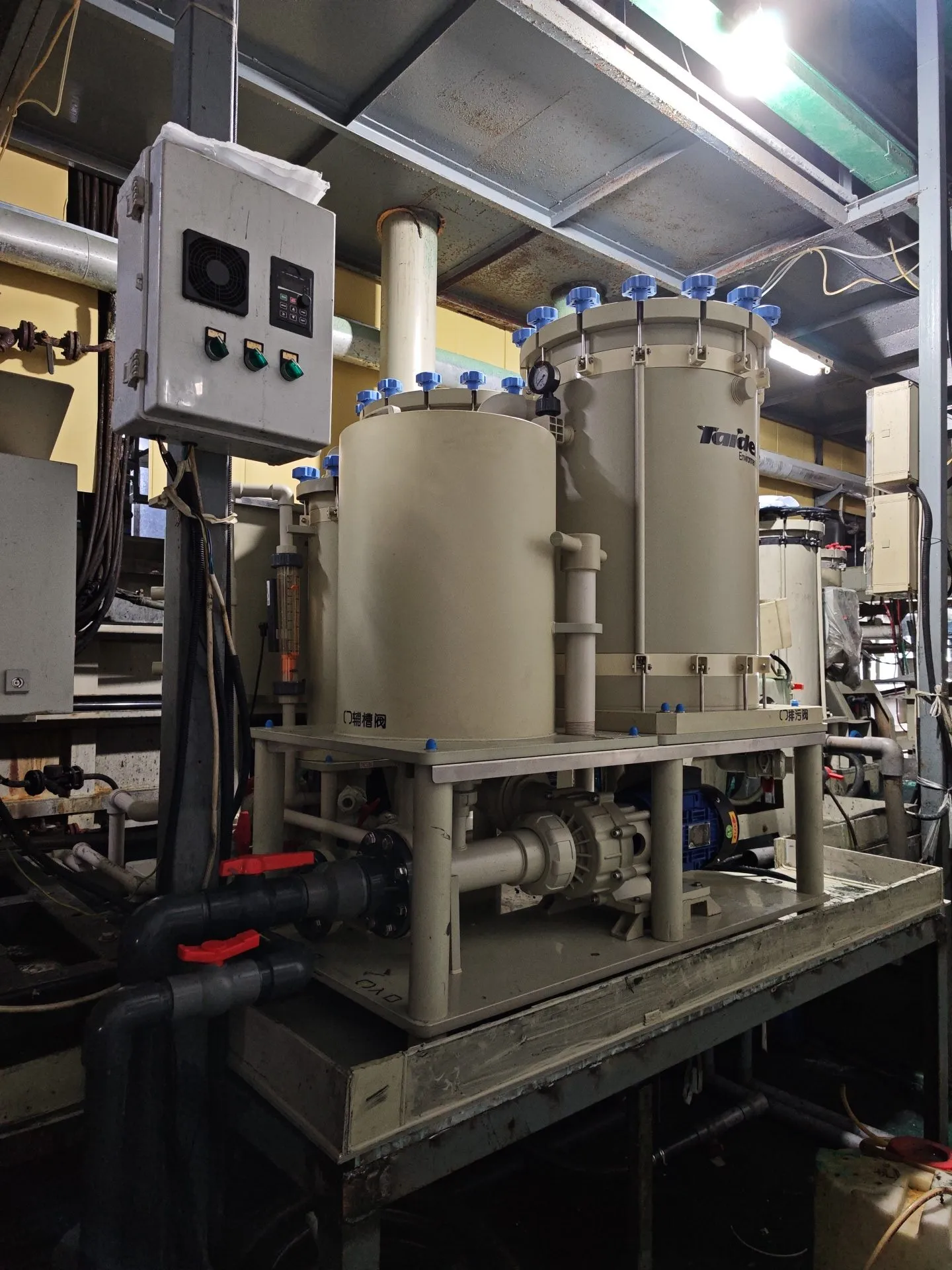
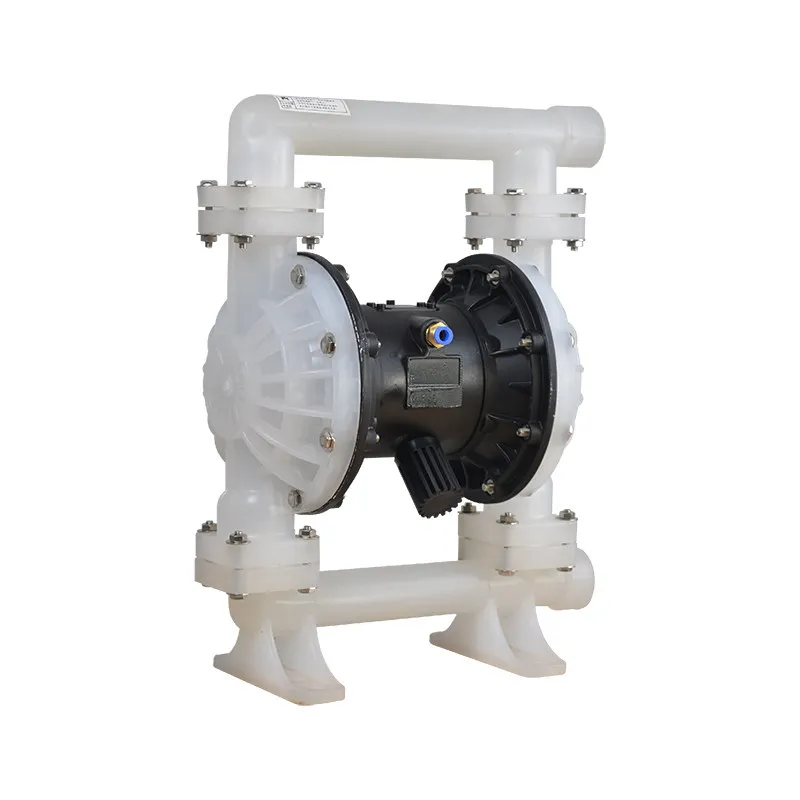
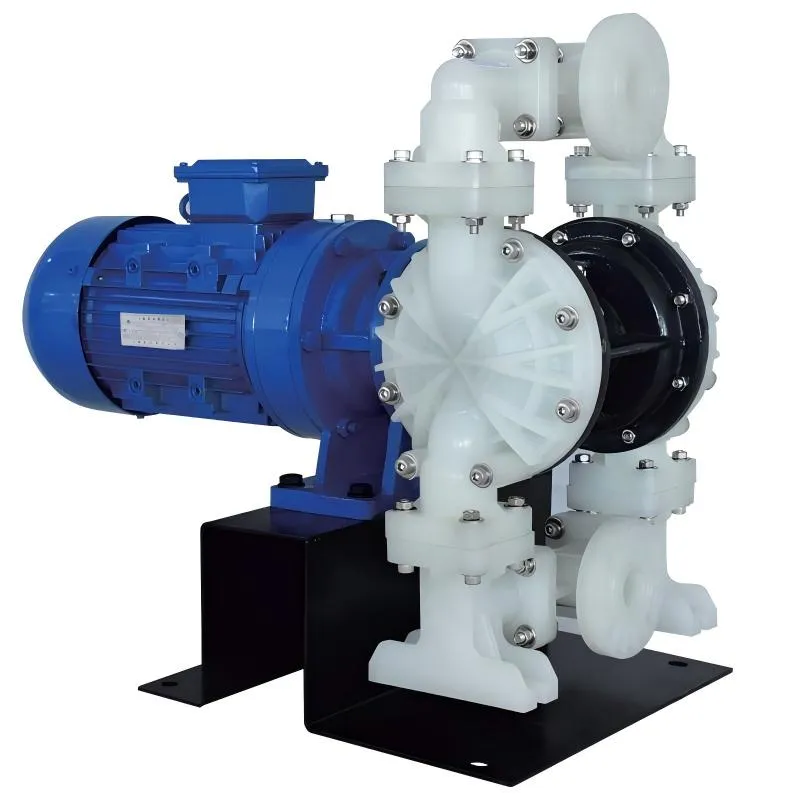


A submersible pump is a type of pump designed to operate while fully or partially submerged in liquid. Unlike conventional surface-mounted pumps, a submersible pump is installed directly inside the liquid and pushes the fluid to the required discharge point.
Because of its compact structure, efficient pumping performance, and ability to handle water and other liquids directly at the source, submersible pumps are widely used in wastewater treatment, drainage, construction, mining, agriculture, industrial processes, municipal water systems, and many other applications.
Choosing the right submersible pump depends on factors such as the liquid type, flow rate, lifting height, solids content, temperature, installation depth, and operating environment.
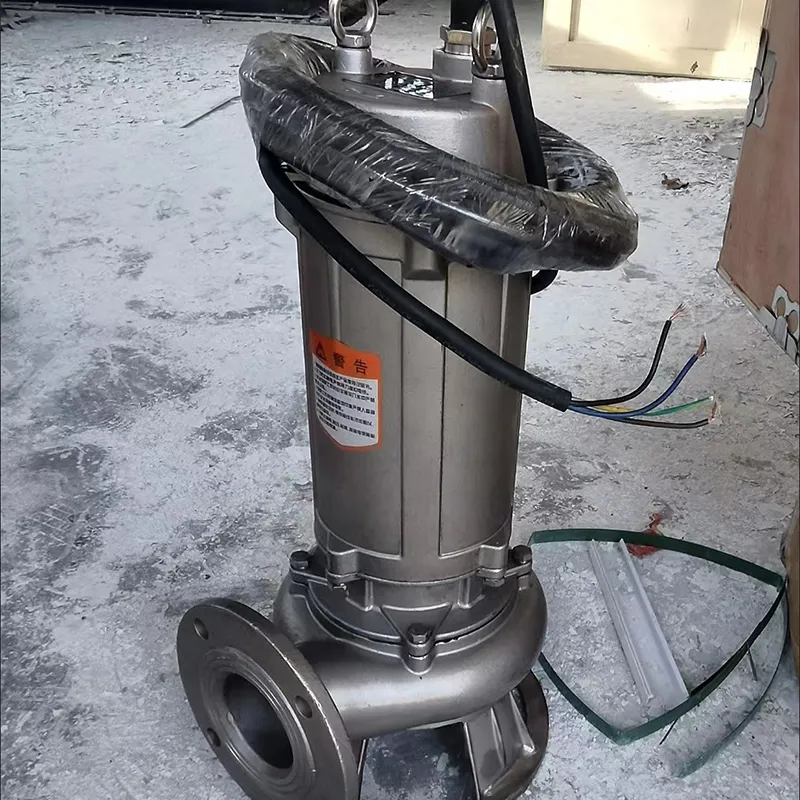
What Are Submersible Pumps Used For?
Submersible pumps are mainly used when liquid needs to be drained, transferred, circulated, or pumped from a low-level location to a higher discharge point.
Common applications include:
- Wastewater pumping
- Sewage drainage
- Construction site dewatering
- Basement and underground drainage
- Agricultural irrigation
- Mining and quarry dewatering
- Municipal drainage systems
- Industrial wastewater transfer
- Water treatment plants
- Stormwater drainage
- Tank and pit drainage
- Flood control
- Sludge and solids-containing liquid transfer
Different applications require different pump configurations. For example, a clean-water drainage application may use a standard submersible water pump, while wastewater containing suspended solids may require a sewage or non-clogging submersible pump.
1. Wastewater Treatment
One of the most common applications for submersible pumps is wastewater treatment.
Wastewater treatment plants need to move water between collection tanks, treatment units, sedimentation tanks, and discharge systems. Because wastewater may contain suspended solids, organic matter, fibers, and other contaminants, pumps used in these systems need to be designed for reliable operation in demanding conditions.
Submersible wastewater pumps can be installed directly in:
- Wastewater collection tanks
- Pumping stations
- Equalization tanks
- Sewage pits
- Drainage wells
- Treatment facilities
For wastewater containing solids, a pump with a suitable impeller design and adequate solids-passing capability can help reduce clogging problems.
2. Sewage Pumping
Submersible sewage pumps are widely used in residential, commercial, and municipal sewage systems.
They are commonly installed in sewage pits or underground pumping stations where gravity drainage alone cannot move wastewater to the next treatment or collection point.
Typical applications include:
- Municipal sewage systems
- Residential sewage pumping
- Commercial buildings
- Hotels
- Hospitals
- Industrial facilities
- Sewage lift stations
For sewage applications, pump selection should consider the size and type of solids in the liquid. Non-clogging impellers, vortex impellers, or cutting mechanisms may be selected depending on the wastewater characteristics.
3. Construction Site Dewatering
Construction sites frequently accumulate groundwater, rainwater, and excavation water.
A submersible dewatering pump can be placed directly into an excavation pit, foundation pit, drainage trench, or temporary collection area to remove accumulated water.
Common construction applications include:
- Foundation excavation
- Basement construction
- Tunnels
- Drainage trenches
- Underground construction
- Building sites
- Road and bridge projects
Compared with surface-mounted pumping equipment, a submersible pump can be installed directly at the lowest point of the excavation, making it particularly useful when water collects below ground level.
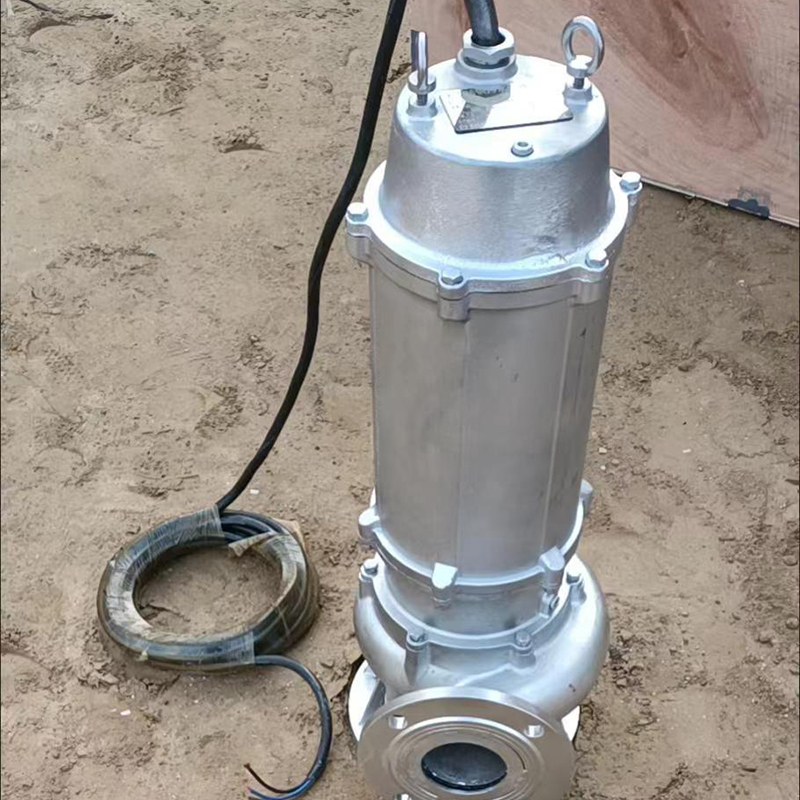
4. Basement and Underground Drainage
Basements, underground parking garages, utility rooms, and other below-ground spaces may be exposed to groundwater or accidental water accumulation.
Submersible drainage pumps are commonly used in:
- Basement drainage pits
- Underground parking garages
- Elevator pits
- Utility rooms
- Stormwater collection pits
- Underground facilities
Automatic float switches or level sensors can be integrated into some pumping systems so that the pump starts when the water level reaches a predetermined level and stops when the water is sufficiently reduced.
5. Agricultural Irrigation
Submersible pumps can also be used for agricultural water transfer and irrigation.
Depending on the water source, a submersible pump may be installed in:
- Wells
- Reservoirs
- Irrigation ponds
- Water storage tanks
- Collection pits
The pump transfers water to irrigation pipelines, sprinkler systems, drip irrigation systems, or storage tanks.
For agricultural applications, important selection factors include flow rate, head, water quality, installation depth, power supply, and required operating time.
6. Mining and Quarry Dewatering
Mining operations often require continuous removal of groundwater and accumulated process water.
Submersible pumps are used in mining and quarry applications because they can operate directly in water collection areas.
Typical applications include:
- Mine shaft drainage
- Open-pit mine dewatering
- Quarry drainage
- Underground mine drainage
- Excavation dewatering
- Process water transfer
Mining environments can be particularly demanding because the pumped liquid may contain abrasive particles such as sand, rock fragments, and mineral solids.
For these applications, pump materials, impeller design, wear resistance, motor protection, and solids-handling capability are important considerations.
7. Municipal Drainage and Flood Control
Municipal authorities use submersible pumps in drainage systems to manage stormwater and wastewater.
During heavy rainfall, water can accumulate in low-lying areas, tunnels, underground facilities, and drainage channels.
Submersible drainage pumps can be used in:
- Stormwater pumping stations
- Urban drainage systems
- Flood control facilities
- Underground tunnels
- Low-lying roads
- Municipal pumping stations
Large-capacity submersible pumps can provide high flow rates for moving significant volumes of water during heavy rainfall or flooding events.
8. Industrial Wastewater Transfer
Many industrial facilities generate wastewater during manufacturing and cleaning processes.
Submersible pumps can be used to transfer wastewater from collection pits and tanks to treatment systems or other process units.
Industries that may use submersible pumps include:
- Chemical processing
- Metal processing
- Electroplating
- Food processing
- Paper manufacturing
- Textile production
- Mining
- Environmental protection
However, industrial wastewater can have highly different chemical and physical properties. If the liquid is corrosive, contains high concentrations of chemicals, or has elevated temperatures, the pump material and construction must be selected according to the actual operating conditions.
9. Water Storage Tank and Pit Transfer
Submersible pumps can also be used to transfer water from tanks, reservoirs, sumps, and collection pits.
Typical applications include:
- Water storage tanks
- Collection tanks
- Industrial sumps
- Process water tanks
- Drainage pits
- Reservoirs
Installing the pump directly inside the tank or pit can simplify the piping arrangement and reduce the need for external suction piping.
10. Flooded Areas and Emergency Drainage
During floods or unexpected water accumulation, portable submersible pumps can provide rapid drainage.
They can be deployed in:
- Flooded basements
- Garages
- Construction sites
- Warehouses
- Underground facilities
- Roads and low-lying areas
For emergency drainage, portability, pump capacity, power supply, and ease of installation are particularly important.
How to Choose a Submersible Pump for Different Applications?
Different pumping conditions require different pump designs. Before selecting a submersible pump, buyers should evaluate several key parameters.
1. Liquid Type
Determine whether the pump will handle:
- Clean water
- Wastewater
- Sewage
- Muddy water
- Sludge
- Industrial wastewater
- Liquids containing solids
The liquid characteristics directly affect the impeller design and pump material.
2. Flow Rate
Flow rate indicates how much liquid the pump needs to move within a specific period.
It is normally expressed as:
m³/h, L/min, or GPM
A pump should provide sufficient flow for the required drainage or transfer process.
3. Pump Head
Pump head represents the vertical distance and pressure requirements that the pump needs to overcome.
When selecting a pump, the required discharge height and pipeline resistance should both be considered.
4. Solids Content
Wastewater and sewage may contain suspended solids.
If the liquid contains large particles, fibers, or debris, the pump should have an appropriate solids-passing capability and impeller configuration.
5. Material
Material selection depends heavily on the liquid being pumped.
Common pump materials include:
- Cast iron
- Stainless steel
- Engineering plastics
- Other corrosion-resistant materials
For corrosive industrial liquids, material compatibility should be evaluated based on the actual chemical composition and operating temperature.
6. Motor Protection
Because the motor operates in or near liquid, submersible pumps require appropriate electrical and mechanical protection.
Depending on the application, features may include:
- Waterproof motor housing
- Mechanical seal protection
- Thermal overload protection
- Leakage detection
- Automatic level control
Submersible Pump vs. Surface Pump
The main difference is the installation position.
| Feature | Submersible Pump | Surface Pump |
|---|---|---|
| Installation | Inside the liquid | Outside the liquid |
| Suction piping | Usually minimized | Usually required |
| Noise | Generally lower | Generally higher |
| Space requirement | Compact | Requires external installation space |
| Flooded areas | Suitable | Less convenient |
| Deep pits | Well suited | May require additional suction arrangement |
| Wastewater drainage | Common application | Application dependent |
For drainage pits, sewage tanks, construction sites, and other locations where the pump needs to work directly inside the liquid, a submersible pump can simplify the pumping system.
What Industries Use Submersible Pumps?
Submersible pumps are used across many industries because their installation method allows liquid to be pumped directly from tanks, pits, wells, and underground collection areas.
Major industries include:
Municipal Engineering – sewage, stormwater, and drainage pumping.
Construction – foundation and excavation dewatering.
Mining – mine and quarry dewatering.
Agriculture – irrigation and water transfer.
Environmental Protection – wastewater collection and treatment.
Industrial Manufacturing – wastewater and process liquid transfer.
Commercial Buildings – basement, parking garage, and sewage drainage.
Conclusion
Submersible pumps are widely used for water drainage, wastewater pumping, sewage transfer, dewatering, irrigation, mining, industrial wastewater treatment, and municipal drainage.
Their ability to operate directly inside the pumped liquid makes them particularly suitable for applications involving pits, tanks, wells, underground spaces, and low-level drainage points.
However, selecting the right submersible pump requires more than simply choosing a pump based on flow rate. Liquid type, solids content, pump head, flow rate, installation depth, temperature, material compatibility, motor protection, and operating conditions should all be considered.