
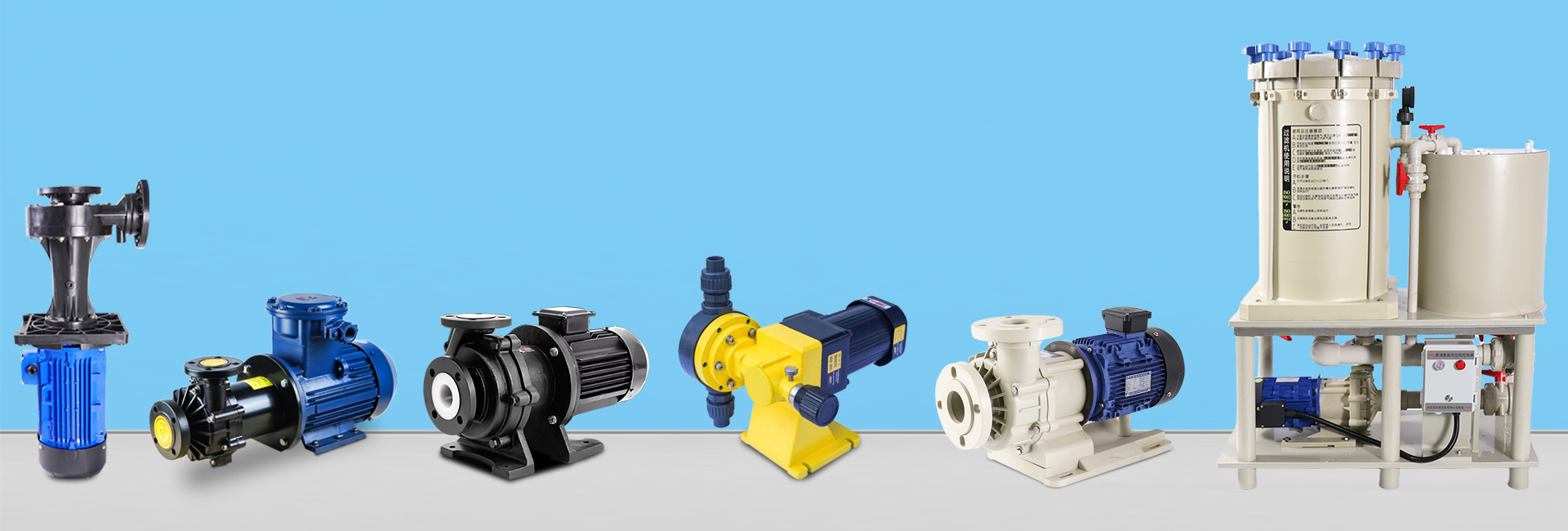
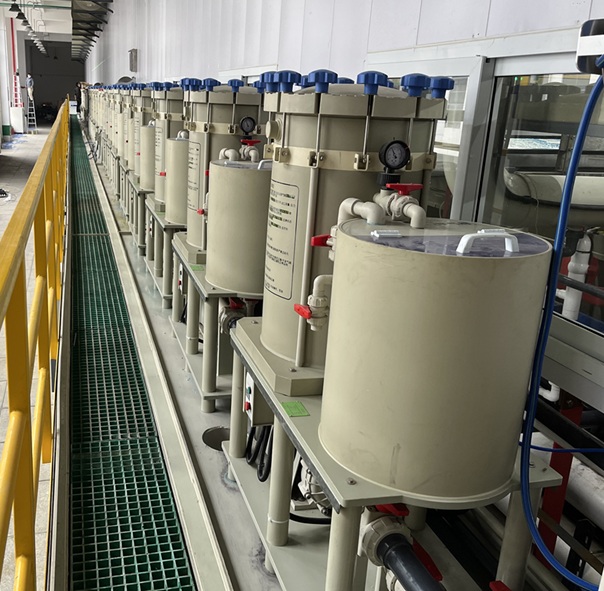
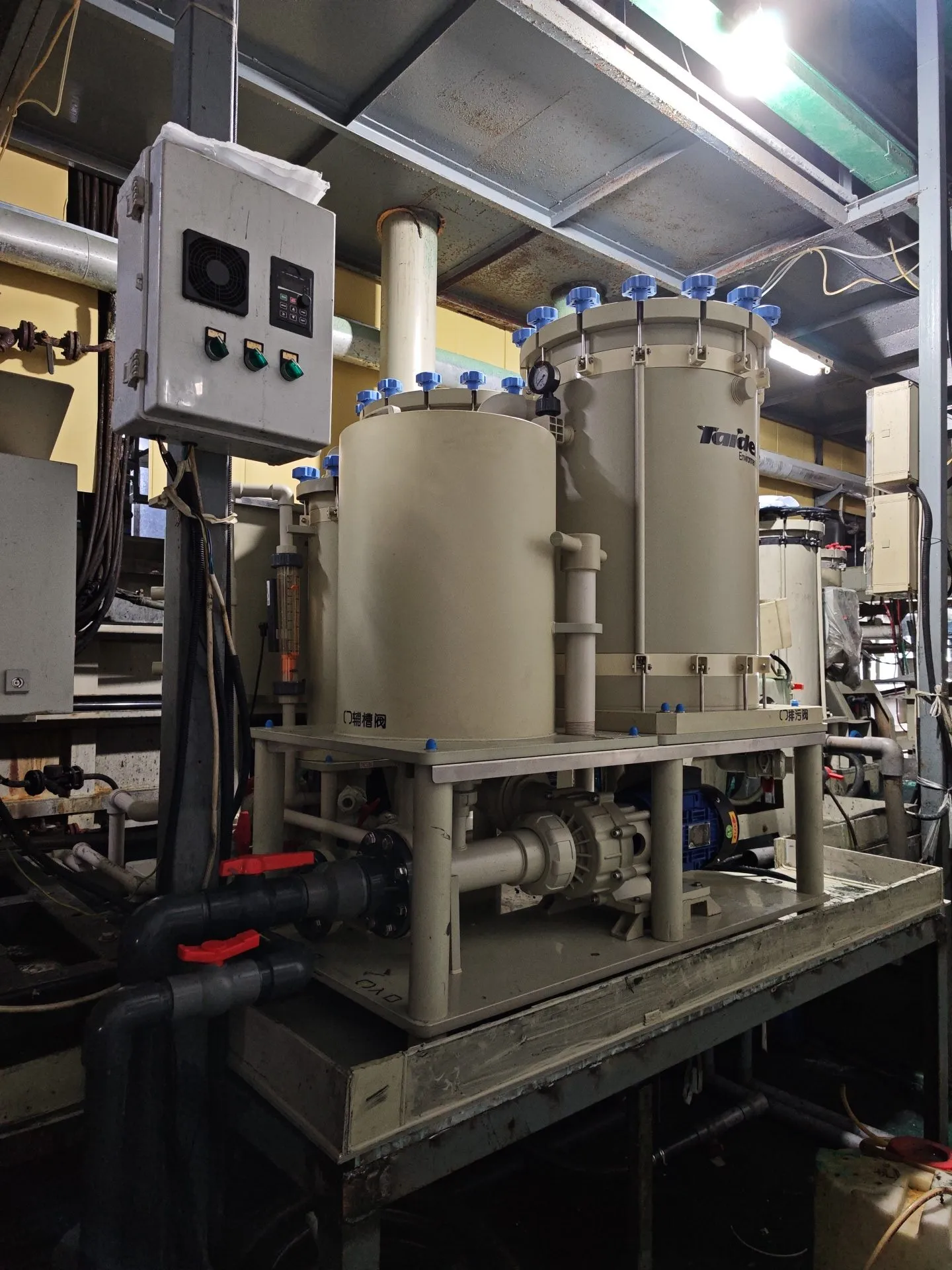
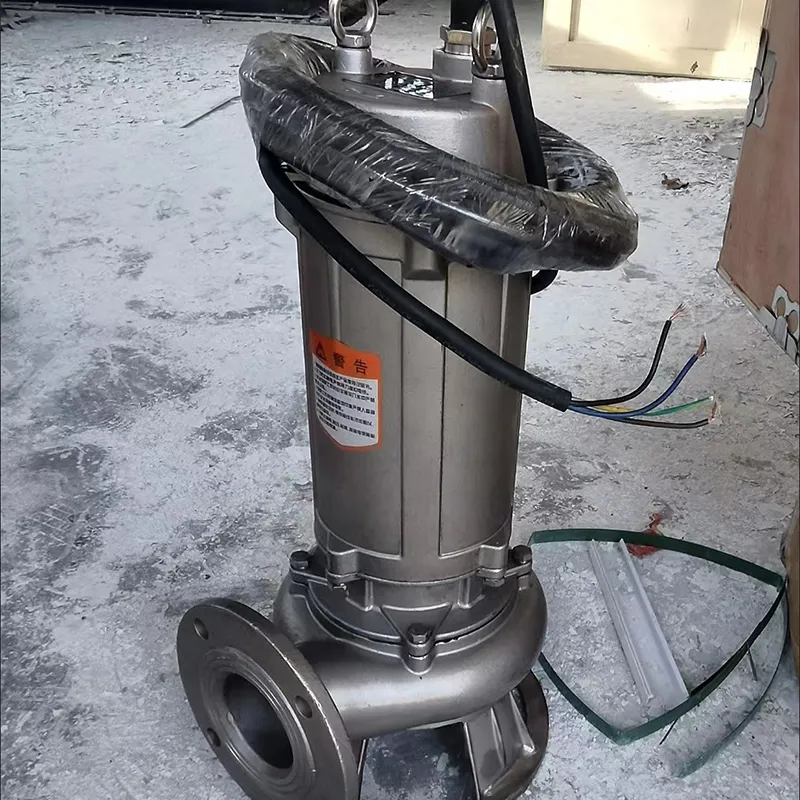
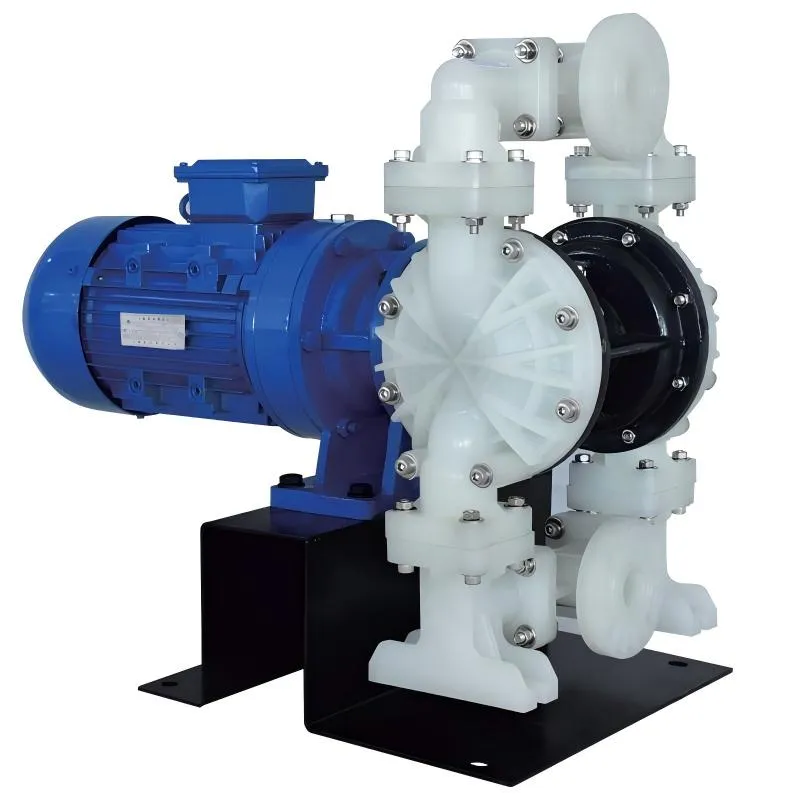


Diaphragm pumps are widely used for transferring chemicals, wastewater, corrosive liquids, industrial fluids, and other challenging media. Among the most common types are pneumatic diaphragm pumps and electric diaphragm pumps.
Although both pumps use a diaphragm to move liquid through a positive displacement pumping process, their power sources, operating characteristics, energy requirements, and suitable applications are different.
Understanding the difference between a pneumatic diaphragm pump and an electric diaphragm pump can help engineers, equipment manufacturers, and industrial buyers select the right pump for their specific operating conditions.
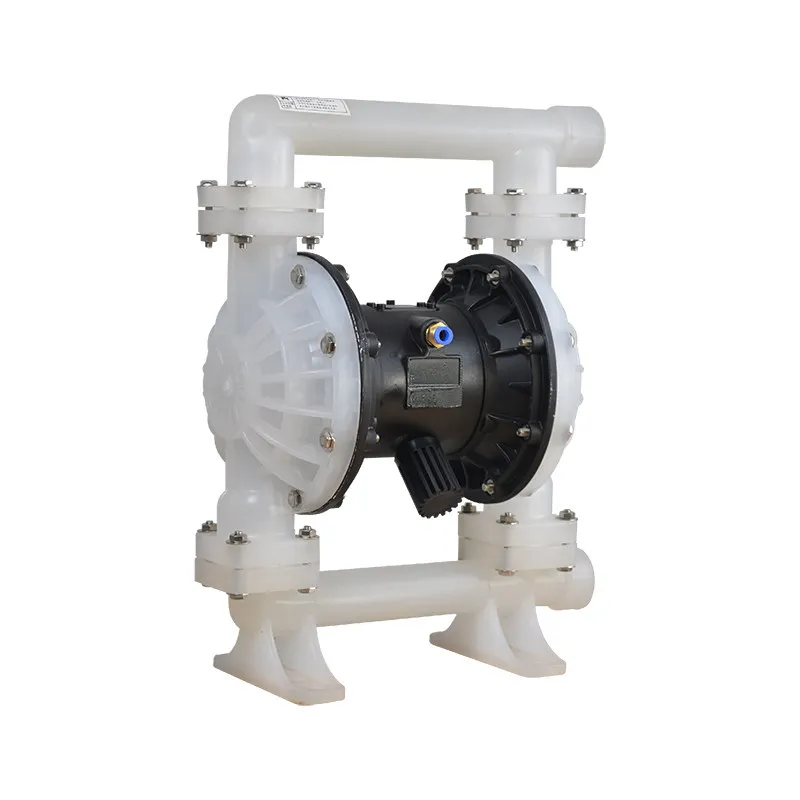
What Is a Pneumatic Diaphragm Pump?
A pneumatic diaphragm pump, also known as an air-operated double diaphragm pump (AODD pump), uses compressed air as its power source.
The compressed air alternately drives two diaphragms through an air distribution system. As the diaphragms move back and forth, the volume inside the pump chambers changes, creating suction and discharge cycles that transfer the liquid.
Because the pump is powered by compressed air rather than a conventional electric motor, pneumatic diaphragm pumps are commonly used in chemical processing, electroplating, wastewater treatment, and other industrial environments.
Common wetted materials include:
- PP
- PVDF
- PTFE
- Aluminum alloy
- Stainless steel
The appropriate material depends on the chemical properties, concentration, temperature, and other characteristics of the pumped liquid.
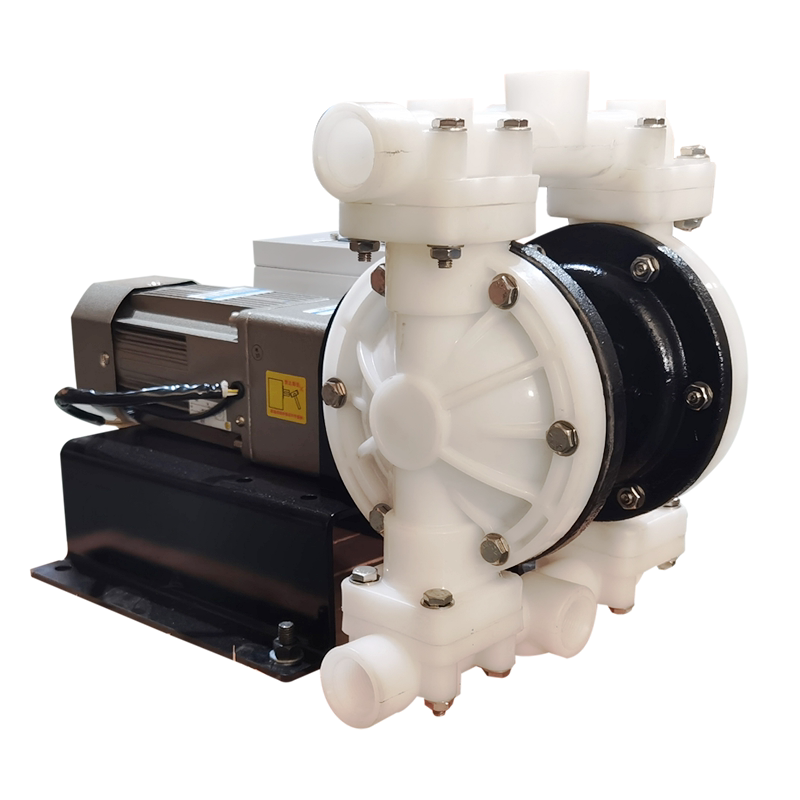
What Is an Electric Diaphragm Pump?
An electric diaphragm pump uses an electric motor to drive a mechanical mechanism that moves the diaphragm back and forth.
The reciprocating movement of the diaphragm creates alternating suction and discharge strokes, allowing the pump to transfer liquid without relying on compressed air.
Electric diaphragm pumps are often used in industrial systems where electrical power is readily available and a dedicated compressed-air system is not required.
Depending on the pump design, electric diaphragm pumps can be manufactured with materials such as PP, PVDF, aluminum alloy, and stainless steel.
Pneumatic Diaphragm Pump vs Electric Diaphragm Pump
The most important difference is the power source.
A pneumatic diaphragm pump uses compressed air, while an electric diaphragm pump uses an electric motor.
| Feature | Pneumatic Diaphragm Pump | Electric Diaphragm Pump |
|---|---|---|
| Power source | Compressed air | Electric motor |
| Electric motor | Not required for pump drive | Required |
| Compressed air | Required | Not required |
| Flow adjustment | Air pressure and air volume | Motor speed or control system |
| Automation | Possible | Generally convenient |
| Operating environment | Suitable for many demanding environments | Suitable where electrical power is available |
| Continuous operation | Suitable with proper air supply | Suitable with proper motor and pump configuration |
| Typical industries | Chemical, electroplating, wastewater | Chemical, environmental, industrial equipment |
| Main consideration | Compressed-air availability and consumption | Electrical power and motor configuration |
Neither pump type is universally suitable for every application. The correct choice depends on the liquid, required flow rate, discharge pressure, operating environment, duty cycle, and available power source.
How Does a Pneumatic Diaphragm Pump Work?
A pneumatic diaphragm pump generally contains two pumping chambers separated by diaphragms.
During operation:
- Compressed air enters one side of the air chamber.
- The air pressure moves the diaphragm.
- The diaphragm creates suction in one liquid chamber.
- Liquid enters through the inlet valve.
- At the same time, liquid is discharged from the opposite chamber.
- The air distribution system switches the air supply.
- The two diaphragms reverse their movement.
- The pumping cycle continues.
This reciprocating operation allows the pump to transfer liquids without a conventional rotating shaft seal in the liquid path.
This characteristic makes pneumatic diaphragm pumps useful for many corrosive and difficult-to-handle liquids.
How Does an Electric Diaphragm Pump Work?
An electric diaphragm pump uses an electric motor as its primary power source.
The motor drives a mechanical transmission mechanism, which converts rotational movement into reciprocating diaphragm movement.
The pumping cycle can be summarized as:
Electric Motor → Mechanical Drive → Diaphragm Movement → Suction → Discharge
As the diaphragm moves away from the pump chamber, negative pressure is generated and liquid enters the chamber.
When the diaphragm moves in the opposite direction, pressure increases and the liquid is pushed toward the discharge outlet.
The pump therefore provides a controlled positive displacement flow.
Main Applications of Pneumatic Diaphragm Pumps
1. Chemical Processing
Chemical plants often need to transfer acids, alkalis, solvents, additives, and corrosive industrial liquids.
Pneumatic diaphragm pumps can be used for:
- Chemical liquid transfer
- Acid transfer
- Alkali transfer
- Chemical raw material transfer
- Corrosive liquid handling
- Industrial waste liquid transfer
PP, PVDF, and PTFE materials can be selected for different chemical compatibility requirements.
2. Electroplating
Electroplating systems use various acidic, alkaline, and chemical solutions.
A pneumatic diaphragm pump may be used for:
- Plating solution transfer
- Acid cleaning solution transfer
- Alkaline solution transfer
- Chemical additive transfer
- Electroplating wastewater transfer
- Chemical circulation systems
For corrosive electroplating chemicals, the pump material should be selected according to the specific chemical composition and operating temperature.
3. Wastewater Treatment
Pneumatic diaphragm pumps can also be used for industrial wastewater and other challenging fluids.
Typical applications include:
- Industrial wastewater transfer
- Chemical wastewater
- Electroplating wastewater
- Sludge transfer
- Liquid containing suspended solids
- Industrial waste liquid handling
The positive displacement operating principle allows diaphragm pumps to handle a variety of liquids that may be unsuitable for some conventional centrifugal pumps.
4. Flammable and Hazardous Environments
Some chemical and industrial facilities have areas where flammable vapors or gases may be present.
Because a pneumatic diaphragm pump uses compressed air rather than an electric motor as its direct driving source, it can be considered for certain applications where minimizing electrical equipment at the pump is desirable.
However, the complete installation must still comply with the applicable explosion-protection requirements and hazardous-area classification. The pump itself should not be considered automatically explosion-proof simply because it is air-operated.
Main Applications of Electric Diaphragm Pumps
1. Industrial Chemical Transfer
Electric diaphragm pumps can be used to transfer a wide range of industrial liquids, including:
- Chemical solutions
- Corrosive liquids
- Industrial additives
- Cleaning liquids
- Chemical raw materials
- Industrial wastewater
They are particularly useful where reliable electrical power is available but compressed air is not.
2. Industrial Equipment
Electric diaphragm pumps can be integrated into different types of industrial equipment, including:
- Chemical processing equipment
- Water treatment systems
- Filtration systems
- Electroplating equipment
- Cleaning equipment
- Liquid circulation systems
Their electric drive also makes them suitable for integration with industrial control systems, depending on the pump design.
3. Continuous Liquid Transfer
Electric diaphragm pumps can be used in systems requiring stable liquid transfer over extended operating periods.
For example:
Storage Tank → Electric Diaphragm Pump → Filter → Processing Equipment
The pump can be selected according to the required flow rate, discharge pressure, liquid properties, and operating conditions.
When Should You Choose a Pneumatic Diaphragm Pump?
A pneumatic diaphragm pump may be suitable when the application has one or more of the following requirements:
- A compressed-air system is already available
- The pump needs frequent starting and stopping
- The liquid is corrosive or difficult to handle
- The installation environment has demanding operating conditions
- The application requires flexible flow adjustment
- Electrical drive equipment needs to be minimized at the pump location
However, compressed-air consumption should be considered when evaluating the total operating cost.
When Should You Choose an Electric Diaphragm Pump?
An electric diaphragm pump may be suitable when:
- Reliable electrical power is available
- There is no compressed-air system
- The pump needs to operate for extended periods
- The system requires integration with electrical controls
- The equipment needs to minimize compressed-air consumption
- Stable liquid transfer is required
For automated industrial equipment, the electric drive can also make integration with motor control and other electrical components more convenient, depending on the pump design.
PP vs PVDF vs Stainless Steel Diaphragm Pumps
Choosing the drive type is only one part of diaphragm pump selection. The wetted material is equally important.
PP Diaphragm Pump
Polypropylene (PP) provides good resistance to many acids and alkaline solutions.
PP diaphragm pumps are commonly considered for:
- Chemical solutions
- Acid and alkali liquids
- Industrial wastewater
- Electroplating applications
The exact chemical compatibility should always be confirmed before selection.
PVDF Diaphragm Pump
PVDF offers excellent chemical resistance and is commonly selected for more demanding corrosive liquid applications.
Typical applications include:
- Aggressive chemical liquids
- Electroplating chemicals
- Chemical processing
- High-purity industrial liquids
The actual suitability depends on the chemical, concentration, temperature, and operating conditions.
Stainless Steel Diaphragm Pump
Stainless steel provides good mechanical strength and can be suitable for specific industrial liquids and applications where a metal pump body is preferred.
Material selection should consider corrosion resistance, temperature, liquid composition, and other operating requirements.
Aluminum Alloy Diaphragm Pump
Aluminum alloy pump bodies can provide a relatively lightweight construction and are used in various industrial liquid-transfer applications.
As with all pump materials, compatibility with the pumped medium should be verified before installation.
How to Choose the Right Diaphragm Pump
Selecting a diaphragm pump should start with the actual operating conditions rather than simply choosing between pneumatic and electric drive.
Step 1: Identify the Pumped Liquid
Determine:
- Chemical composition
- Concentration
- Temperature
- Viscosity
- Solid content
- Corrosiveness
These factors directly affect the selection of the pump body, diaphragm, valves, and other wetted components.
Step 2: Determine Flow Rate
Determine the required flow rate, usually expressed in L/min, m³/h, or GPM.
The selected pump should provide the required flow under the actual operating pressure rather than only at free-flow conditions.
Step 3: Determine Discharge Pressure
The pump must be capable of delivering the required flow against the actual system pressure.
Pipe length, elevation, valves, filters, and other equipment can all affect the required discharge pressure.
Step 4: Check the Available Power Source
If compressed air is readily available, a pneumatic diaphragm pump may be considered.
If electrical power is available but compressed air is not, an electric diaphragm pump may be more convenient.
Step 5: Select the Pump Material
Choose PP, PVDF, PTFE, stainless steel, aluminum alloy, or another suitable material according to chemical compatibility and operating conditions.
Step 6: Consider the Operating Environment
For hazardous areas, confirm the applicable safety and explosion-protection requirements before selecting the pump and motor configuration.
Frequently Asked Questions About Diaphragm Pumps
What is the main difference between pneumatic and electric diaphragm pumps?
The primary difference is the power source. A pneumatic diaphragm pump uses compressed air, while an electric diaphragm pump uses an electric motor.
Are pneumatic diaphragm pumps suitable for corrosive chemicals?
Yes. When appropriate wetted materials such as PP, PVDF, or PTFE are selected, pneumatic diaphragm pumps can be used for many corrosive chemical liquids.
Are electric diaphragm pumps suitable for chemical applications?
Yes. Electric diaphragm pumps can be used for many chemical-transfer applications when the pump materials are compatible with the pumped medium.
Which is more energy efficient, pneumatic or electric diaphragm pumps?
Energy efficiency depends on the complete system. A pneumatic pump consumes compressed air, while an electric pump consumes electricity. When comparing operating costs, the efficiency of the air compressor, motor, pump operating point, duty cycle, and system conditions should all be considered.
Can diaphragm pumps handle liquids containing particles?
Some diaphragm pump designs can handle liquids containing suspended solids. The allowable particle size and concentration depend on the pump design, valve configuration, diaphragm material, and manufacturer specifications.
Can a diaphragm pump run dry?
Some diaphragm pumps are designed to tolerate dry running better than conventional sealed pumps, but the allowable dry-running conditions vary by pump design. Always check the manufacturer’s specifications before intentionally operating a pump without liquid.
Pneumatic Diaphragm Pump vs Electric Diaphragm Pump: Final Comparison
Both pneumatic and electric diaphragm pumps have important roles in industrial liquid transfer.
A pneumatic diaphragm pump uses compressed air and can be particularly useful for chemical processing, electroplating, wastewater treatment, and demanding industrial environments where compressed air is available.
An electric diaphragm pump uses an electric motor and can be a practical choice for industrial equipment, chemical transfer, wastewater systems, and continuous liquid-transfer applications where electrical power is readily available.
The correct pump should ultimately be selected according to flow rate, discharge pressure, liquid properties, temperature, viscosity, solid content, material compatibility, operating environment, duty cycle, and available power source.
Rather than selecting a pump based only on whether it is pneumatic or electric, engineers and buyers should evaluate the complete operating conditions to ensure reliable performance, service life, and safe operation.