
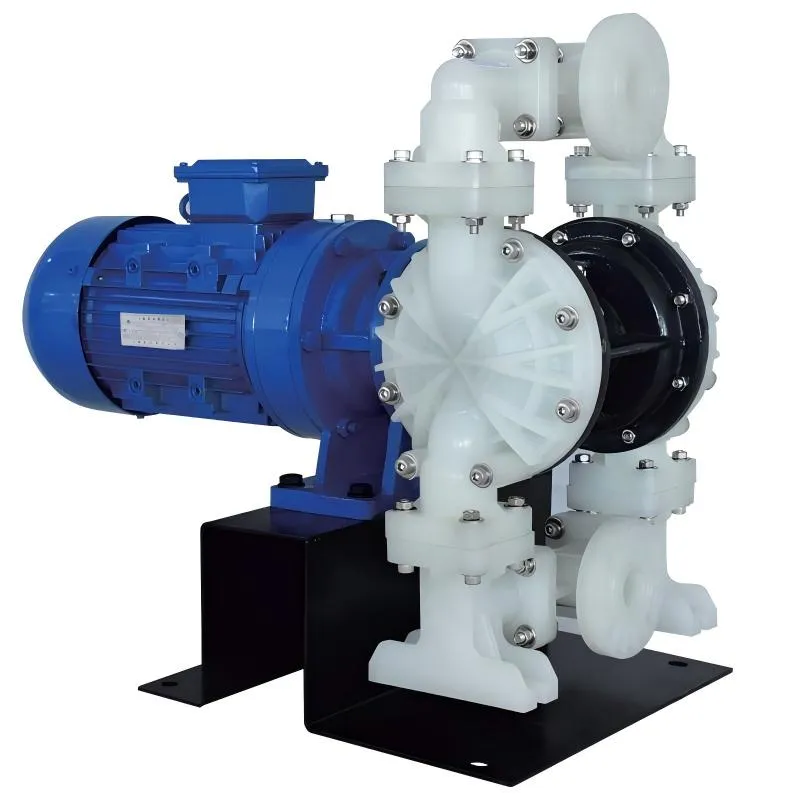


In precision surface finishing, chemical processing, and electronics manufacturing, maintaining the purity of electroplating solutions is critical. Contaminants such as suspended solids, anode slime, organic impurities, and airborne dust directly compromise plating quality, leading to defects like pitting, roughness, poor adhesion, and dark spots.
Electroplating filter machines (also known as plating bath filtration systems) serve as the primary defensive equipment to continuously purge impurities and stabilize bath chemistry.
This comprehensive guide explores the primary application scenarios of electroplating filters, key filtration technologies, and how to select the right filtration system for your industrial applications.
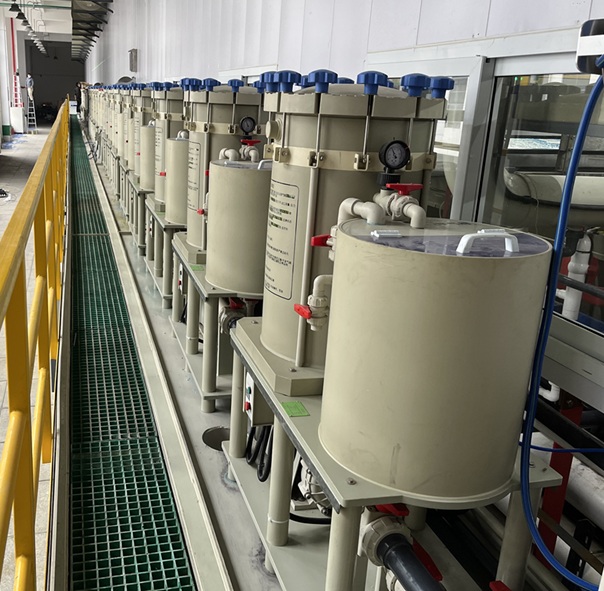
What is an Electroplating Filter Machine?
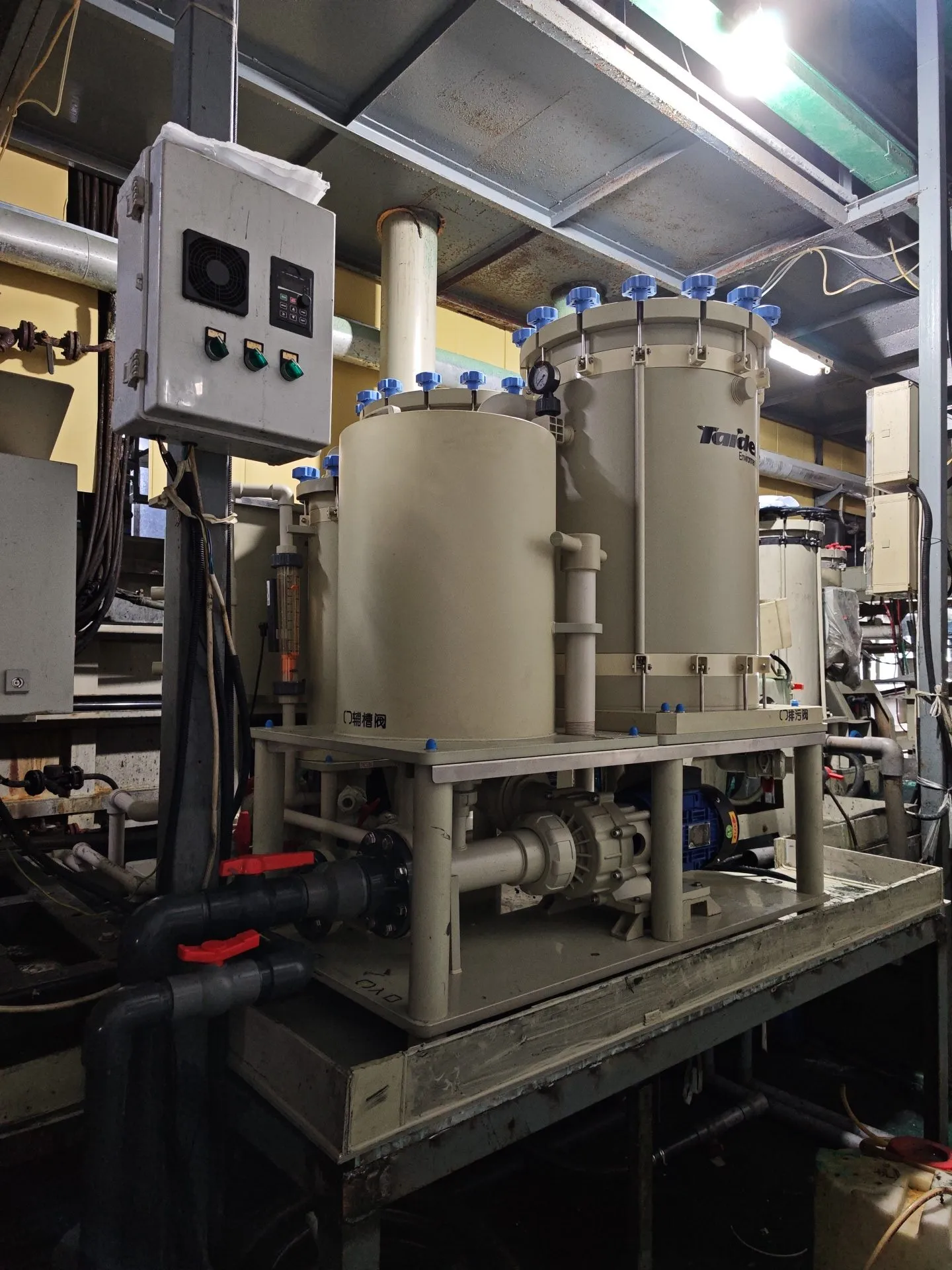
An electroplating filter is an acid and alkali-resistant circulation system designed to remove solid particles, chemical precipitates, and organic contaminants from plating baths and corrosive chemical solutions.
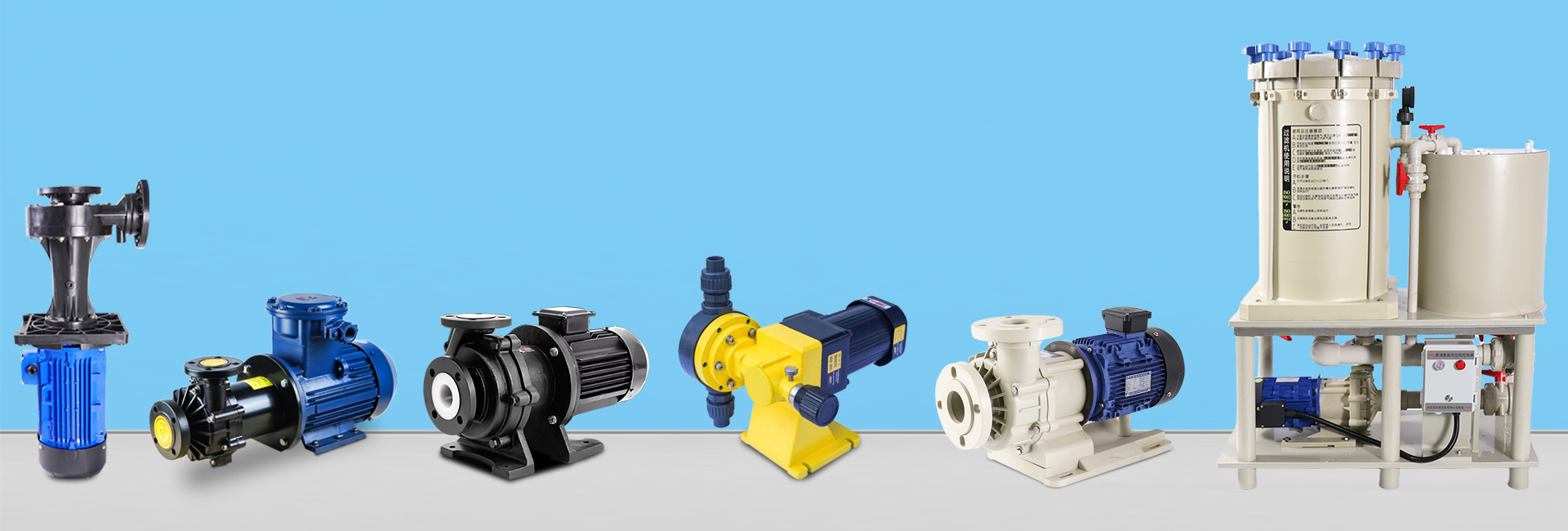
Equipped with chemical-resistant magnetic pumps or vertical seal-less pumps, these machines continuously circulate bath liquid through specialized filter media (such as filter cartridges, paper, discs, or activated carbon) to preserve solution integrity and extend bath longevity.
Key Application Scenarios for Electroplating Filters
Electroplating filter systems are utilized across a broad array of manufacturing industries where chemical bath purity dictates product performance and visual finish.
1. General Metal Surface Finishing & Electroplating
- Copper, Nickel, and Chrome Plating: Prevents anode sludge and micro-particles from settling onto the workpiece, eliminating rough edges, burrs, and pinholes.
- Zinc and Tin Plating: Filters continuous high-volume continuous lines to maintain consistent coating thickness and corrosion resistance.
- Precious Metal Plating (Gold, Silver, Palladium): Requires high-precision cartridge filtration to recover micro-particles and protect expensive metal solutions against degradation.
- Electroless Nickel Plating (ENP): Highly sensitive to nucleation triggers; requires precise, continuous filtration to prevent catastrophic bath self-decomposition.
2. Printed Circuit Board (PCB) & Electronics Manufacturing
- PTH (Plated Through Hole) & Copper Pattern Plating: Ensures smooth, defect-free conductive paths on high-density PCBs and flexible printed circuits (FPC).
- Developer and Etching Solutions: Filters particulates from chemical development and stripping tanks to ensure crisp circuit lines.
- Semiconductor Lead Frame & Wafer Plating: High-purity Electro-Chemical Deposition (ECD) environments require cleanroom-grade filtration units.
3. Anodizing and Chemical Pre-treatment
- Aluminum Anodizing & Hardcoat Anodizing: Removes metal oxides and particulates to preserve coating clarity, hardness, and color uniformity during sealing and dyeing processes.
- Acid Pickling & Micro-etching: Traps scale and surface debris generated during surface cleaning before electroplating.
4. Environmental Protection & Chemical Wastewater Processing
- Heavy Metal Recovery: Works in tandem with selective resins and carbon blocks to filter and concentrate heavy metals from rinse waters.
- Wastewater & Pre-RO Filtration: Removes coarse solids before sending wastewater to Reverse Osmosis (RO) or EDI systems, drastically extending membrane lifespan.
Comparison of Common Electroplating Filter Types
Selecting the correct filter design depends heavily on particle size, chemical compatibility, and maintenance frequency.
| Filter Type | Primary Filter Media | Best Suited Applications | Key Benefits |
| Cartridge Filter (Core Type) | Melt-blown PP / Wound Cotton Cartridges | High-precision electroplating, PCB finishing, final polish stage. | High filtration accuracy (0.5µm – 100µm), easy cartridge replacement. |
| Disc / Flat Paper Filter (Starfish Type) | Filter Paper, Filter Cloth, PP Discs | High-sludge processes (e.g., acid copper, zinc, plating sludge removal). | Large sludge holding capacity, low consumable costs. |
| Activated Carbon Filter | Loose Granular Carbon / Carbon Cartridges | Removing organic contaminants, brightener breakdown products, and oil. | Restores plating bath chemical balance and removes discoloration. |
| Bag Filter Unit | Polypropylene (PP) / Polyester Filter Bags | Pre-filtration, heavy industrial chemical transfers, primary wastewater treatment. | High flow rates, simple clean-out, handles large debris. |
How to Choose the Right Electroplating Filter System
When selecting a plating filter unit, consider the following technical factors to ensure optimal performance:
- Chemical Compatibility & Temperature:
- PP (Polypropylene): Ideal for standard acid/alkali solutions up to 70°C.
- PVDF / ETFE: Recommended for high-temperature applications (up to 95°C) and aggressive oxidizers such as chromic acid or concentrated sulfuric acid.
- Flow Rate & Bath Turnover:
- A general industry rule of thumb is to size the pump for 5 to 10 bath turnovers per hour to ensure consistent purity throughout the tank.
- Pump Selection:
- Magnetic Drive Pumps: Seal-less construction prevents leakage of hazardous liquids.
- In-Tank Vertical Pumps: Space-saving design with zero idle-burn risks.
Conclusion
Investing in a reliable, acid/alkali-resistant electroplating filter machine is essential for achieving superior surface quality, reducing defective product rates, and minimizing chemical bath waste. By matching the right material, filter media, and turnover capacity to your specific electroplating process, manufacturers can secure consistent quality while driving down operational costs.