
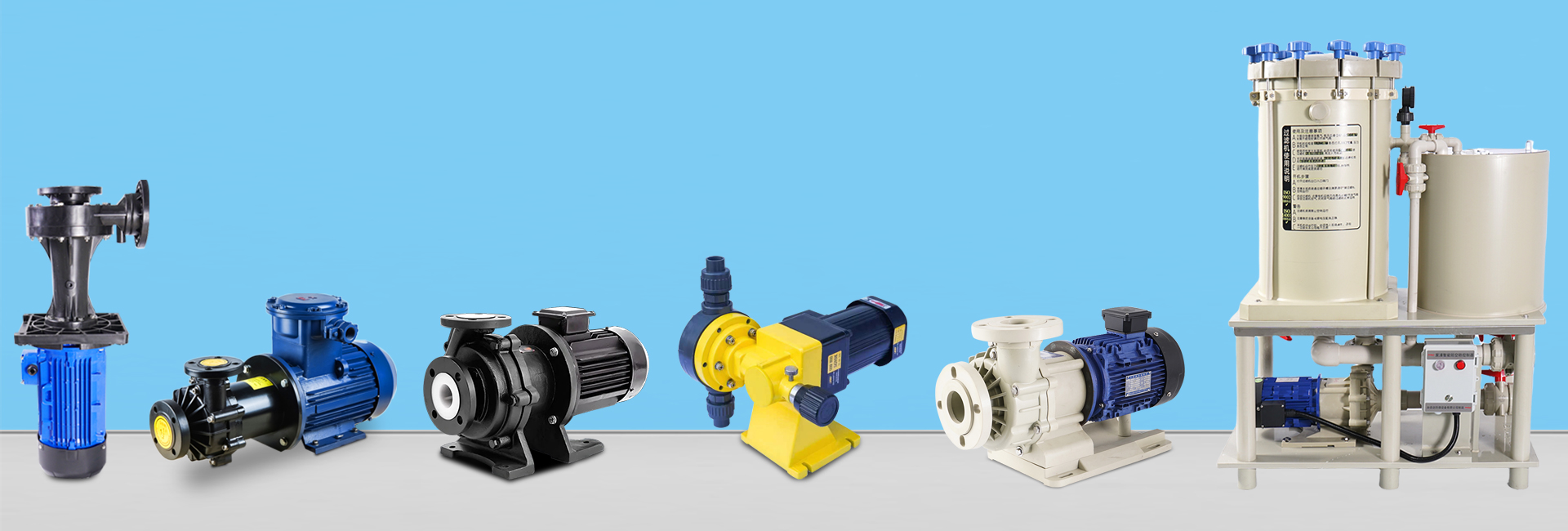
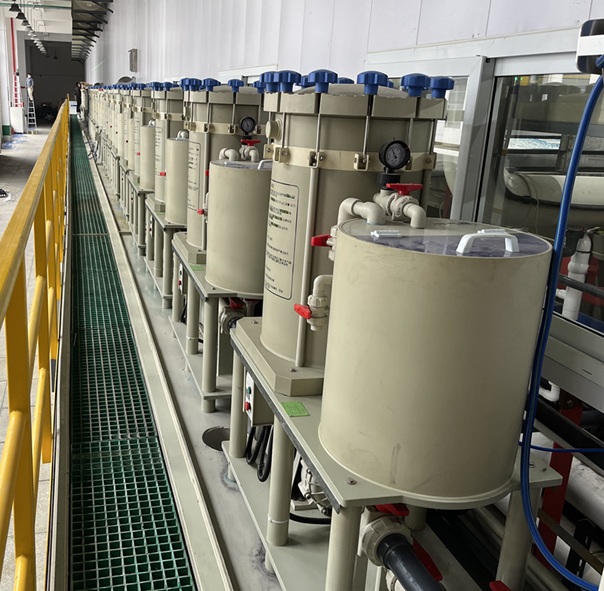
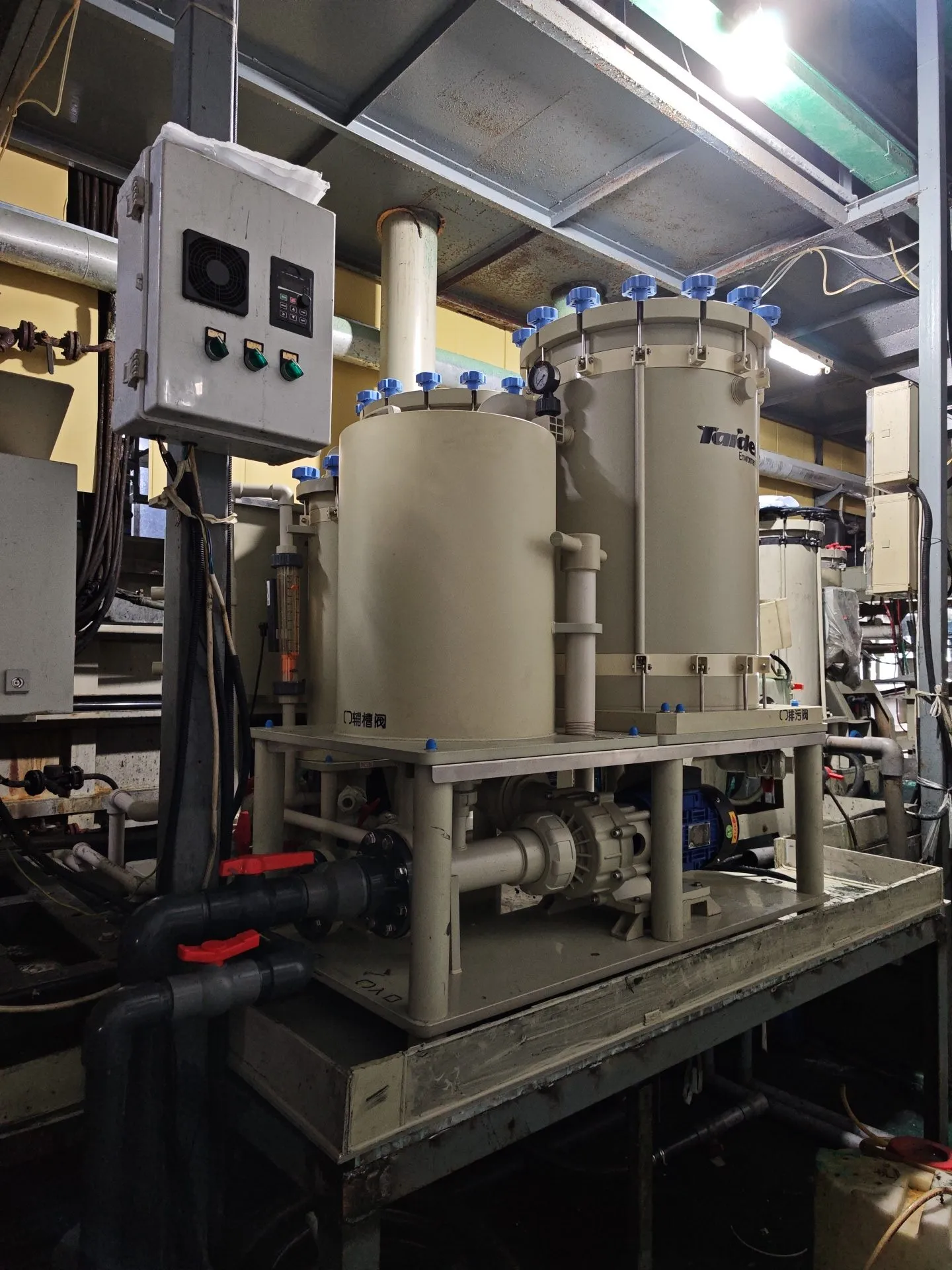
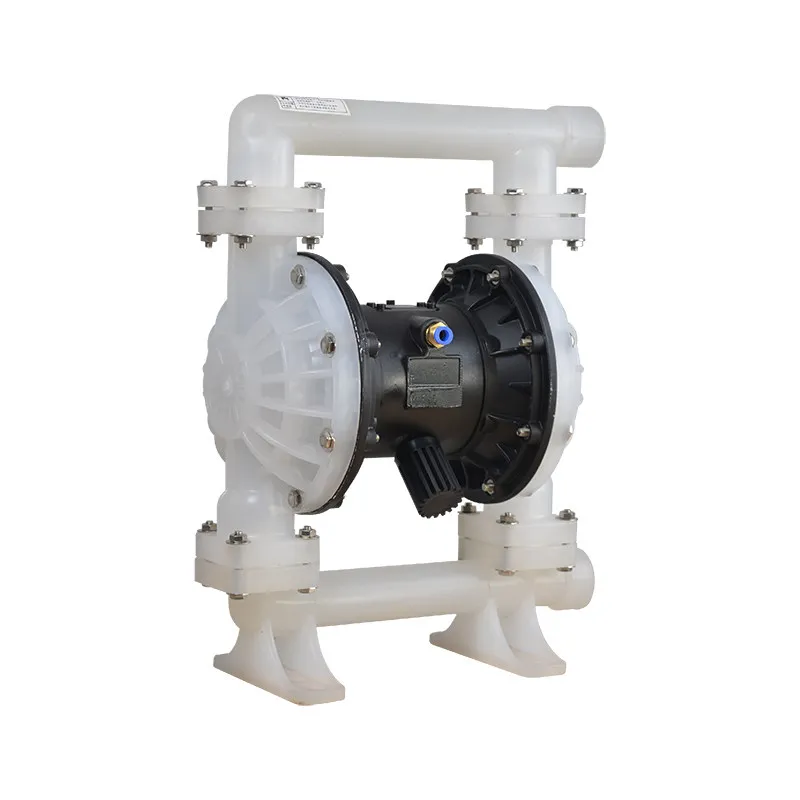

Chemical pumps are the “fluid heart” of the petrochemical industry, responsible for the transportation, pressurization, circulation, and reaction feeding of crude oil, refined oil, chemical raw materials, and intermediates. They directly determine the safety, continuity, and energy efficiency of petrochemical plants. This article elaborates on their core applications, mainstream pump type matching, key technical requirements, typical cases, and selection tips, providing a comprehensive guide for professionals in the petrochemical field.
1. Core Application Scenarios (By Process Link)
1.1 Crude Oil Extraction and Gathering
-
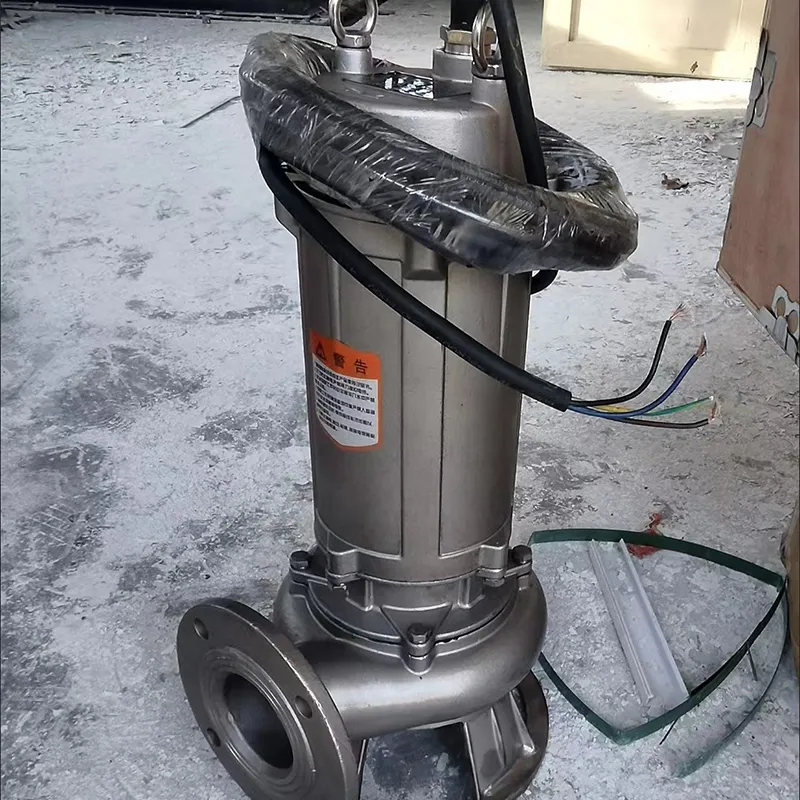
Submersible Electric Pumps: Used in offshore and onshore oilfields to lift crude oil from thousands of meters underground. They feature high pressure resistance and hydrogen sulfide corrosion resistance.
-
Oil Pipeline Pumps: Applied in long-distance crude oil and refined oil pipelines for large-flow, high-pressure, and continuous stable transportation.
-
Wharf/Oil Depot Loading and Unloading Pumps: Complete oil loading and unloading quickly and safely, suitable for flammable media.
1.2 Oil Refineries (Atmospheric and Vacuum Distillation, Catalysis, Hydrogenation, etc.)
-
Atmospheric and Vacuum Distillation Units: Crude oil feed pumps and bottom pumps (residual oil/wax oil) that withstand high temperature, high viscosity, and sulfur corrosion.
-
Catalytic Cracking Units: Slurry pumps (containing catalyst particles) and recycle oil pumps with wear resistance and particle erosion resistance.
-
Hydrofining/Hydrocracking Units: High-pressure feed pumps (15–30 MPa) and circulating hydrogen pumps that resist hydrogen embrittlement, high temperature, and achieve zero leakage.
-
Reforming/Aromatics Units: Reforming feed pumps and aromatics extraction pumps for transporting toxic/flammable media such as benzene and toluene.
1.3 Ethylene/Chemical Units (Olefins, Synthetic Materials)
-
Ethylene Cracking Units: Quench oil pumps and cracked gasoline pumps that withstand high temperature, coking tendency, and coke-containing media.
-
Polyethylene/Polypropylene Units: Catalyst feed pumps and melt pumps with high viscosity, high pressure, and precise metering capabilities.
-
Ammonia Synthesis/Urea Units: Ammonia pumps and carbamate pumps that resist strong corrosion, high pressure, and crystallization.
1.4 Utility and Auxiliary Systems
-
Boiler Feed Water/Circulating Water Pumps: Operate continuously with large flow and low pressure.
-
Fire Water/Foam Fluid Pumps: Feature emergency start-up capability and high reliability.
-
Heat Transfer Oil/Heat Medium Circulation Pumps: Withstand high temperatures (above 300℃), achieve zero leakage, and have good thermal stability.
2. Matching of Mainstream Pump Types with Petrochemical Scenarios
|
Pump Type
|
Working Principle
|
Core Advantages
|
Typical Petrochemical Applications
|
|---|---|---|---|
|
Chemical Centrifugal Pumps (API 610)
|
Centrifugal force of impeller
|
Large flow, high efficiency, low cost
|
Crude oil transportation, tower bottom circulation, utility engineering
|
|
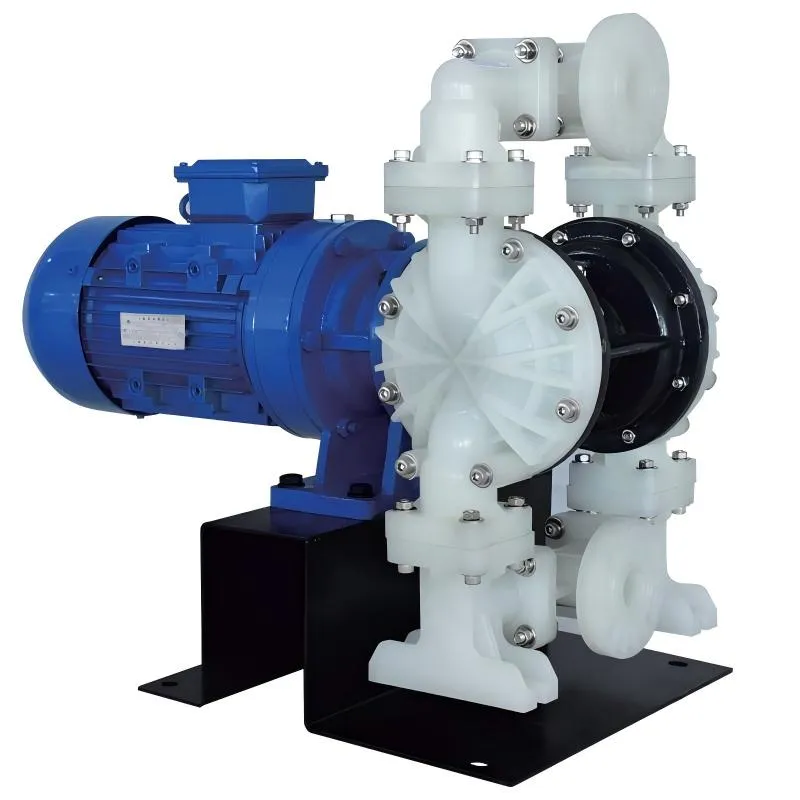
Magnetic coupling, seal-less
|
Zero leakage, high safety
|
Transportation of liquefied hydrocarbons, benzene, and other toxic media
|
|
|
Reciprocating Pumps/Plunger Pumps
|
Piston reciprocation
|
High pressure, precise flow
|
Hydrogenation feed, catalyst metering, high-pressure water injection
|
|
Screw Pumps
|
Screw rotor rotation
|
Stable operation, high viscosity resistance, particle tolerance
|
Transportation of heavy oil, asphalt, slurry, and polymers
|
|
Gear Pumps
|
Gear meshing
|
Compact structure, good self-priming performance
|
Lubricating oil, fuel oil, small-flow high-viscosity media
|
|
Submerged Pumps/Liquid Submerged Pumps
|
Vertical immersion
|
Small footprint, leakage prevention
|
Tank unloading, underground tanks, sulfur transportation
|
3. Key Technical Requirements for Chemical Pumps in the Petrochemical Industry
-
Corrosion Resistance: Flow passage components are made of 316L, Hastelloy, titanium, fluoroplastics, etc., to resist corrosion from acids, alkalis, salts, hydrogen sulfide, and chloride ions.
-
High/Low Temperature Resistance: Suitable for temperatures ranging from -196℃ (LNG) to 450℃ (hot oil pumps), equipped with cooling/insulation and thermal compensation structures.
-
High Pressure and Reliability: Pumps for hydrogenation units can reach 30 MPa, requiring zero leakage, long service life (more than 3 years), and low maintenance.
-
Wear Resistance and Particle Resistance: For particle-containing media such as slurry and gray water, wear-resistant linings and hardened impellers are required.
-
Safety and Environmental Protection: For flammable/toxic media, seal-less pumps (magnetic drive pumps) or double mechanical seals + flushing systems are preferred, complying with API 682 standards.
-
Energy Saving and Intelligence: Wide high-efficiency area, frequency conversion adjustment, online monitoring (vibration, temperature, leakage), suitable for digital factories.
4. Typical Application Cases
-
Atmospheric and Vacuum Distillation Unit: API 610 centrifugal pumps transport crude oil with a flow rate of 800 m³/h and a head of 180 m, ensuring the continuous operation of ten-million-ton refineries.
-
Hydrogenation Unit: Hydrogen embrittlement-resistant alloy centrifugal pumps operate at 20 MPa and 380℃, achieving zero leakage with double mechanical seals.
-
Slurry System: Wear-resistant lined centrifugal pumps extend the impeller service life from 6 months to 18 months, reducing downtime.
-
Liquefied Hydrocarbon Tank Farm: Magnetic drive pumps transport LPG to eliminate leakage risks and meet safety standards.
5. Selection and Application Tips
-
Prioritize compliance withAPI 610/682 standards to ensure adaptability to petrochemical working conditions.
-
Medium characteristics (viscosity, corrosion, particles, temperature, pressure) are the primary basis for pump selection.
-
For high-risk media (flammable, explosive, highly toxic), seal-less pumps or double mechanical seals + flushing solutions are preferred.
-
For high-viscosity/particle-containing media, positive displacement pumps (screw, reciprocating) are preferred over centrifugal pumps.
Chemical pumps play an irreplaceable role in the petrochemical industry. Choosing the right pump type and complying with technical requirements can effectively improve production efficiency, reduce safety risks, and lower operating costs. If you need further guidance on pump selection or application, feel free to contact us.