
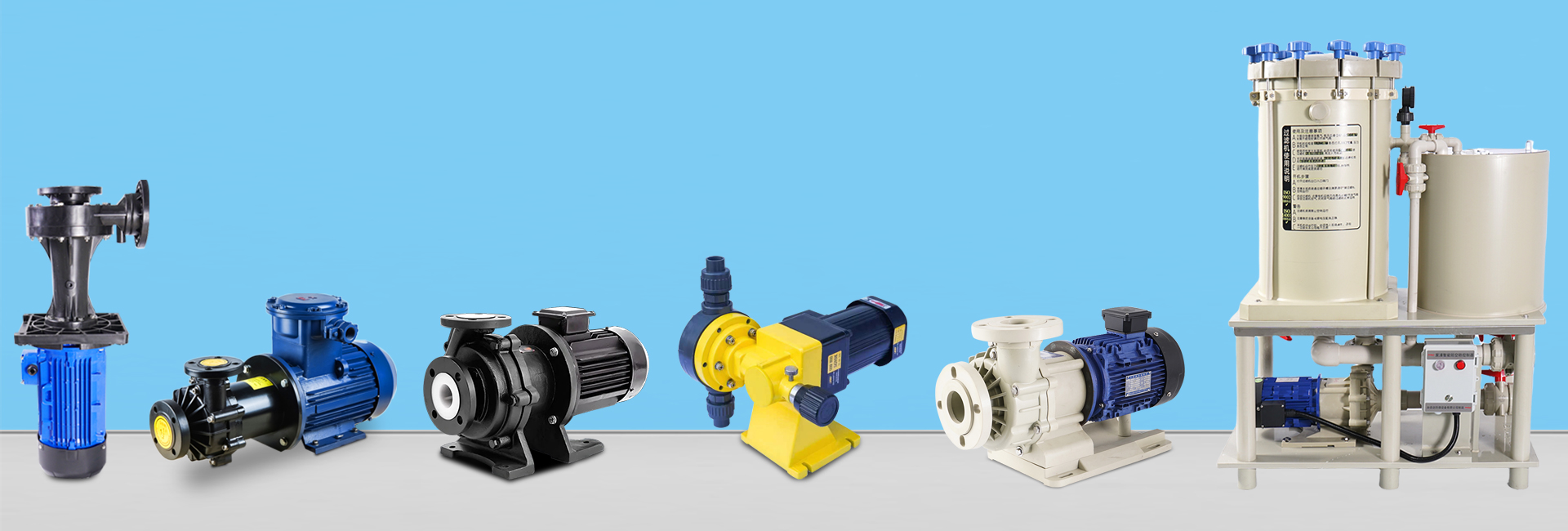
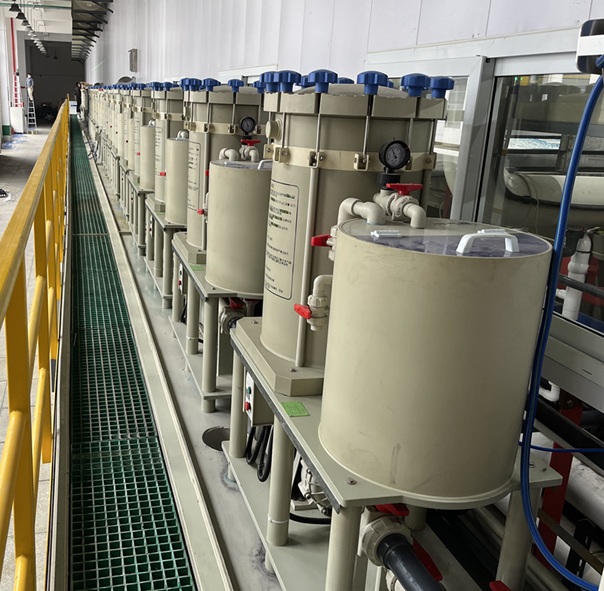
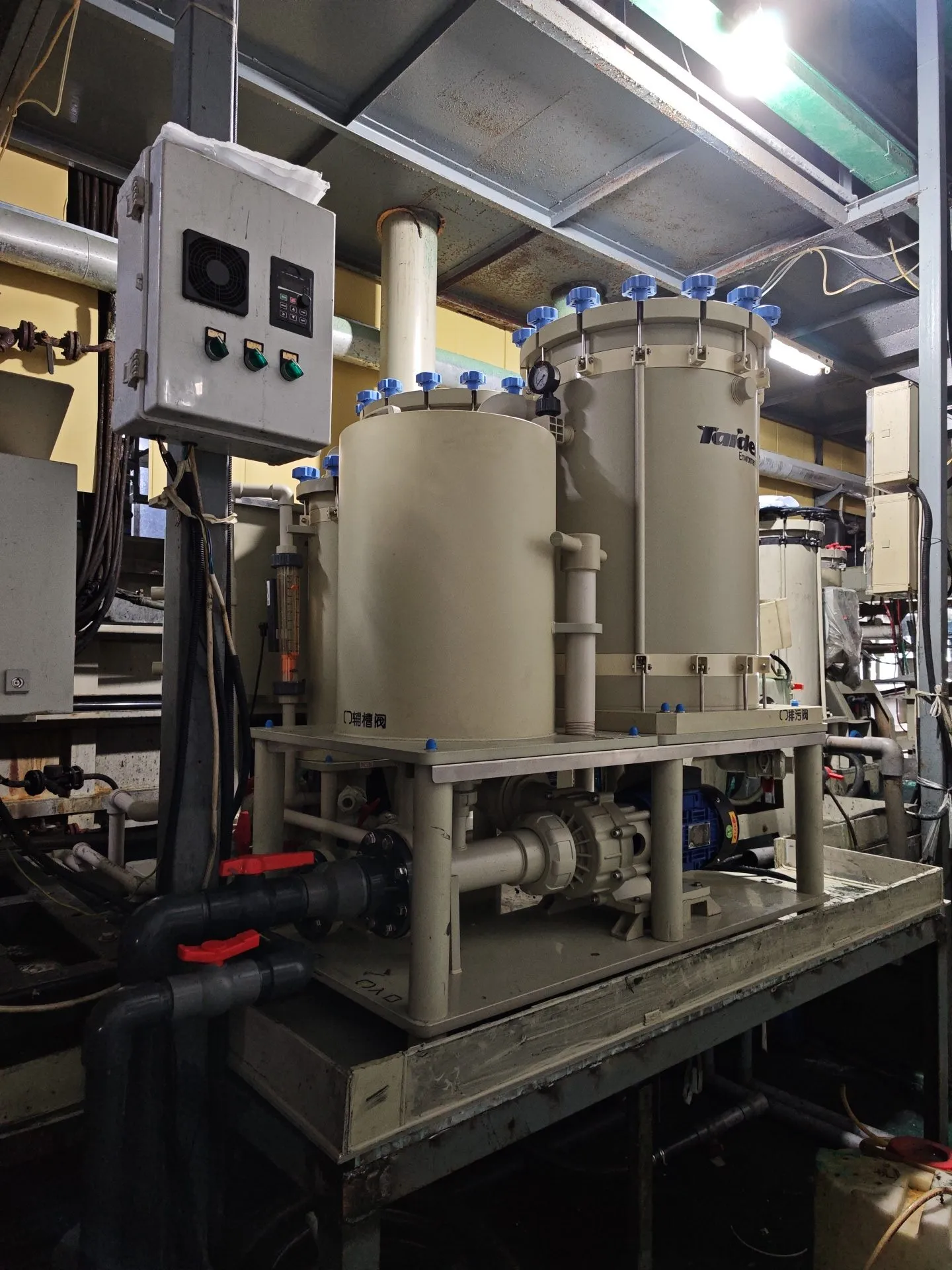
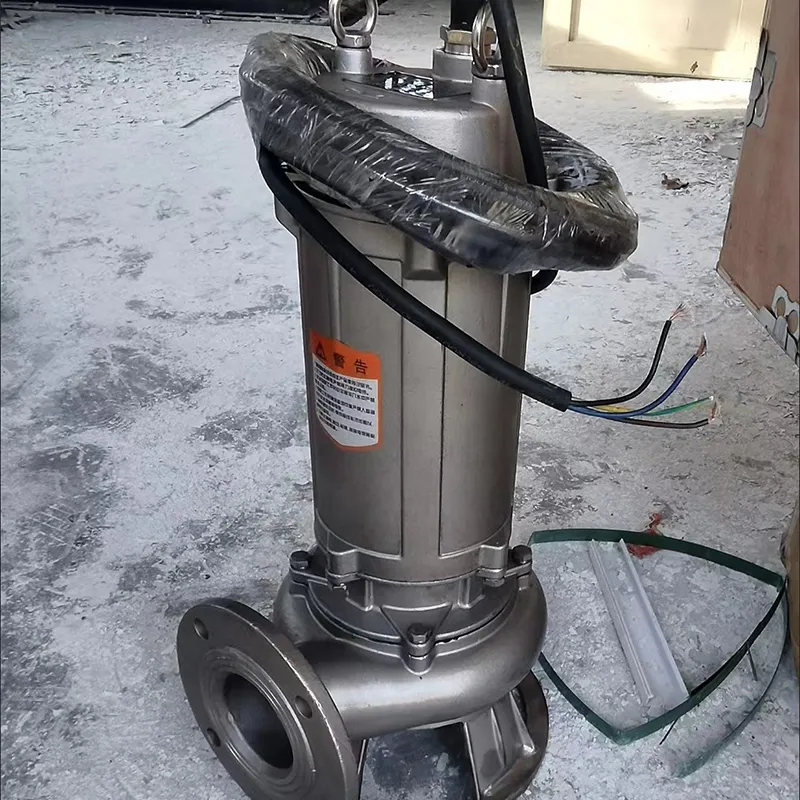
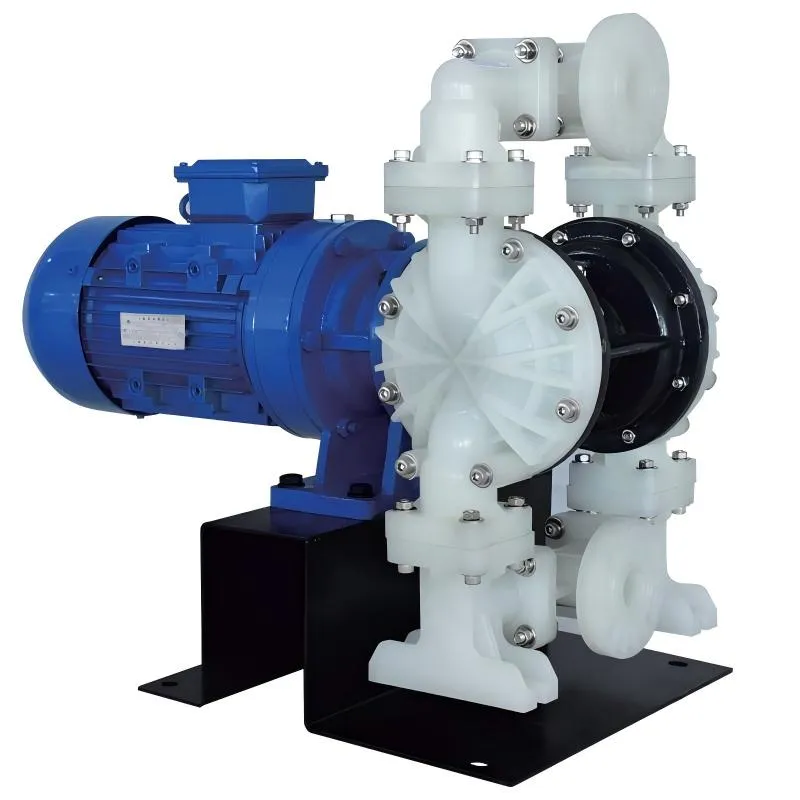

Magnetic drive pumps (also known as mag-drive pumps or sealless pumps) utilize a magnetic coupling to eliminate the need for dynamic shaft seals. This design achieves a 100% leak-free, hermetically sealed operation. Because they prevent fluid leakage entirely, mag-drive pumps are the industry standard for handling hazardous, highly corrosive, or volatile liquids.
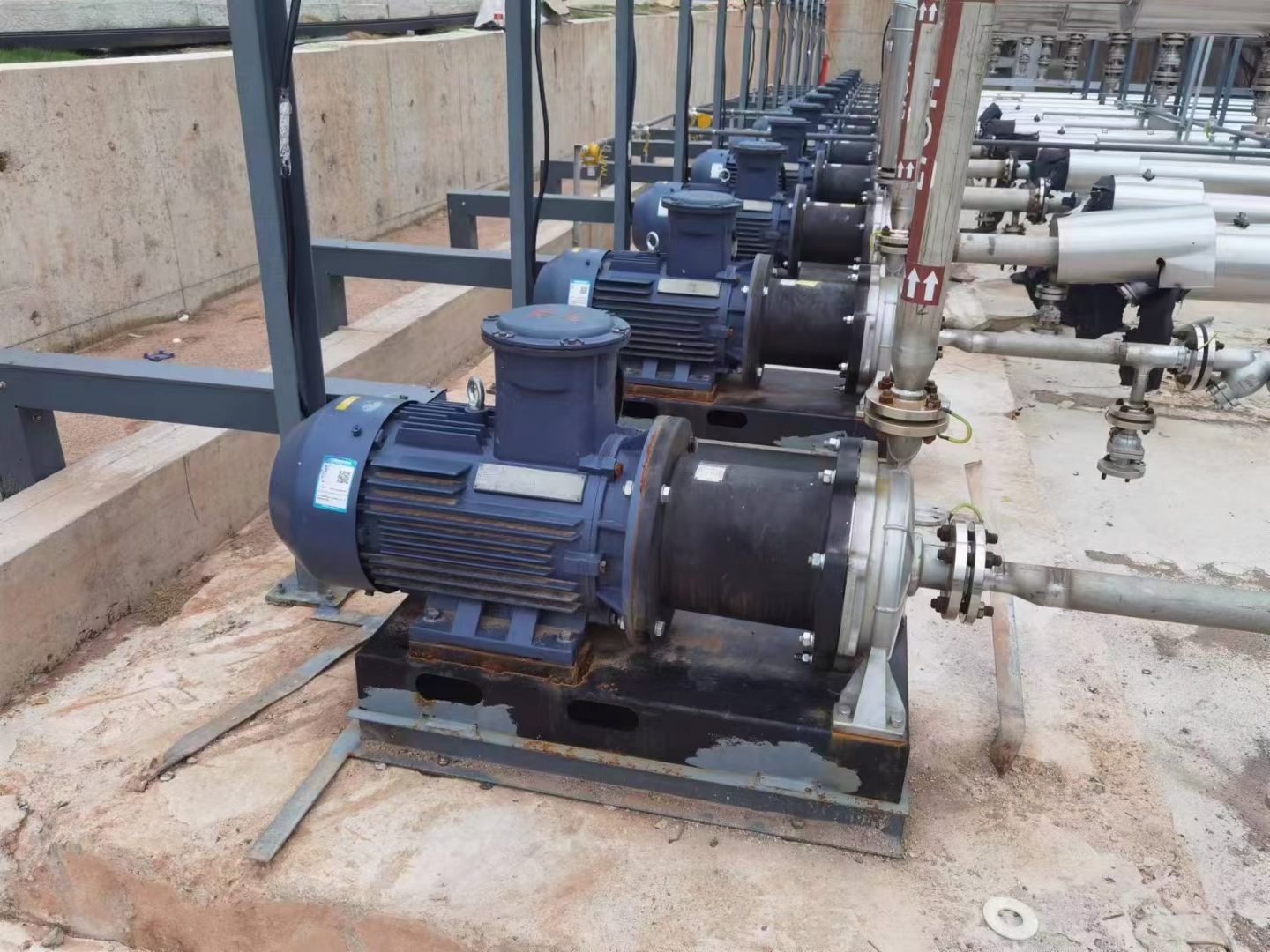
Key Industries & Applications of Mag-Drive Pumps
1. Chemical Processing & Petrochemical Industry
This is the primary market for mag-drive pumps. Chemical manufacturing involves volatile, flammable, and highly toxic fluids where zero leakage is mandatory.
-
Corrosive Chemical Transfer: Ideal for pumping aggressive acids and bases such as sulfuric acid, hydrochloric acid, nitric acid, hydrofluoric acid, and sodium hydroxide. Fluoropolymer-lined (PVDF, ETFE, PFA) mag-drive pumps are typically specified for these applications.
-
Volatile & Flammable Solvents: For transferring alcohols, benzene, toluene, and other volatile organic compounds (VOCs). Heavy-duty metallic mag-drive pumps (Stainless Steel, Hastelloy, Titanium) combined with explosion-proof motors eliminate the risk of sparks or fires caused by seal friction.
2. Pharmaceuticals & Fine Chemicals
-
High-Purity Fluid Handling: Pharmaceutical intermediates, active pharmaceutical ingredients (APIs), and biotech processes require pristine conditions. Sealless pumps eliminate contamination risks from mechanical seal wear particles and are easy to clean or sterilize.
-
Valuable Fluid Transfer: When pumping expensive chemical reagents or precious raw materials, a 100% leak-free operation prevents costly product loss.
3. New Energy & Advanced Materials
-
Lithium-ion Battery Manufacturing: In the production of battery cathode/anode materials and electrolyte delivery. Electrolytes (such as solvents containing $LiPF_6$) are highly moisture-sensitive and corrosive; mag-drive pumps ensure the process is completely isolated from the atmosphere.
-
Semiconductor & Solar (Photovoltaic): Used for circulating ultra-pure acids and etching chemicals during wafer cleaning and etching processes. Non-metallic mag-drive pumps are standard equipment here.
4. Water Treatment & Environmental Engineering
-
Industrial Wastewater Treatment: Safely transferring effluents contaminated with heavy metals, acids, bases, or toxic chemical chemical compounds.
-
Scrubber Systems (Air Pollution Control): Continuously circulating chemical scrubbing liquids to neutralize flue gas, $SO_x$, and $NO_x$ in gas towers.
5. Electroplating & Surface Finishing
-
Plating Solution Circulation: Electroplating baths contain highly corrosive and toxic chemicals (e.g., cyanides, copper/nickel/gold plating solutions). Mag-drive pumps are widely used for continuous filtration and circulation, protecting both the environment and plant operators.
💡 Mag-Drive Pump Selection Guide & Troubleshooting (Limitations)
While sealless magnetic pumps offer unmatched safety benefits, their physical design introduces specific operating constraints. Consider the following limitations during system design:
-
Strictly No Dry Running: The internal sliding bearings and sleeves rely entirely on the pumped fluid for lubrication and cooling. Dry running causes rapid frictional heat, leading to magnet demagnetization, plastic deformation, or catastrophic ceramic bearing failure.
SEO Tip/Best Practice: Always install a dry-run protector or power monitor to prevent dry running.
-
Solid Particle Limitations: Standard mag-drive pumps require clean liquids free of solids or ferromagnetic impurities. Hard particles can score the containment shell and inner rotor, while magnetic particles will cling to the magnets and lock the pump.
-
Solution: Install a strainer/filtration system at the suction side, or opt for a specially engineered slurry-handling mag-drive pump with an external flush.
-
-
Temperature & Demagnetization Risks: Permanent magnets (NdFeB or SmCo) lose their magnetism if they exceed their maximum operating temperature.
-
Standard Neodymium (NdFeB) magnets are limited to temperatures below $100^\circ\text{C}$ ($212^\circ\text{F}$).
-
For high-temperature applications (e.g., hot thermal oils, molten chemicals up to $200^\circ\text{C} – 300^\circ\text{C}+$), Samarium Cobalt (SmCo) magnets with cooling jackets must be specified.
-
-
Viscosity Thresholds: High-viscosity fluids increase hydraulic shear stress. If the fluid is too viscous, it can cause magnetic decoupling (slippage), where the outer magnet spins but the inner magnet stalls, causing rapid heat build-up.