
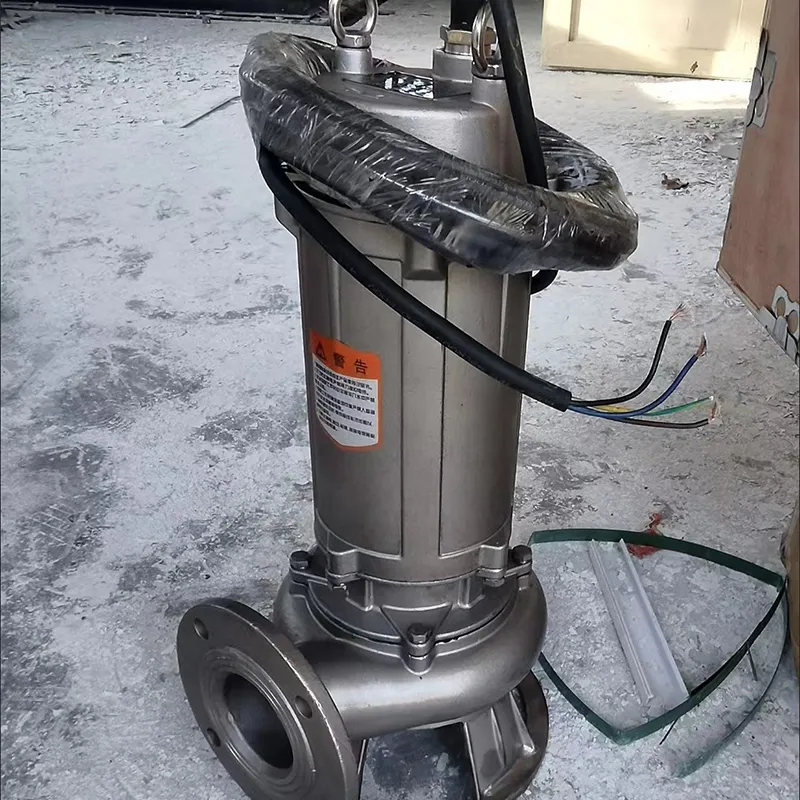
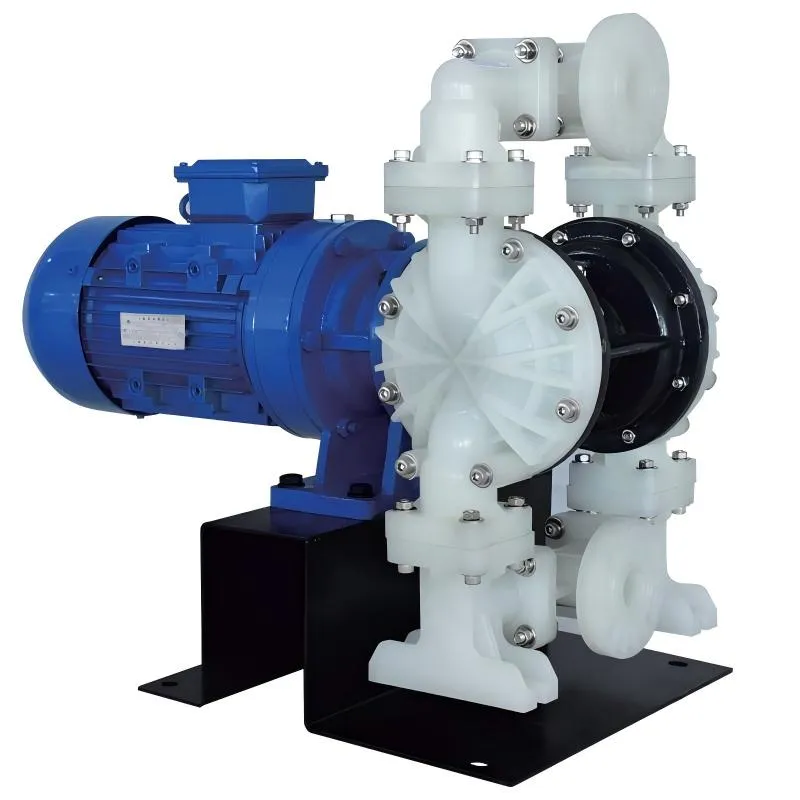

In magnetic drive pumps (also known as sealless pumps), the choice of bearing material plays a crucial role in determining the pump’s durability, chemical compatibility, wear resistance, and maintenance frequency. Below is a detailed comparison of common bearing materials, including their properties, advantages, disadvantages, and ideal applications.
Common Bearing Materials
| Material | Characteristics | Advantages | Disadvantages | Recommended Applications |
|---|---|---|---|---|
| High-Density Carbon / Hard Carbon | Carbon-based sliding material | Good wear resistance, moderate cost, suitable for common chemicals | Poor resistance to strong corrosion or abrasive media; lower hardness than ceramics | General chemical liquids, mild operating conditions |
| Alumina Ceramic (Al₂O₃) | High-purity ceramic (≥99.5%) | Excellent chemical stability, corrosion resistance, and wear resistance | Brittle and sensitive to impact; higher cost and strict installation tolerance | Strongly corrosive acids and bases, long-life operations |
| Silicon Carbide (SiC) | Advanced hard ceramic material | Extremely hard, wear-resistant, and chemically inert, even with abrasives or high flow rates | High cost; brittle; requires precise installation and cooling | Harshest conditions with abrasive or corrosive fluids |
| PTFE (Teflon) Composite Bearings | Self-lubricating fluoropolymer | Excellent self-lubrication and chemical resistance; ideal for low-friction, clean systems | Poor load and wear resistance; unsuitable for high-speed or abrasive service | Low-speed, low-load chemical applications requiring clean operation |
| Stainless Steel / Alloy Bearings | Metal-based material | High mechanical strength, easy to manufacture and replace | Limited corrosion resistance; shorter service life under strong chemicals | Moderate conditions without severe corrosion or abrasives |
Detailed Comparison and Selection Insights
1. Chemical Compatibility
-
For strongly corrosive fluids (e.g., sulfuric acid, hydrofluoric acid, chlorine-based chemicals), ceramic or SiC bearings are the most reliable choice.
-
For mildly corrosive or neutral liquids, carbon or stainless steel bearings offer a better cost-performance ratio.
-
For abrasive or particle-containing fluids, silicon carbide (SiC) bearings provide the best resistance.
2. Load, Speed, and Temperature
-
High-speed or high-load applications require rigid and heat-resistant materials like ceramics or SiC.
-
Low-speed, low-load conditions can use PTFE-based bearings due to their self-lubricating properties.
-
In high-vibration or shock-prone environments, avoid brittle ceramics and ensure proper installation.
3. Cost vs. Service Life
-
Material cost ranking (low → high): PTFE / metal < carbon < alumina ceramic < SiC.
-
Although advanced materials like SiC are more expensive, their long service life and low downtime can reduce overall costs in critical operations.
4. Maintenance and Machinability
-
Carbon and metal bearings are easier to machine and replace.
-
Ceramics and SiC require precise alignment and higher replacement costs.
-
For systems where maintenance is difficult, investing in more durable materials is usually worthwhile.
Real-World References
-
Industry reports show SiC bearings are widely used in modern magnetic drive pumps for their superior wear and chemical resistance.
-
Manufacturers like IWAKI and TLPumps list alumina ceramic, SiC, carbon, PTFE, and alloy bearings as standard material options depending on the application environment.
Quick Selection Guide
Here’s a simplified decision table to help you choose the right bearing material:
| Operating Condition | Recommended Bearing Material |
|---|---|
| Strongly corrosive + abrasive | Silicon Carbide (SiC) |
| Strongly corrosive but clean | Alumina Ceramic (Al₂O₃) |
| Mildly corrosive, clean | Hard Carbon or Metal Alloy |
| Low-speed, low-load, clean | PTFE (Teflon) Composite |
| High temperature or high-speed | SiC or Alumina Ceramic |
Conclusion
Selecting the right bearing material for a magnetic drive pump depends on the chemical properties of the fluid, operating conditions, and maintenance strategy.
For extreme conditions with high corrosion or abrasion, SiC remains the top choice.
For general-purpose use, hard carbon or alumina ceramic can balance cost and performance.
Proper material selection ensures stable, leak-free operation and maximizes the service life of your magnetic drive pump.