
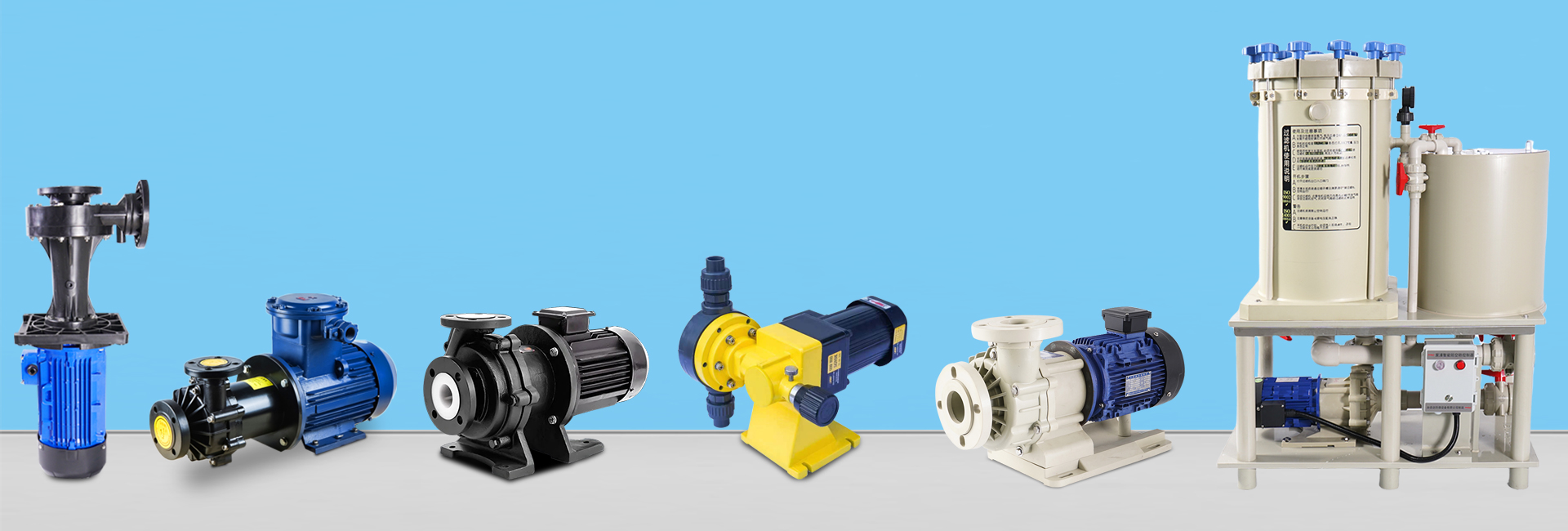
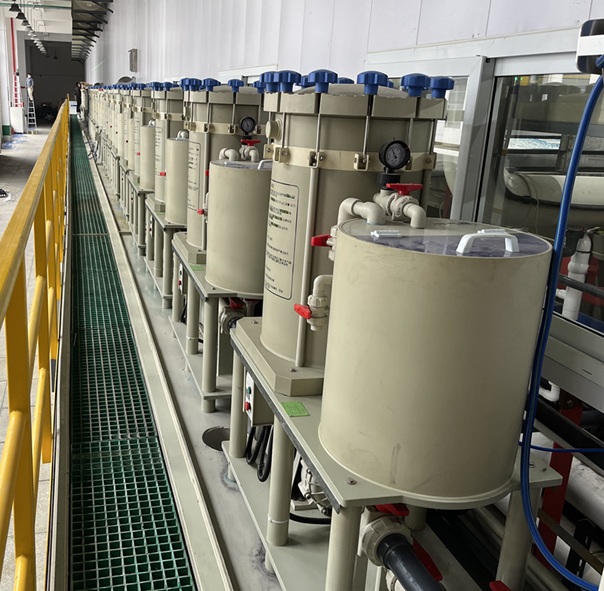
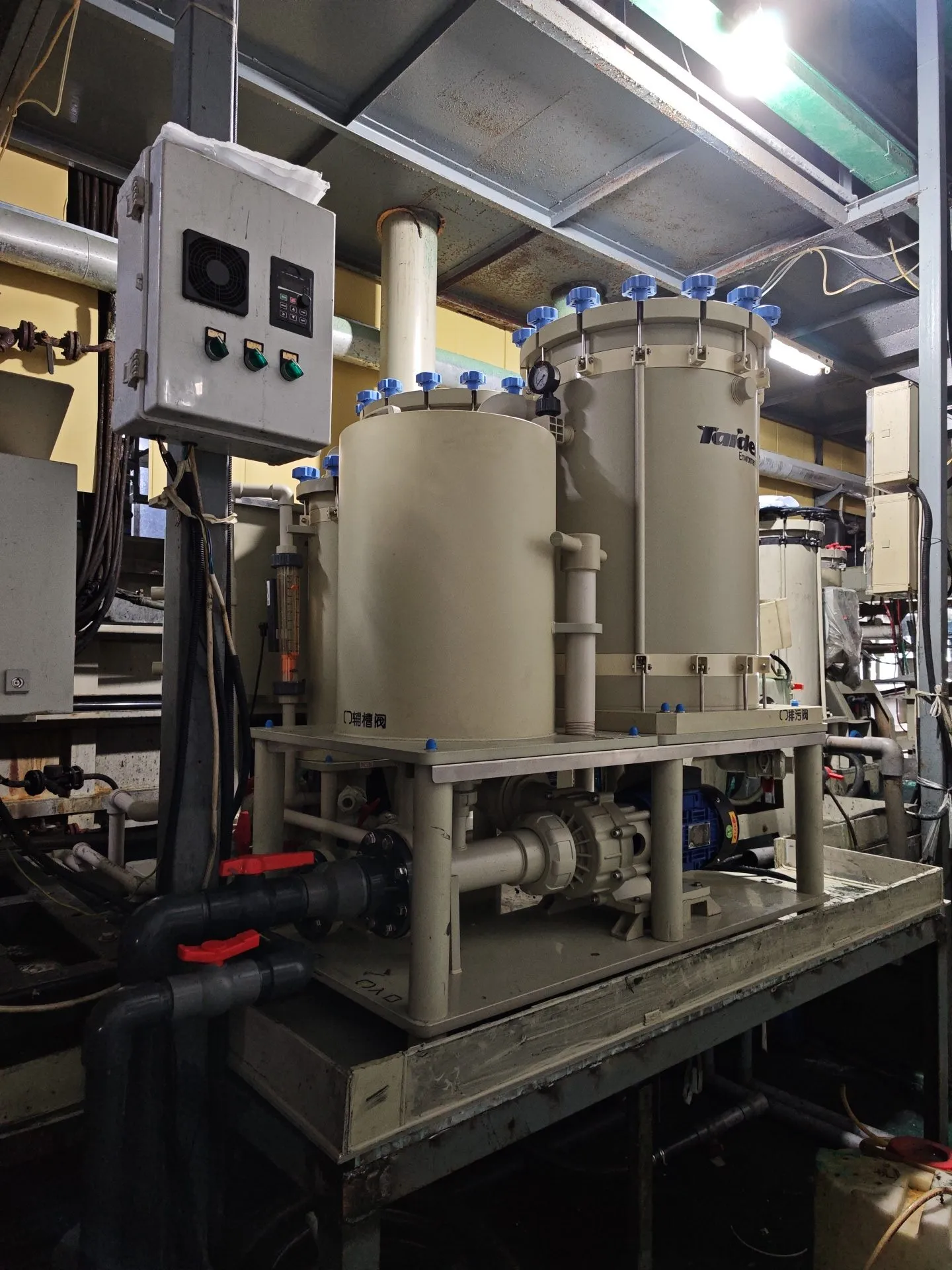
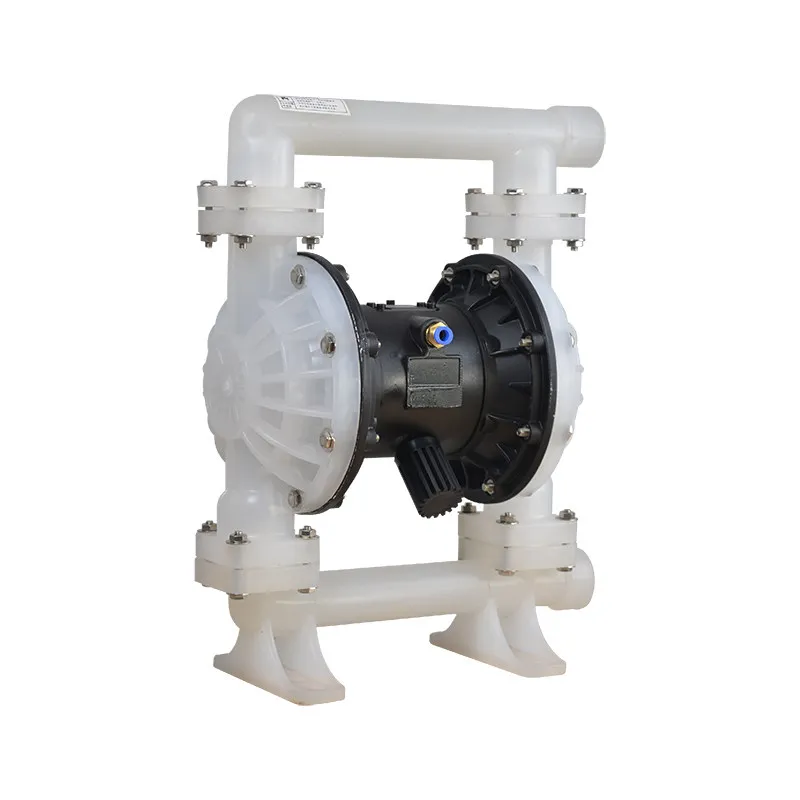

Choosing the right Magnetic Drive Pump (Mag-Drive Pump) is crucial for ensuring safe, leak-free, and efficient operation in your process. To select the correct model, you must scrutinize a set of key technical specifications.
1. Operating Condition Parameters (Defining Pump Performance)
These specifications determine the required size and performance curve of the pump.
| Parameter | Explanation & Importance |
| 1. Flow Rate (Q) | The volume of liquid the pump must transfer per unit of time. Define your normal, maximum, and minimum required flow rates. The pump’s best efficiency point (BEP) should be close to your normal required flow. |
| 2. Total Head (H) | The energy increase provided to the fluid, usually measured in meters (m) or feet. This must account for all system resistances (friction loss, valve loss, equipment pressure drop, and elevation changes). Incorrect head selection lowers efficiency and increases wear. |
| 3. Fluid Properties (Media) |
Detail the characteristics of the liquid to be pumped:
– Name: The exact chemical name.
– Temperature: The maximum and minimum operating temperatures. This is vital for selecting the right magnet type (to prevent demagnetization at high temperatures) and containment shell material.
– Density ($\rho$) and Viscosity ($\mu$): These influence the pump performance curve and the motor power requirement.
– Corrosivity: The degree of corrosiveness dictates the material of all wetted parts (e.g., stainless steel, fluoroplastics, lined materials).
– Presence of Solids: Mag-Drive pumps are highly sensitive to solids, which rapidly wear down the slide bearings and containment shell. If solids are present, specify the particle size and concentration and choose a special slurry-design pump. |
| 4. System Pressure | The pump’s suction pressure and discharge pressure. These determine the pressure rating required for the pump casing and the containment shell. |
2. Construction and Material Parameters (Ensuring Reliability)
Due to the sealless design, material selection for the internal components is critical for preventing leakage and ensuring long service life.
| Parameter | Explanation & Importance |
| 1. Wetted Parts Material |
Materials that directly contact the media (casing, impeller, cover). Must be chosen based on corrosivity and temperature:
– Engineered Plastics (e.g., FEP/PTFE Lining): Ideal for strong acids, bases, and highly corrosive media.
– Metals (e.g., SS316L, Hastelloy, Titanium): Used for non-corrosive, mildly corrosive media, and high-temperature/high-pressure applications. |
| 2. Containment Shell Material |
The core leak barrier. The material affects corrosion resistance, pressure rating, and eddy current loss:
– Metals (e.g., Hastelloy): High strength, but generates heat due to eddy currents.
– Non-Metals (e.g., PEEK, Ceramic/Composite): Eliminates eddy currents, but may have lower pressure and impact resistance. |
| 3. Slide Bearing (Bushings) Material | Mag-Drive pumps use slide bearings lubricated by the pumped fluid. The material (e.g., Silicon Carbide SiC, Carbon/Graphite, Ceramic) must offer high hardness, wear resistance, and chemical inertness. |
| 4. Coupling Type | Whether you require a close-coupled (standard) or long-coupled (baseplate mounted) configuration. |
3. Motor and Drive Parameters (Optimizing Efficiency and Safety)
Selecting the right drive ensures stable and safe operation of the pump unit.
| Parameter | Explanation & Importance |
| 1. Motor Power (P) | The rated power of the electric motor. Must be greater than the maximum shaft power required by the pump (with a safety margin). Insufficient power causes motor overload and potential burnout. |
| 2. Voltage & Frequency | Confirm the local power supply voltage (e.g., 400V) and frequency (50Hz or 60Hz). |
| 3. Ingress Protection (IP) | Such as IP55 or higher, to ensure the motor’s safety in the operating environment (e.g., humid, dusty areas). |
| 4. Explosion Proof Rating (ATEX/NEC) | If the fluid is flammable or explosive, the pump and motor must carry the required explosion-proof certification (e.g., Ex d IIC T4). |
4. Special Requirements and Documentation
| Parameter | Explanation & Importance |
| 1. Self-Priming Capability | If the pump is installed above the liquid level, you need a Self-Priming Magnetic Drive Pump and must specify the required maximum suction lift. |
| 2. Flushing and Cooling Plan | For high-temperature or crystallizing media, confirm the necessary cooling and flushing strategy (e.g., external cooling loop required for the containment shell). |
| 3. Certification Requirements | Confirm if specific industry certifications (e.g., CE, ATEX, API standards) or quality management documents (e.g., ISO 9001) are required. |
| 4. Spares and Maintenance | Inquire about the expected service life, cost, and lead time for critical wear parts (containment shell, slide bearings, O-rings) to plan future maintenance. |