
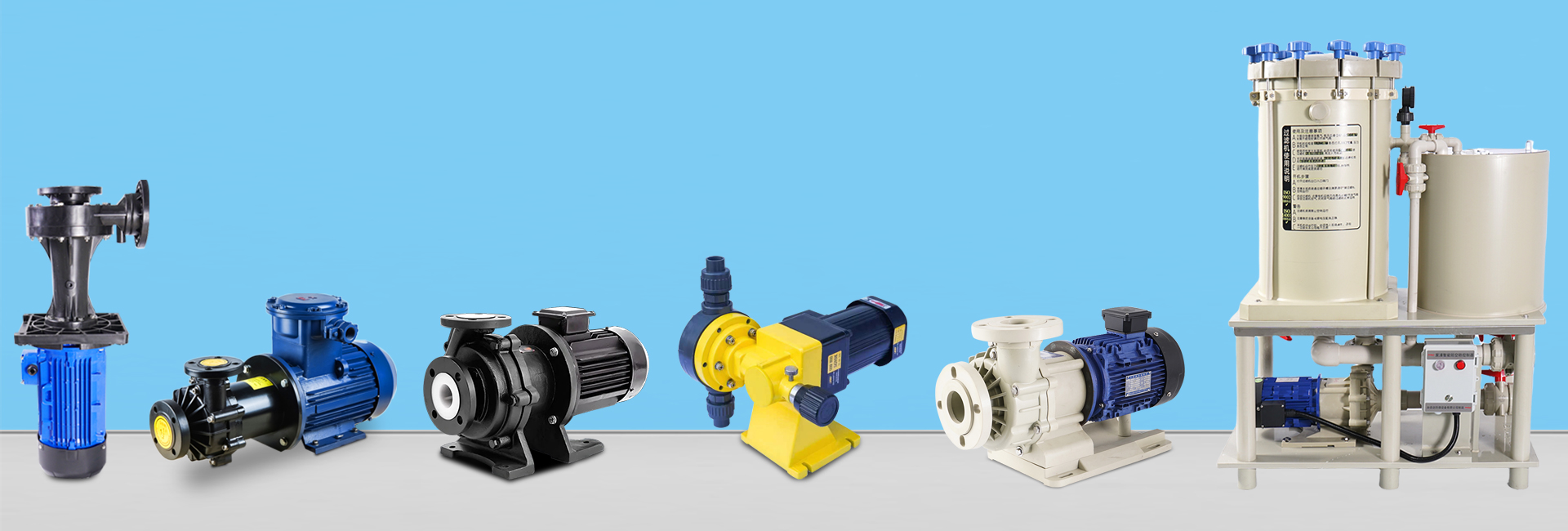
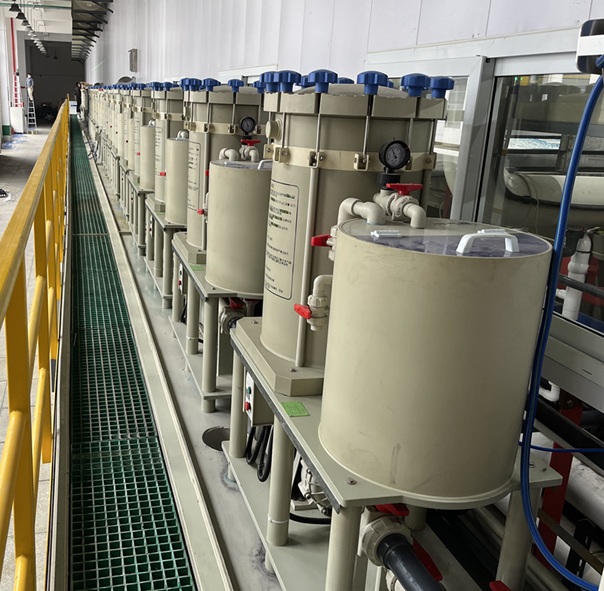
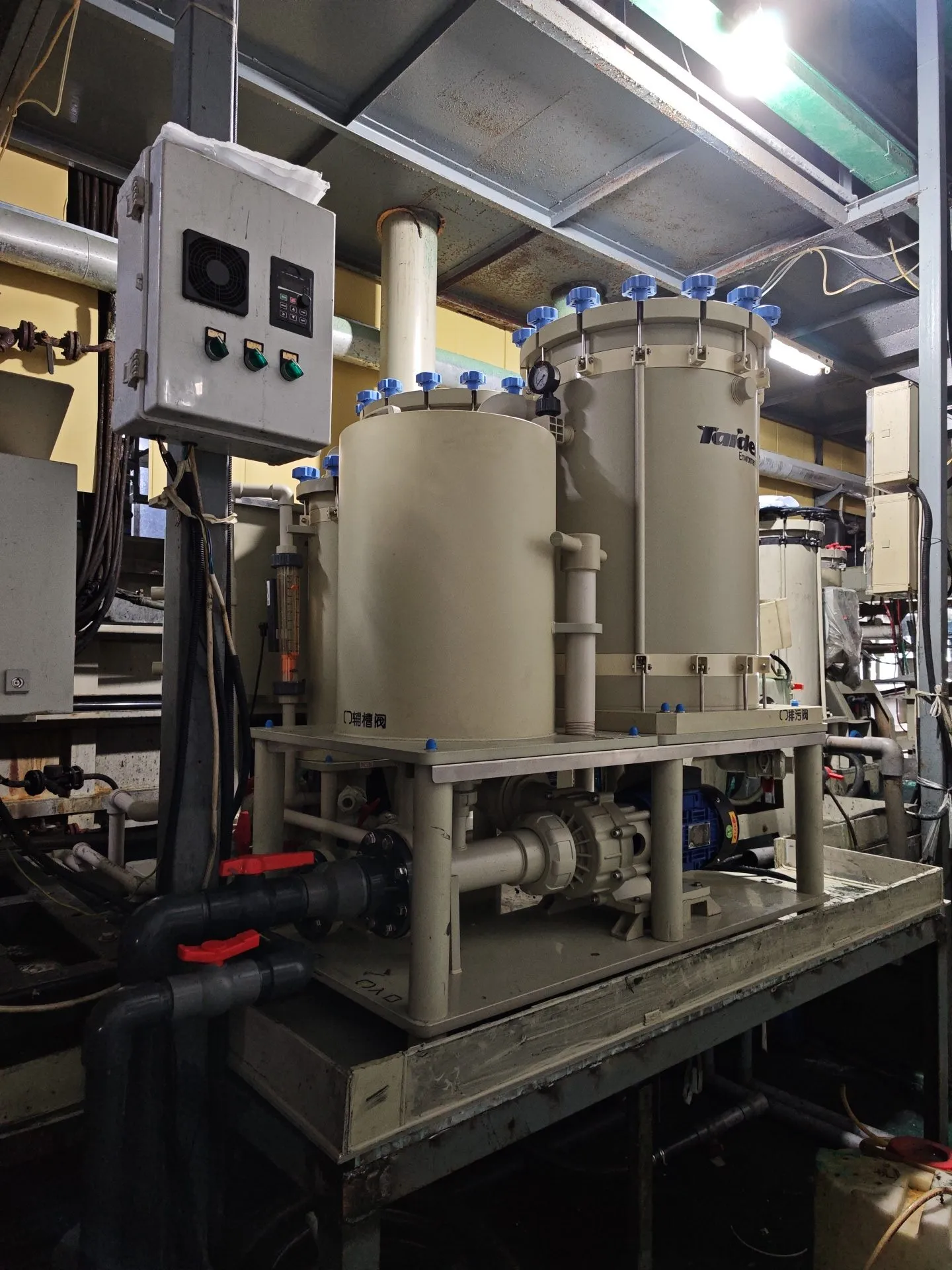
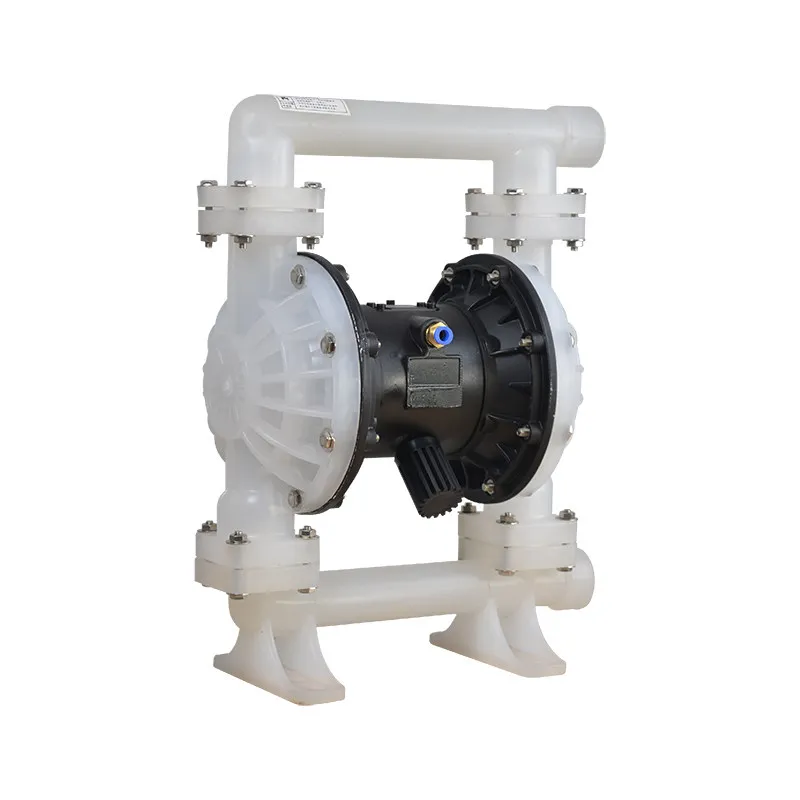
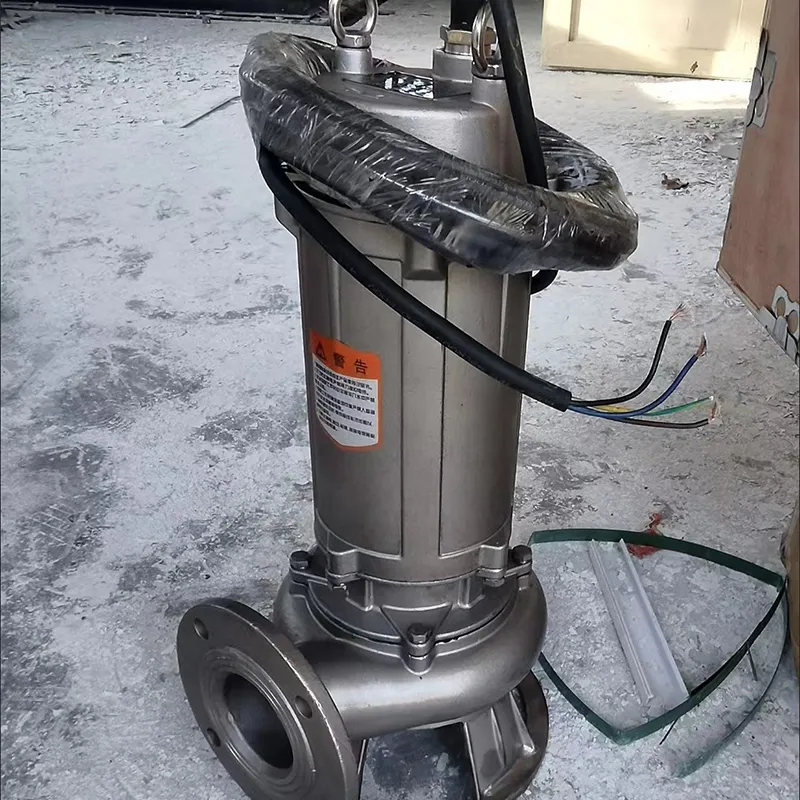
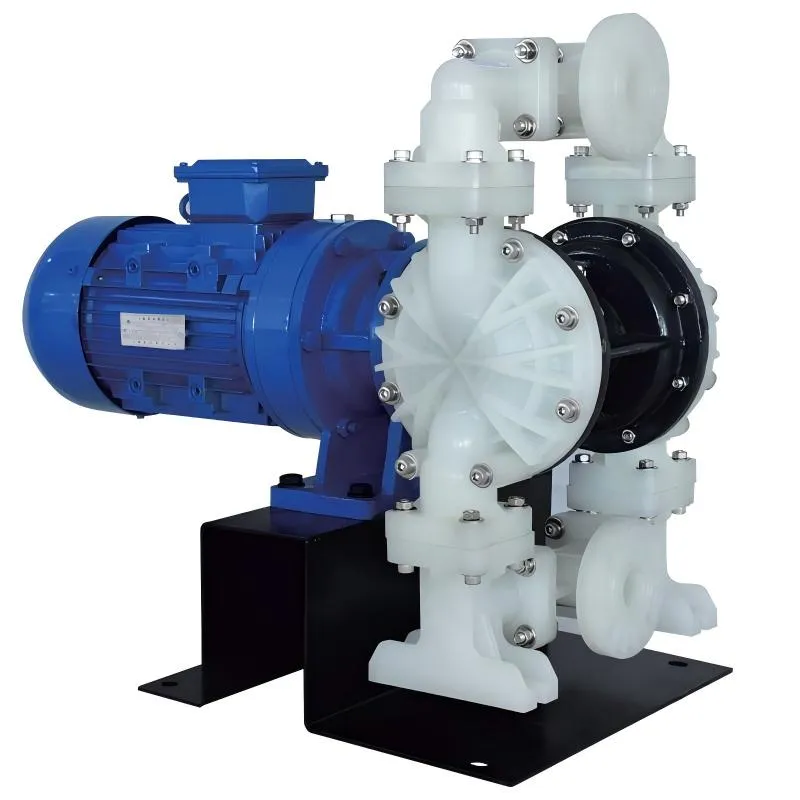

Magnetic drive pumps are widely used in chemical processing, pharmaceuticals, surface treatment, environmental engineering and other industries due to their leak-free, seal-less structure. Instead of a mechanical seal, the pump uses magnetic coupling to transfer torque, ensuring safer operation. However, like all rotating equipment, magnetic drive pumps may experience failures during long-term use. This article summarizes the most common issues and provides practical diagnostic methods.
 5
5
1. Overview of Common Magnetic Pump Failures
Typical failure modes include:
-
Abnormally high motor current
-
Zero flow or insufficient flow
-
Excessive noise or vibration
-
Bearing or impeller wear
-
Magnetic coupling decoupling
-
Overheating of the pump chamber
To assist operators, the table below summarizes common issues:
| Failure Symptom | Possible Cause | Quick Diagnostic Method |
|---|---|---|
| High motor current | Rotor jam, high pipe resistance, viscous liquid | Check suction blockage, verify load |
| No flow | Clogged pipeline, worn impeller, air in pump | Clean filter, vent pump |
| Noise & vibration | Bearing wear, demagnetization, debris inside pump | Inspect bearings and pump cavity |
| Overheating | Dry running, low flow, insufficient cooling | Ensure pump is fully primed |
2. High Motor Current: Causes and Solutions
High motor current is one of the most frequent failures. Common causes include:
-
Excessive load due to closed valves or high outlet pressure.
-
Rotor blockage caused by debris entering the pump chamber.
-
Magnetic coupling slip when external and internal magnets lose synchronization.
-
Electrical issues such as unstable voltage or loose wiring.
Quick troubleshooting steps:
-
Check for suction blockage or clogged filters.
-
Manually rotate the coupling to detect jamming.
-
Measure voltage to confirm power stability.
-
Inspect internal parts if abnormal friction is suspected.
3. Zero Flow or Insufficient Flow
No flow is usually caused by:
-
Air trapped inside the pump
-
Worn or damaged impeller
-
Blocked suction pipeline
-
Insufficient suction head
Recommended actions:
-
Vent the pump chamber before operation.
-
Clean suction filters and pipelines.
-
Inspect impeller condition.
-
Ensure proper installation height of the pump.
4. Bearing and Shaft Failures
Magnetic pumps typically use ceramic or carbon bearings. These materials are durable but sensitive to dry running and impurities.
Preventive measures:
-
Avoid starting the pump without liquid.
-
Use liquid level sensors to prevent dry operation.
-
Schedule regular bearing inspections.
5. Conclusion
By implementing structured inspections and following proper operating procedures, most magnetic pump failures can be avoided. Establishing a preventive maintenance checklist is highly recommended for long-term reliability.