
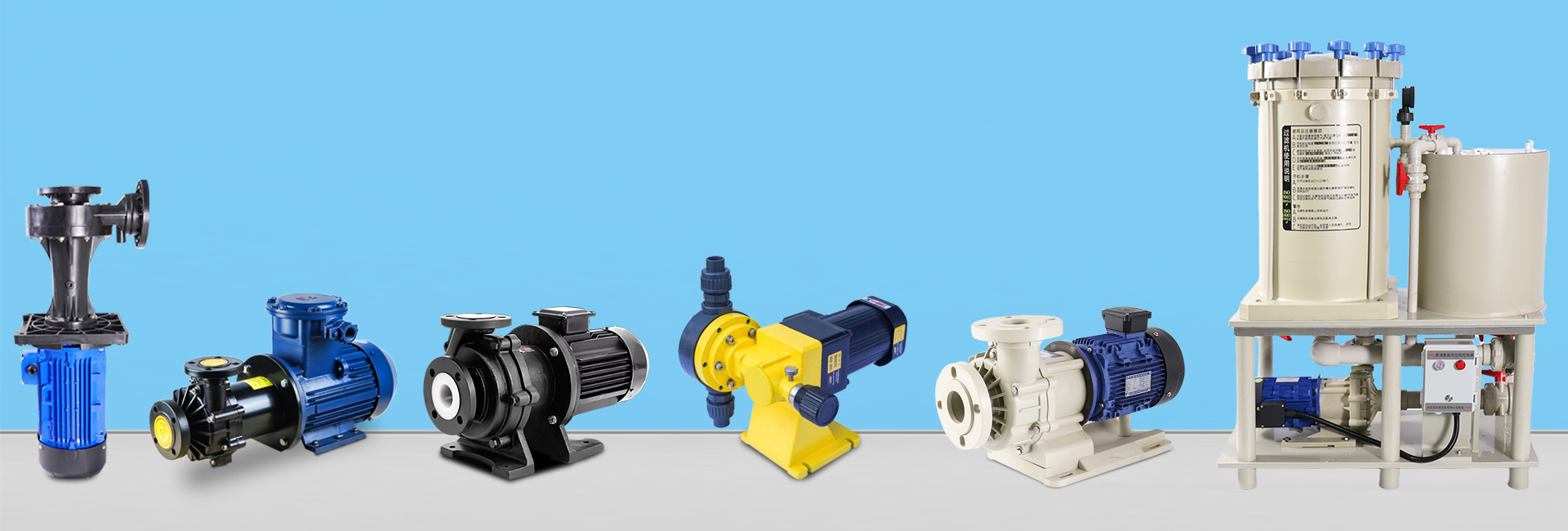
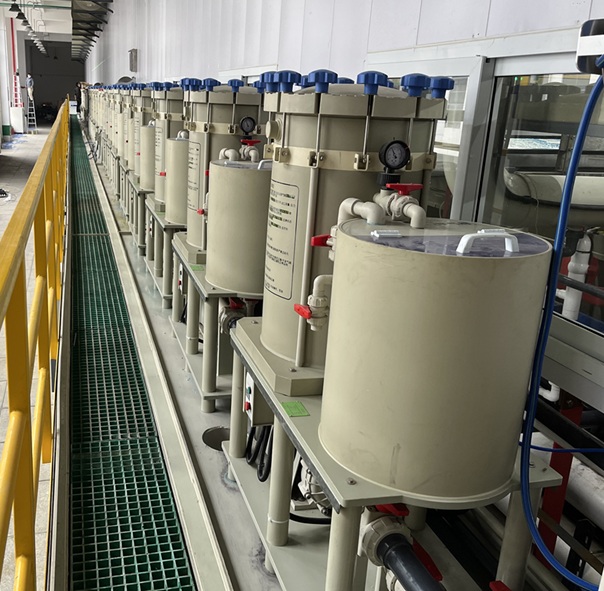
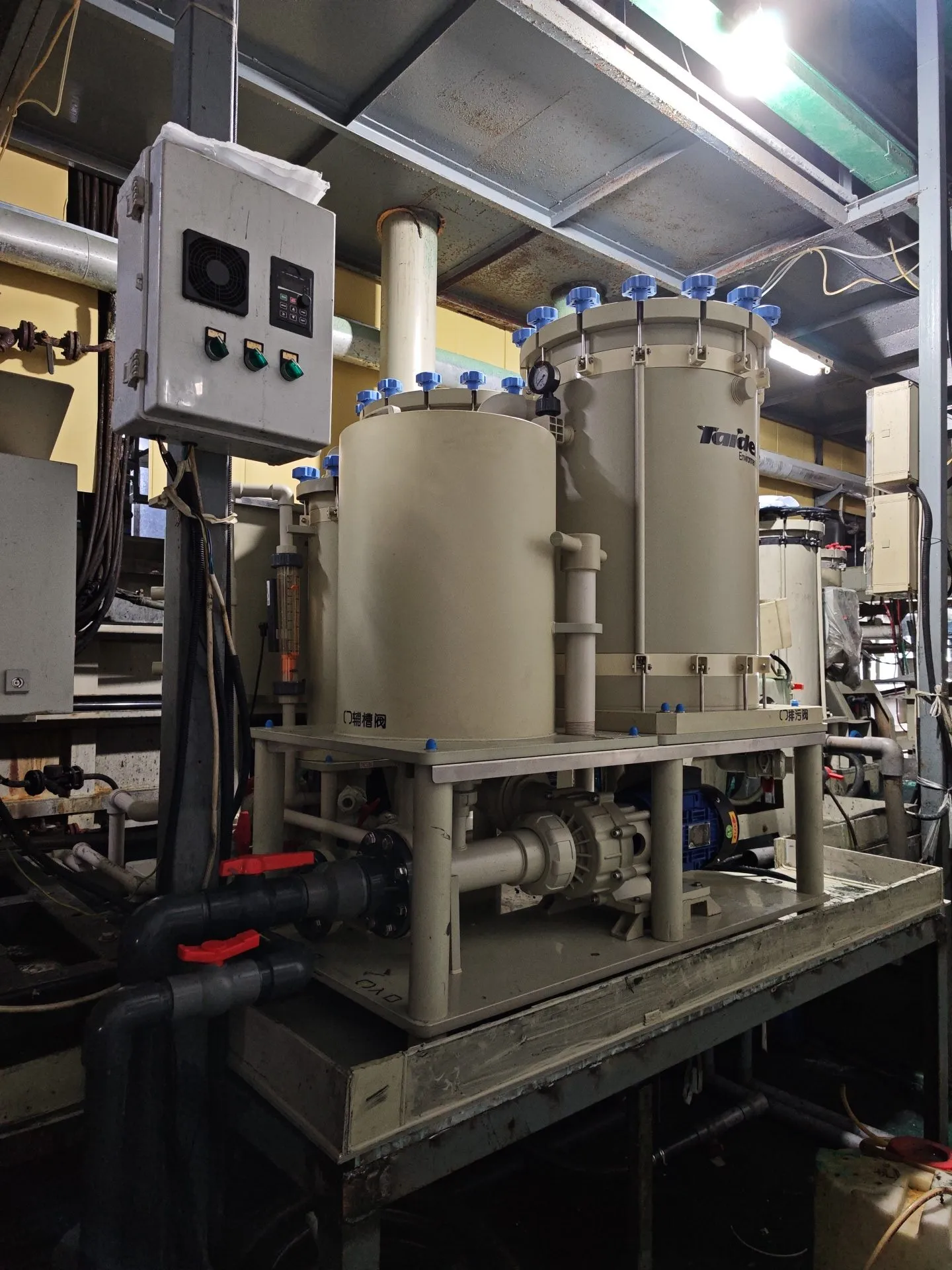
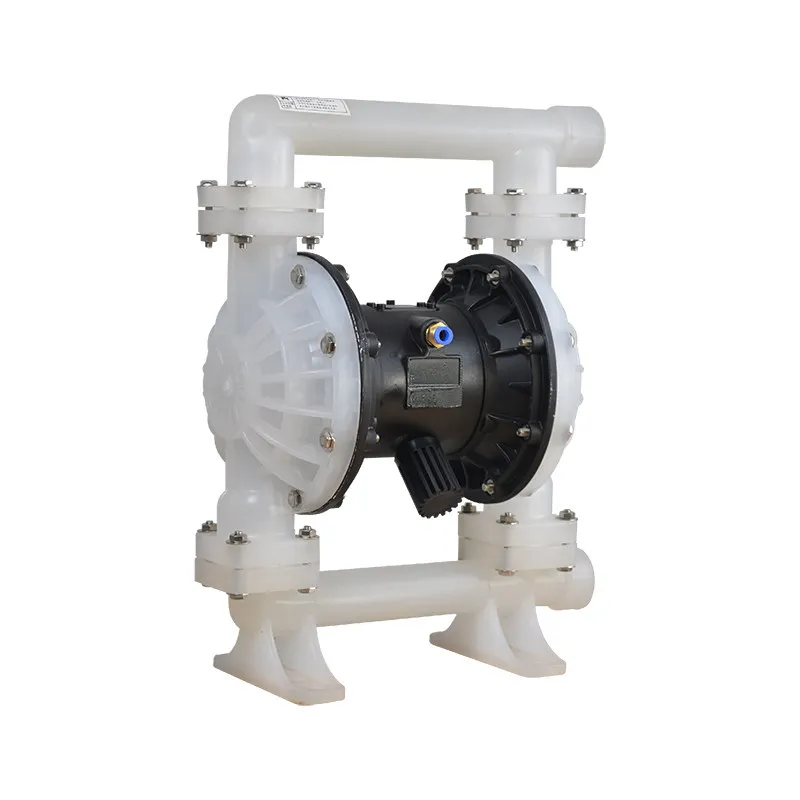
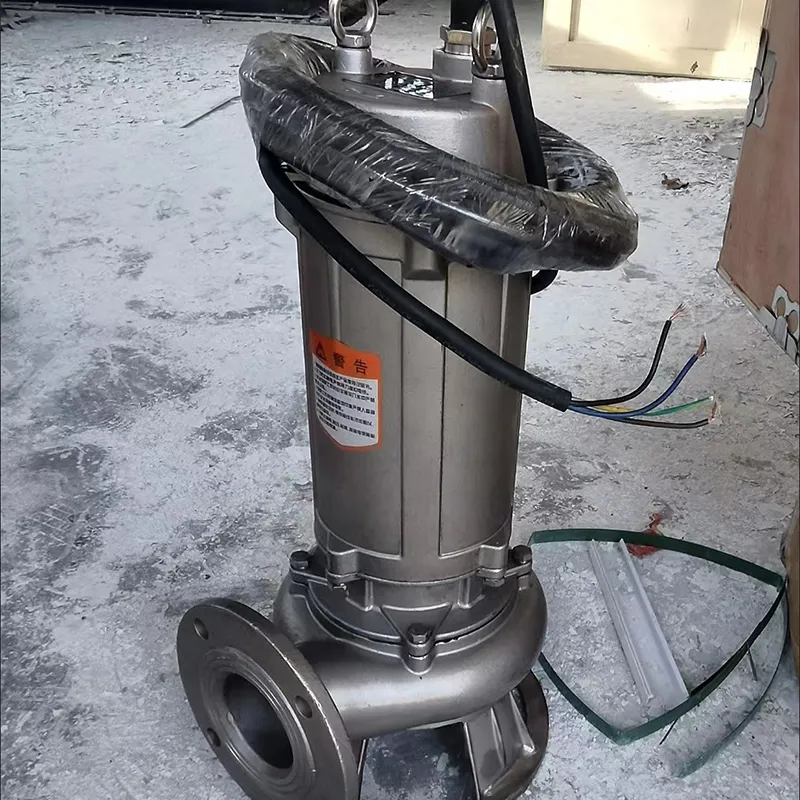
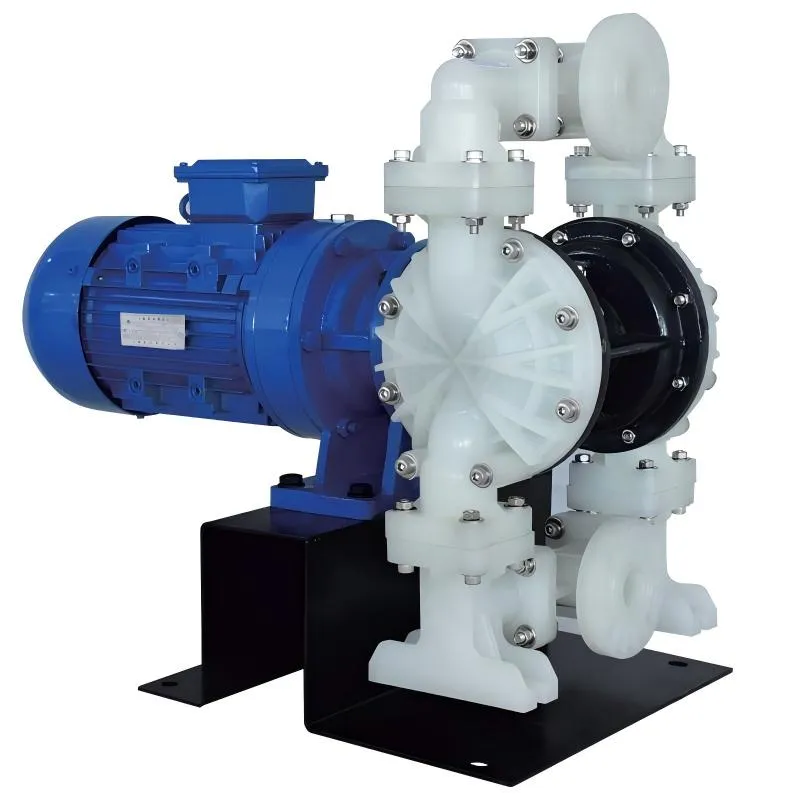

In the field of modern industrial fluid transfer, traditional mechanically sealed pumps often struggle when dealing with high-viscosity, corrosive, or hazardous media. The High-Viscosity Fluid Self-Priming Magnetic Pump, which combines the dual advantages of leak-free operation and self-priming capability, is becoming the preferred solution for an increasing number of critical applications.
This article will delve into the working principle of this advanced pump, its unique benefits, and the key considerations when handling high-viscosity fluids, helping you better understand and utilize this technology.
I. Core Technology Analysis: How It Works
The High-Viscosity Fluid Self-Priming Magnetic Pump is an innovative combination of magnetic drive technology and self-priming capability. Understanding its operation requires examining both the “magnetic drive” and the “self-priming function.”
1. Magnetic Drive (Leak-Free) Principle
The most prominent feature of a magnetic pump is the absence of a mechanical shaft seal. It transmits power through a magnetic coupling, achieving complete sealing of the pumped medium.
-
Driving Component: The outer magnet (drive magnet) is connected to the motor shaft.
-
Driven Component: The inner magnet (driven magnet) is connected to the impeller shaft, and this entire assembly is submerged in the pumped liquid.
-
Containment Shell: The outer and inner magnets are separated by a fully enclosed containment shell (rear casing).
-
Power Transmission: When the motor starts, the outer magnet rotates, and its magnetic force penetrates the containment shell, synchronously driving the inner magnet and the impeller. This achieves non-contact power transfer.
-
Advantage: The liquid is completely contained within the pump chamber, entirely eliminating the risk of leakage associated with traditional mechanical seals.
2. Self-Priming Function Principle

The uniqueness of the self-priming pump lies in its ability to automatically expel air from the pump casing and suction pipeline, creating a vacuum to draw liquid up, without requiring manual pre-filling (priming).
-
Built-in Reservoir: Self-priming magnetic pumps typically feature an internal liquid reservoir or gas-liquid separation chamber. This chamber retains sufficient liquid when the pump stops.
-
Start-up and Air Evacuation: Upon startup, the impeller rotates at high speed, rapidly mixing the liquid retained in the reservoir with the air in the suction pipe, forming a gas-liquid mixture.
-
Gas-Liquid Separation: This mixture is then routed to the separation chamber. Due to density differences, the lighter air is expelled through the discharge port, while the denser liquid flows back to the impeller area.
-
Continuous Cycle: This cycle continues until all the air in the suction pipe is cleared, and a sufficiently high vacuum is established inside the pump.
-
Normal Pumping: Once the pipeline is full of liquid, the pump switches to normal centrifugal pump operation, continuously transferring the fluid.
II. Challenges and Solutions for High-Viscosity Fluids
Pumping high-viscosity fluids (such as resins, syrups, heavy oils, etc.) presents greater challenges than pumping ordinary liquids:
-
Increased Energy Consumption: Higher viscosity means greater friction resistance in the pipelines and pump casing, significantly increasing the power required to drive the pump.
-
Reduced Self-Priming Performance: High-viscosity fluids have poor flow characteristics during the gas-liquid mixing and separation process, which can prolong the self-priming time or reduce the self-priming height.
-
Magnetic Torque Limitation: Magnetic couplings have a maximum rated torque. The greater power required for high-viscosity fluids can exceed this rated value, leading to magnetic coupling decoupling (slippage), causing the pump to stall or suffer damage.
Mitigation Strategies:
-
Select Appropriate Pump Type: For high-viscosity media, positive displacement principles (like internal gear or screw) combined with magnetic drive (e.g., Magnetic Gear Pumps) are often used instead of traditional centrifugal pumps, as they offer stronger pressure and more stable flow.
-
Rare Earth Magnets: High-performance Rare Earth permanent magnet materials (such as NdFeB) are used in the magnetic coupling to provide higher torque and prevent decoupling.
-
Optimized Flow Path Design: Specially designed flow paths and impellers are used to reduce frictional resistance and hydraulic losses when high-viscosity fluids pass through.
III. Key Advantages (SEO Key Points)
The primary reasons for choosing a High-Viscosity Fluid Self-Priming Magnetic Pump are:
-
Zero-Leakage Safety Assurance (Sealless Safety): Completely eliminates the risk of mechanical seal leakage, making it especially suitable for transferring toxic, flammable, explosive, or highly corrosive fluids.
-
Efficient and Convenient Self-Priming (Efficient Self-Priming): No external priming device or foot valve is needed, simplifying the start-up process and increasing the efficiency of intermittent operations.
-
Low Maintenance Cost (Low Maintenance): No seals mean no friction wear, which reduces maintenance frequency and part replacement costs.
-
Wide Operating Range (Broad Application): Capable of handling liquids containing minor amounts of gas and high-viscosity fluids that need to be drawn from a distance below the liquid surface.
IV. Application Fields
Thanks to its unique performance, the High-Viscosity Fluid Self-Priming Magnetic Pump is widely used in the following industries:
-
Chemical Industry: Transferring high-viscosity acids, bases, resins, and polymer emulsions.
-
Oil and Gas/Petrochemical: Handling heavy oil, asphalt, and viscous additives.
-
Pharmaceutical/Food: Pumping syrups, honey, high-concentration solvents, and fluids requiring high cleanliness and zero contamination.
-
Water Treatment: Transferring high-viscosity flocculants and sludge.
? Conclusion
The High-Viscosity Fluid Self-Priming Magnetic Pump is a testament to the advancements in industrial pumping technology. It combines the leak-free safety of magnetic drive with the convenience of a self-priming pump, effectively solving two major challenges in the transfer of high-viscosity and hazardous fluids. When selecting a pump, users should carefully evaluate the magnetic coupling’s torque capacity based on the fluid’s actual viscosity, required flow rate/head, and temperature to ensure long-term, reliable, and efficient operation of the pump system.