
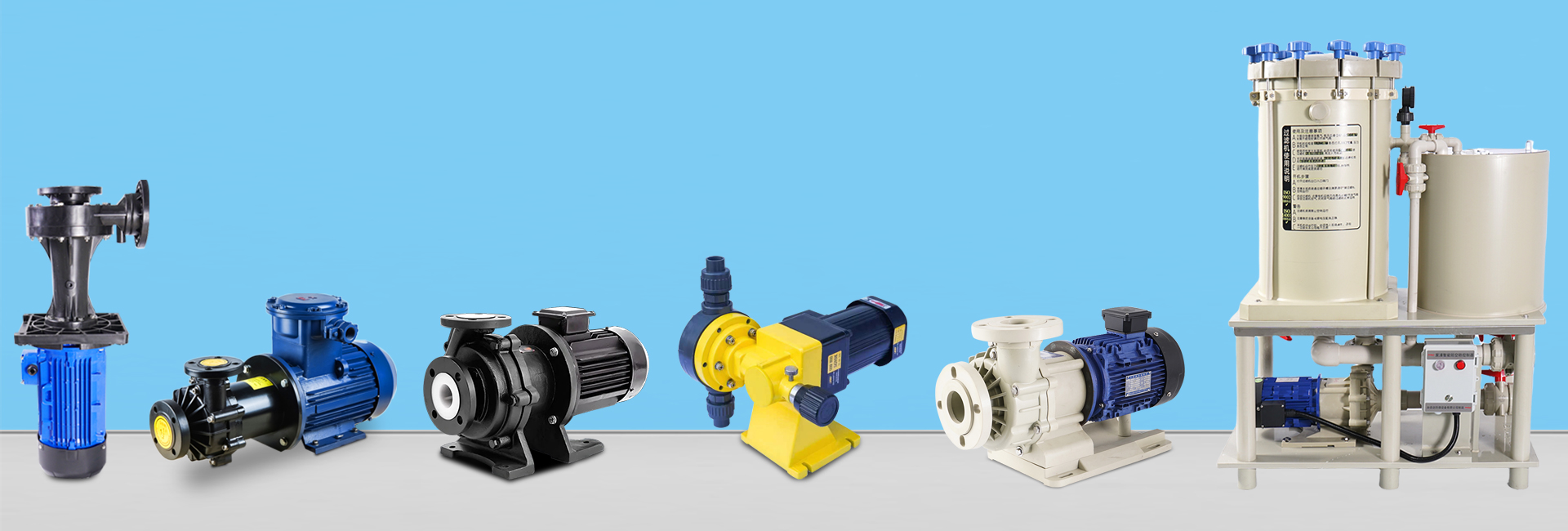
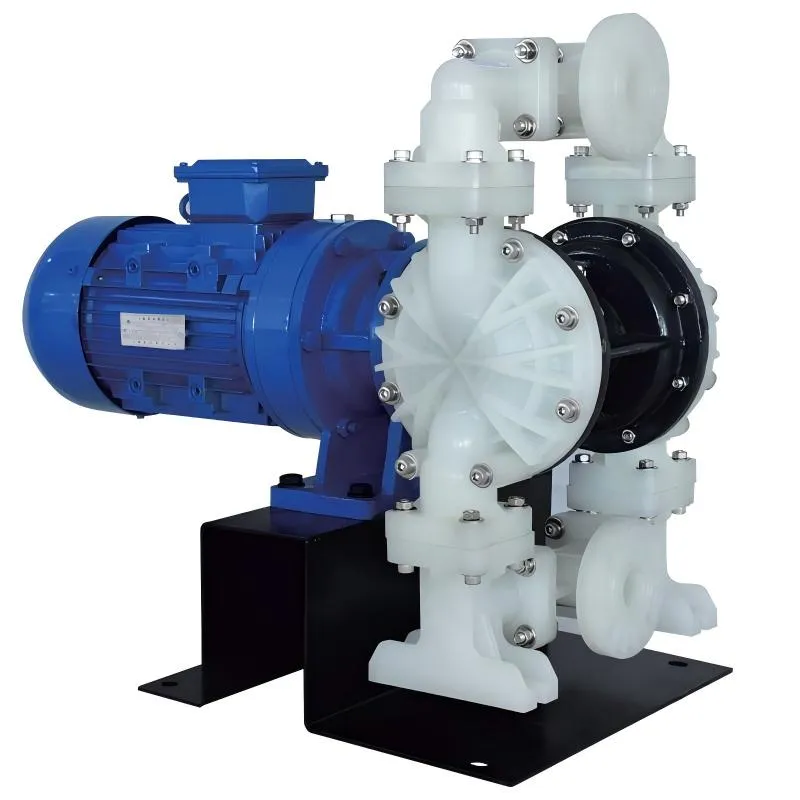

The magnetic drive pump operates through a non-contact power transmission mechanism that uses magnetic coupling instead of a mechanical seal. Its core components include the motor, outer magnetic rotor, isolation sleeve, inner magnetic rotor, and impeller. When the motor starts, the outer magnetic rotor rotates, and the magnetic field penetrates the isolation sleeve, driving the inner magnetic rotor to rotate the impeller. This process creates suction and discharge, enabling fluid transfer.

Because the power transfer is completely sealed and requires no dynamic mechanical seal, the pump eliminates leakage caused by seal wear. This makes magnetic pumps ideal for handling corrosive, volatile, toxic, or high-purity liquids. Industries such as chemical processing, electroplating, pharmaceuticals, and water treatment commonly rely on magnetic pumps for their reliability and safety.
A key feature of magnetic pumps is their “zero-leakage” performance. The isolation sleeve is usually made of corrosion-resistant materials such as PTFE, stainless steel, or ceramic, ensuring long-term chemical stability. However, the pump must never run dry. Dry running can cause rapid temperature rise inside the pump, damaging the isolation sleeve and bearings. For this reason, magnetic pumps are often paired with level protection switches or temperature monitoring devices.
A simple summary of magnetic pump characteristics:
| Item | Details |
|---|---|
| Main Advantages | No leakage, simple structure, corrosion resistance |
| Typical Uses | Chemical processing, plating, semiconductors, pharmaceuticals |
| Precautions | Avoid dry running, avoid particles, ensure proper cooling |
As a sealing-free solution, the magnetic drive pump delivers high performance while greatly reducing environmental and operational risks. With correct material selection, flow conditions, and protective systems, the magnetic pump can maintain stable and efficient operation in demanding industrial environments.