
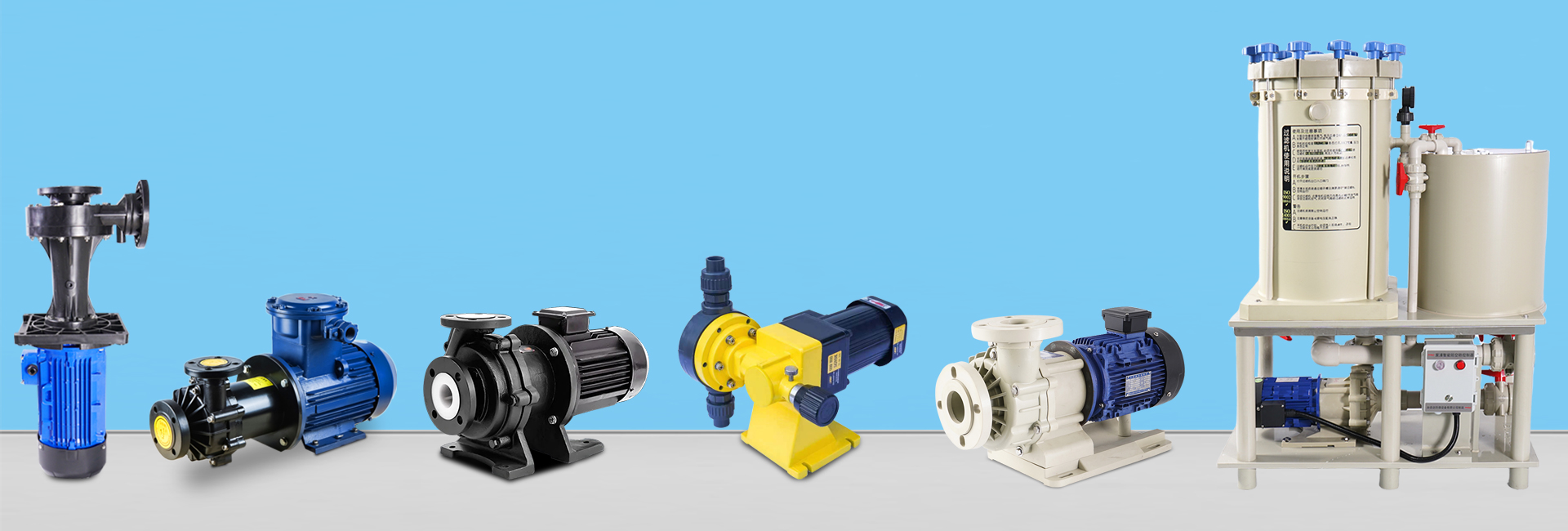
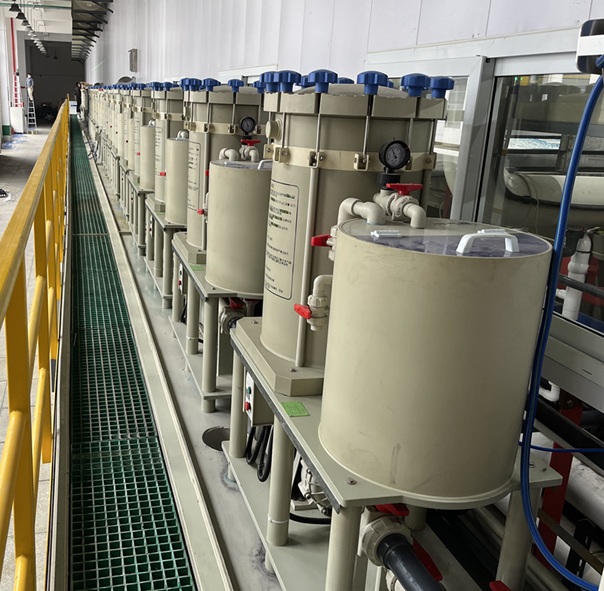
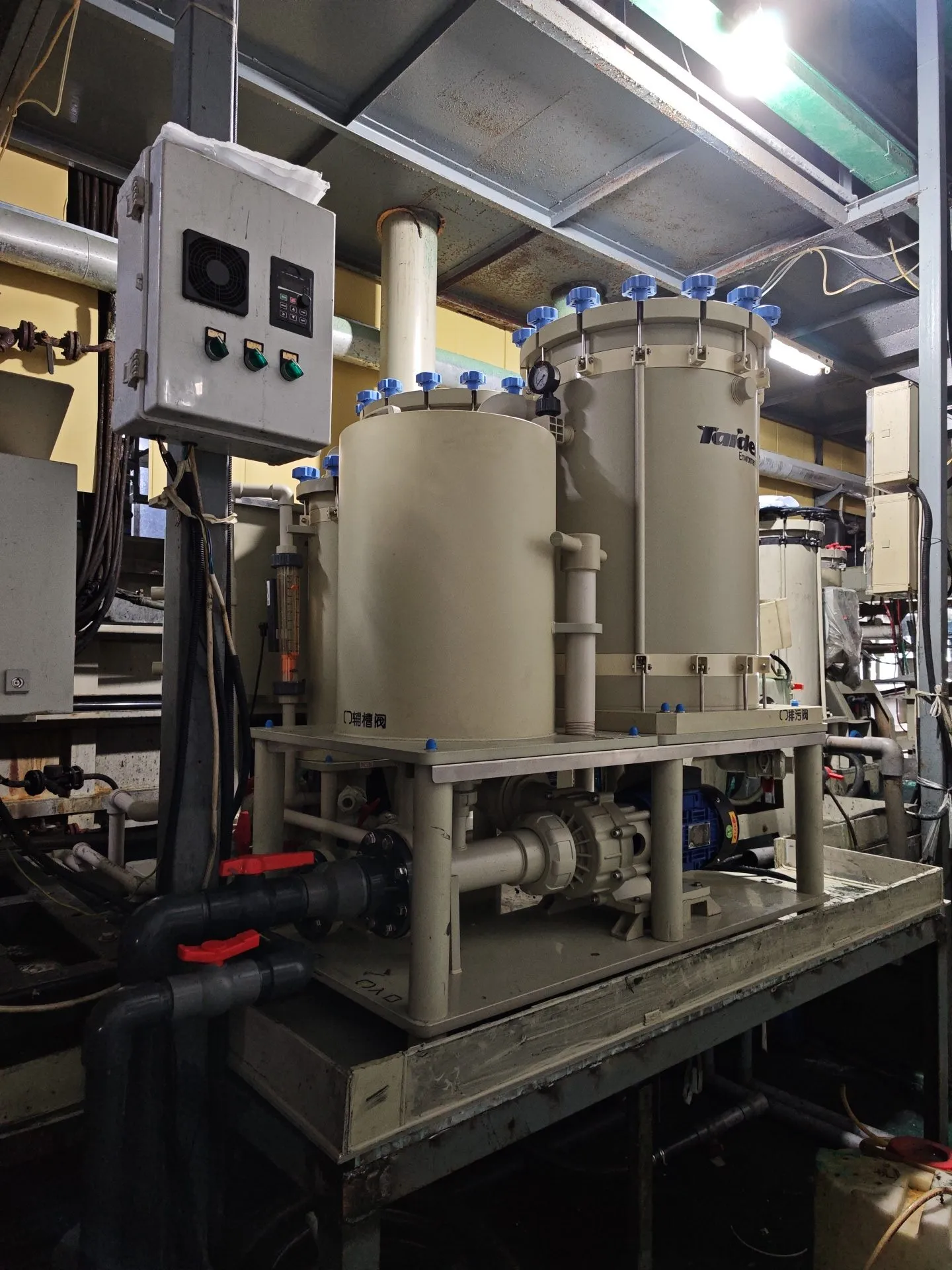

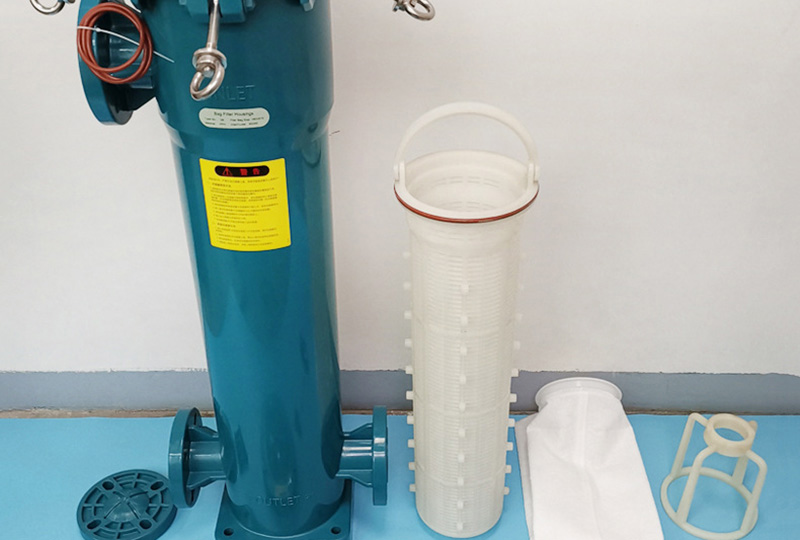
Abnormal noise during the operation of a bag filter usually stems from four main issues: mechanical friction, fluid turbulence, loose or damaged components, or improper installation.
The recommended troubleshooting sequence is:
Stop operation → Identify noise type → Apply targeted solutions, while ensuring safe maintenance procedures. Avoid servicing under pressure or with material still inside the vessel.
Below is a practical, step-by-step guide optimized for real industrial maintenance scenarios.
1. Perform Basic Safety Checks First (Required for All Noise Types)
Before diagnosing, always complete these steps:
-
Stop the system, depressurize, and isolate inlet/outlet valves.
-
Cut off material flow to prevent leakage or sudden movement.
-
Check whether the equipment base or support frame is loose or uneven.
-
Confirm anchor bolts and supports are secure.
-
Perform a visual inspection:
-
Vessel deformation
-
Filter bag displacement
-
Pipe vibration or resonance
-
These checks often eliminate simple causes quickly.
2. Diagnose by Noise Type and Apply Targeted Solutions
Type 1 — Metallic Friction or Scraping Noise
(Sharp, continuous sound that changes with operating speed)
Common Causes
-
Deformed or loose filter bag cage rubbing the vessel wall
-
Broken welds or metal fragments inside
-
Loose inlet/outlet internal parts such as deflectors
Solutions
-
Open the cover and remove filter bag and cage.
-
Replace bent cages; do not attempt to straighten them.
-
Remove internal metal debris.
-
Tighten or replace loose basket supports and internal parts.
-
Inspect deflectors and flange internals for looseness.
Type 2 — Vibration or Resonance Noise
(Low-frequency humming with pipe or equipment shaking)
Common Causes
-
Excessive flow velocity
-
Unsupported piping causing resonance
-
Weak equipment foundation
-
Improperly installed filter bag causing vibration
Solutions
-
Adjust valves to maintain flow within design limits (typically ≤10 m/h filtration velocity).
-
Install pipe supports and vibration dampers.
-
Add rubber anti-vibration pads under the filter base.
-
Reinstall filter bags correctly, ensuring tight sealing and no movement gap.
Type 3 — Fluid Impact or Turbulence Noise
(Rushing or roaring sound varying with flow rate)
Common Causes
-
Direct fluid impact on filter bag or vessel wall
-
Blocked filter bag increasing local velocity
-
Sudden pipe diameter changes creating turbulence
Solutions
-
Install inlet diffusers or deflector plates.
-
Clean or replace clogged filter bags.
-
Modify piping with gradual reducers/expanders to reduce turbulence.
Type 4 — Intermittent Impact Noise
(Occasional knocking or banging sounds)
Common Causes
-
Torn or displaced filter bags
-
Foreign objects inside the vessel
-
Loose or fallen sealing components
Solutions
-
Replace damaged filter bags immediately.
-
Remove internal debris completely.
-
Check upstream pre-filtration equipment.
-
Reinstall or replace O-rings and gaskets.
Type 5 — Noise Under High-Temperature Operation
(Often accompanied by odor or vibration in hot processes)
Common Causes
-
High-temperature aging of seals causing friction
-
Thermal expansion of metal parts reducing clearance
-
Filter bag hardening or shrinking
Solutions
-
Replace seals with high-temperature materials such as FKM or silicone.
-
Ensure proper thermal expansion clearance.
-
Select suitable filter bag materials:
-
PP ≤80°C
-
PE ≤100°C
-
PTFE ≤260°C
-
3. Preventive Measures to Avoid Recurrent Noise
Routine Maintenance
-
Weekly inspection of bolts, pipe supports, and seals.
-
Monthly inspection of filter bags and cages.
-
Replace aging components promptly.
Control Operating Conditions
Operate strictly within designed flow, temperature, and pressure limits.
Install Pre-Filtration
Use upstream strainers to prevent large particles entering the filter.
Correct Installation Practices
Ensure filter bags, cages, and seals are correctly installed each time maintenance is performed.
4. Important Safety Notes
-
When handling corrosive or toxic fluids, flush and clean the system before maintenance.
-
Never service equipment under pressure or high temperature.
-
If noise is accompanied by pressure spikes, leakage, or vessel deformation, stop operation immediately and inspect the equipment thoroughly.