
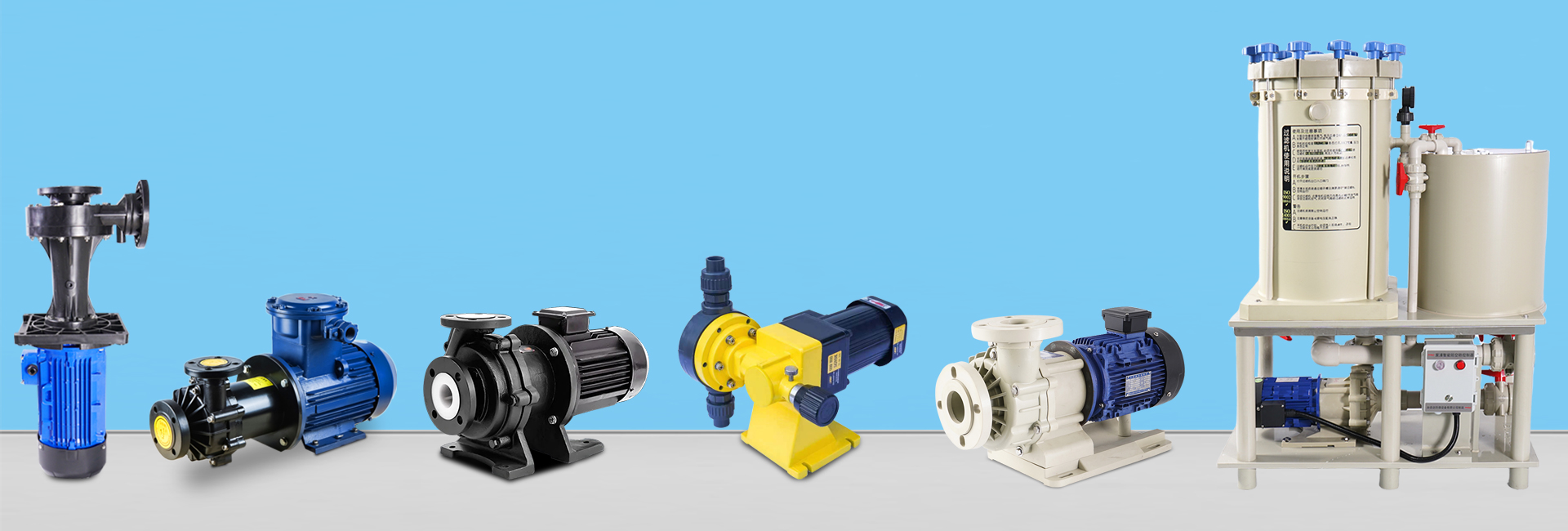
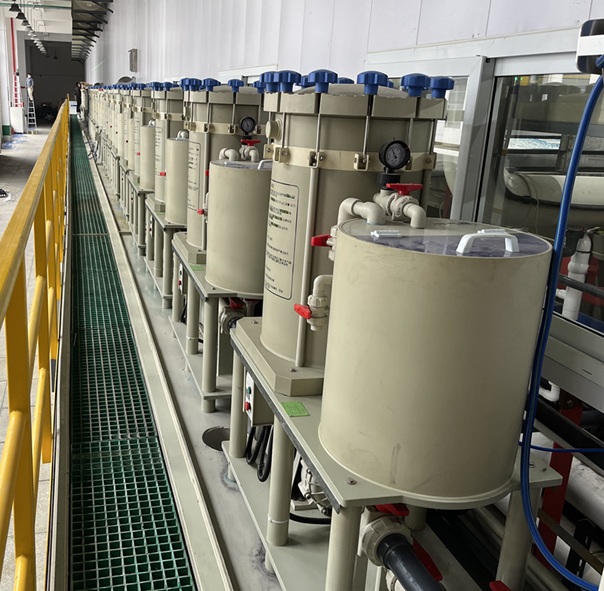
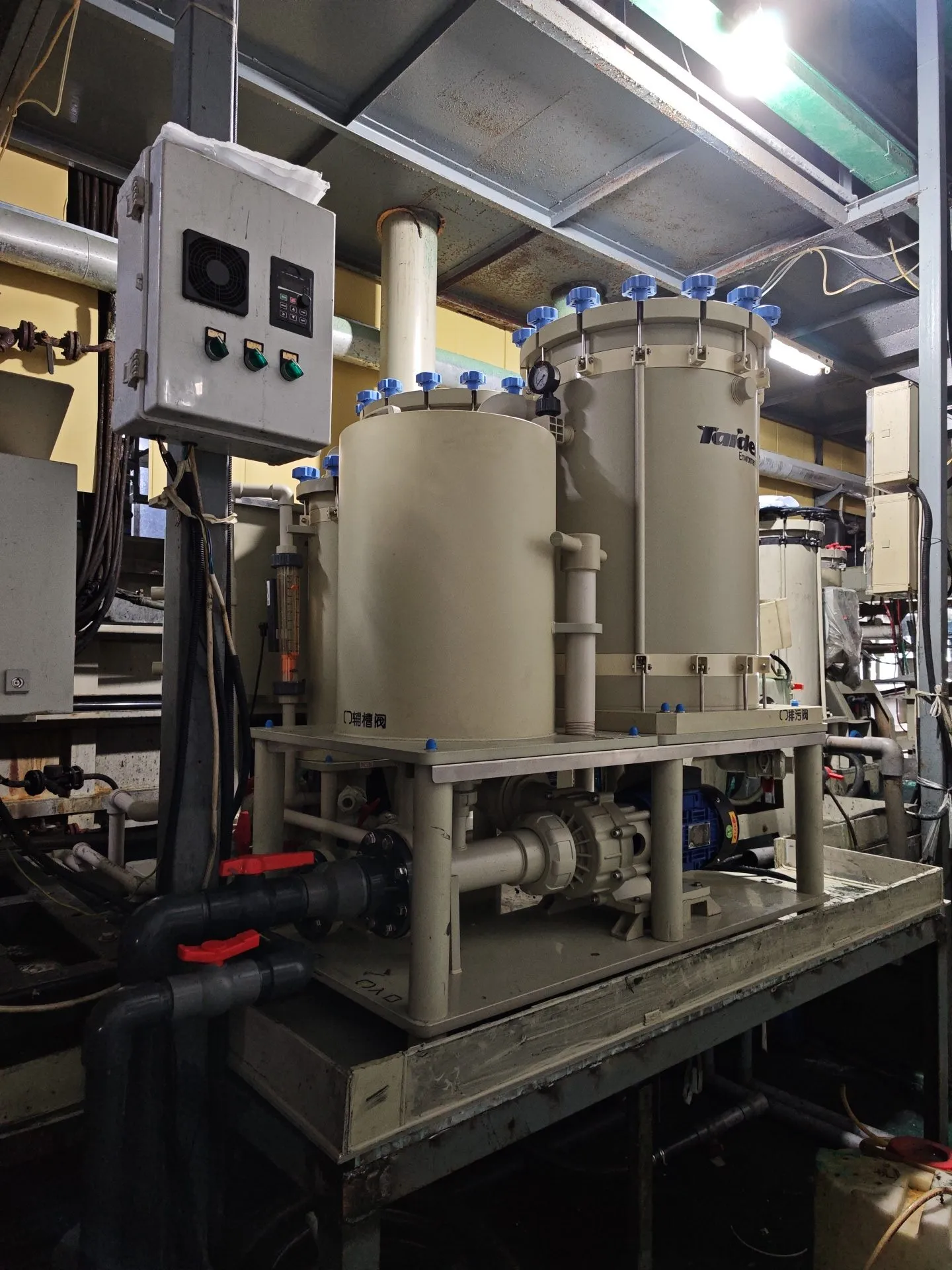
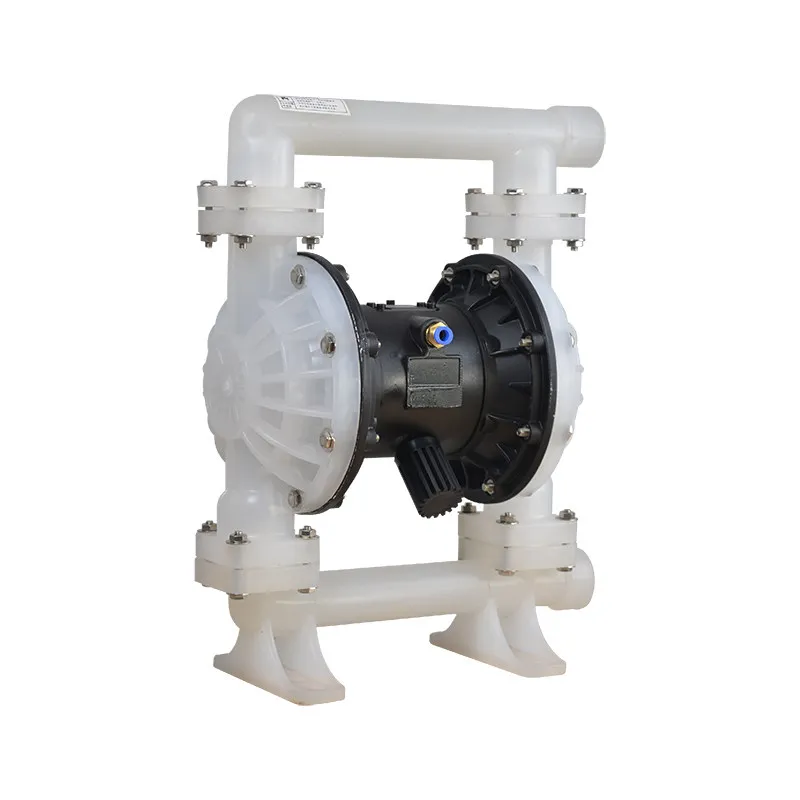

Although magnetic drive pumps look similar to conventional centrifugal pumps, their internal structure is fundamentally different. The core components are precisely designed to ensure safe torque transmission and long service life.

1. Magnetic Drive System
The magnetic drive system consists of an outer magnet assembly, an inner magnet assembly, and a containment shell. Torque is transmitted through magnetic coupling rather than a physical shaft, eliminating leakage paths.
2. Key Component Functions
Key Components and Their Roles
| Component | Common Materials | Function |
|---|---|---|
| Outer magnet | Rare-earth magnets | Transfers motor power |
| Inner magnet | Rare-earth magnets | Drives impeller rotation |
| Containment shell | PVDF / PTFE / Ceramic | Sealing and magnetic isolation |
| Sliding bearings | Silicon carbide / graphite | Rotor support and guidance |
3. Material Selection Considerations
Material selection depends heavily on the pumped medium. For highly corrosive liquids, fluoroplastic or lined structures are preferred. For high-temperature applications, attention must be paid to the temperature resistance of the magnetic material to avoid demagnetization.
Bearings are usually lubricated by the pumped liquid itself, which makes proper operating conditions essential.
4. Structural Design Significance
A well-designed structure reduces vibration, minimizes energy loss, and extends the service life of both bearings and magnetic components. This is why structural optimization is a key factor in magnetic drive pump reliability.