
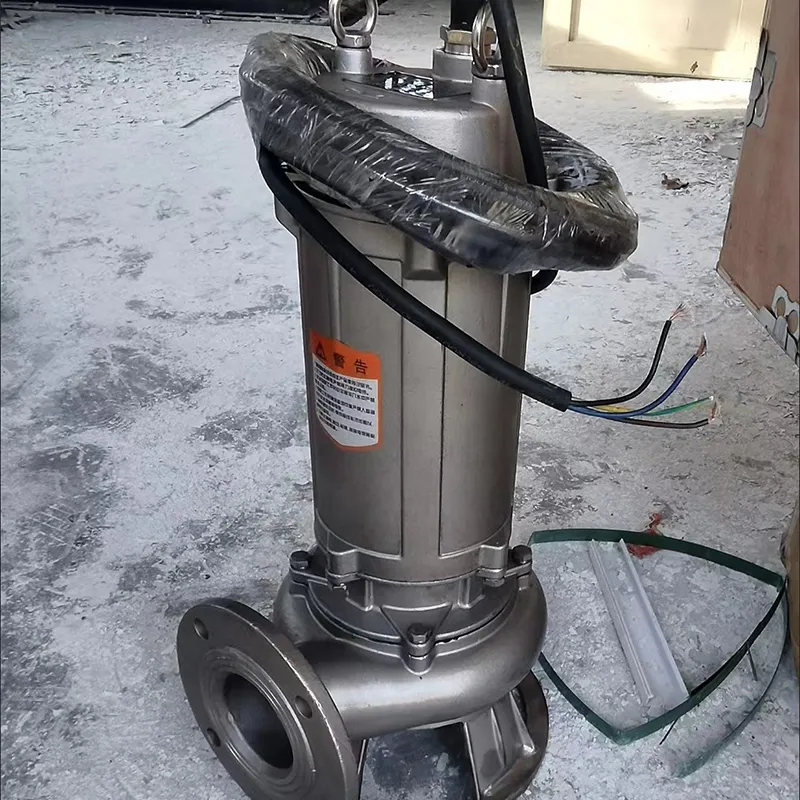
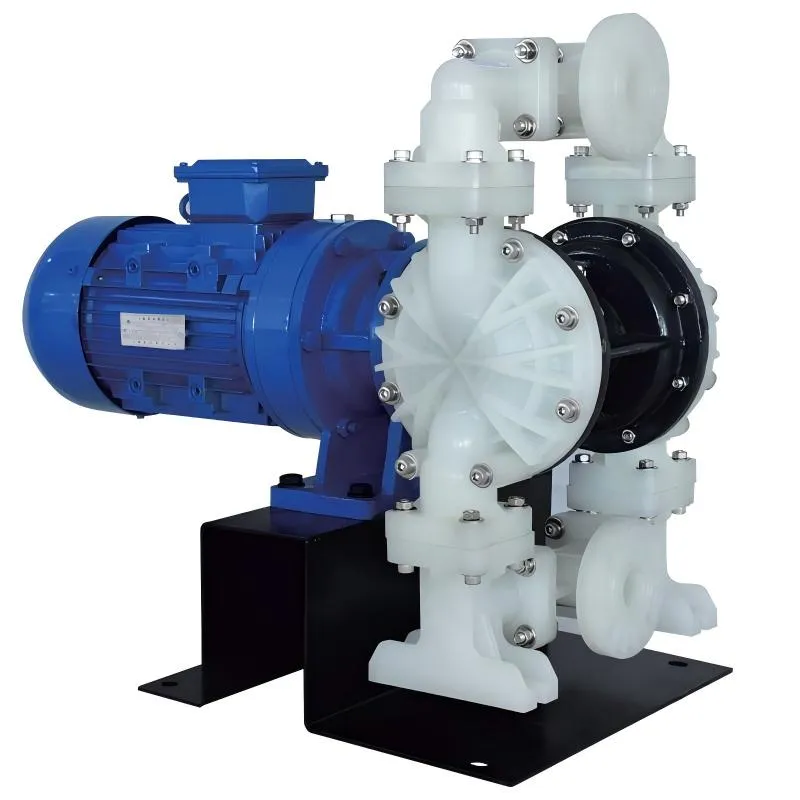

1. Role of Magnetic Drive Pumps in Cooling Systems
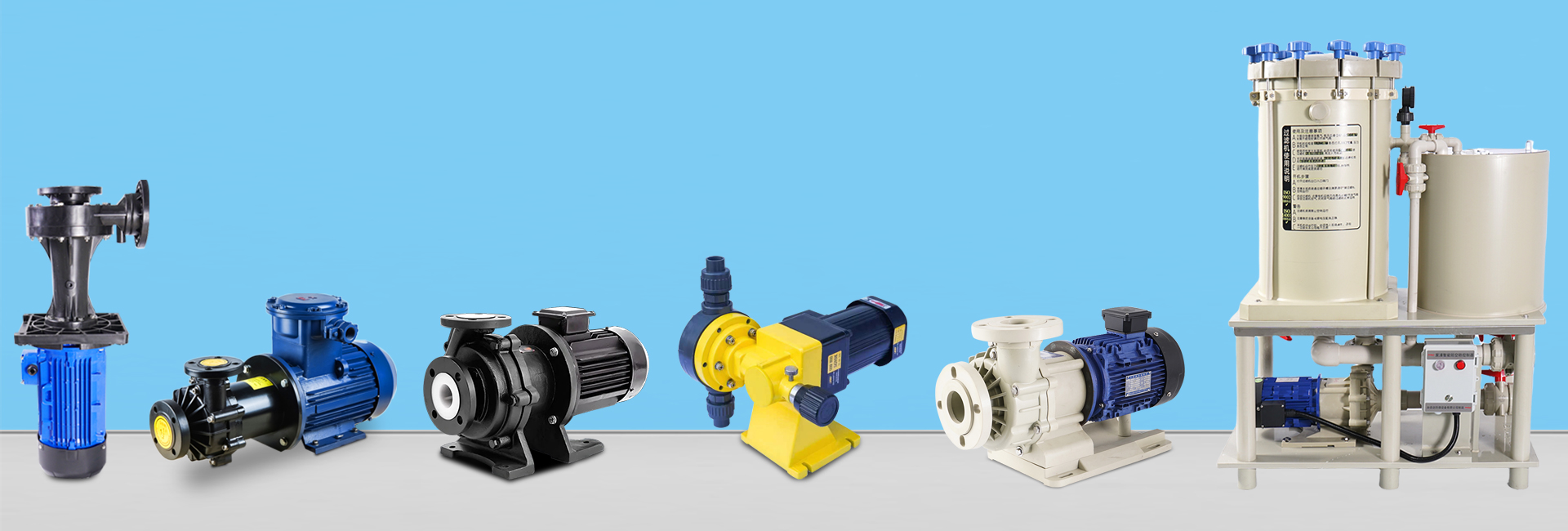
A magnetic drive pump (Magnetic Drive Pump) is a seal-less pump that transmits power through magnetic coupling. Its advantages include high sealing performance and no leakage, making it suitable for:
-
Hazardous or corrosive fluids
-
High-temperature liquids
-
Systems requiring cleanliness and zero leakage
In cooling systems, the main benefits of magnetic drive pumps are:
-
Leak-free operation: Prevents coolant leakage that could damage equipment or the environment
-
Corrosion resistance: Suitable for coolants with additives or naturally corrosive fluids
-
Low maintenance: No mechanical seals, providing long-term stable operation
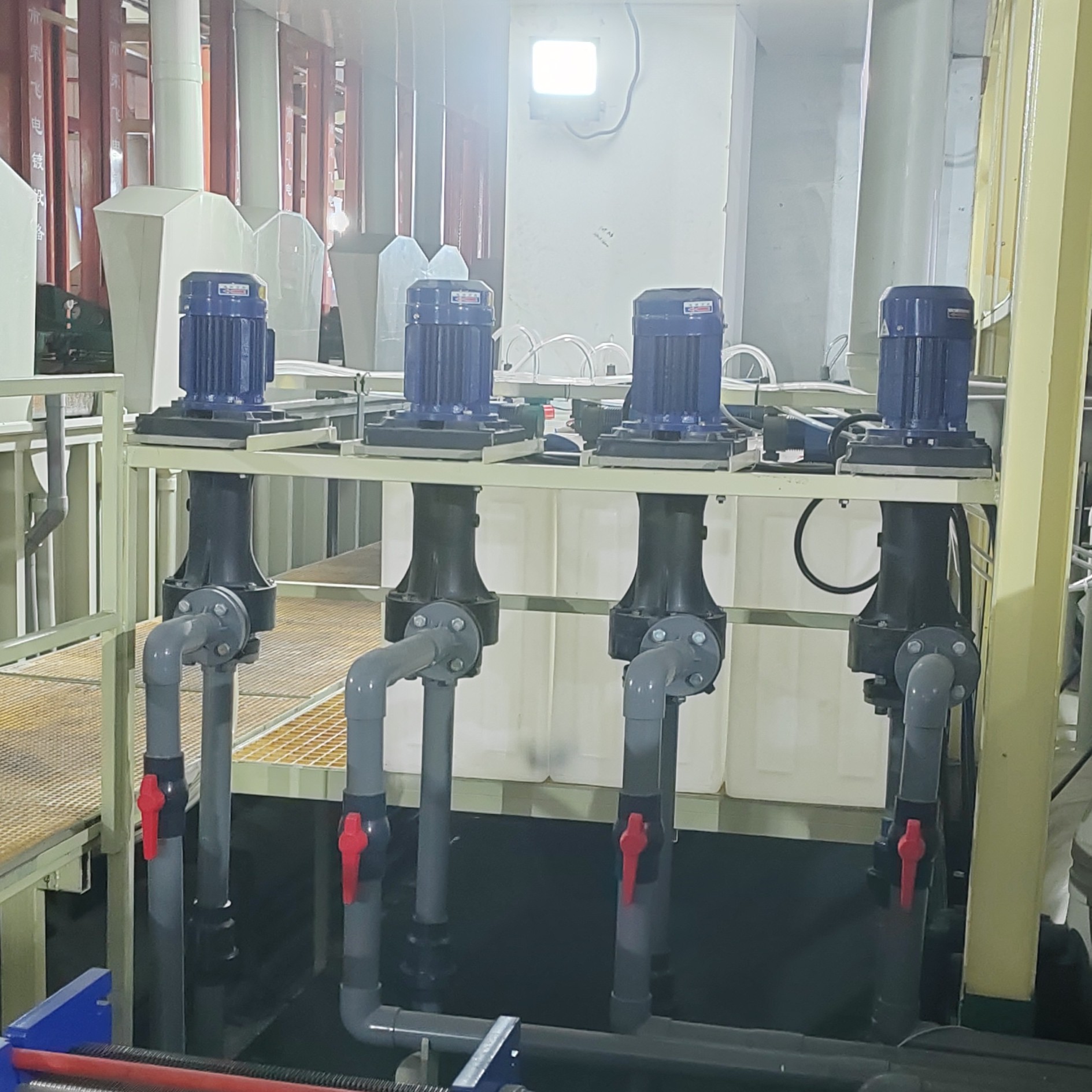
2. Characteristics of Large-Flow Magnetic Drive Pumps
Large-flow magnetic drive pumps usually have a flow rate ranging from tens to hundreds of cubic meters per hour. Their key characteristics include:
-
High flow, low head: Ideal for circulating coolant in large systems
-
Single-stage or multi-stage designs: Multi-stage increases pressure, single-stage is suitable for high flow
-
Material options: Commonly stainless steel, fluoroplastic, or lined with PTFE to resist corrosion
-
Motor matching: Typically equipped with high-efficiency motors for continuous operation
3. Selection Considerations for Cooling Systems
-
Flow rate and head matching
-
Calculate flow (Q) and required head (H) based on the cooling system’s thermal load
-
Incorrect sizing affects cooling efficiency and pump performance
-
-
Fluid temperature and chemical properties
-
Ambient temperature water or low-temperature liquids: standard stainless steel pump
-
High-temperature or corrosive fluids: fluoroplastic or special alloy pumps
-
-
Efficiency and energy saving
-
Choose high-efficiency pumps and motors
-
Consider variable frequency drives to adjust flow according to load, saving energy
-
-
Installation and maintenance
-
Install pumps close to cooling towers or heat sources
-
Ensure horizontal installation to avoid cavitation and dry running
-
Keep piping short and straight to reduce resistance
-
4. Typical Applications
-
Electronics manufacturing: Clean coolant circulation
-
Plastics and chemical industries: Corrosion-resistant cooling water systems
-
Machining and metalworking: Oil or water circulation systems
-
Semiconductor or photovoltaic industries: High-precision temperature control cooling