
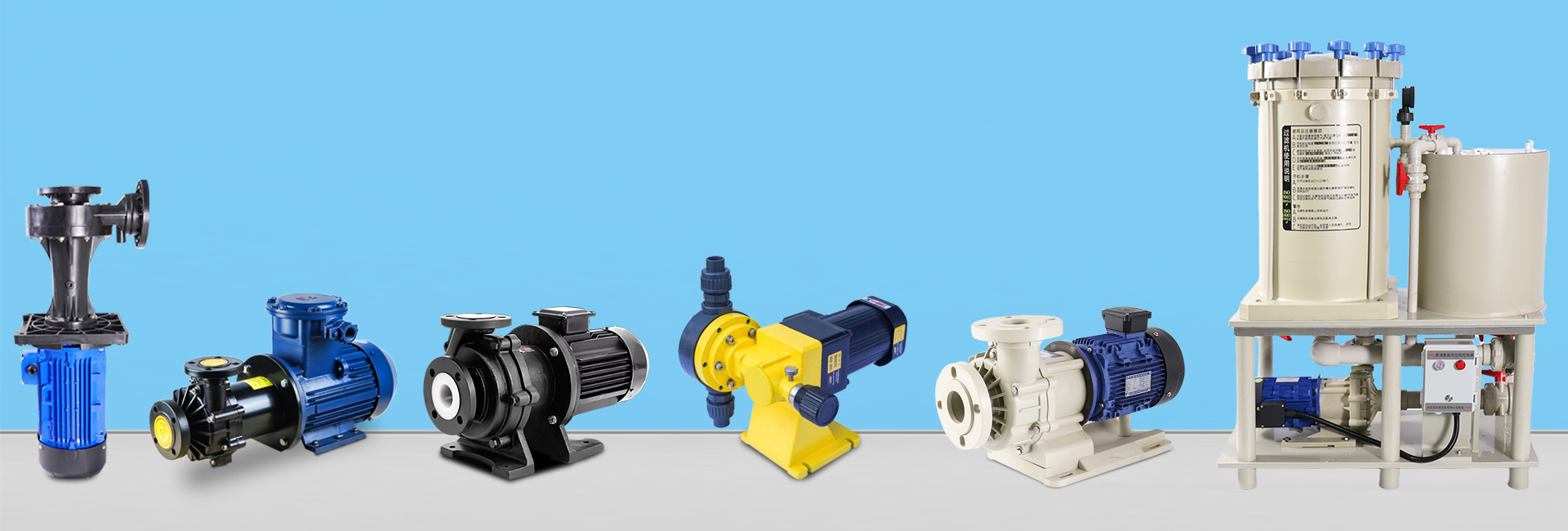
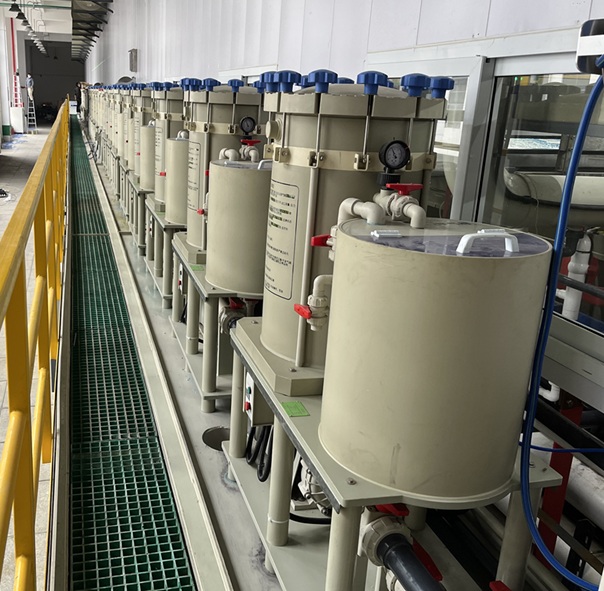
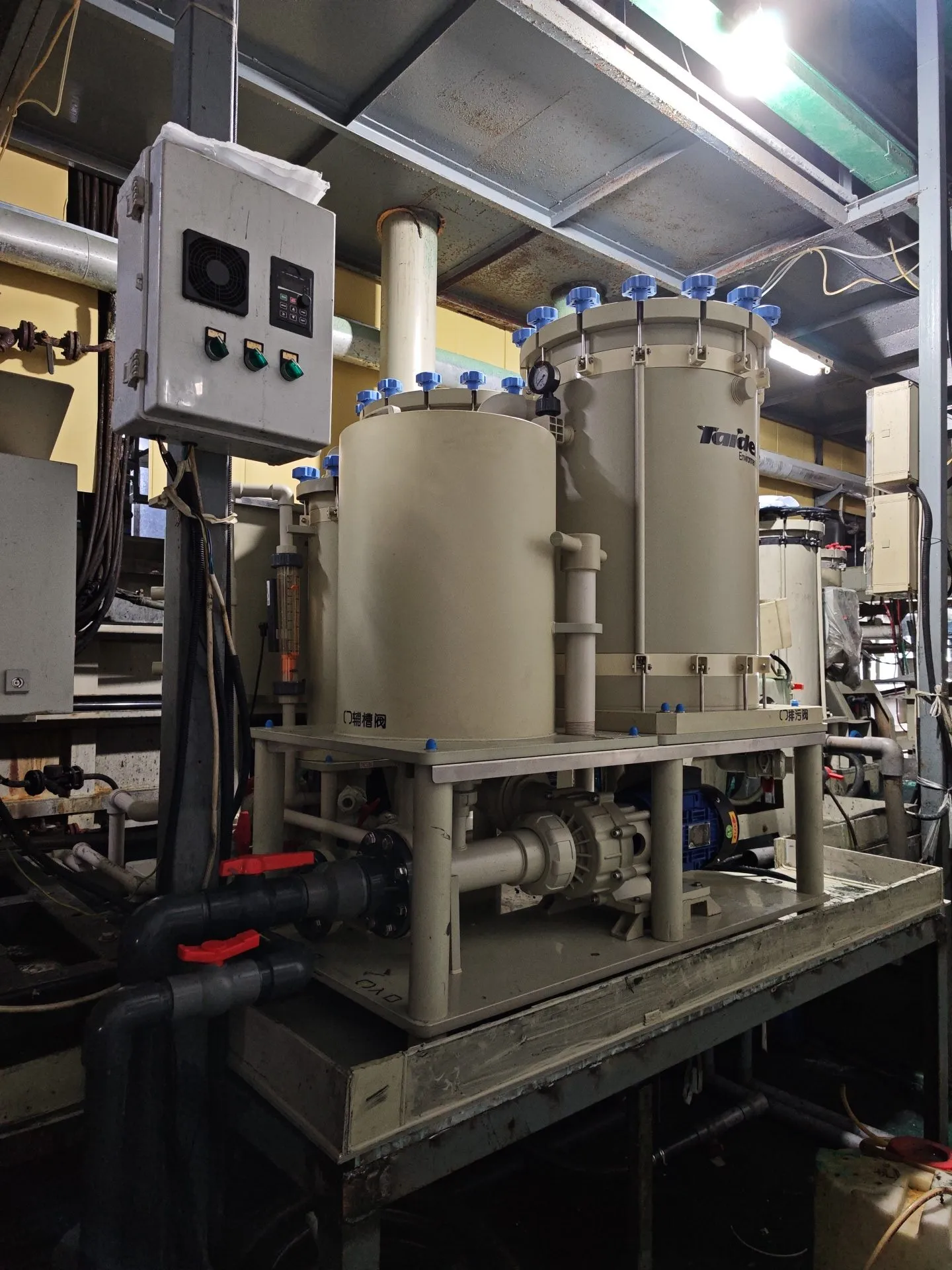
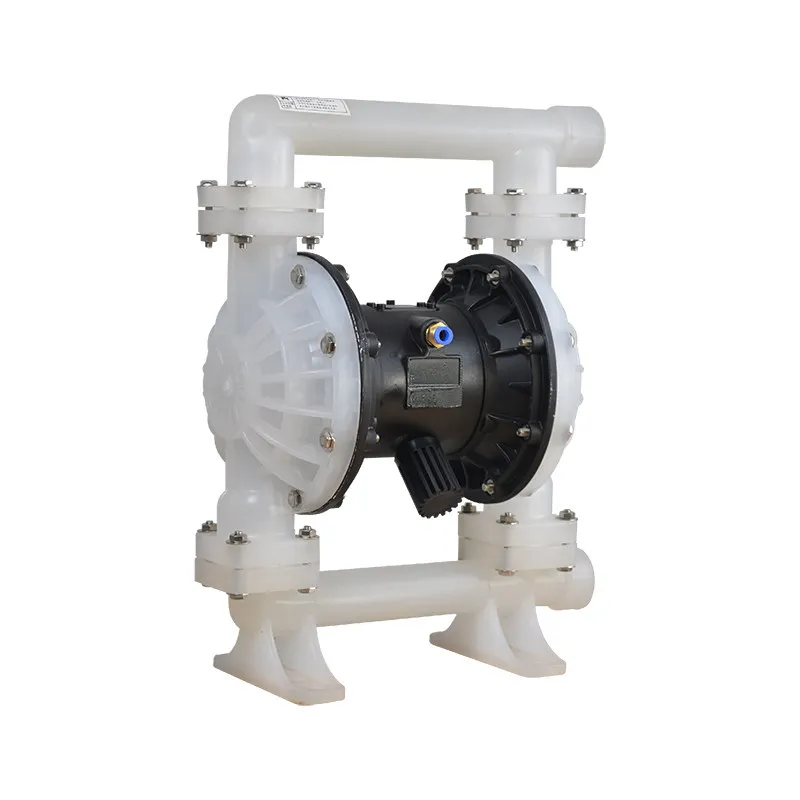

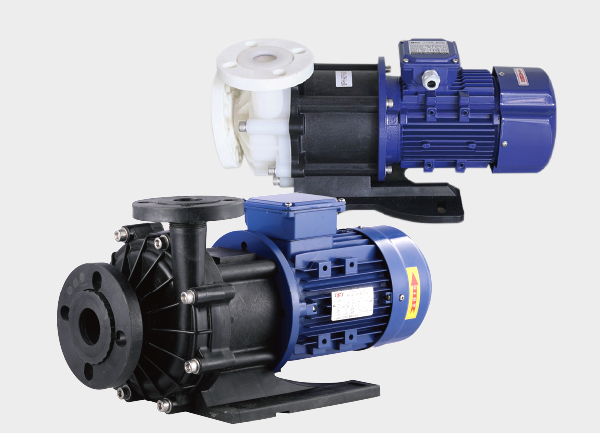
The heat dissipation of magnetic drive pumps is directly linked to operational stability and service life. The primary heat sources include eddy current loss (the largest contributor) in the isolation sleeve, hysteresis loss, mechanical friction loss, and heat transfer from high-temperature media. Heat accumulation can easily cause irreversible damage such as magnet demagnetization, isolation sleeve deformation, and bearing burnout.
1. Key Heat Generation Sources
- Eddy Current Loss: When the inner and outer magnetic rotors rotate at high speed, the magnetic field cuts the non-magnetic metal isolation sleeve, generating induced currents (eddy currents) that heat the sleeve. This accounts for over 60% of total losses in high-power pumps.
- Hysteresis Loss: Energy loss from the repeated magnetization of magnet steel, converted into heat.
- Mechanical Loss: Friction between sliding bearings (typically silicon carbide or graphite) and bushings, plus flow resistance losses from high-viscosity media.
- Medium Heat Transfer: When handling high-temperature media (>100℃), heat conducts through the pump body to bearings and magnetic rotor assemblies.
2. Mainstream Cooling Methods (Passive → Active)
Cooling solutions are tailored to operating conditions, with passive systems for basic needs and active systems for high-demand scenarios.
2.1 Passive Cooling (Natural Cooling/Medium Self-Cooling) – Basic Option
No additional power required; relies on structural design and medium flow for heat dissipation.
Suitable for: Pumps with power ≤55kW, medium temperature -20℃ to 120℃, and no special requirements (e.g., general chemical processes, water treatment).
2.1.1 Medium Self-Cooling (Core Method)
- Principle: Uses the flow of the pumped medium to directly flush heat-generating components (isolation sleeve inner wall, bearings, bushings) and carry heat away with the medium.
- Structural Design Tips:
- Optimize impeller outlet flow channels to divert part of the medium to the isolation sleeve interior and bearing cavity, forming forced circulation.
- Adopt a thin-walled isolation sleeve (reduces eddy current paths) made of high thermal conductivity materials (304 stainless steel, Hastelloy C-276).
- Reserve medium flow channels in the bearing cavity to prevent local heat buildup.
2.1.2 Pump Body Natural Cooling (Auxiliary Method)
- Principle: Dissipates heat through air convection and radiation from the pump housing.
- Structural Design Tips:
- Use finned housing to increase heat dissipation area.
- Choose cast iron/steel for the pump body (better thermal conductivity than plastic) and avoid enclosed installation—leave ventilation gaps.
2.2 Active Cooling – Enhanced Option
Required when passive cooling is insufficient (power >55kW, medium temperature >120℃, high-viscosity media). Adds external power or structures for forced temperature reduction.
2.2.1 Jacket Cooling (External Cooling Jacket)
- Principle: Install a jacket around the pump body, isolation sleeve housing, or bearing seat; circulate cooling water/oil to force heat removal.
- Suitable for: Medium temperature >150℃ (e.g., high-temperature heat transfer oil, steam condensate) and high-power pumps (>75kW) with severe eddy current loss.
- Structural Design Tips:
- Match jacket material to the pump body (cast iron/stainless steel) for leak-proof sealing.
- Use industrial water (temperature ≤30℃) as the cooling medium; switch to ethylene glycol solution for low-temperature environments.
- Maintain cooling water flow rate ≥1m/s to prevent scaling and blockages.
2.2.2 Forced Air Cooling
- Principle: Install a cooling fan on the motor shaft extension or an independent blower to direct airflow at the pump body and isolation sleeve, accelerating air convection.
- Suitable for: Ambient temperature >40℃, poorly ventilated outdoor installations, and medium-power pumps (37~75kW) without access to cooling water.
- Structural Design Tips:
- Match the fan speed to the motor and align airflow with the cooling fins.
- Add a protective cover to prevent dust and debris from blocking air channels.
2.2.3 Internal Circulation Cooling (Isolation Sleeve External Diversion)
- Principle: Design spiral guide grooves on the isolation sleeve exterior; use a secondary impeller (or independent circulation impeller) at the rear of the main impeller to force low-temperature medium from the pump outlet to flush the sleeve, forming internal circulation cooling.
- Suitable for: High-viscosity media (>50mPa·s) with high flow resistance and pumps with rapid isolation sleeve heating (e.g., high-pressure magnetic drive pumps).
- Structural Design Tips:
- Ensure circulation flow rate ≥10% of the pump’s rated flow.
- Use spiral guide grooves to extend medium contact time with the isolation sleeve.
2.3 Cooling Optimization for Extreme Conditions
2.3.1 Low-Temperature Medium Transfer (<-20℃)
- Challenge: Condensation and freezing on the pump exterior can damage components.
- Solution: Replace cooling with “heat tracing + insulation”—circulate hot water/steam through the pump jacket and wrap the housing in insulation to prevent medium solidification and external moisture condensation.
2.3.2 High-Vacuum Conditions
- Challenge: Poor air convection in vacuum environments renders natural cooling ineffective.
- Solution: Combine jacket cooling with internal circulation for forced cooling of the isolation sleeve and bearing cavity. Use low-loss magnet steel (e.g., neodymium-iron-boron N45 or higher) to reduce hysteresis loss.
2.3.3 Dry Running Protection (Emergency Cooling)
- Challenge: Without medium for heat dissipation, the isolation sleeve and bearings can reach temperatures >200℃ in 3~5 minutes, causing magnet demagnetization.
- Solution: Install dry-running protection devices (e.g., temperature sensors, flow switches) to trigger automatic shutdown. Some specialized pumps feature emergency cooling channels for external temporary cooling water.
3. Critical Considerations for Cooling Design
3.1 Key Mistakes to Avoid
- Never run the pump dry for extended periods; pre-inject cooling medium for short-term dry running.
- Do not rely on passive cooling for high-temperature conditions (>120℃)—jacket cooling is mandatory to prevent irreversible magnet demagnetization.
- Regularly clean cooling water channels to avoid scaling and blockages that reduce heat transfer efficiency.
3.2 Component Selection Guidelines
- Isolation Sleeve: Prioritize thin-walled, high thermal conductivity materials (Hastelloy C-276 > 316L stainless steel > titanium alloy) to minimize eddy current loss.
- Bearings: Choose silicon carbide (SiC) bearings (high-temperature resistant and self-lubricating) and ensure adequate medium lubrication in the bearing cavity.
- Magnet Steel: Use high-temperature resistant magnets (e.g., samarium-cobalt) instead of standard neodymium-iron-boron for media >150℃.
3.3 Operational Parameter Controls
- Medium Temperature: Standard magnetic drive pumps (passive cooling) handle -20℃ to 120℃; high-temperature models (jacket cooling + high-temperature magnets) can reach 350℃.
- Viscosity: For media >50mPa·s, reduce pump speed or add an internal circulation impeller to avoid poor flow and cooling failure.
Conclusion
The core of magnetic drive pump cooling is “targeting eddy current loss and medium temperature rise.” For medium-low power, normal-temperature applications, “medium self-cooling + pump body natural cooling” suffices. For high-power, high-temperature, or high-viscosity scenarios, upgrade to “jacket cooling + forced air cooling/internal circulation.” Extreme conditions (low temperature, vacuum) require heat tracing, insulation, or specialized structures. In practice, select cooling methods based on pump power, medium temperature/viscosity, and installation environment, and perform regular maintenance to avoid heat-related failures.
