
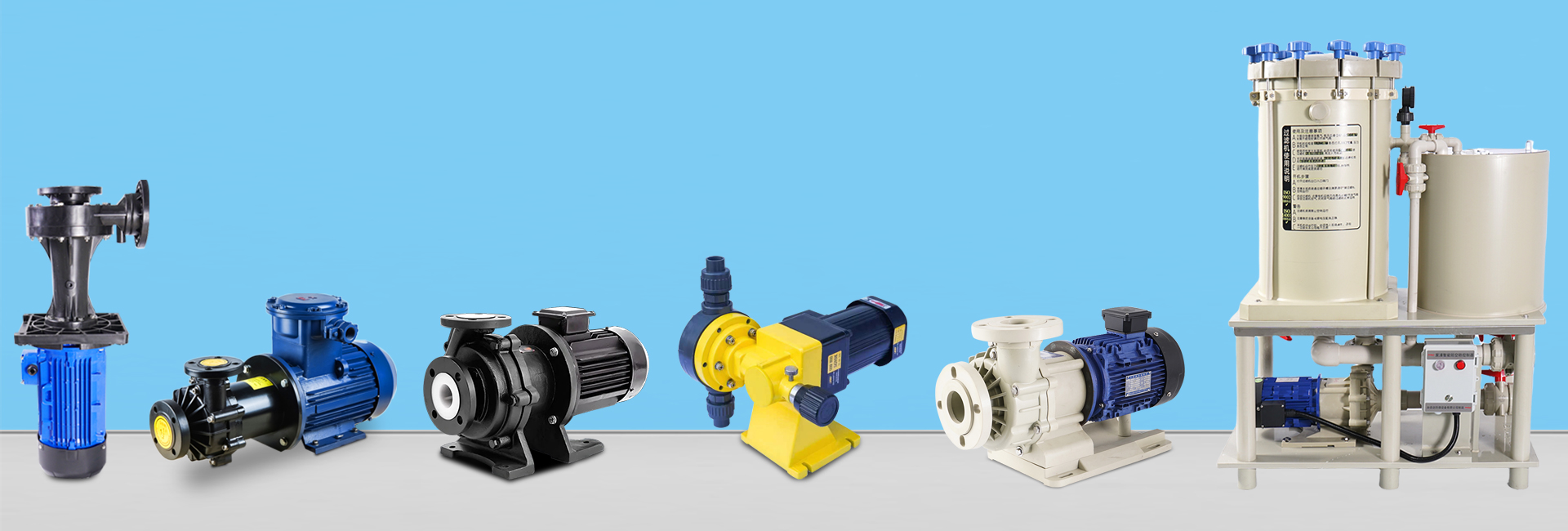
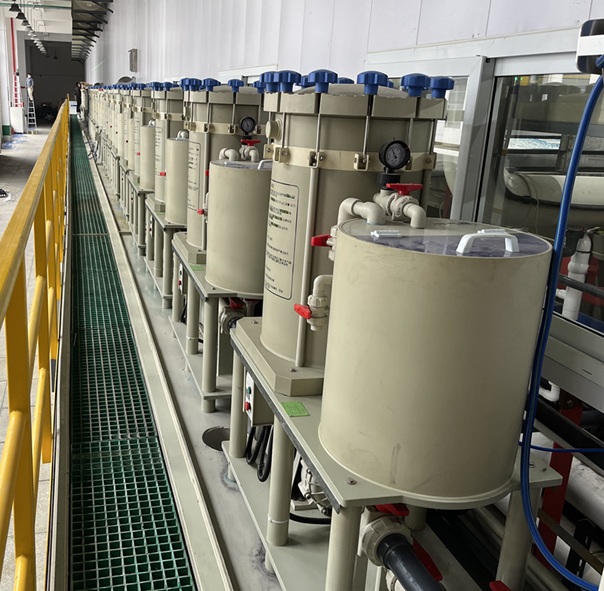
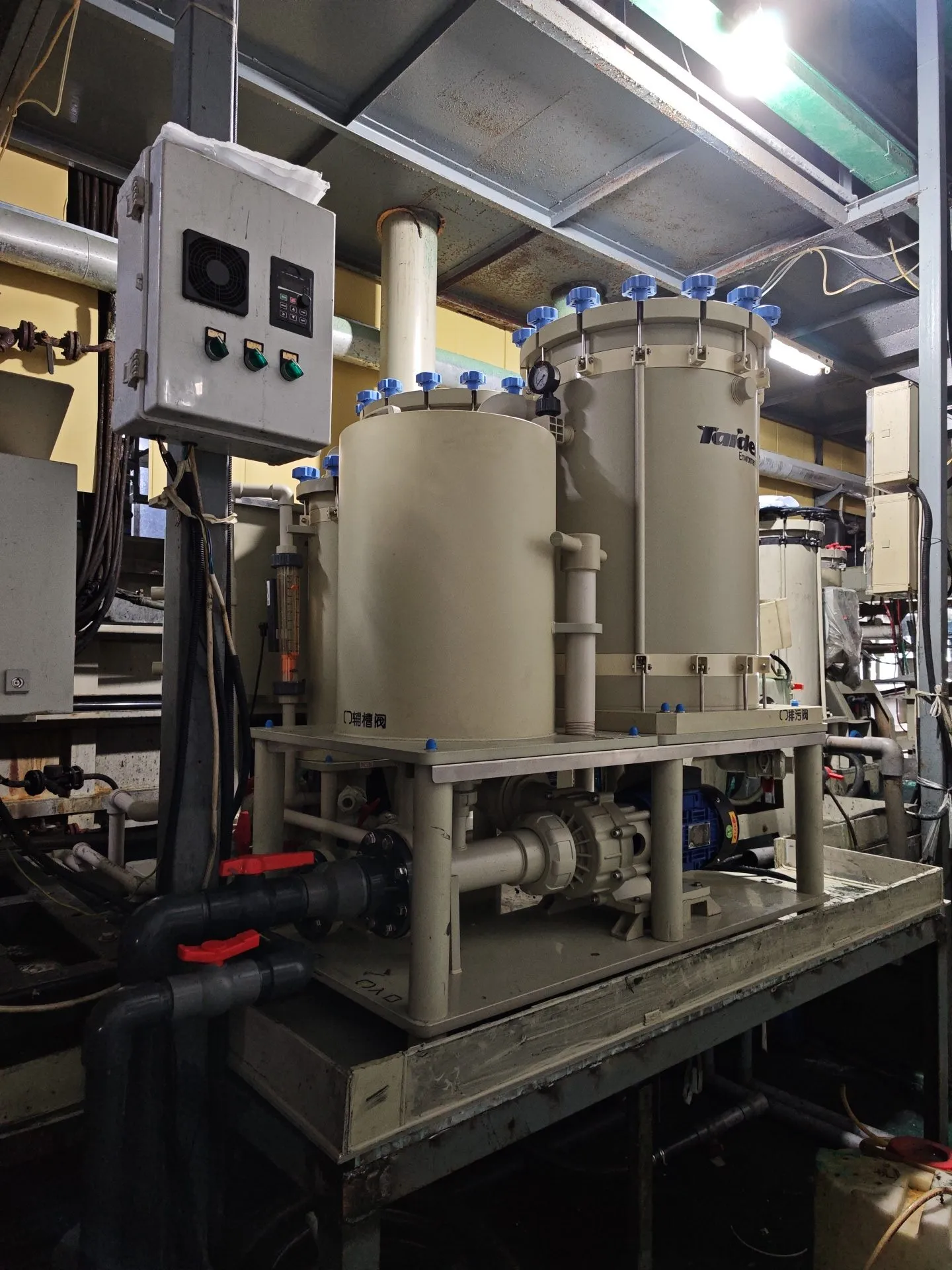
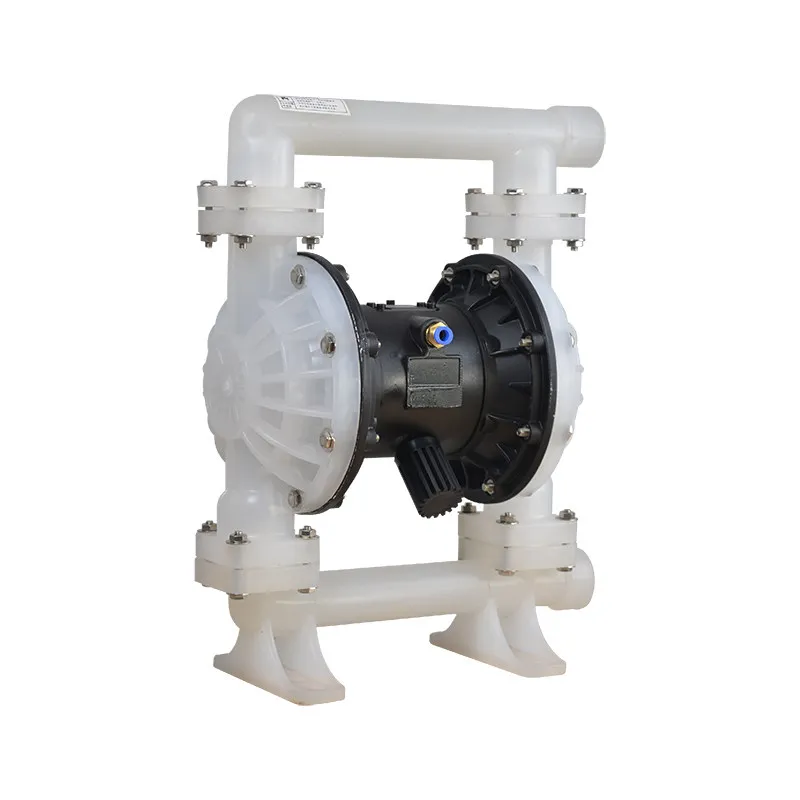
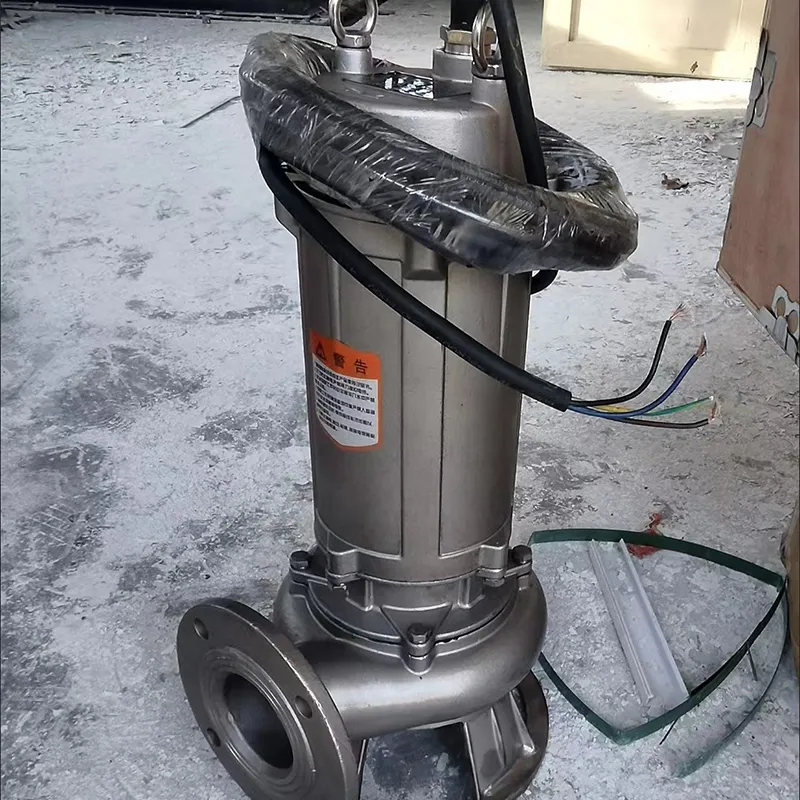
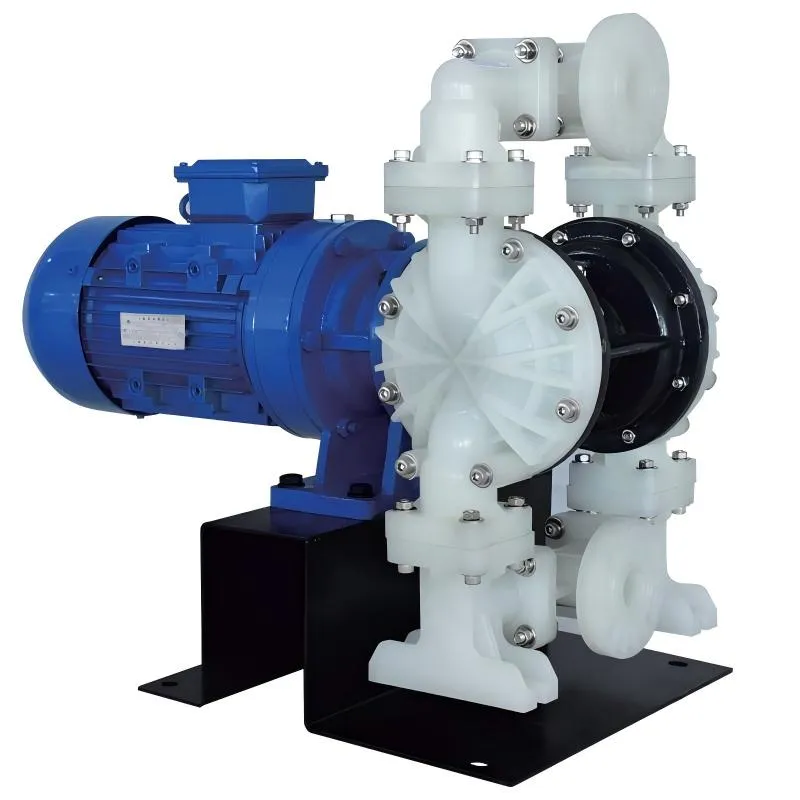

Magnetic drive pumps have grown rapidly in popularity due to their leak-free design. But how do they compare with traditional mechanical-seal pumps? And how should you choose the right model for your application?
The following breakdown analyzes the differences in structure, performance, safety, and cost.

Key Differences Between Magnetic Drive Pumps and Traditional Pumps
Traditional centrifugal pumps rely on mechanical seals to prevent leakage. However, seals are consumable parts—they wear, deform, dry-run, or corrode, eventually causing leakage.
Magnetic drive pumps eliminate the mechanical seal entirely. Torque is transmitted via magnetic coupling, which prevents leakage and significantly reduces maintenance. Traditional pumps often require cooling circuits and seal support systems, while magnetic pumps are more compact and easier to maintain.
Comparison Table
| Category | Magnetic Drive Pump | Traditional Mechanical-Seal Pump |
|---|---|---|
| Sealing Structure | Sealless, zero leakage | Seal wear causes leakage risk |
| Maintenance Frequency | Very low, mainly bearings | Frequent seal replacement required |
| Noise & Vibration | Low noise, smooth operation | Higher noise due to friction |
| Service Life | Long, fewer wearing parts | Limited by seal lifespan |
| Chemical Compatibility | Excellent for corrosive liquids | Limited compatibility |
| Initial Cost | Higher | Lower |
| Long-Term Cost | Low—minimal maintenance & downtime | Higher long-term maintenance cost |
Limitations of Magnetic Drive Pumps
While magnetic drive pumps offer outstanding performance, they are not suitable for all conditions:
-
Not ideal for liquids containing solids, fibers, or slurries (risk of impeller blockage).
-
Efficiency may drop in extremely high-viscosity or very high-flow applications.
-
Higher initial investment compared with standard pumps, though long-term cost is lower.
Selection Guidelines for Magnetic Drive Pumps
-
Consider the chemical properties
For strong acids, strong alkalis, toxic or volatile solvents, magnetic pumps are the recommended choice. -
Evaluate operating time
For continuous 24/7 production lines, the reduced downtime and maintenance are significant advantages. -
Assess safety requirements
Industries such as fine chemicals, pharmaceuticals, semiconductors, and electronic chemicals benefit greatly from leak-free operation. -
Review overall cost
Although initial cost is higher, magnetic drive pumps reduce seal replacement, maintenance labor, and unexpected shutdown losses—resulting in a superior long-term ROI.
Conclusion
Magnetic drive pumps provide major benefits in safety, reliability, and lifecycle cost. Their sealless structure solves the leak-prone issues of traditional pumps and is increasingly favored in chemical, pharmaceutical, and high-tech manufacturing industries. For companies seeking long-term stability, reduced maintenance, and high safety performance, magnetic drive pumps represent an ideal investment.