

Choosing the right pump for nitric acid ($HNO_3$) is a high-stakes decision. Because nitric acid is both a strong oxidizing agent and highly corrosive, selecting the wrong materials can lead to catastrophic seal failures, leaks, and hazardous fumes.
Here is a comprehensive guide to selecting the best XJR pumps for nitric acid applications, optimized for safety and performance.

Key Challenges of Pumping Nitric Acid
Nitric acid behaves differently depending on its concentration and temperature. Understanding these variables is the first step in pump selection:
-
Corrosion: It aggressively attacks most metals and elastomers.
-
Oxidation: It can cause organic materials (like certain plastics or oils) to ignite or degrade rapidly.
-
Vapor Pressure: High concentrations (fuming nitric acid) have high vapor pressure, increasing the risk of cavitation and dry running.
Best Pump Types for Nitric Acid
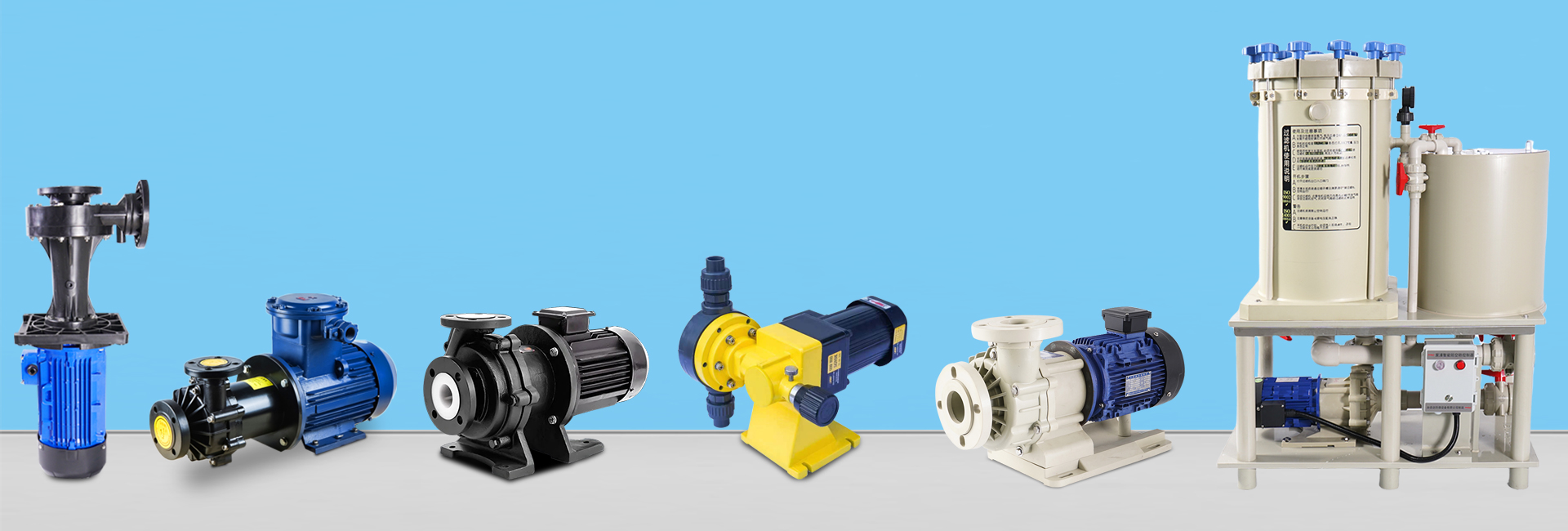
1. Magnetic Drive Pumps (Sealless)
Mag-drive pumps are the industry standard for nitric acid. Because they lack a mechanical seal, the risk of leaks—the most common point of failure in chemical pumps—is virtually eliminated.
-
Why they work: The hermetically sealed chamber ensures that the toxic fluid stays contained.
-
Best for: Transferring high-purity or highly concentrated acid where zero leakage is mandatory.
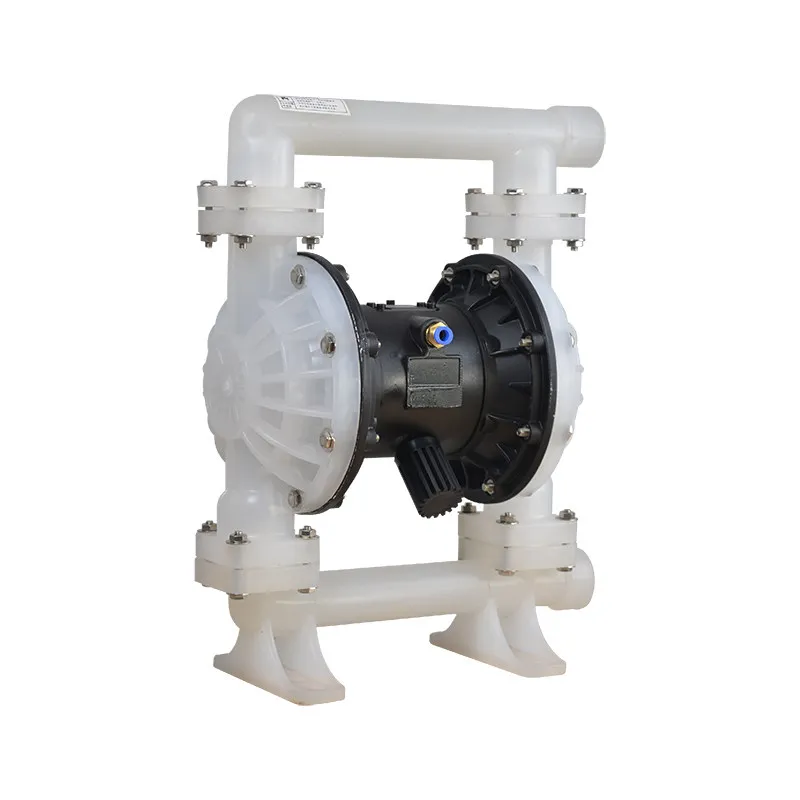
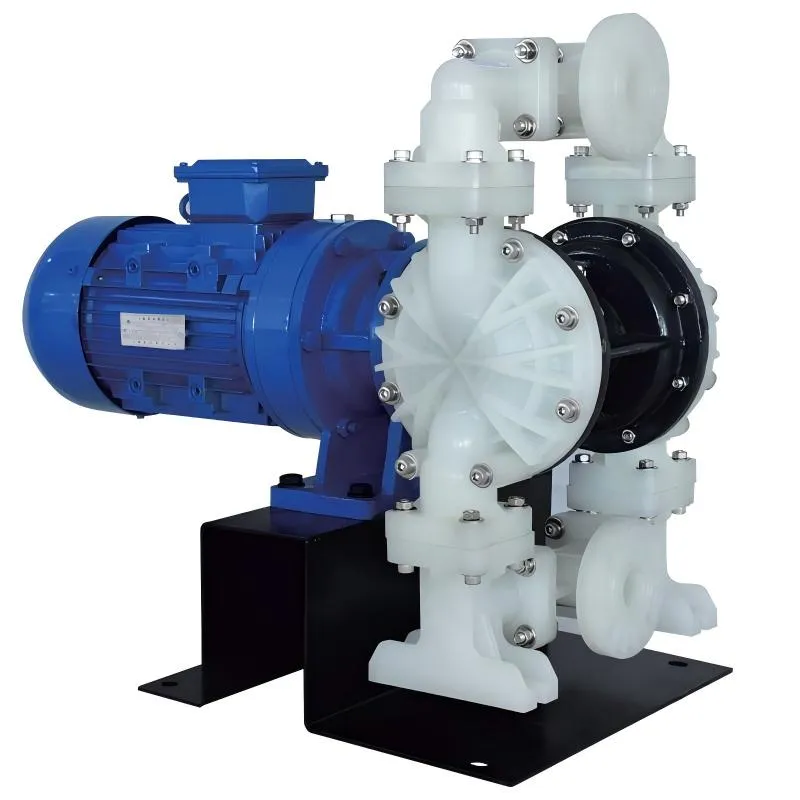
2. Air-Operated Double Diaphragm (AODD) Pumps
AODD pumps are excellent for portable applications or where electricity isn’t available.
-
Why they work: They are self-priming and can handle varying flow rates. When constructed with PTFE (Teflon), they offer excellent chemical resistance.
-
Best for: Barrel emptying, chemical dosing, and waste treatment.
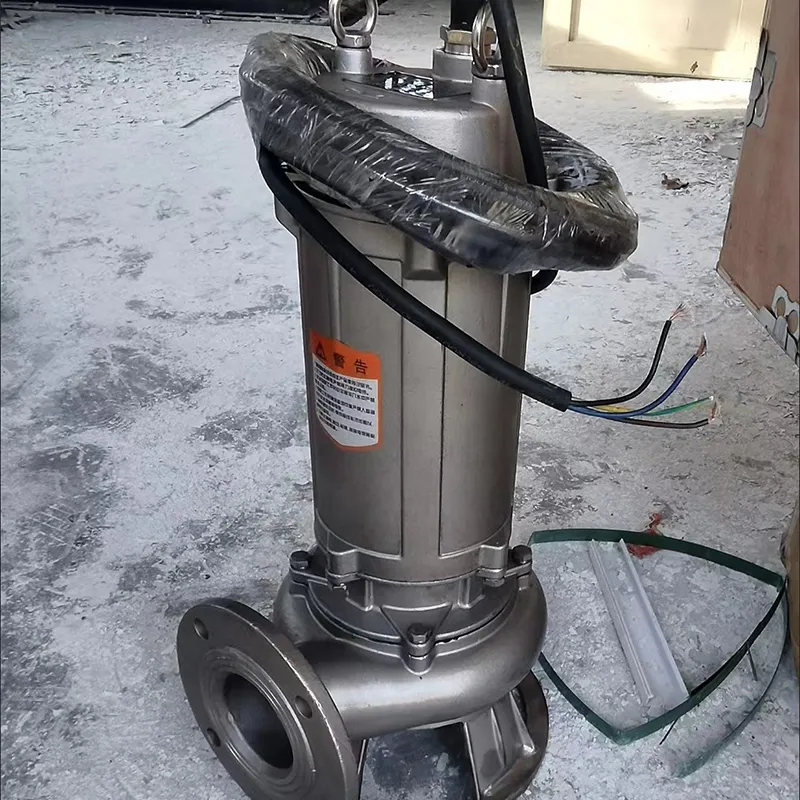
3. Vertical Cantilever Pumps
These are used when the pump needs to be submerged in a tank or sump.
-
Why they work: The motor is located above the liquid level, and there are no bearings or seals in the fluid, reducing maintenance.
-
Best for: Sump drainage and acid circulation in plating lines.
Material Selection Guide
The “wet end” of your pump must be compatible with the specific concentration of $HNO_3$ you are handling.
| Concentration | Recommended Material | Avoid |
| Low (<20%) | Polypropylene (PP), PVDF, 316 Stainless Steel | Carbon Steel, Cast Iron |
| Medium (20-70%) | PVDF (Kynar), PTFE, Titanium | Most Metals, EPDM |
| High (>70% / Fuming) | PTFE, High-Silicon Iron, Special Alloys (Hastelloy) | Polypropylene, Nitrile |
Pro Tip: Always use PTFE (Teflon) for O-rings and gaskets. Standard rubbers like Viton or EPDM will degrade rapidly in contact with nitric acid.
Safety and Maintenance Tips
-
Secondary Containment: Always install nitric acid pumps within a containment dike to catch spills in case of a catastrophic housing failure.
-
Leak Detection: For mag-drive pumps, install a power monitor to detect “dry running,” which can melt the internal bushings.
-
Flushing Systems: If the pump is taken out of service, ensure a water-flushing system is in place to clear the lines, as stagnant acid can become more corrosive over time.
Conclusion
When it comes to nitric acid, PVDF-lined magnetic drive pumps are typically the safest and most cost-effective long-term solution. They balance extreme chemical resistance with the leak-proof security required for hazardous chemical handling.