
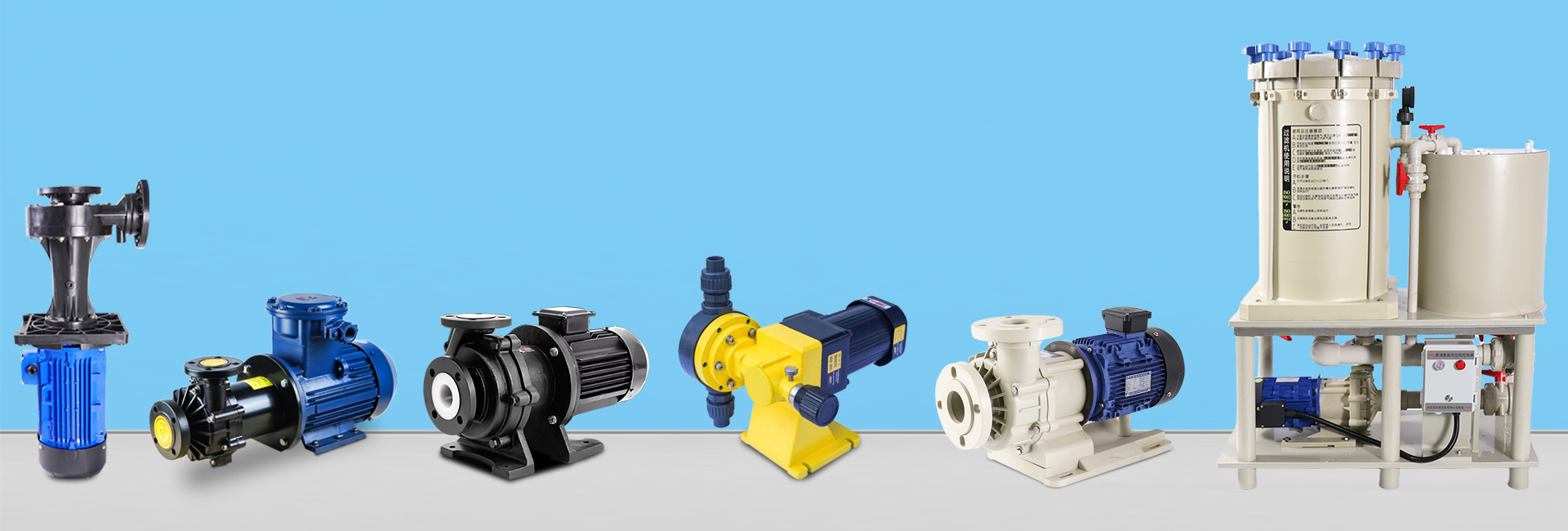
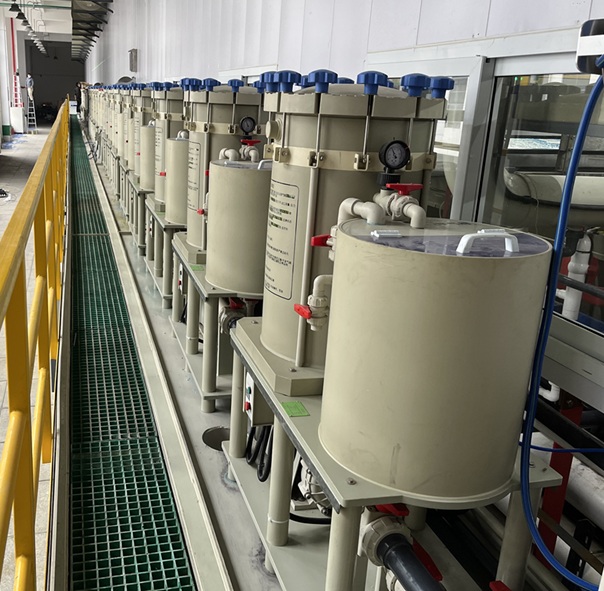
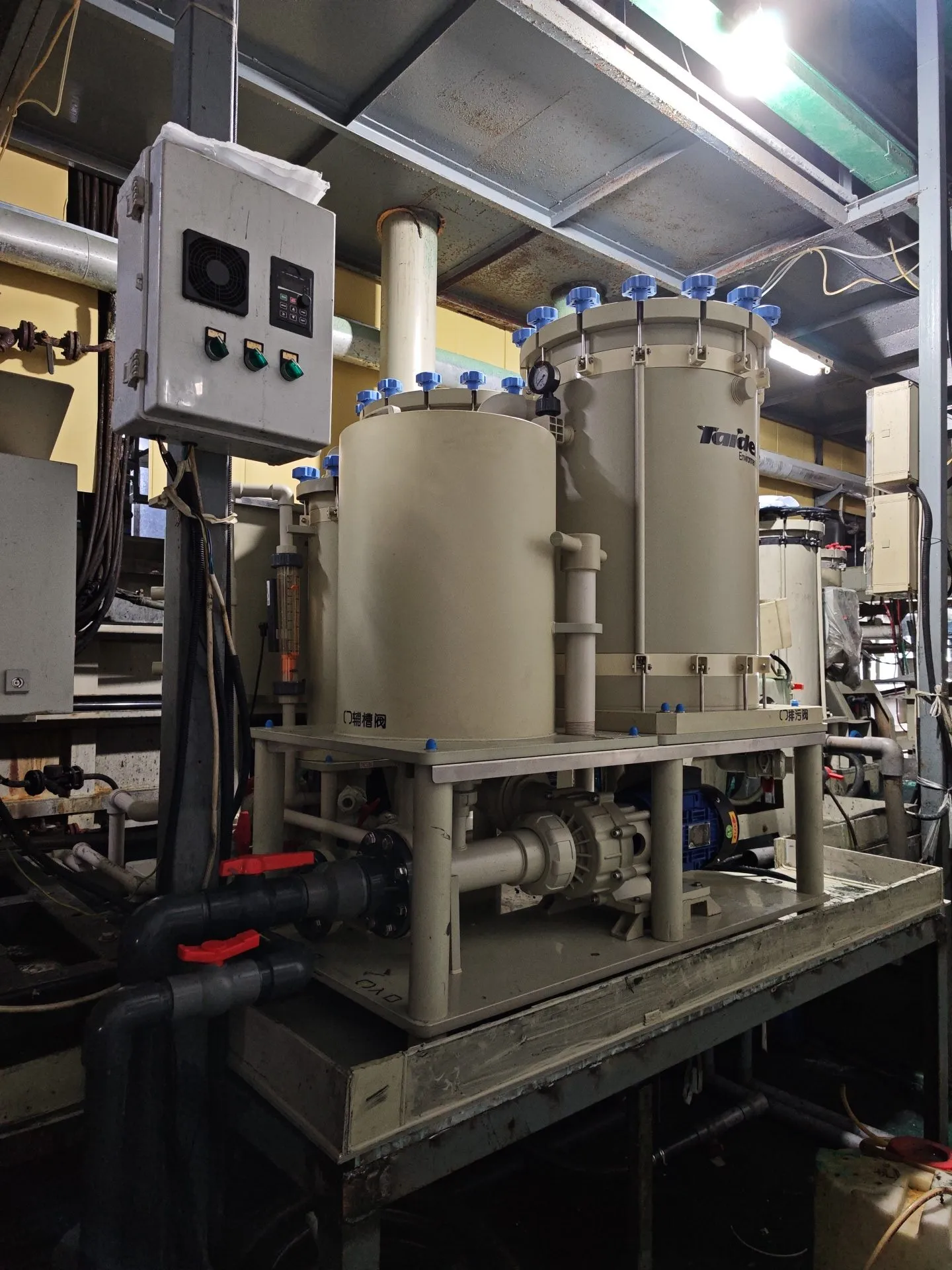
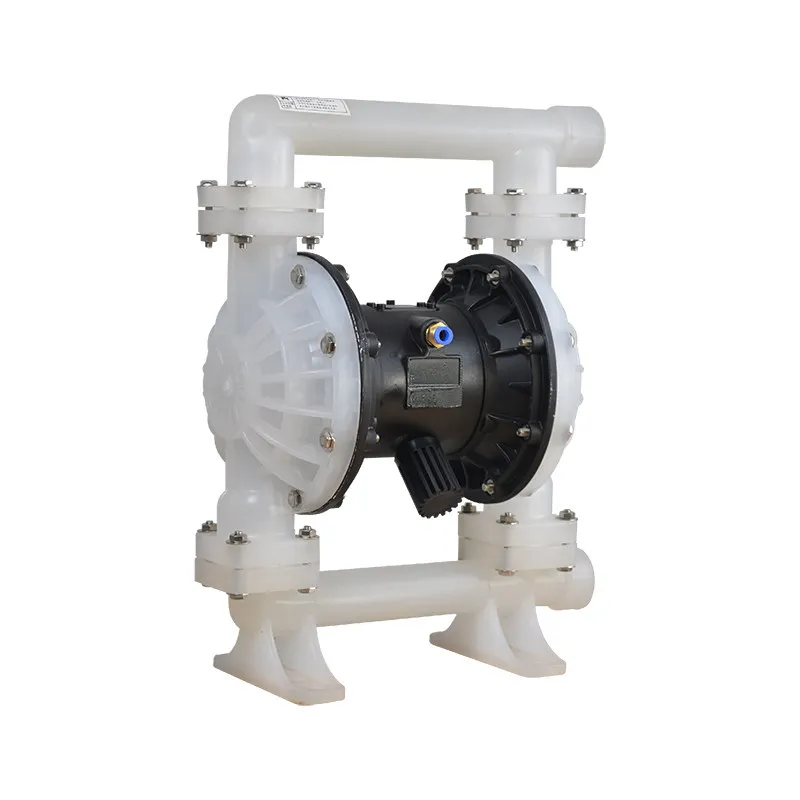
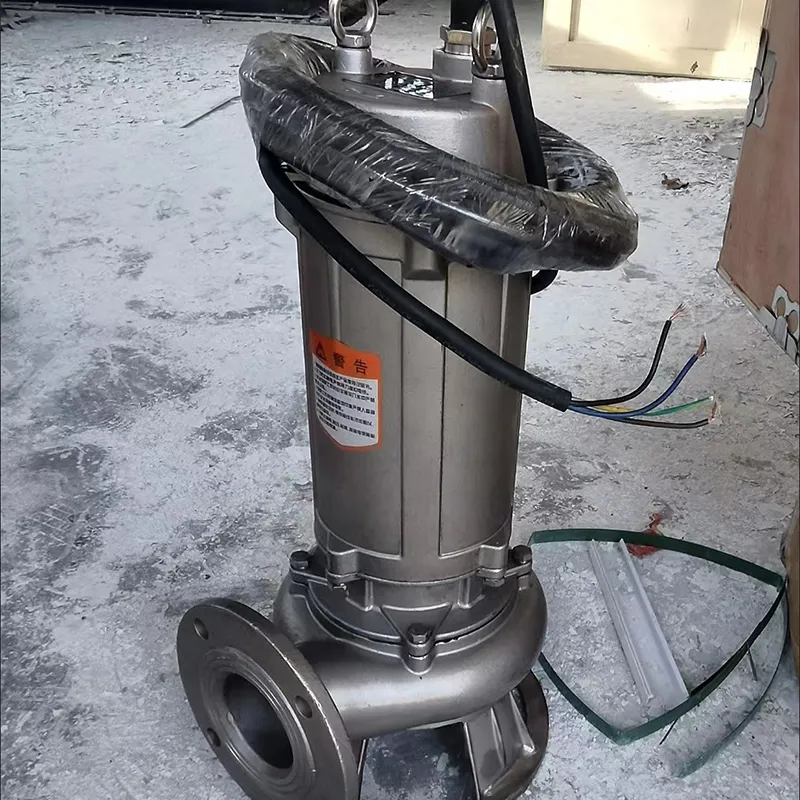
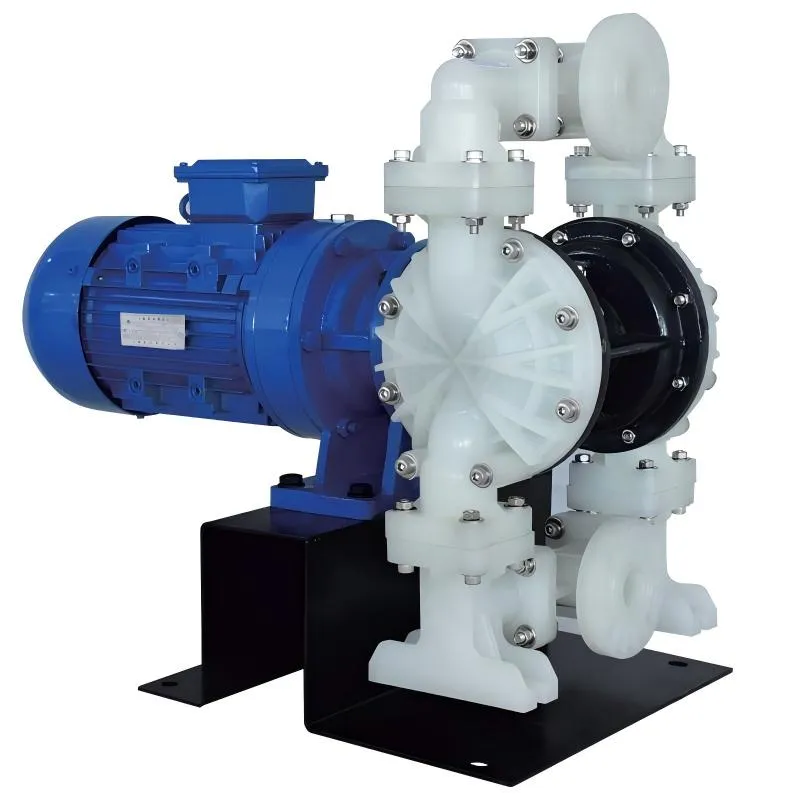

A self-priming pump is a pump designed to automatically remove air from the suction line and pump casing so it can begin pumping liquid without manual priming. Unlike standard centrifugal pumps—which must be completely filled with liquid before startup—self-priming pumps can clear air, create a vacuum, and draw liquid up from below the pump level.
This makes them ideal for applications where the pump must be installed above the water level, or where air frequently enters the suction line.
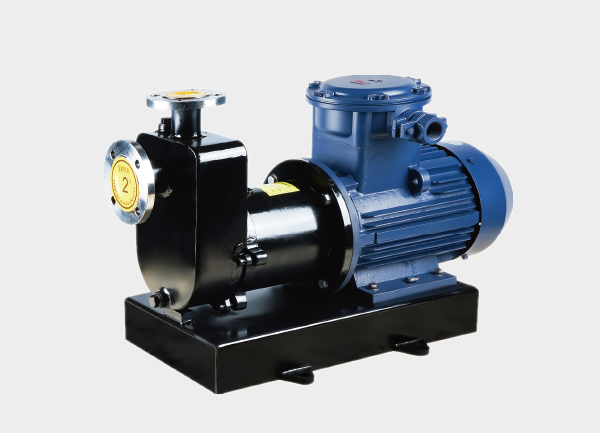
How Self-Priming Pumps Work
Self-priming pumps operate in two phases: priming mode and pumping mode.
1. Priming Mode
-
The pump casing must contain some amount of liquid before startup.
-
As the impeller rotates, this liquid recirculates and mixes with incoming air.
-
The air-liquid mixture is pushed out of the discharge.
-
Air is expelled, while liquid falls back into the pump casing.
-
This process repeats, gradually building a vacuum in the suction line.
-
Liquid begins to rise toward the pump due to atmospheric pressure.
2. Pumping Mode
-
Once all air is removed and the suction line is filled with liquid, the pump begins operating like a standard centrifugal pump.
-
As long as enough liquid remains in the casing after shutdown, the pump can self-prime again next time.
Why Self-Priming Is Needed
When a pump is located below liquid level, gravity keeps the suction line full.
When a pump is installed above the liquid source (e.g., underground tanks, pits, rivers), the suction line fills with air after shutdown.
Air must be removed before pumping can begin—this is what self-priming pumps are designed to do.
Limitations of Self-Priming Pumps
Even a perfect pump can only lift water to a theoretical maximum of 10 m, because this is the limit of atmospheric pressure.
Actual lift is lower and affected by:
-
altitude
-
temperature
-
vapor pressure
-
suction line losses
This means suction lift design must be carefully evaluated.
Are Positive Displacement Pumps Self-Priming?
In principle, yes.
PD pumps (gear, vane, lobe, diaphragm, piston, progressing cavity) have close internal tolerances that allow them to move air.
However:
-
dry running may cause overheating and seal wear
-
cavitation can occur during mixed air–liquid phases
Therefore, manufacturer approval is necessary before running any PD pump completely dry.
Are Centrifugal Pumps Self-Priming?
A normal centrifugal pump cannot self-prime because:
-
there are no seals between suction and discharge
-
the pump cannot compress or move air
-
it will air-bind and overheat
However, a centrifugal pump becomes self-priming when it includes a priming chamber that stores liquid around the impeller.
This chamber enables the recirculation action needed to purge air.
Even so, a self-priming centrifugal pump must never start completely dry—its casing must be filled with liquid.
Types of Self-Priming Pumps
1. Self-Priming Centrifugal Pumps
Most common type; suitable for water, wastewater, irrigation, and general transfer.
2. Trash Pumps
Designed to handle solids, debris, and sludge; used in construction, mining, and municipal wastewater.
3. Jet Pumps
Use a venturi to create suction; common in shallow wells and domestic water supply.
4. Diaphragm Pumps
Handle viscous fluids, chemicals, and solids; used in industry and wastewater.
5. Rotary Vane Pumps
Good for thin liquids, fuels, and oils.
6. Liquid Ring Pumps
Ideal for gas–liquid mixtures and non-pulsating flow applications.
7. Peripheral (Side-Channel) Pumps
Suited for low flow, high pressure, and clean fluids.
8. Piston Pumps
Used for high-pressure applications such as firefighting and pressure washing.
Applications of Self-Priming Pumps
-
Wastewater & Sewage Transfer
-
Construction Site Dewatering
-
Irrigation & Agriculture
-
Marine Bilge Pumping
-
Flood Control & Emergency Drainage
-
Industrial Chemical Transfer
-
Firefighting Systems
-
Mining Dewatering
-
Oil & Gas Liquid Transfer
-
Municipal Water Systems
-
Pulp & Paper Liquid Handling
-
Agricultural Spraying Systems
Their ability to handle air, intermittent flow, solids, and varying suction conditions makes them extremely versatile.
Differences Between Self-Priming and Non–Self-Priming Pumps
| Feature | Self-Priming Pump | Standard Pump |
|---|---|---|
| Can handle air in suction line | ✔ Yes | ✘ No |
| Requires manual priming | ✘ No | ✔ Yes |
| Location relative to fluid | Above or below | Generally below |
| Complexity | Higher | Lower |
| Efficiency | Slightly lower | Higher |
Non–self-priming pumps must have:
-
flooded suction
-
foot valves
-
booster pumps
-
priming tanks
Otherwise, they cannot start properly.
9 Factors to Consider When Selecting a Self-Priming Pump
-
Solid Size
-
Fluid Viscosity
-
Priming Distance (horizontal, vertical, pipe losses)
-
Changing Fluid Levels (tidal, tank levels)
-
Priming Time Limits (heat build-up issues)
-
Power Source (electric, engine, hydraulic)
-
Coupling Type (close-coupled or long-coupled)
-
Mounting Type (trailer, baseplate, pontoon)
-
Control System Requirements (automatic start/stop)
Advantages of Self-Priming Pumps
-
Excellent air-handling capability
-
Easy maintenance (surface-mounted vs. submersible)
-
Reliable—no need for foot valves
-
Robust—motor is not submerged
-
Can prime for long periods (up to 30 minutes)
Disadvantages
-
Lower efficiency vs. standard centrifugal pumps
-
Must retain liquid in the casing
-
Potential clogging with large solids
-
Long priming times may cause overheating
Maintenance Tips
-
Inspect for leaks, noise, or vibration
-
Ensure bearings are lubricated
-
Check alignment and coupling condition
-
Open inspection port and clear debris
-
Clean strainers or suction screens
-
Keep spare parts—seals, impellers, gaskets
-
Maintain a log of performance and service
Conclusion
Self-priming pumps are essential when pumping from below-grade sources or where suction lines contain air. They eliminate the need for external priming equipment and offer reliable operation across a wide range of industries. While they have limits—such as reduced efficiency and the need for liquid in the casing—their flexibility, safety, and ability to handle air make them a preferred solution for many challenging pumping applications.