
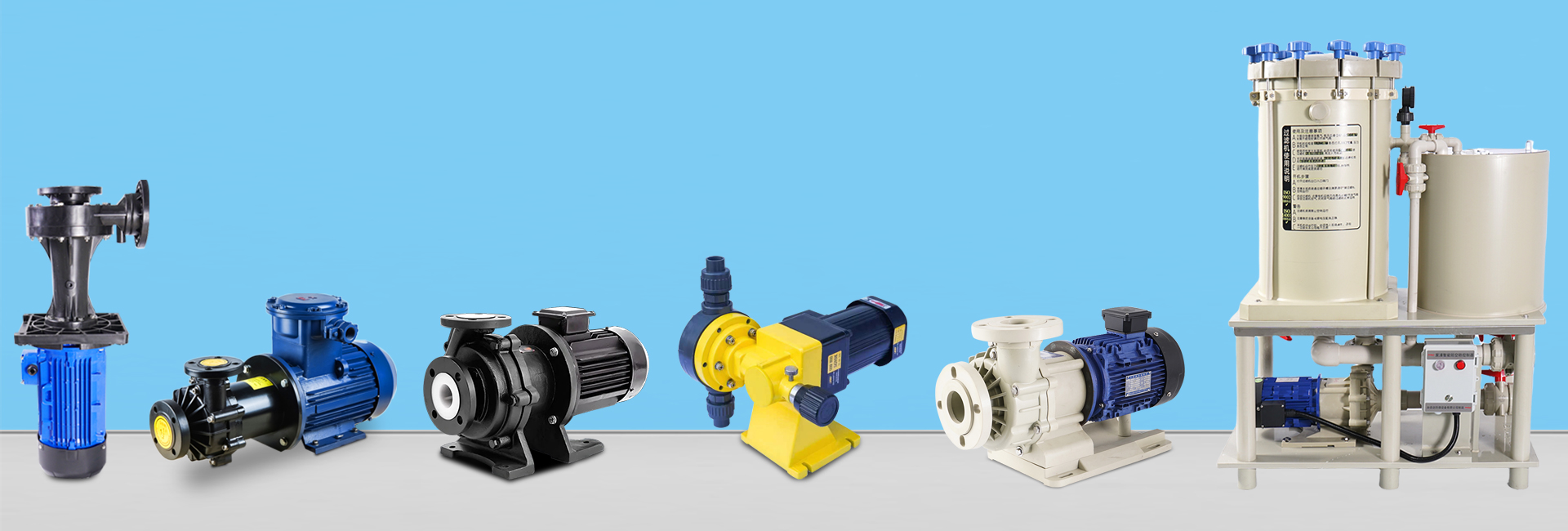
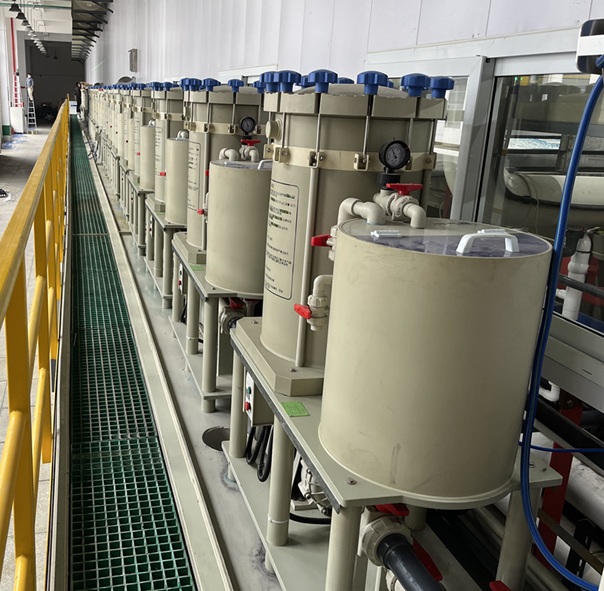
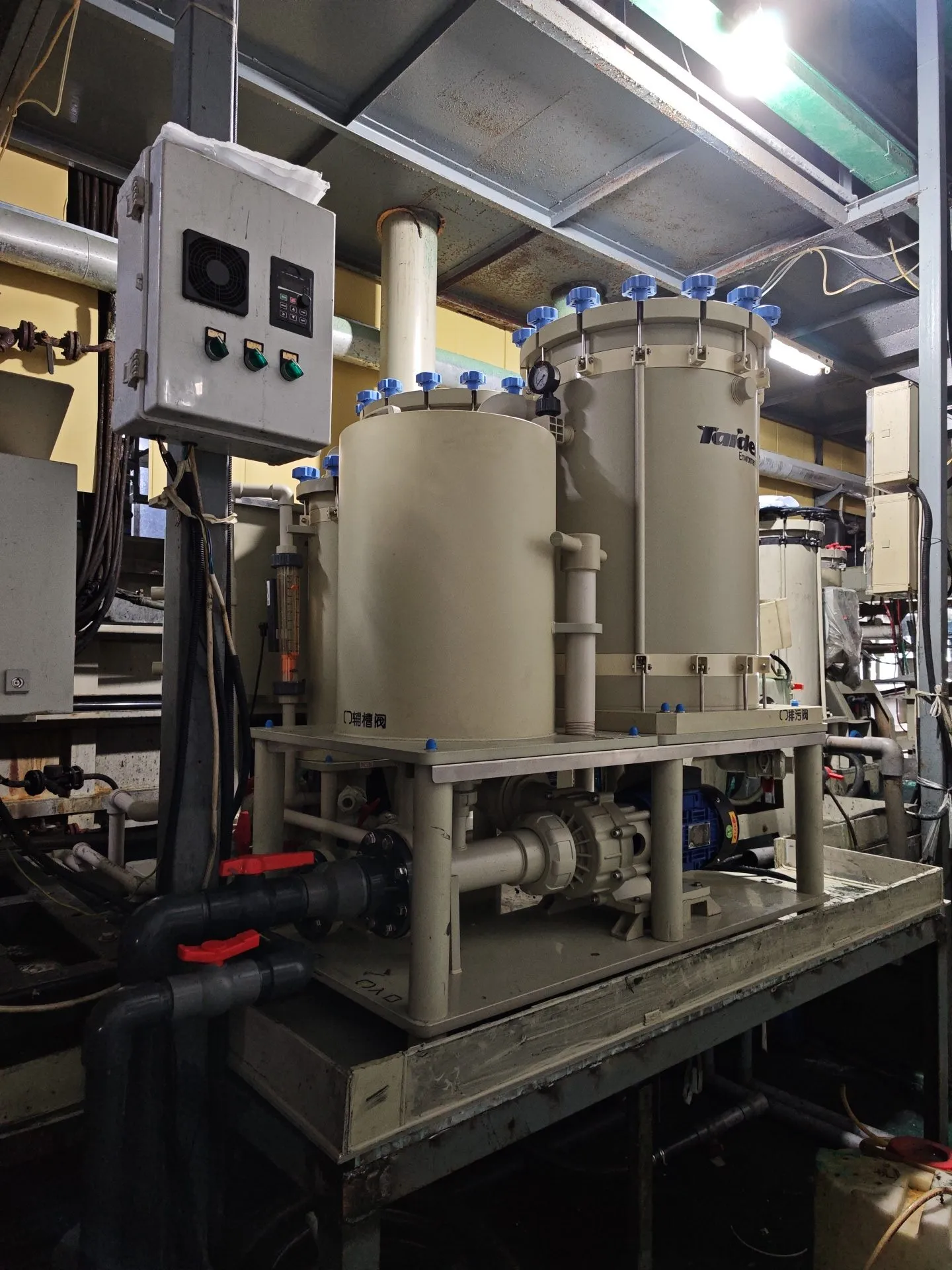
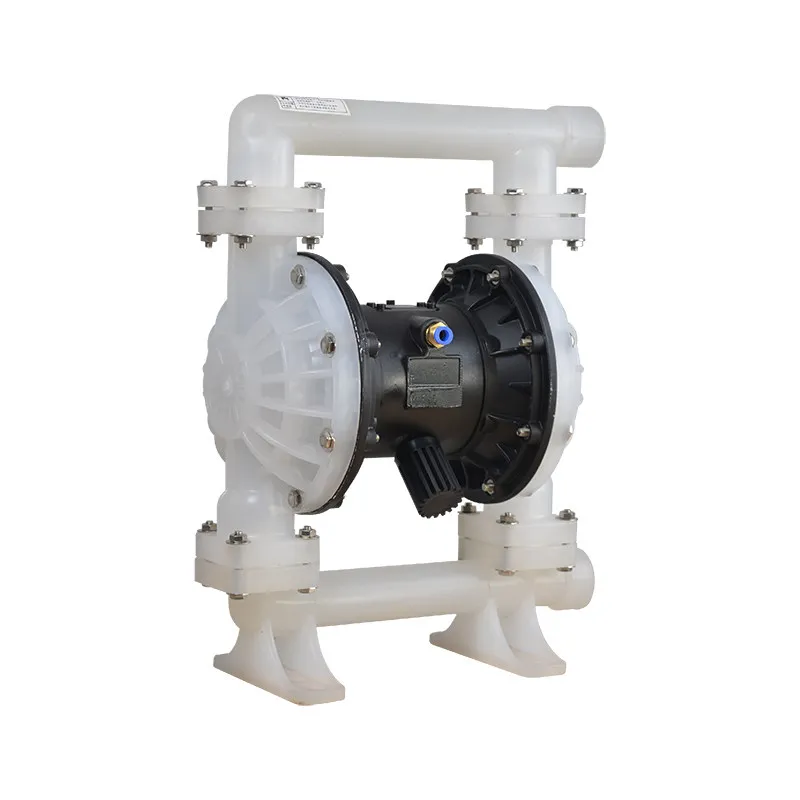
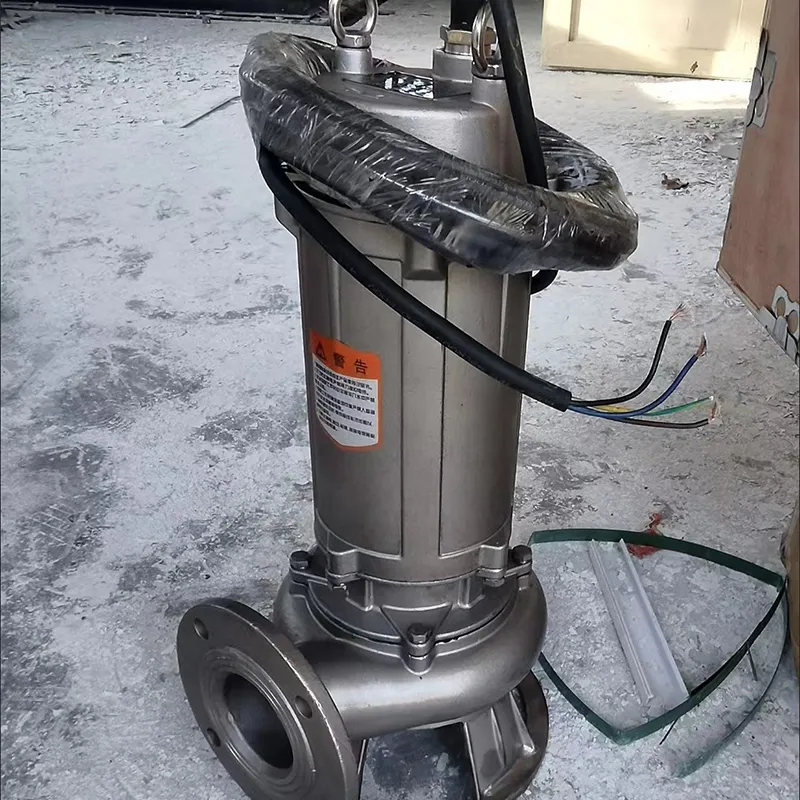
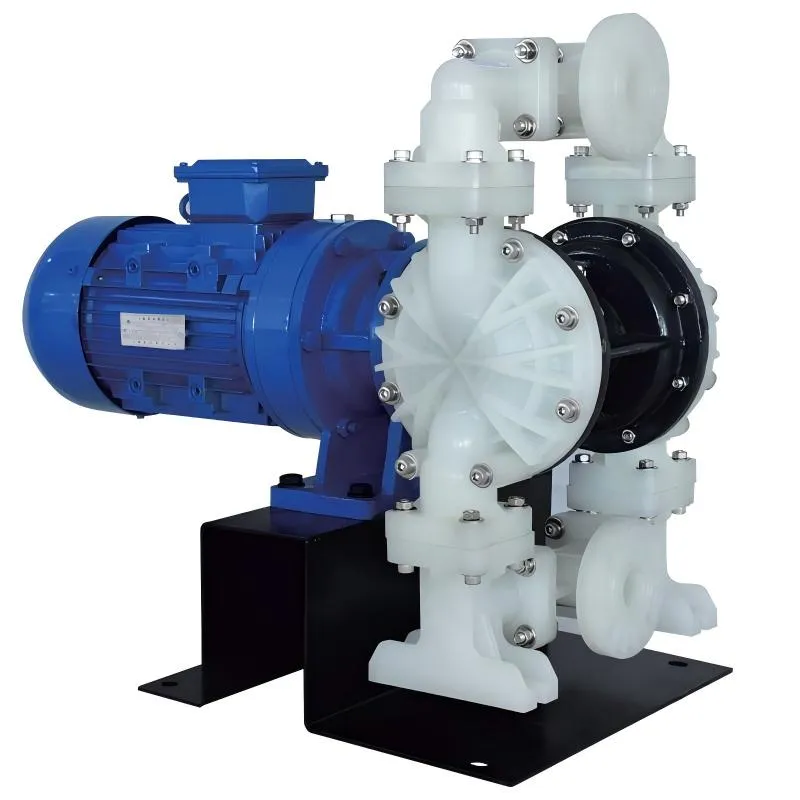

Vertical pumps play a crucial role in modern industrial fluid systems due to their compact structure, stable performance, and high operating efficiency. Compared with horizontal pumps, a vertical pump requires significantly less floor space and offers outstanding operational stability, making it ideal for chemical plants, wastewater treatment, electroplating lines, and various circulation systems.
1. Compact Design with Minimal Footprint
One of the most notable features of a vertical pump is its vertically aligned motor and pump body. This design reduces installation space and simplifies pipeline layout, especially in facilities where floor area is limited.

| Feature | Description |
|---|---|
| Small footprint | Suitable for compact factories and limited spaces |
| Straight-through pipeline | Reduces elbows and flow resistance |
| Flexible installation | Can be mounted directly on tanks or pipelines |
2. High Stability and Low Vibration
Vertical pumps feature a coaxial structure that greatly improves operating stability. With reinforced shafts and precision bearings, these pumps maintain smooth performance even under high flow or high-head applications, reducing mechanical wear and extending service life.
3. Ideal for Deep-Liquid Applications
Because the pump body is submerged in the liquid, vertical pumps excel in deep wells, underground reservoirs, sumps, or tanks with low liquid levels—conditions where horizontal pumps often fail to operate efficiently.
4. Easy Maintenance with Enhanced Reliability
The motor remains above the liquid surface, reducing the risk of corrosion and extending motor lifespan. Meanwhile, the submerged pump body eliminates the need for priming, effectively preventing cavitation and ensuring continuous, reliable operation.
5. Wide Medium Compatibility
Vertical pumps can be built from stainless steel, FRPP, PVDF, cast iron, or other materials to match different industrial fluids such as clean water, wastewater, seawater, chemicals, and corrosive liquids.
In summary, vertical pumps offer excellent space efficiency, exceptional stability, and wide applicability, making them a key choice for modern industrial fluid transport systems.