
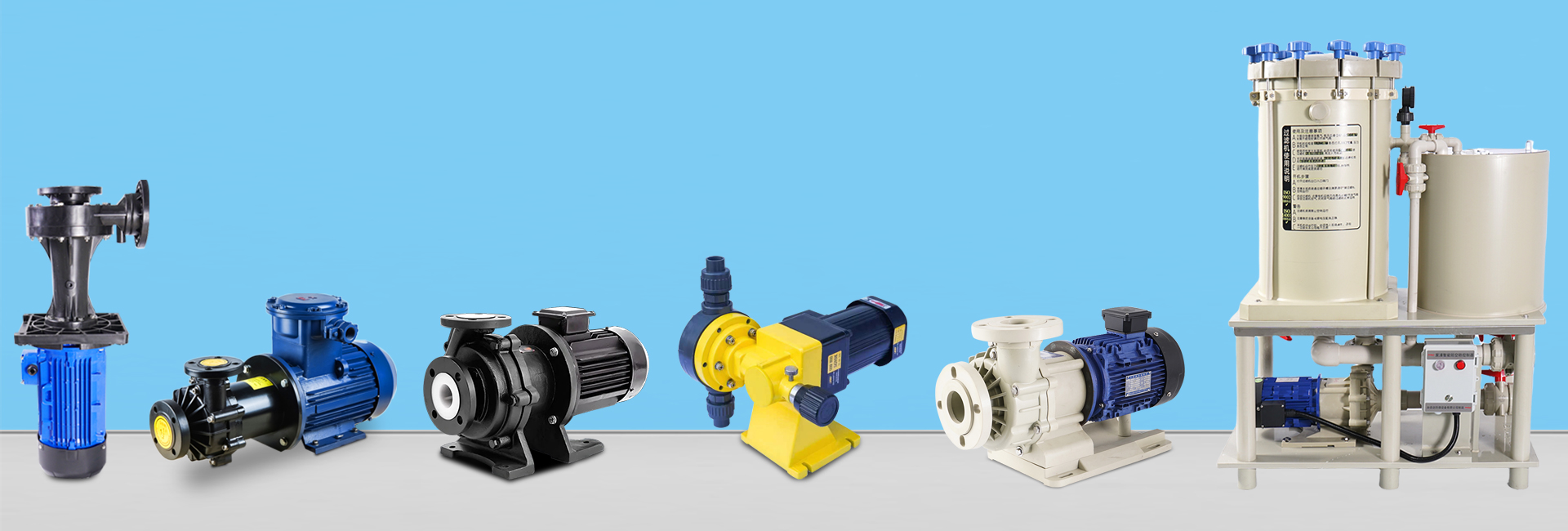
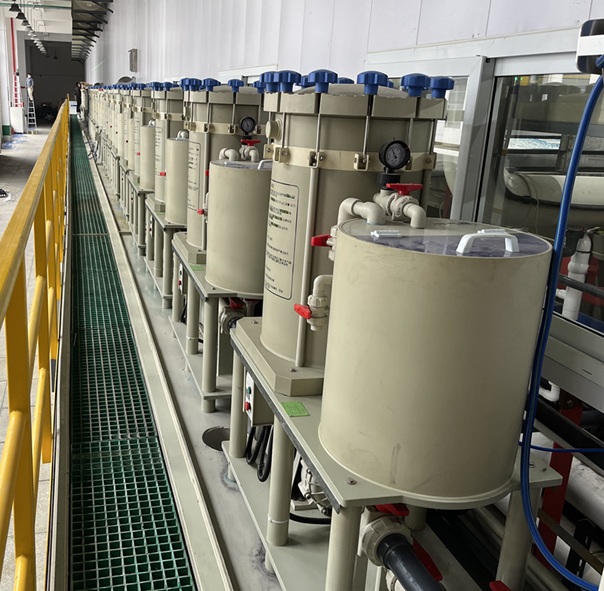
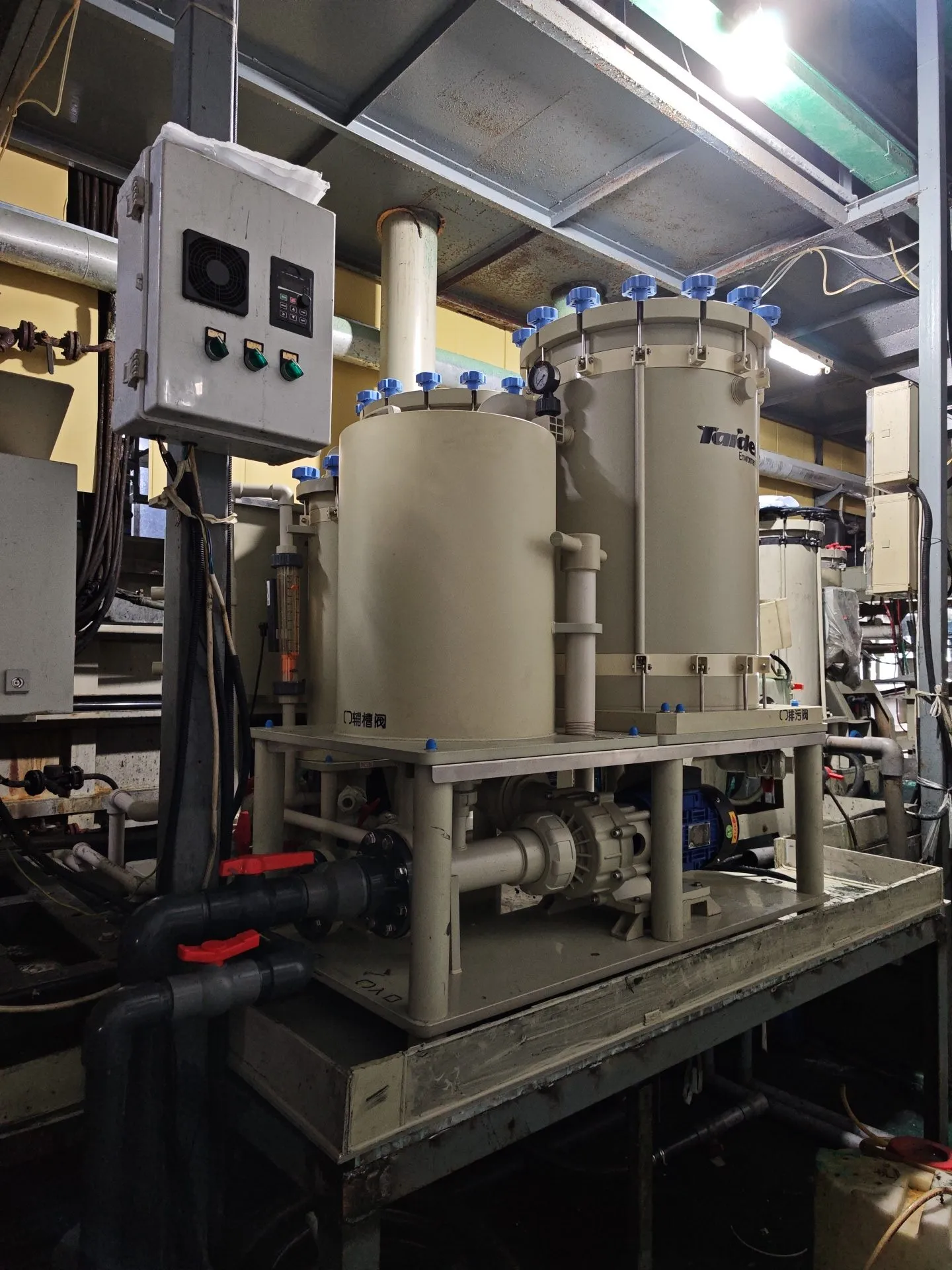
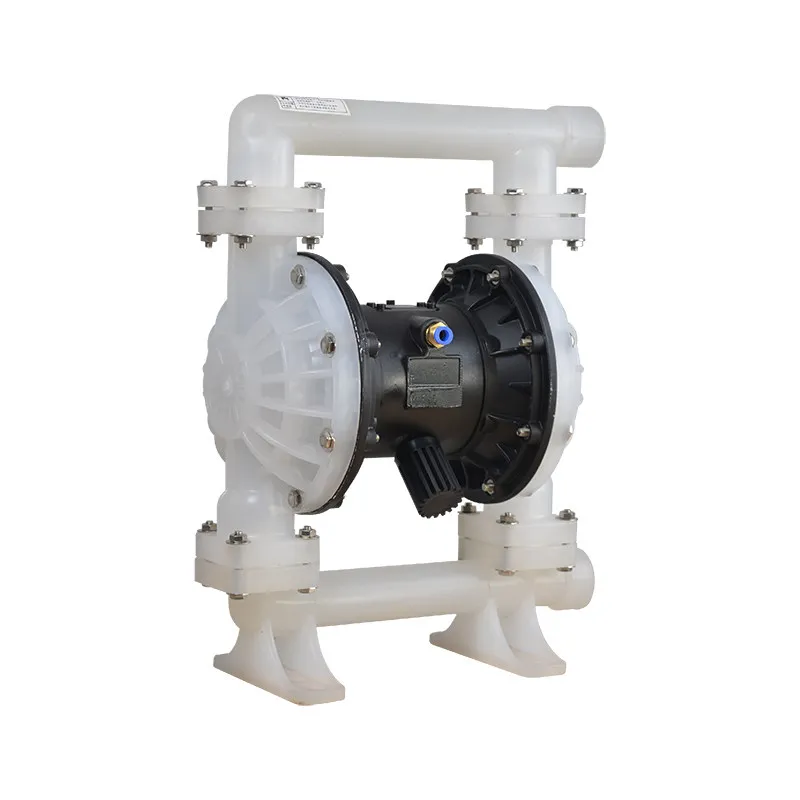

Vertical pumps are not a single pump category, but a family of pump types engineered for different operating conditions. Understanding their structure and functional differences is essential for proper selection and optimal system performance.

1. Common Types of Vertical Pumps
Based on analysis of top-ranking articles, vertical pumps typically fall into four major categories:
1. Vertical Centrifugal Pumps
These are the simplest and most widely used. Designed with a single impeller, they handle clean water, wastewater, cooling water, and general industrial liquids.
2. Vertical Multistage Pumps
By stacking multiple impellers, they generate significantly higher pressure. Applications include high-rise water boosting, boiler feedwater, and industrial pressure systems.
3. Vertical Inline Pumps
Featuring suction and discharge ports on the same axis, these pumps fit directly into pipelines. They are especially common in HVAC, circulation systems, and building water supply projects.
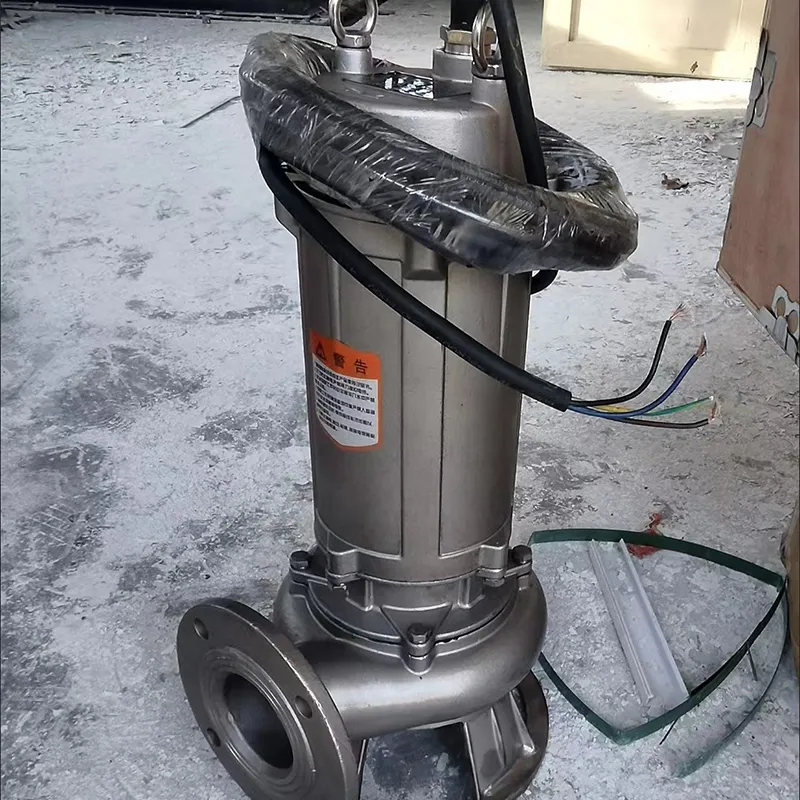
4. Vertical Sump / Deep-Well Pumps
With the impeller submerged below the liquid surface, these pumps excel in deep wells, pits, basements, sewage sumps, and mine dewatering environments.
2. Structural Features and Operating Characteristics
Vertical pumps offer distinctive engineering advantages:
-
Compact, space-efficient vertical layout
Ideal for facilities with expensive or limited floor space. -
Superior suction conditions
The short suction path greatly minimizes cavitation risk and improves stability. -
Flexible piping configurations
Inline designs simplify pipeline routing, reducing elbows and lowering friction losses. -
Maintenance made easy
Top-pull-out designs allow servicing without removing the pump from the pipeline. -
Material flexibility for harsh fluids
Stainless steel, alloy steel, plastics, and rubber linings can be chosen based on the fluid’s corrosiveness and temperature.
3. Key Factors for Selecting a Vertical Pump
To choose the correct vertical pump, consider these essential parameters:
| Selection Consideration | Key Questions |
|---|---|
| Flow rate & head | Does the system require single-stage or multistage pressure? |
| Fluid characteristics | Is the liquid corrosive, abrasive, high-temperature, or containing solids? |
| Space limitations | Is the pump room narrow or is shaft space required? |
| Maintenance mode | Does the system require quick, frequent maintenance? |
| Energy efficiency | Will the pump use a VFD or high-efficiency motor? |
4. Conclusion
Vertical pumps deliver stable performance, low cavitation risk, and excellent space efficiency, making them a preferred choice across many industries. With a clear understanding of the structural differences among vertical pump types, engineers and users can make informed decisions that enhance overall system safety, efficiency, and reliability.