
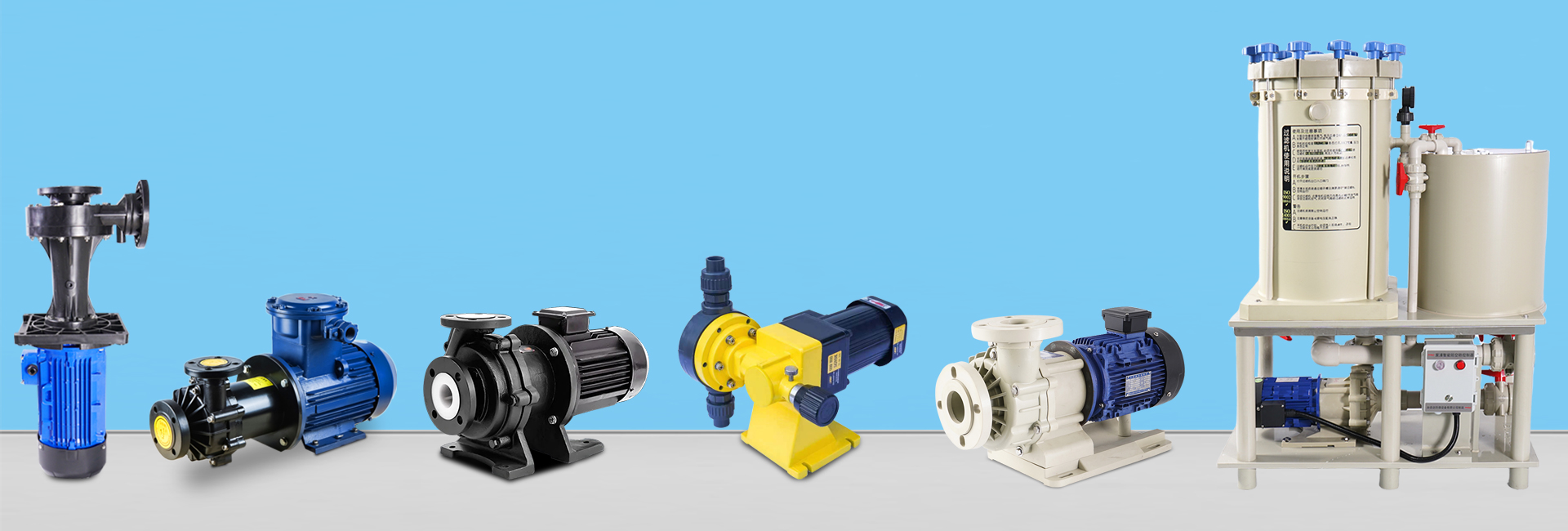
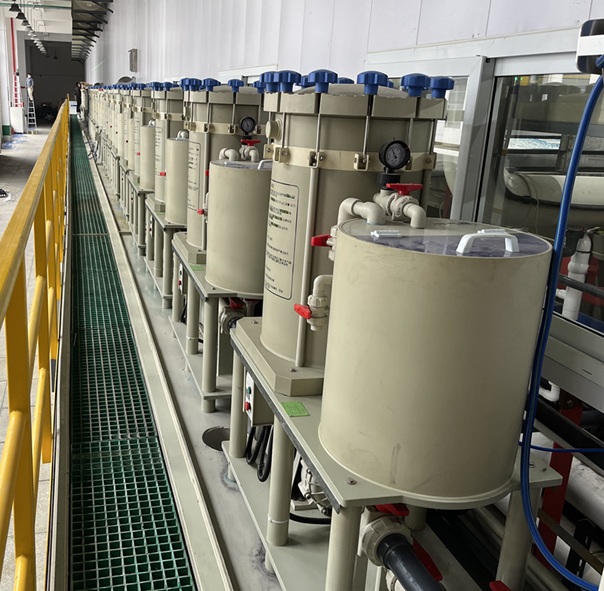
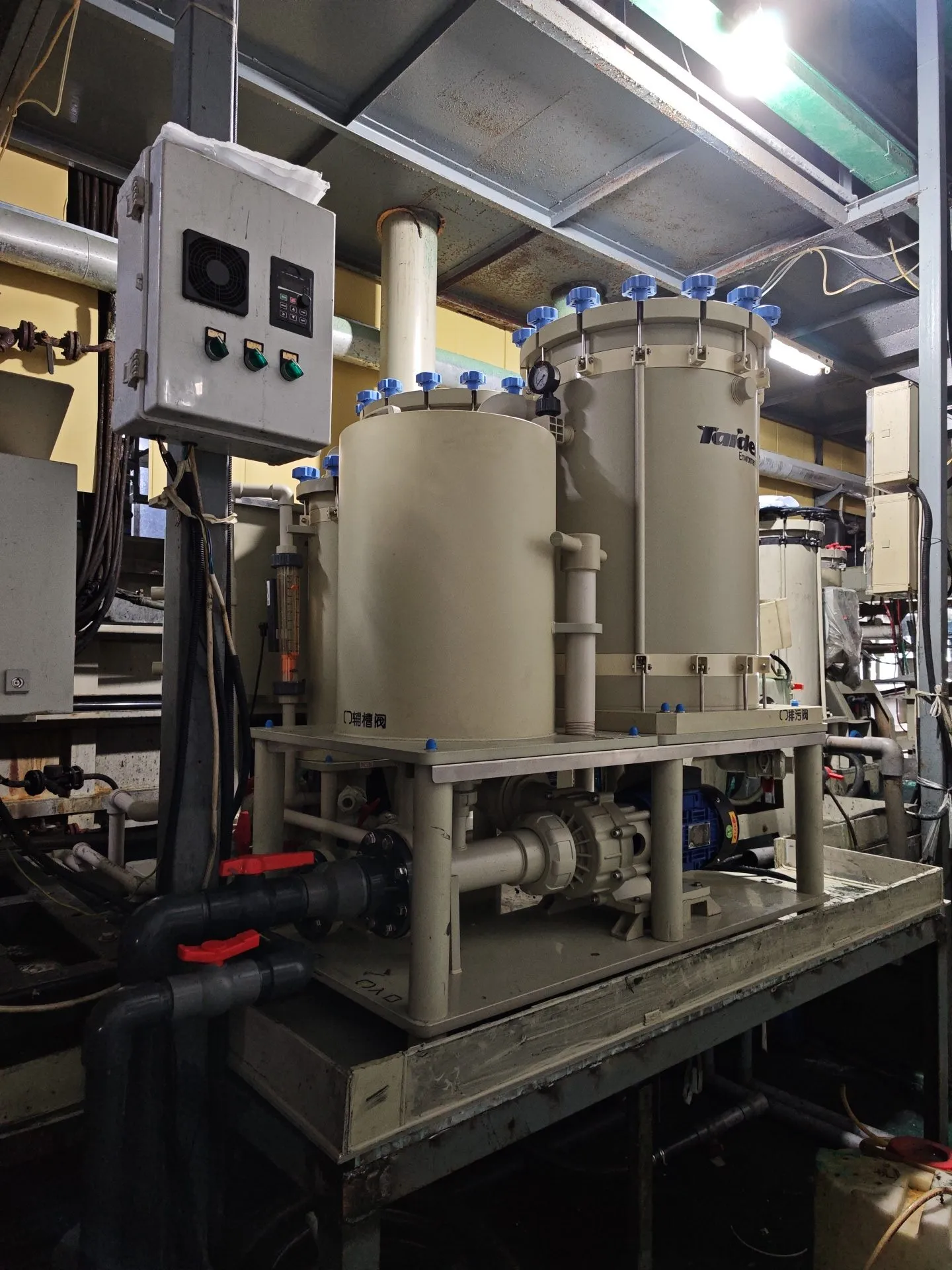
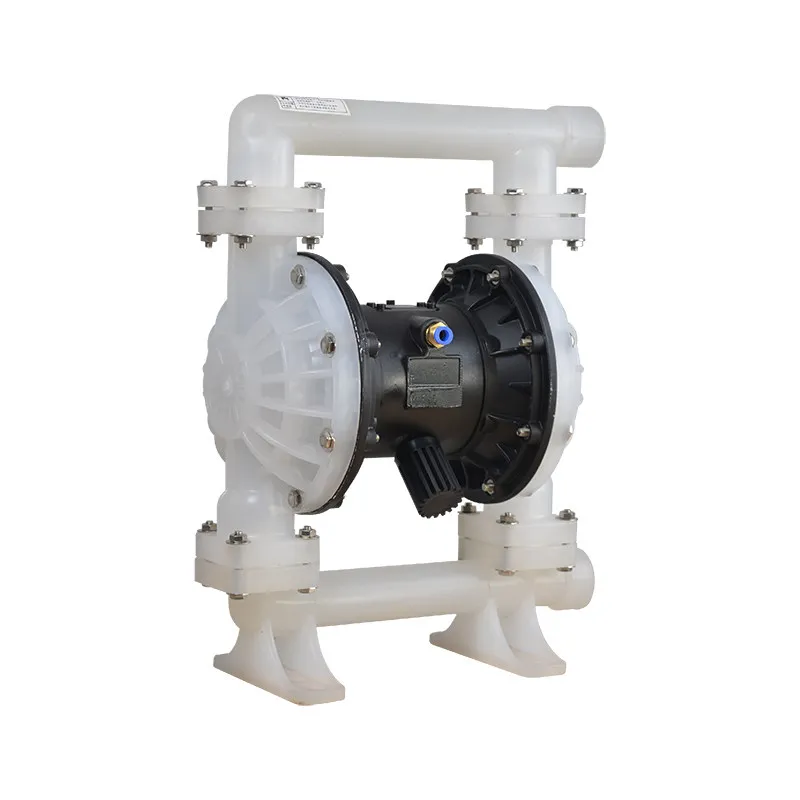
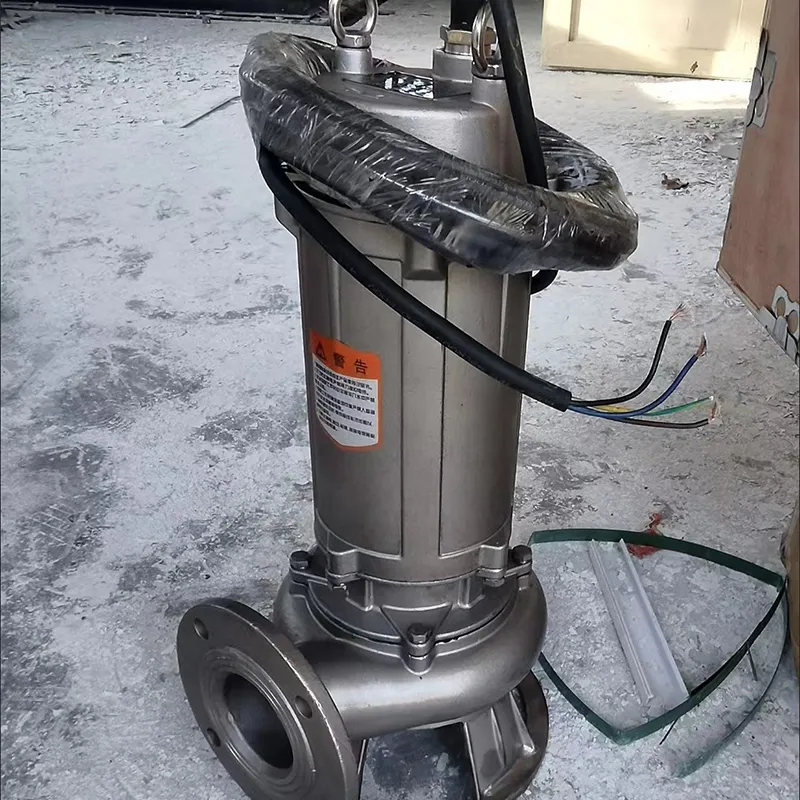
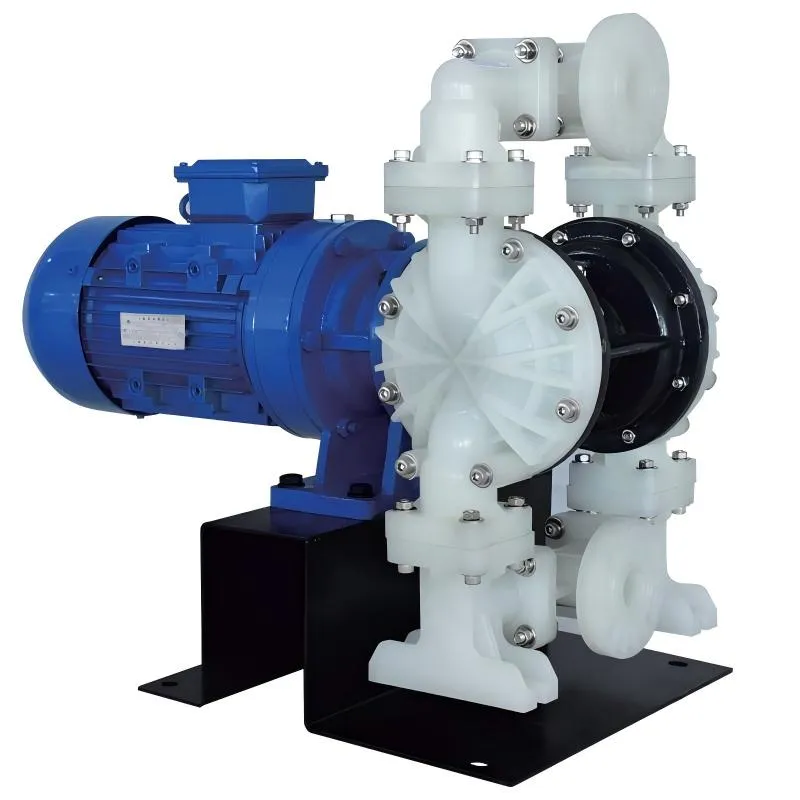

Vertical pumps have become essential in modern industrial and commercial fluid-handling systems due to their compact footprint, high efficiency, and excellent suction performance. The top Google search results on “vertical pumps” consistently highlight their ability to save space, reduce cavitation, simplify maintenance, and operate reliably in demanding environments.

1. Core Advantages of Vertical Pumps
One of the most notable advantages of vertical pumps is their minimal floor space requirement. Installed vertically and often positioned directly above a sump, tank, or pit, they are ideal for facilities where installation space is limited—such as mechanical rooms, high-rise buildings, underground pump stations, and industrial plants.
Vertical pumps also offer superior suction characteristics. Because the impeller sits much closer to the liquid surface—or even below it in sump applications—the suction lift is minimized. This significantly reduces the risk of cavitation and ensures stable operation even under low-liquid-level conditions.
Their direct-coupled design further improves energy efficiency. By eliminating belts and reducing shaft misalignment, vertical pumps experience fewer energy losses and are suitable for long-duration continuous duty.
A quick overview of their key strengths:
| Advantage | Description |
|---|---|
| Space saving | Requires only a small footprint; perfect for narrow pump rooms |
| Strong suction performance | Low NPSH requirement, reduced cavitation risk |
| Easy maintenance | Top-pull-out structure reduces downtime |
| Wide fluid compatibility | Handles clean water, wastewater, corrosive liquids, and slurries |
| High operational efficiency | Direct-coupled design minimizes energy loss |
2. Widely Used Across Multiple Industries
According to industry analyses, vertical pumps serve a broad range of sectors due to their versatility and reliability.
Municipal Water & Wastewater
Used for raw water lifting, sewage pumping, and recirculation processes. Their ability to mount directly above wet wells greatly reduces civil construction costs.
Commercial Buildings & HVAC
Vertical inline pumps are common in high-rise water supply, chilled water loops, and firefighting systems. They offer quiet operation and fit easily within tight mechanical shafts.
Industrial Cooling & Power Generation
Found in cooling towers, boiler feedwater systems, and process water loops. Their durability under high-temperature and high-pressure conditions makes them indispensable in power plants and steel mills.
Chemical and Corrosive Applications
With materials such as stainless steel, duplex alloy, or fluoroplastic, vertical pumps can safely handle acids, alkalis, toxic liquids, and corrosive chemicals.
Mining, Deep Wells, and Marine Systems
Deep-well vertical turbine pumps are ideal for groundwater extraction, mine dewatering, and ship ballast water operations.
3. Conclusion
Vertical pumps stand out for their compact design, excellent suction capability, energy-efficient performance, and broad applicability. Whenever installation space is limited, liquid levels are low, or the fluid is corrosive or abrasive, vertical pumps often outperform horizontal pumps.
Their advantages make them a practical, reliable choice for municipal water systems, industrial processes, high-rise buildings, chemical handling, mining, marine operations, and more.