
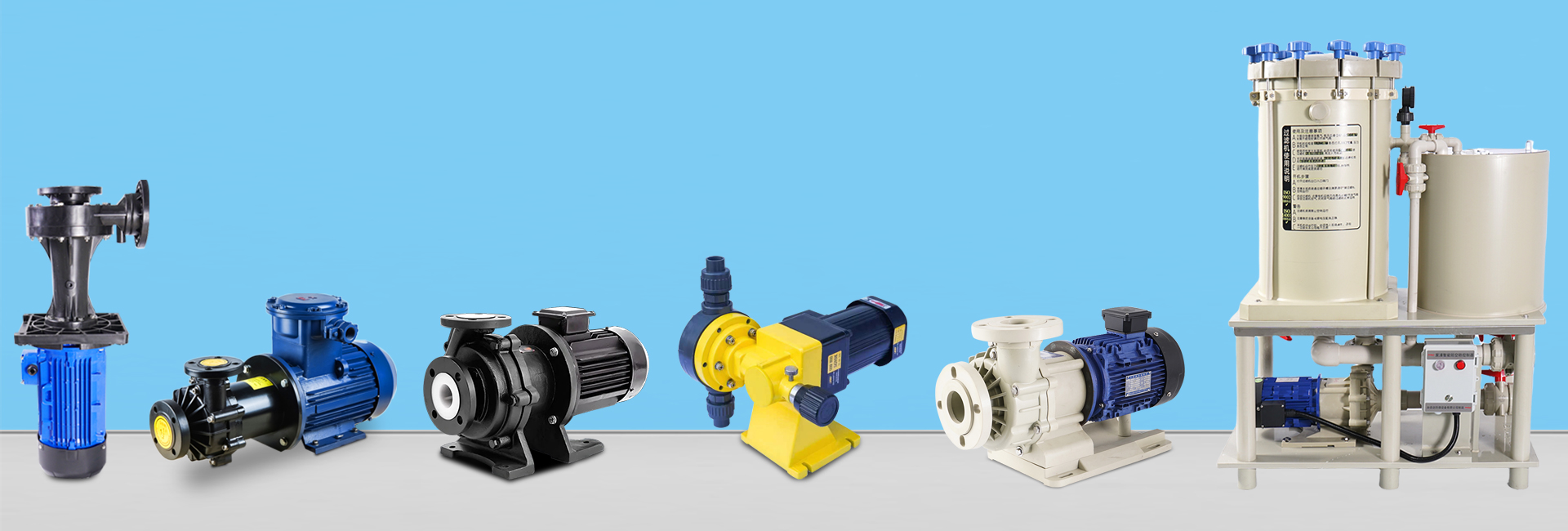
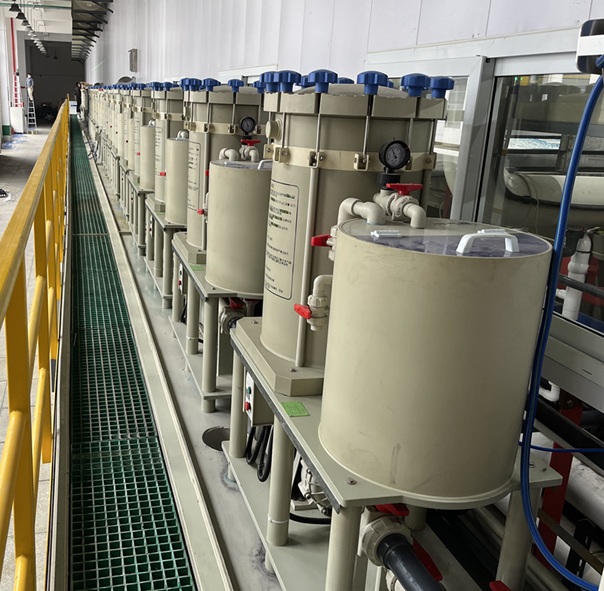
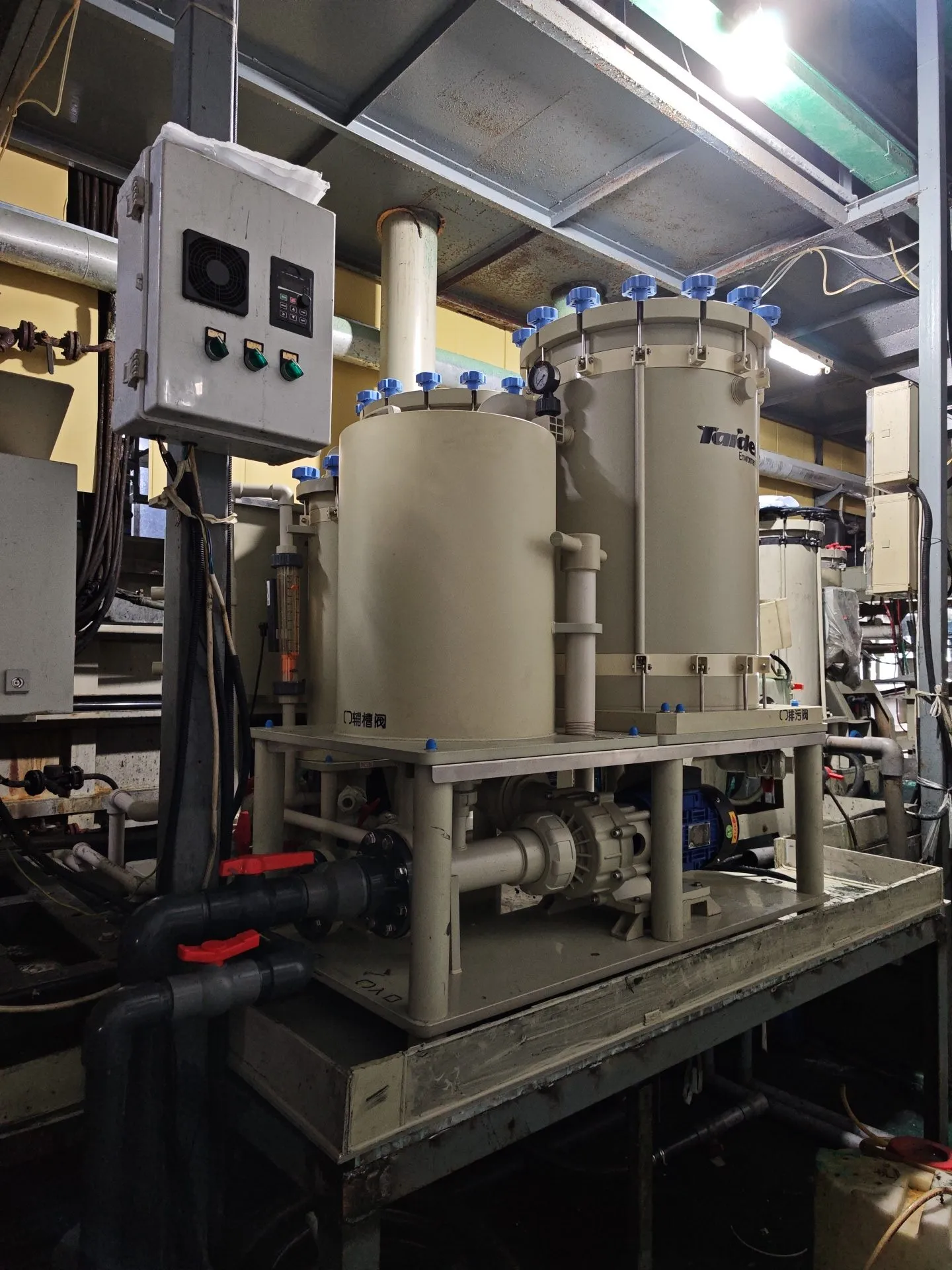
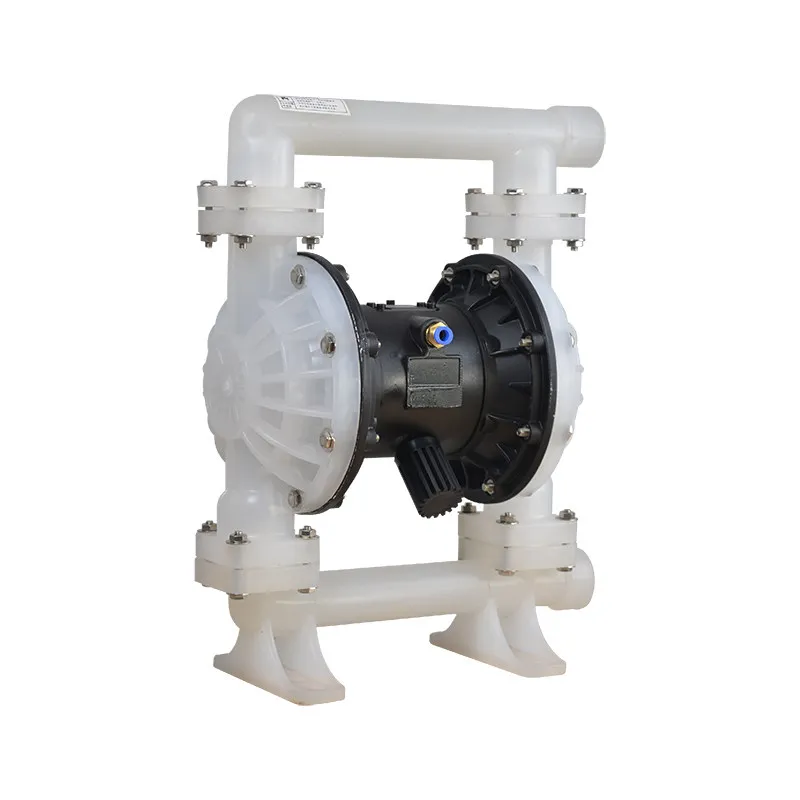
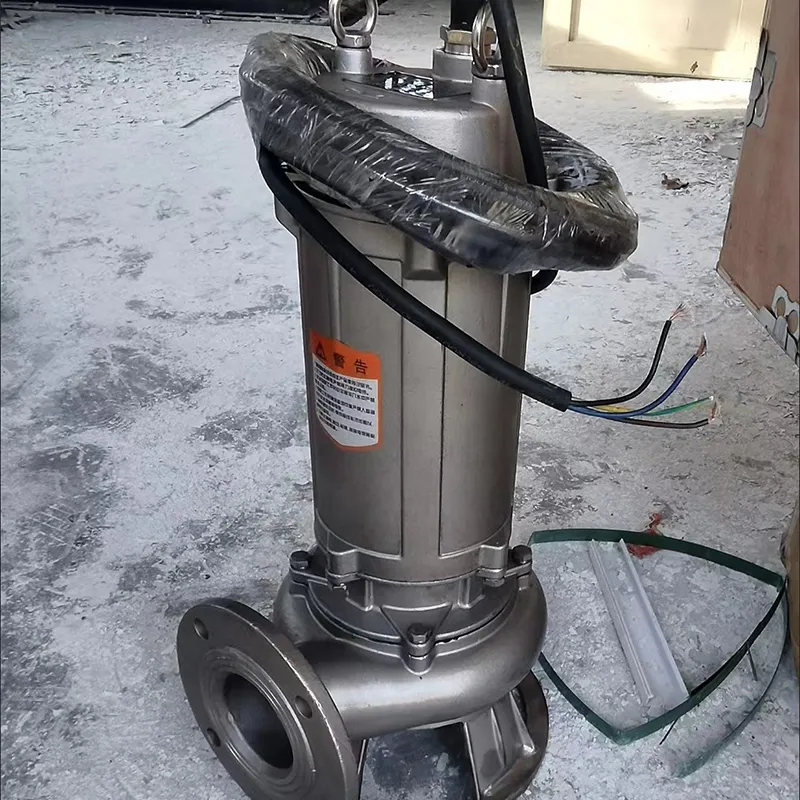
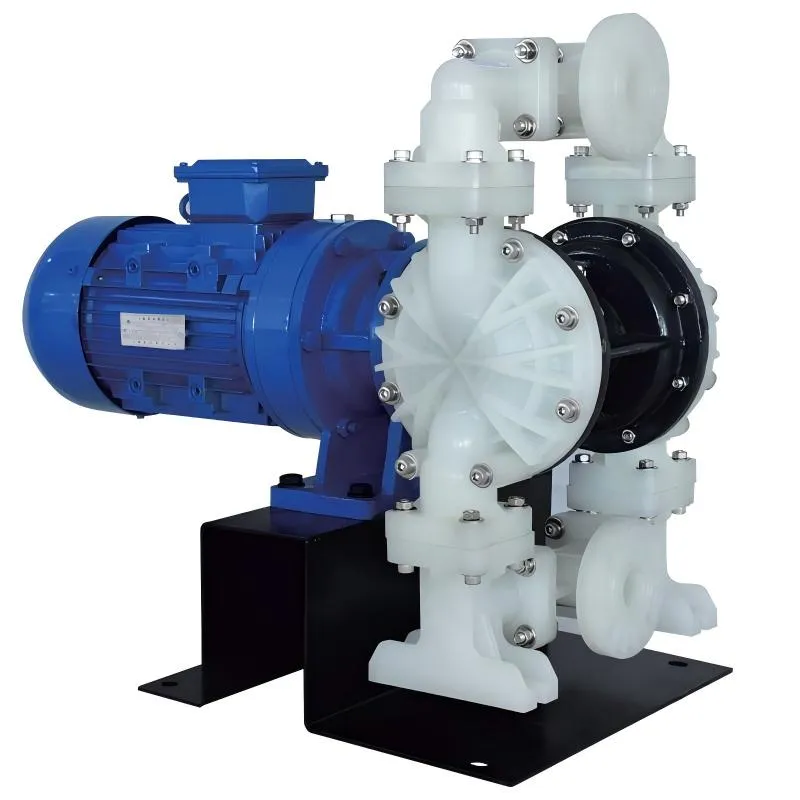

Understanding the temperature limits of plastic materials is essential when selecting chemical pumps. Different plastics offer varying levels of heat resistance and chemical stability, making them suitable for different industrial applications.
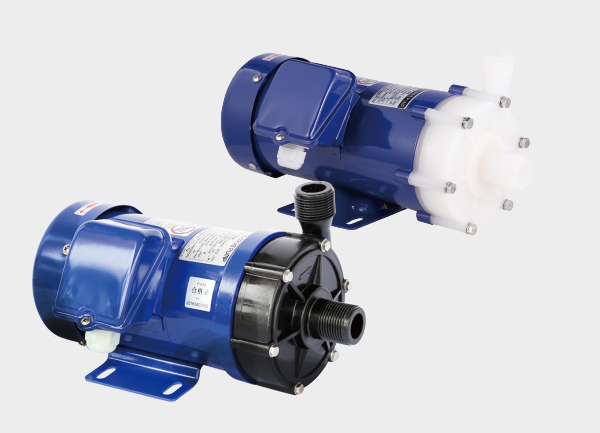
Temperature Resistance Chart for Common Plastic Pump Materials
| Material | English Name | Typical Temperature Resistance (°C) | Features & Suitable Applications |
|---|---|---|---|
| PP (Polypropylene) | Polypropylene | 70–80°C (up to 90°C for short periods) | Cost-effective, excellent acid and alkali resistance, but mechanical strength decreases at high temperatures. Not suitable for high-temperature corrosive fluids. |
| PVC (Polyvinyl Chloride) | Polyvinyl Chloride | 50–60°C | General chemical resistance but low heat tolerance. Mostly used for low-temperature, low-pressure applications. |
| CPVC (Chlorinated Polyvinyl Chloride) | Chlorinated PVC | 90–95°C | Higher temperature resistance than PVC with improved corrosion performance; good value for medium-temperature chemical transfer. |
| PVDF (Polyvinylidene Fluoride) | PVDF | 120–140°C | Excellent heat resistance and chemical stability. Suitable for hot strong acids such as sulfuric acid, hydrochloric acid, and hydrofluoric acid. |
| PTFE (Polytetrafluoroethylene, Teflon) | PTFE / Teflon | 150–200°C (continuous) | Outstanding corrosion resistance with the widest chemical compatibility. Commonly used in lined magnetic pumps and lined centrifugal pumps. |
| PFA (Perfluoroalkoxy Alkane) | PFA | 180–220°C | Higher temperature capability compared to PTFE; ideal for high-temperature and highly corrosive chemicals. |
Quick Summary
If you want a simple guideline:
-
PP: ≤ 80°C
-
PVC: ≤ 60°C
-
CPVC: ≤ 95°C
-
PVDF: ≤ 140°C
-
PTFE: ≤ 200°C
-
PFA: ≤ 220°C
Important Notes
Actual temperature limits may vary slightly depending on the manufacturer, but they typically stay within the ranges above. When selecting a chemical pump, always consider:
-
Real operating temperature and fluctuations
-
Presence of solid particles
-
System pressure
-
Continuous vs. intermittent operation
