
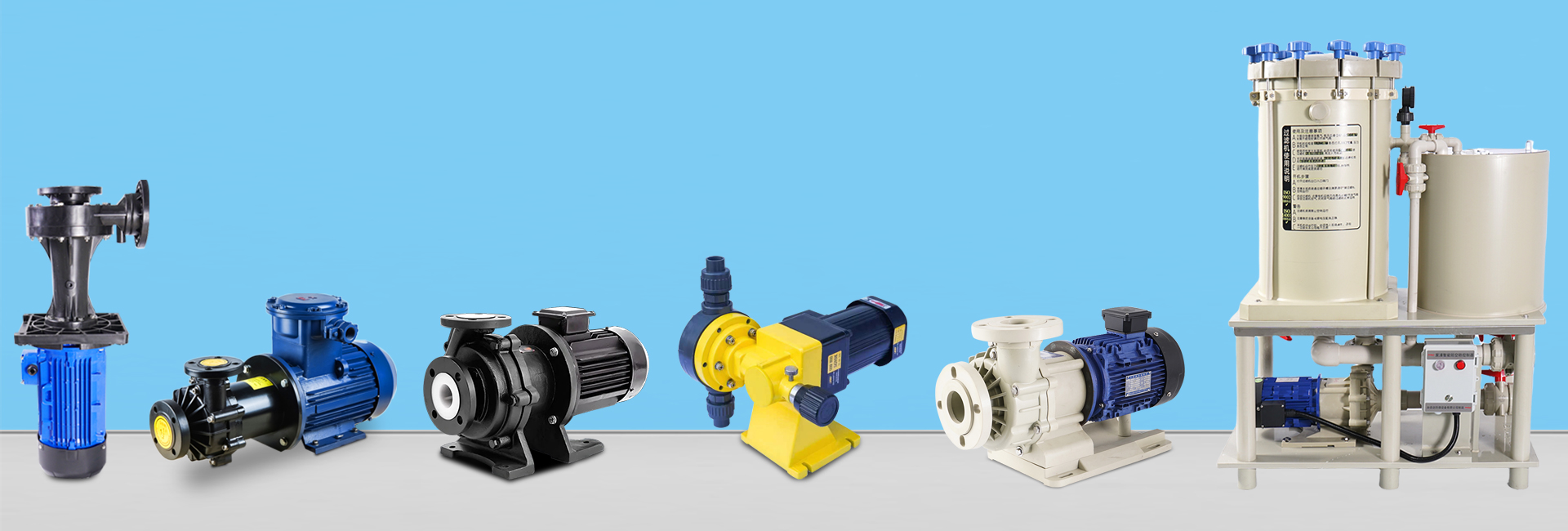
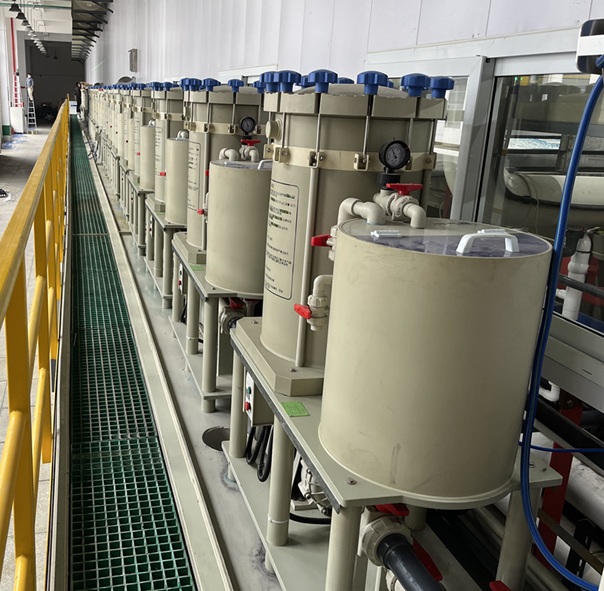
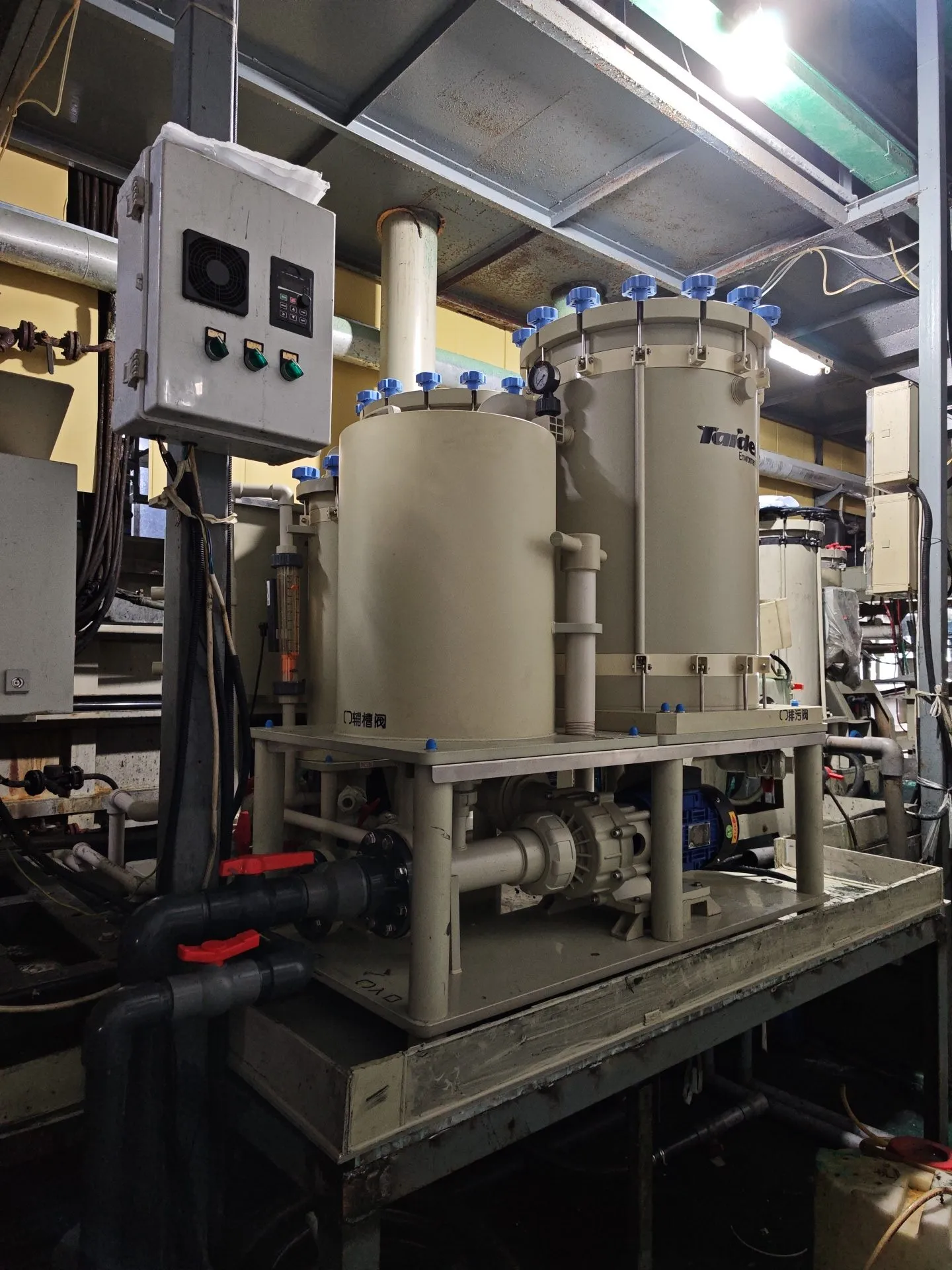
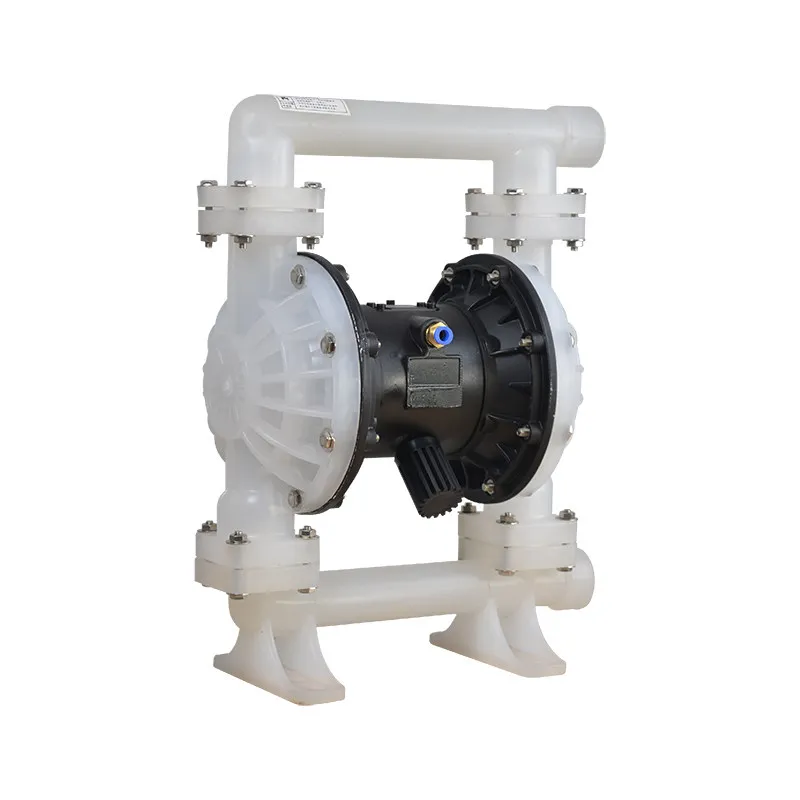
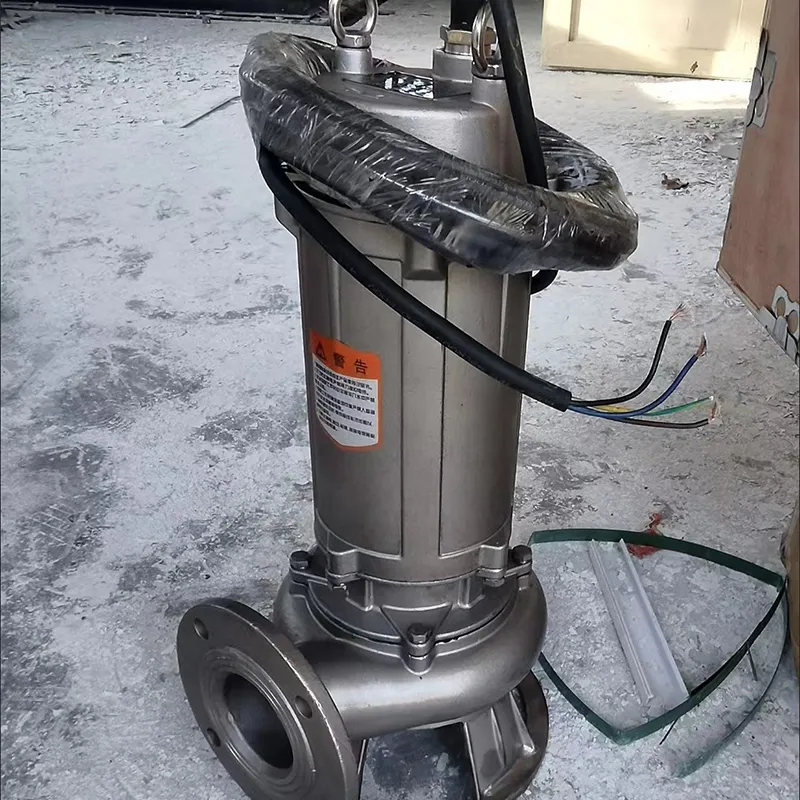
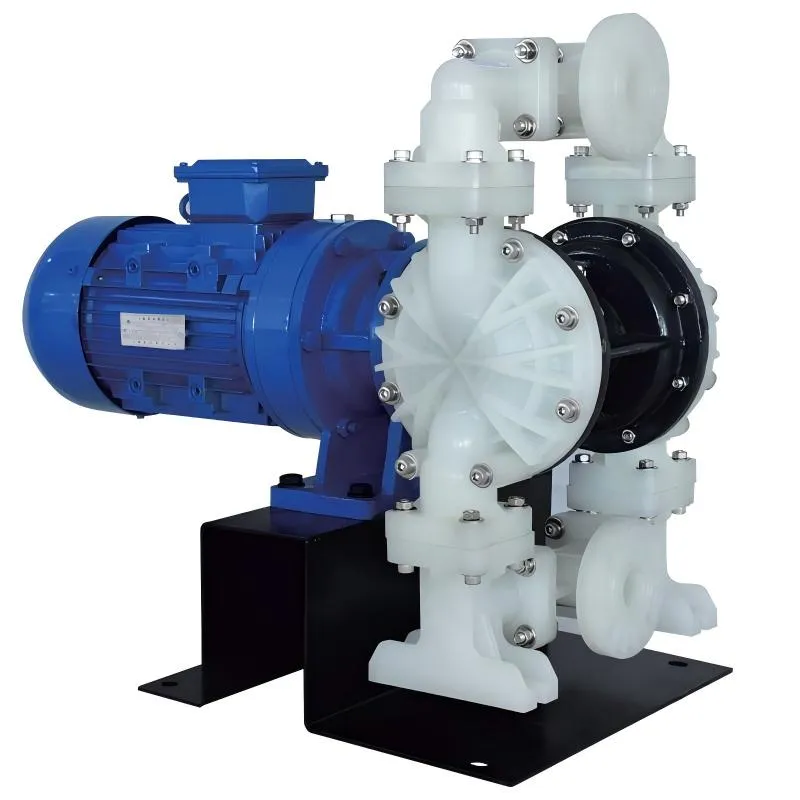

Industrial centrifugal pumps are essential components in modern fluid handling systems, widely used across chemical processing, petrochemicals, water treatment, HVAC, irrigation, mining, and countless industrial applications. Their ability to efficiently transport water, chemicals, oils, slurries, and corrosive liquids makes them indispensable in industries that depend on continuous and reliable fluid flow. This guide provides a complete overview of industrial centrifugal pumps, including how they work, where they are used, their advantages, emerging technologies, and factors to consider when selecting the right pump for your operation.

What Are Industrial Centrifugal Pumps?
An industrial centrifugal pump is a mechanical device that converts mechanical energy into kinetic energy to move fluids. When the impeller rotates, it accelerates the fluid and forces it outward, creating flow and pressure. These pumps are favored for their durability, simplicity, and ability to handle a wide range of fluids—from clean water to abrasive slurries.
Core Components
-
Impeller – Increases fluid velocity and imparts kinetic energy
-
Casing – Directs the fluid and converts velocity into pressure
-
Shaft – Transfers power from the motor to the impeller
-
Motor – Typically electric, generating rotational energy
How Industrial Centrifugal Pumps Work
Centrifugal pumps operate using centrifugal force. As the impeller spins at high speed:
-
Fluid enters the center (eye) of the impeller
-
Rotation pushes the fluid outward
-
Velocity converts into pressure at the discharge
-
Fluid is transported through pipeline systems
Key Performance Factors
-
Flow Rate – Volume of fluid moved per unit time
-
Head (Pressure) – Height or pressure the pump can deliver
-
Power Consumption – Influenced by operating conditions and required performance
Industrial Applications of Centrifugal Pumps
Industrial centrifugal pumps are among the most widely used pumps in the world due to their versatility, reliability, and ability to move large volumes of fluid. Below are the leading application sectors.
1. Chemical & Petrochemical Processing
Centrifugal pumps move solvents, acids, alkalis, oils, and corrosive chemicals.
Common uses include:
-
Transferring chemicals between tanks and reactors
-
Pumping corrosive or flammable liquids
-
Handling viscous products like resins and sludge
Pumps designed for this industry often feature stainless steel, fluoroplastic linings, corrosion-resistant coatings, and high-pressure designs.
2. Water Supply & Wastewater Treatment
Centrifugal pumps play a major role in municipal and industrial water systems, including:
-
Freshwater supply and pressurization
-
Wastewater transfer and sludge handling
-
Filtration and disinfection processes
-
Desalination systems
Their high flow capability and durability make them ideal for continuous operation.
3. Food & Beverage Industry
These pumps transport liquids such as:
-
Dairy products
-
Juices & syrups
-
Oils
-
Beverage ingredients
Sanitary centrifugal pumps meet hygiene standards with smooth surfaces, stainless steel housings, and CIP/SIP compatibility.
4. Pharmaceutical Manufacturing
Used to handle sensitive liquids like APIs under sterile and contamination-free conditions. Pumps must be made from non-reactive materials, have precise flow control, and support cleanroom requirements.
5. Oil & Gas Industry
Centrifugal pumps are used for:
-
Crude oil transfer
-
Drilling fluid circulation
-
Offshore platform operations
-
Pipeline booster systems
High-pressure, explosion-proof, and corrosion-resistant designs are essential for harsh environments.
6. HVAC, Cooling & Heating Systems
In heating and cooling systems, centrifugal pumps circulate:
-
Chilled water
-
Boiler feedwater
-
Heat-transfer fluids
Advanced models like frequency-inverter pumps (WDRIVE, VARIO series) automatically adjust flow based on demand, reducing energy consumption.
7. Agriculture & Irrigation
Centrifugal pumps are widely used for:
-
Surface and drip irrigation
-
Water transfer from wells, lakes, or reservoirs
-
Fertilizer and pesticide spraying
High-capacity models deliver strong water flow for large agricultural fields.
8. Power Plants
Used for:
-
Cooling water circulation
-
Boiler feed operations
-
Fuel oil transfer
-
Fire protection systems
Radial-flow and mixed-flow centrifugal pumps are most common due to their high-pressure capabilities.
9. Mining & Mineral Processing
Mining applications require robust, abrasion-resistant pumps for:
-
Slurry transport
-
Dewatering tunnels and pits
-
Chemical dosing
-
Equipment cooling systems
Centrifugal pumps also assist in vacuum creation for dredging operations.
10. Shipbuilding & Marine Applications
Centrifugal pumps are used for:
-
Bilge pumping
-
Firefighting systems
-
Freshwater supply
-
Fuel transfer
-
Wastewater management
Marine pumps must withstand corrosive seawater and operate reliably under harsh conditions.
Advantages of Industrial Centrifugal Pumps
Industrial centrifugal pumps offer numerous benefits, including:
-
High Efficiency – Handles large volumes with low energy input
-
Reliability – Simple structure with fewer moving parts
-
Versatility – Suitable for water, chemicals, oils, corrosive liquids, abrasive slurries
-
Cost-Effectiveness – Low installation and maintenance costs
-
Compatibility – Works with automation, smart controls, and frequency inverters
-
Customizability – Materials, seals, and impellers can be tailored for specific applications
Common Challenges and How to Overcome Them
1. Cavitation
Occurs when fluid pressure drops below vapor pressure.
Solutions: Maintain proper NPSH, reduce pump speed, improve inlet conditions.
2. Wear & Corrosion
Abrasive or corrosive fluids damage components.
Solutions: Use stainless steel, duplex steel, FRP, or fluoroplastic materials.
3. Unstable Flow
Changes in fluid properties or demand can reduce efficiency.
Solutions: Use variable speed drives (VFD), proper pump sizing, and system balancing.
Best Practices for Pump Operation & Maintenance
-
Conduct regular inspections for leaks, vibration, and noise
-
Maintain proper alignment between pump and motor
-
Monitor flow rate, pressure, temperature, and energy usage
-
Replace worn seals, bearings, and impellers as needed
-
Perform preventive maintenance to avoid downtime
Technological Innovations in Industrial Centrifugal Pumps
Modern industrial pumps integrate advanced technologies for improved performance:
Energy-Efficient Designs
Variable speed drives (VSD/VFD) adjust pump speed based on system demand, reducing energy consumption by up to 40%.
Smart IoT-Enabled Pumps
Real-time monitoring allows predictive maintenance and remote control.
Advanced Materials
New coatings and stainless steel alloys enhance corrosion resistance and service life.
How to Select the Right Industrial Centrifugal Pump
When choosing a pump, consider:
-
Required flow rate and pressure (head)
-
Fluid temperature, viscosity, and chemical composition
-
Installation environment
-
Energy efficiency requirements
-
Materials and seal type
-
Maintenance convenience
-
Whether a frequency-inverter smart pump is needed
Selecting the correct pump ensures reliability, efficiency, and long-term performance.
Conclusion
Industrial centrifugal pumps are the backbone of countless industries—from water treatment and chemical processing to HVAC, mining, agriculture, and power generation. Their efficiency, reliability, and versatility make them the preferred solution for fluid handling systems. As technology advances, smart pumps, variable speed systems, and corrosion-resistant materials continue to push the boundaries of performance and sustainability.