
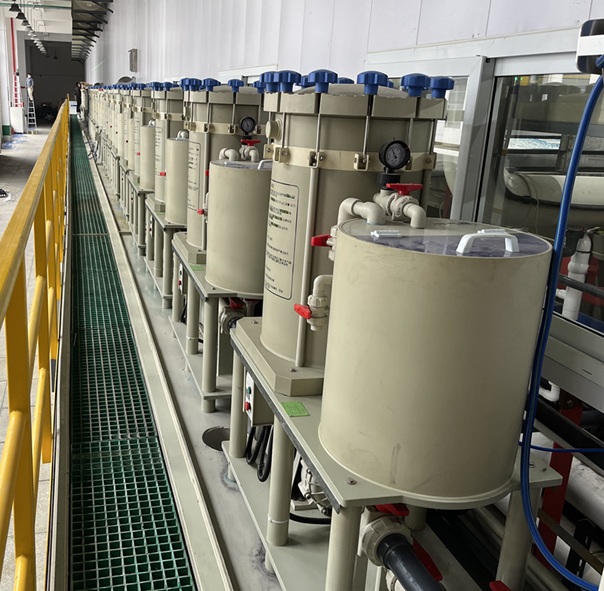
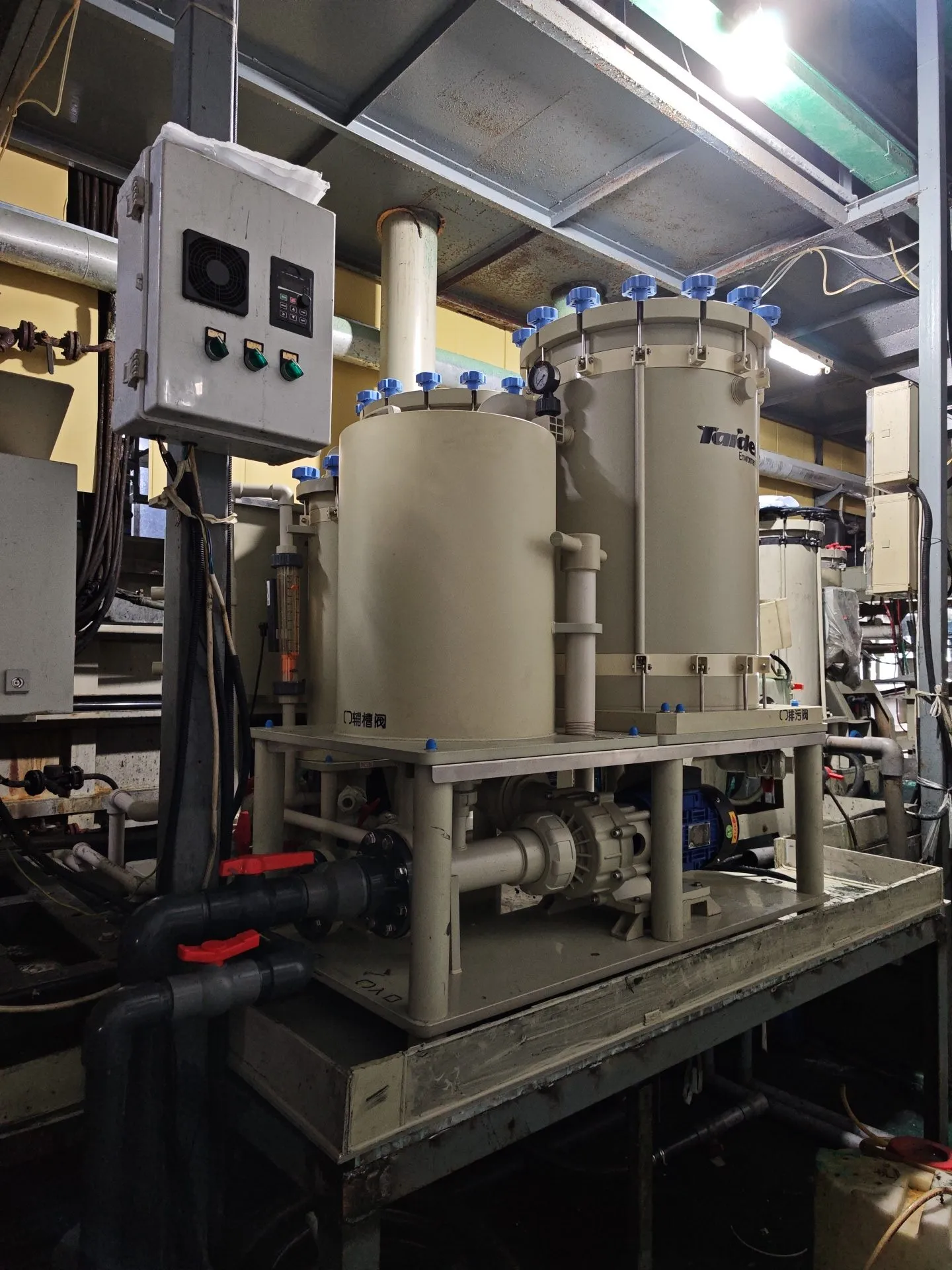
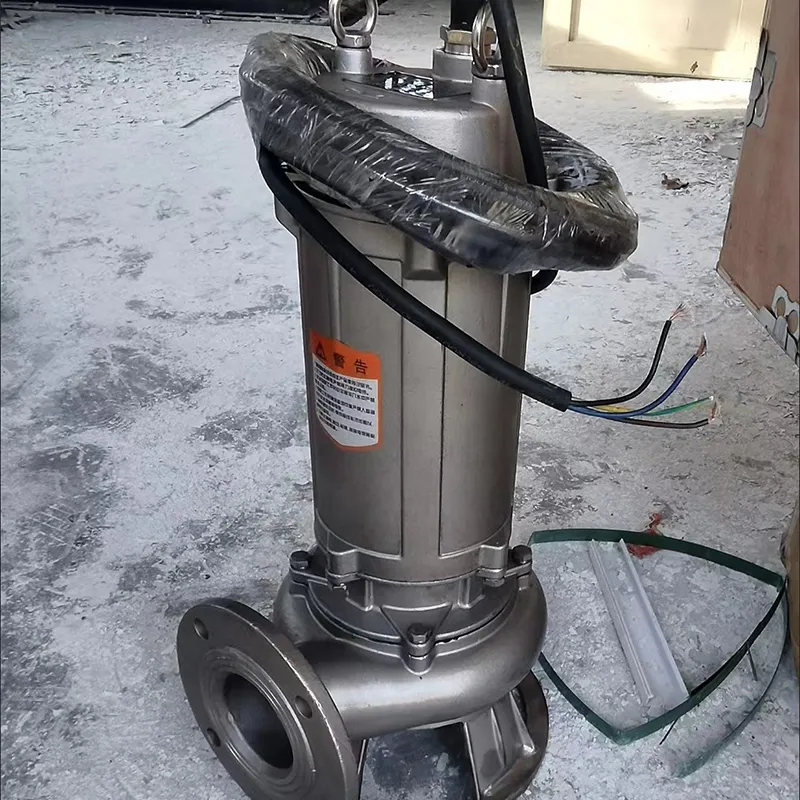
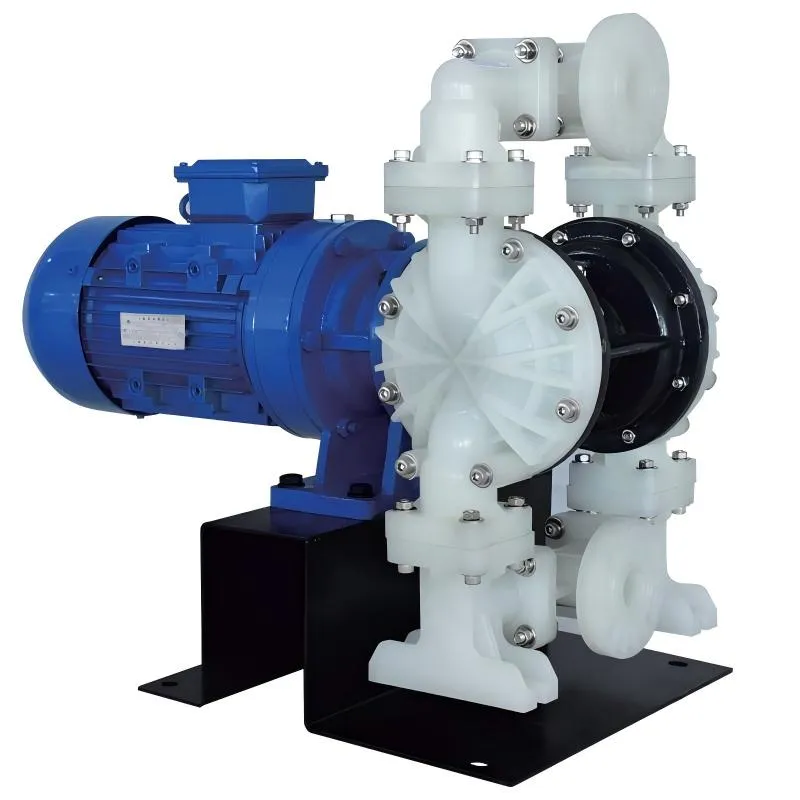

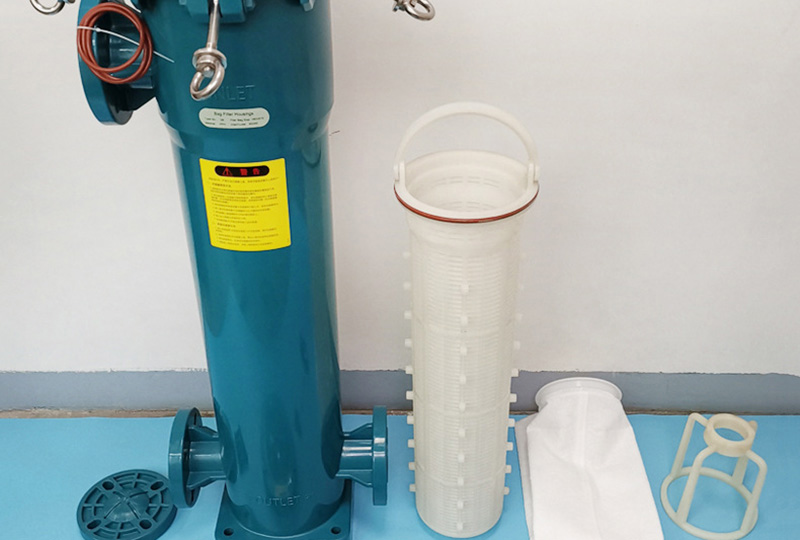
In the electroplating industry, a Bag Filter Housing is the heart of the solution maintenance system. Its primary role is to remove impurities, stabilize plating quality, and extend the lifespan of chemical baths. Key advantages include acid/alkali resistance, high flow rates, superior dirt-holding capacity, and rapid bag replacement.
Below is a detailed breakdown of selection criteria and typical application scenarios to help you optimize your plating line.
I. 5 Critical Selection Parameters
1. Filtration Flow Rate (The Baseline)
The flow rate determines how many times the entire tank volume is filtered per hour.
-
Formula: $Flow Rate = Tank Volume \times Turnover Rate (cycles/hour)$
-
Industry Standard: 3–6 turnovers per hour (Higher for precision plating).
-
Example: For a $10m^3$ tank, you need a $30–60m^3/h$ capacity.
-
Pro Tip: Always choose a filter with 20% extra capacity to account for pressure drops as the bag clogs.
2. Filtration Precision (Micron Rating)
The choice of micron rating ($\mu m$) depends on the plating type and impurity size:
| Precision Range | Typical Applications | Key Results |
| 0.5 – 5 $\mu m$ | Gold/Silver, Electroless Nickel, PCB Micro-vias | No pitting, high gloss, 99%+ precious metal recovery |
| 5 – 25 $\mu m$ | Copper/Nickel Plating, Decorative Chrome | Prevents nodules and particles; stabilizes coating |
| 25 – 50 $\mu m$ | Phosphating, Degreasing, Pre-treatment | Removes large sludge; protects downstream fine filters |
| 50 – 200 $\mu m$ | Wastewater Treatment, Coolants | Protects pumps; extends lifespan of fine filter elements |
3. Material Corrosion Resistance
Selecting the right material ensures the longevity of the equipment in harsh chemical environments.
-
Housing Body: One-piece molded PP (Polypropylene) or PPH (Resistant to pH 1–14, Temp $\le 80^\circ C$).
-
Filter Bag Material:
-
PP/PE: General acid resistance (Sulfuric, Hydrochloric, Copper Sulfate).
-
Nylon: Best for alkaline solutions and oily baths (Zinc plating).
-
PTFE: High temperature ($\le 150^\circ C$) and strong oxidizers (Chromic acid).
-
Anti-static PP: Used in plastic plating and E-coating to prevent fiber adsorption.
-
-
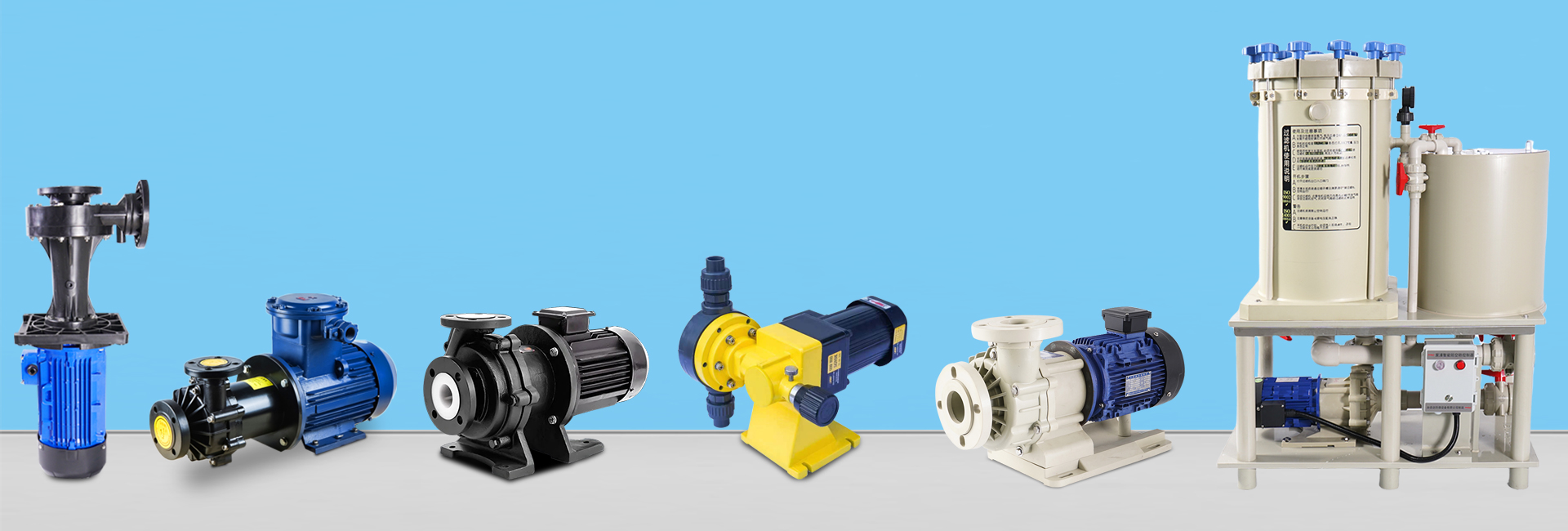
Pump Type: Sealless Magnetic Drive Pumps or Vertical Acid-Resistant Pumps (PP/PVDF).
4. Structure & Dirt-Holding Capacity
-
Single vs. Multi-bag: Available from 1 to 12 bags depending on flow requirements.
-
Capacity: Bag filters hold 3–5 times more contaminants than cartridge filters, leading to longer maintenance cycles.
-
Quick-Open Design: Allows bag changes in under 3 minutes to minimize downtime.
-
Sight Glass: Enables real-time monitoring of bag clogging and flow status.
5. Temperature & Pressure
-
Operating Temp: $\le 80^\circ C$ for PP; up to $150^\circ C$ for PTFE/Stainless Steel.
-
Operating Pressure: Usually $0.1–0.3 MPa$. A pressure differential ($\Delta P$) exceeding $0.15 MPa$ indicates a necessary bag change.
II. Typical Application Scenarios
1. Hardware & Sanitary Ware Plating
-
Process: Cu/Ni/Cr plating, Anodizing pre-treatment.
-
Impurities: Metal shavings, scale, phosphate sludge ($Zn_3(PO_4)_2$).
-
Selection: PP Acid-resistant housing, $25–50 \mu m$ bags.
-
Benefit: Prevents “roughness” and “fogging” on decorative surfaces.
2. PCB & Electronic Plating (High Precision)
-
Process: Through-hole/Blind-hole plating, Electroless Nickel Immersion Gold (ENIG).
-
Selection: Dual-stage filtration ($10 \mu m \rightarrow 1 \mu m$) and PTFE bags for high-temp ENIG.
-
Benefit: Prevents short circuits and nodules in micro-vias, significantly increasing yield rates.
3. Plating on Plastics (ABS/PC)
-
Process: Etching, Activation, Electroless Copper.
-
Selection: Anti-static PP bags, $25 \mu m$, quick-open design.
-
Benefit: Prevents peeling and pinholes caused by plastic dust or colloidal palladium.
4. Precious Metal Plating (Au, Ag, Pt)
-
Selection: Fully plastic leak-proof structure, $0.5–5 \mu m$ precision.
-
Benefit: Enables 99%+ recovery of precious metal particles and ensures a high-luster finish.
III. Selection Quick-Reference Table
| Application | Recommended Precision | Bag Material | Structural Highlight |
| Decorative Cr/Ni | $10–25 \mu m$ | PP | Quick-open cover |
| PCB Copper | $1–5 \mu m$ | PP / PE | Dual-tower / High flow |
| Electroless Ni | $5 \mu m$ | PTFE / High-temp PP | Sealless magnetic pump |
| Gold / Silver | $0.5–1 \mu m$ | PTFE / PE | Leak-proof / Plastic-lined |
| Phosphating | $50 \mu m$ | PP | High sludge capacity |
IV. Bag Filters vs. Cartridge Filters
-
Bag Filters: Best for high flow rates, high impurity loads, and pre-treatment. They offer lower operational costs and faster maintenance.
-
Cartridge Filters: Best for ultra-precision ($\le 0.1 \mu m$) and polishing stages.
Expert Recommendation: 90% of electroplating primary loops should use Bag Filters. For high-end electronics, use a Bag Filter + Cartridge Filter series configuration for the perfect balance of capacity and precision.
V. Step-by-Step Selection Guide
-
Calculate Flow: Tank Volume $\times$ Turnovers/hr.
-
Define Precision: Choose micron rating based on plating type and finish requirements.
-
Check Chemistry: Match housing and bag materials to the pH and temperature of the bath.
-
Evaluate Load: Choose the number of bags based on how “dirty” the process is.
-
Safety Margin: Always add 20% extra flow capacity to ensure performance under load.