
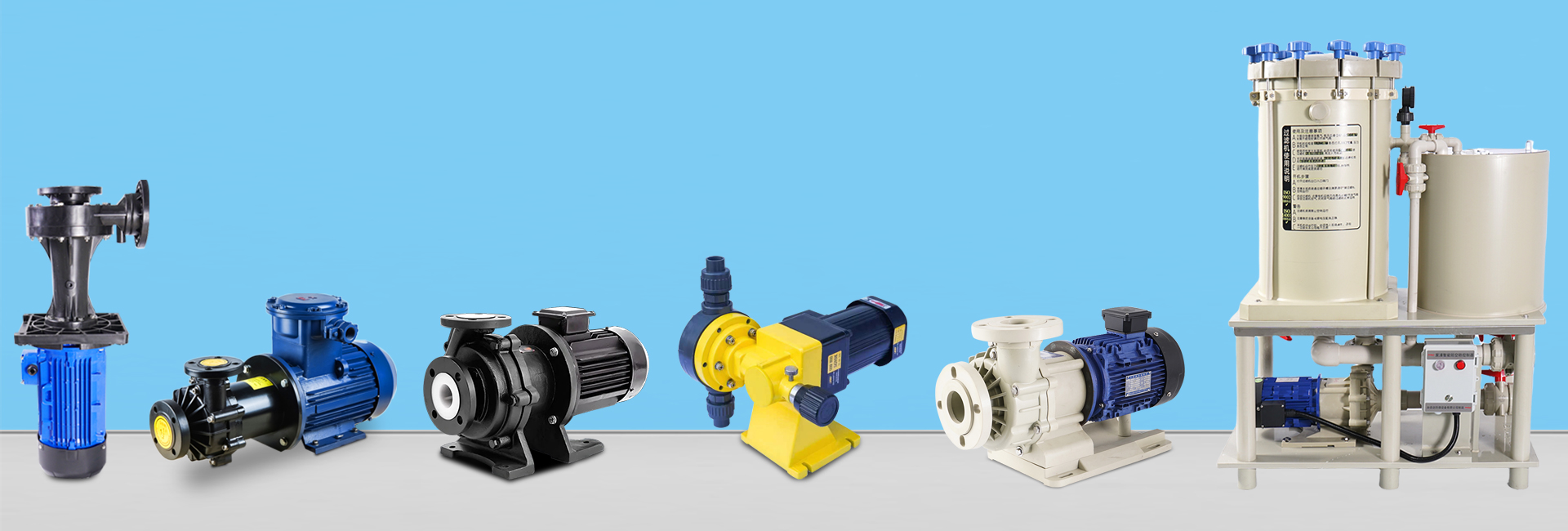
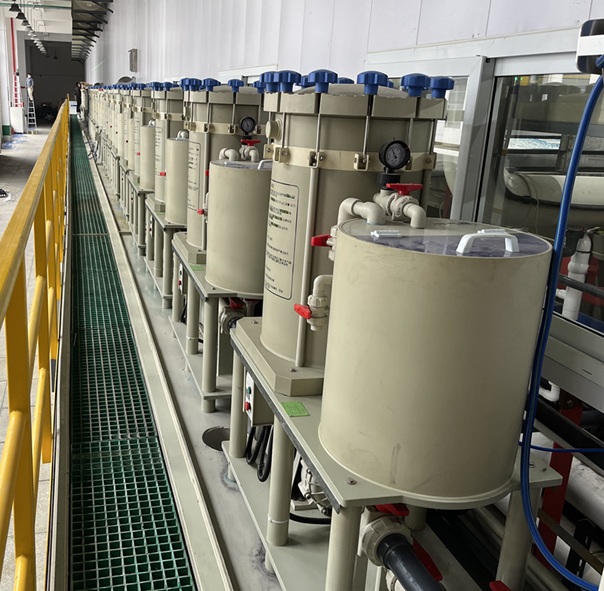
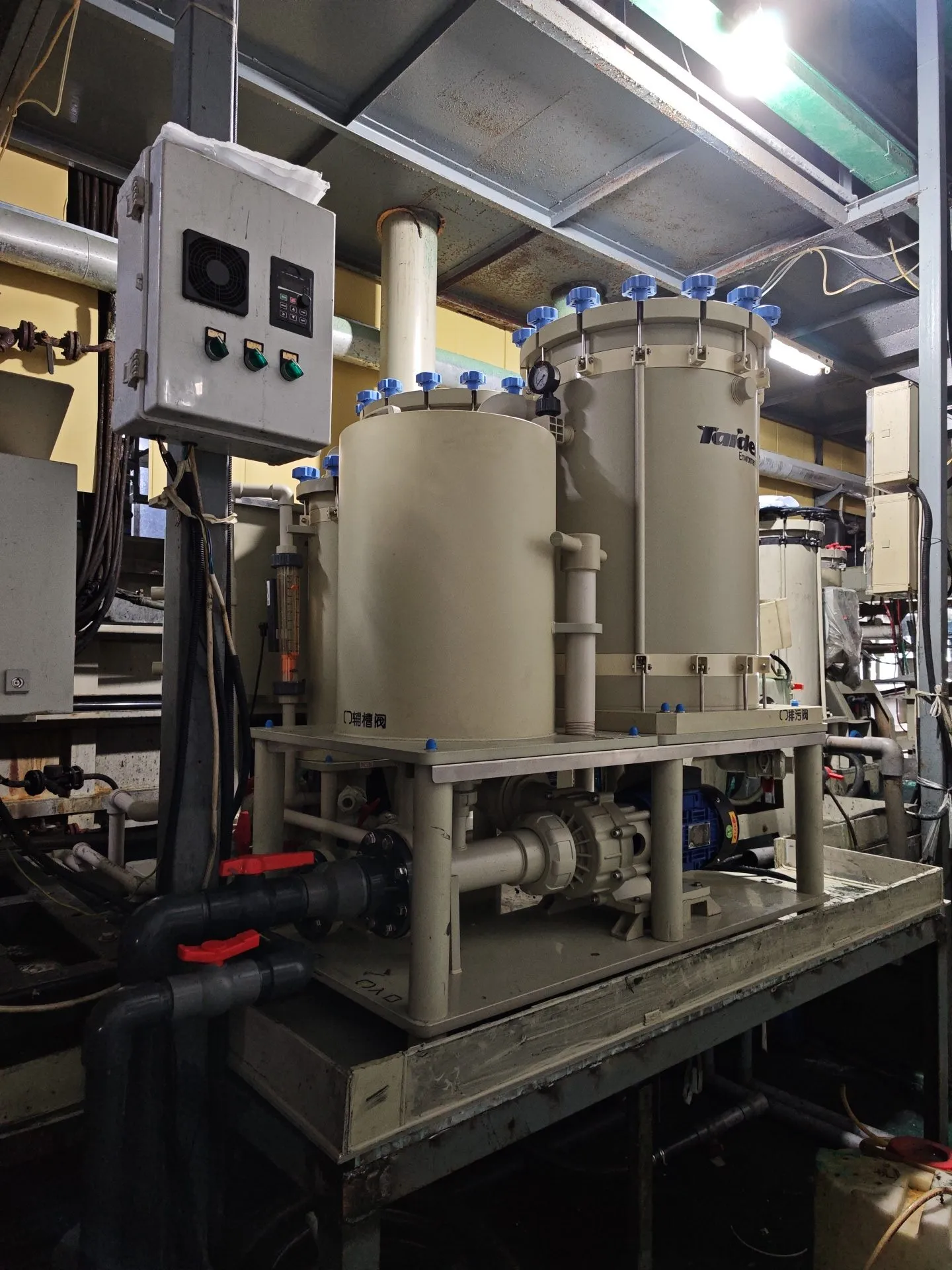
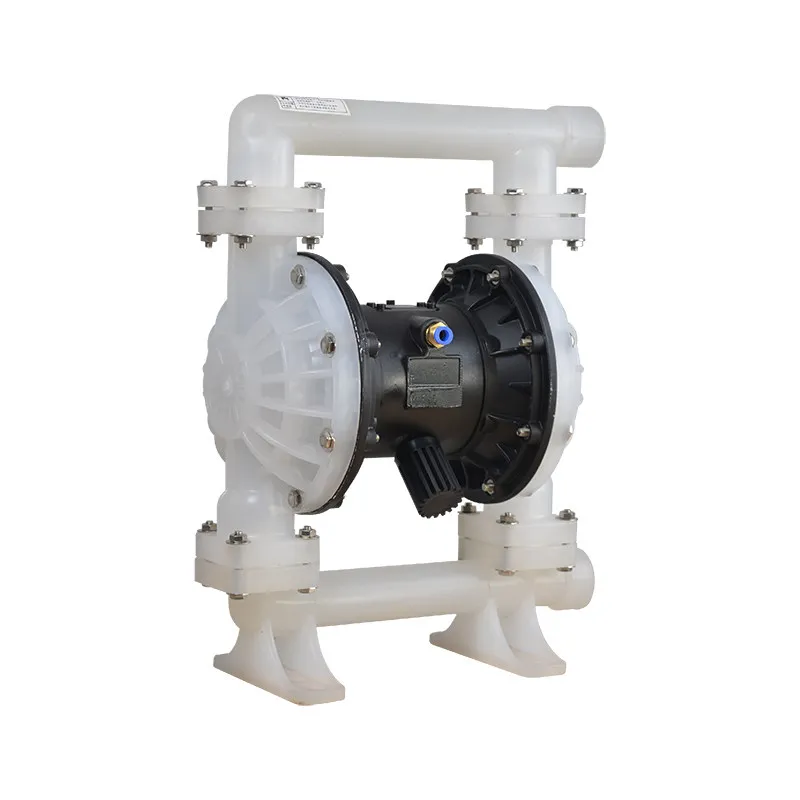
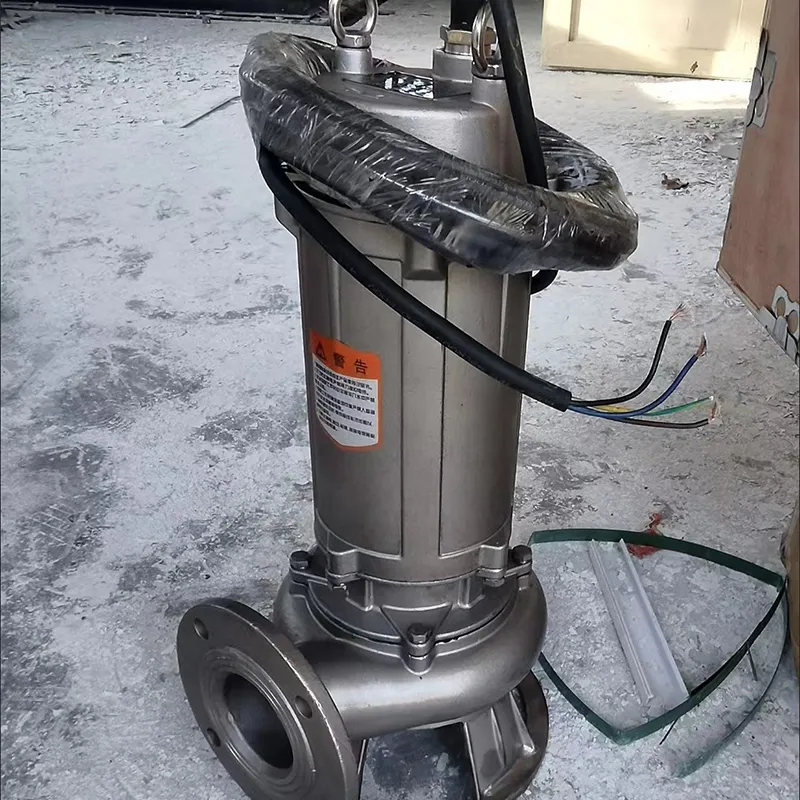
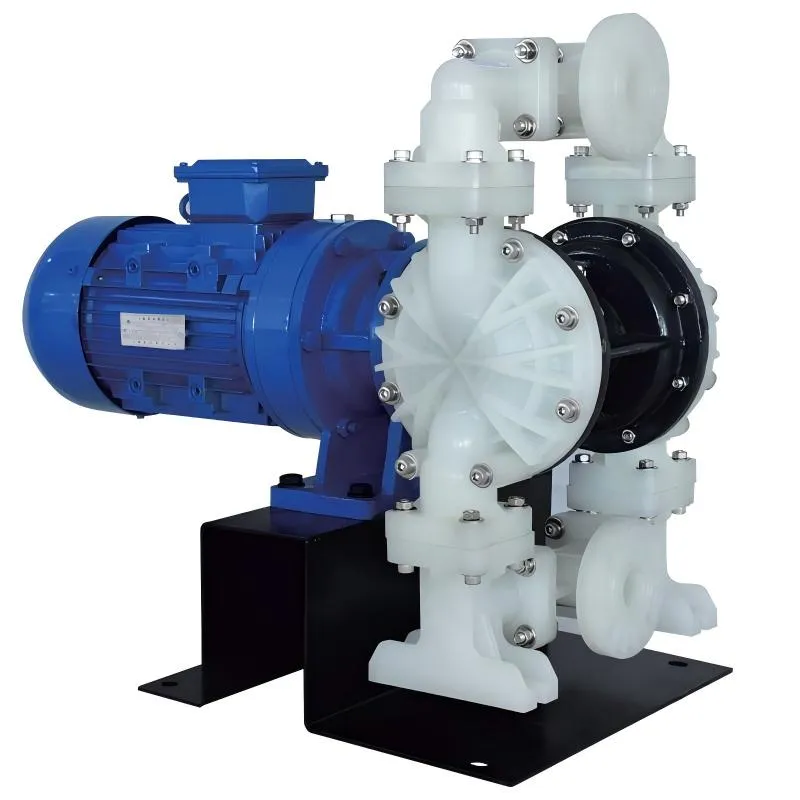

Vertical pumps are essential fluid transport devices widely used in industries such as water treatment, chemical processing, and construction. While vertical pumps are known for their efficiency and reliability, like any mechanical system, they may experience failures over time. Proper troubleshooting and routine maintenance are crucial for ensuring that the pump continues to operate at its optimal level. In this article, we will explore common issues, diagnostic methods, and effective maintenance tips to prolong the life of your vertical pump.

1. Common Failures and Causes of Vertical Pumps
(1) Pump Fails to Start or Starts with Difficulty
One of the most common pump failures is when the pump does not start or starts with difficulty. The potential causes for this problem include:
-
Power Supply Issues: Low voltage or unstable current can prevent the motor from starting properly.
-
Motor Failure: If the motor has electrical issues, such as short circuits or open windings, it will not start.
-
Starter Problems: If the starter is faulty, it will not provide the motor with the necessary startup current.
-
Coupling Looseness: A loose or damaged coupling between the pump and motor may prevent them from properly engaging.
(2) Insufficient Flow
If the pump is delivering lower-than-expected flow, the issue may stem from the following reasons:
-
Worn or Damaged Impeller: Over time, the impeller can wear down, reducing its effectiveness in pumping fluid.
-
Clogged Inlet: Debris, sediment, or other blockages at the inlet or in the pump housing can restrict the flow of liquid into the pump.
-
Pipeline Blockages: Accumulation of solids or buildup inside the connected pipelines may obstruct fluid flow.
-
Increased Fluid Viscosity: If the fluid being pumped has a high viscosity, such as oil or thick sludge, the pump may not be able to move it effectively, leading to decreased flow.
(3) Excessive Vibration and Noise
Excessive vibrations and noise during operation are clear signs of an underlying issue with the pump. Possible causes include:
-
Bearing Damage: Worn-out bearings may result in unbalanced operation, causing vibrations and noise.
-
Bent Shaft or Misalignment: If the pump shaft is bent or misaligned with the motor shaft, the pump may run off balance, leading to vibrations.
-
Damaged Pump Components: Internal components like the impeller or casing may be damaged, resulting in poor balance and increased vibrations.
(4) Leakage
Leaks can occur at various points in the pump assembly. Common causes of leaks include:
-
Damaged Seals: Seals wear out or crack over time, allowing liquid to escape from the pump housing.
-
Loose Connections: If the pump body or pipeline connections are not tightened properly, they may lead to leaks.
-
Excessive Pressure: When the pump is running at pressure levels higher than its design specifications, it can cause the pump casing or pipelines to crack or fail, leading to leaks.
2. Troubleshooting Methods
To diagnose and fix the issues mentioned above, consider the following steps:
| Fault Type | Diagnostic Method |
|---|---|
| Pump Fails to Start | Check the power supply for stability, inspect the motor and starter, and ensure the coupling is properly aligned. |
| Insufficient Flow | Inspect the impeller for wear, check the inlet for blockages, and clean or replace clogged pipes and filters. |
| Excessive Vibration and Noise | Check if the pump shaft is bent or misaligned, inspect bearings for wear, and ensure all components are properly balanced. |
| Leakage | Inspect the seals and connections for wear, tighten loose bolts, and ensure the pump operates within the specified pressure range. |
3. Daily Maintenance Tips for Vertical Pumps
Proper maintenance is key to extending the lifespan of vertical pumps and ensuring they operate at peak efficiency. Here are some useful maintenance tips:
(1) Regular Motor and Electrical System Inspection
The motor is a crucial component of the vertical pump, so it’s important to check its condition regularly. Ensure that the motor is running at stable voltage and current levels, and inspect the wiring and connections for any signs of wear or damage. Preventive maintenance of the motor and electrical components will avoid sudden failures and downtime.
(2) Clean and Inspect the Pump Casing
It’s essential to keep the pump casing and intake free of debris and buildup. Regularly clean the pump body and the suction inlet, especially when handling fluids with suspended solids, such as wastewater or slurry. Clean filters and strainers should be replaced or cleaned as needed to prevent blockages that could impair the pump’s performance.
(3) Lubricate and Replace Bearings
Bearings play a crucial role in ensuring smooth rotation of the pump shaft. Regularly check the bearings for signs of wear or damage and lubricate them according to the manufacturer’s recommendations. If any bearings are damaged, replace them immediately to prevent further damage to the pump components.
(4) Check and Maintain Seals
Seals prevent leakage of the pumped fluid. Over time, seals can degrade or get damaged. Regularly inspect the seals for signs of wear or cracking, and replace them as necessary. Also, check the connections between the pump housing and other components to ensure they are tightly sealed to prevent leaks.
(5) Monitor Pump Operating Parameters
Regularly monitor the operating parameters of the pump, such as pressure, flow rate, and temperature. Keep track of these parameters to ensure they remain within the manufacturer’s recommended ranges. If any of the parameters deviate significantly from normal operating conditions, this could be a sign of a potential problem.
Conclusion
Regular troubleshooting and maintenance are essential for ensuring that vertical pumps continue to operate smoothly and efficiently over time. By proactively addressing common issues, such as pump failure, low flow, excessive vibrations, and leakage, you can prevent downtime and costly repairs. Additionally, following a consistent maintenance routine—such as inspecting electrical systems, cleaning the pump casing, lubricating bearings, and checking seals—will extend the life of the pump, improve its performance, and reduce the likelihood of unexpected failures. By keeping your vertical pump in top condition, you ensure uninterrupted fluid transport and enhanced operational efficiency.