
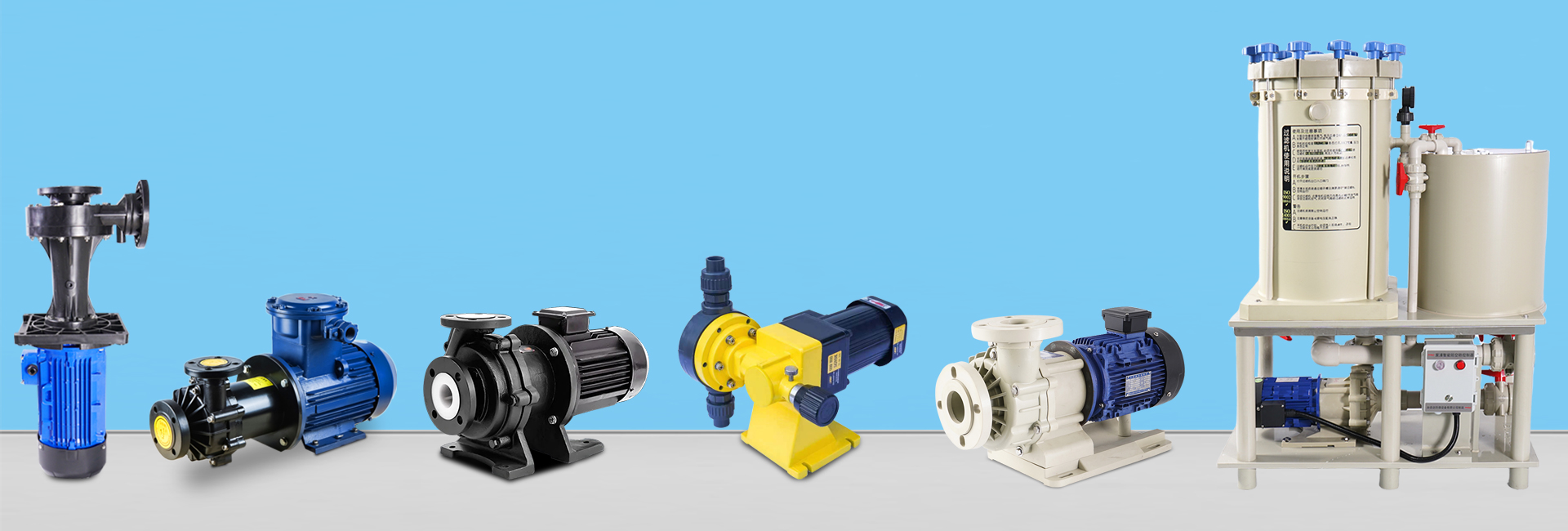
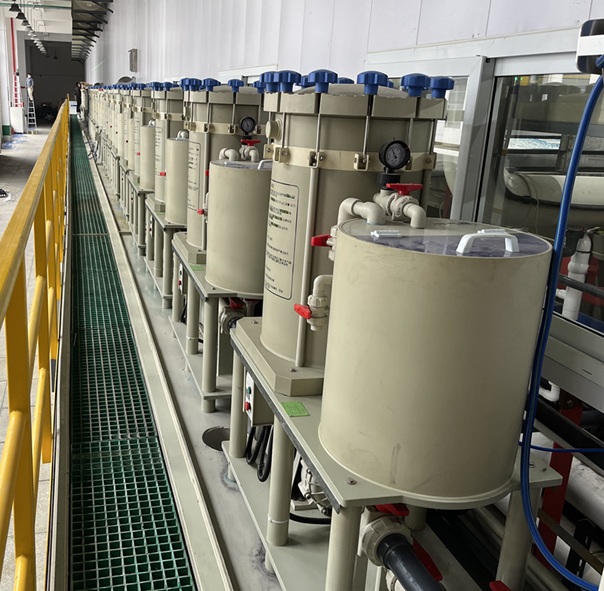
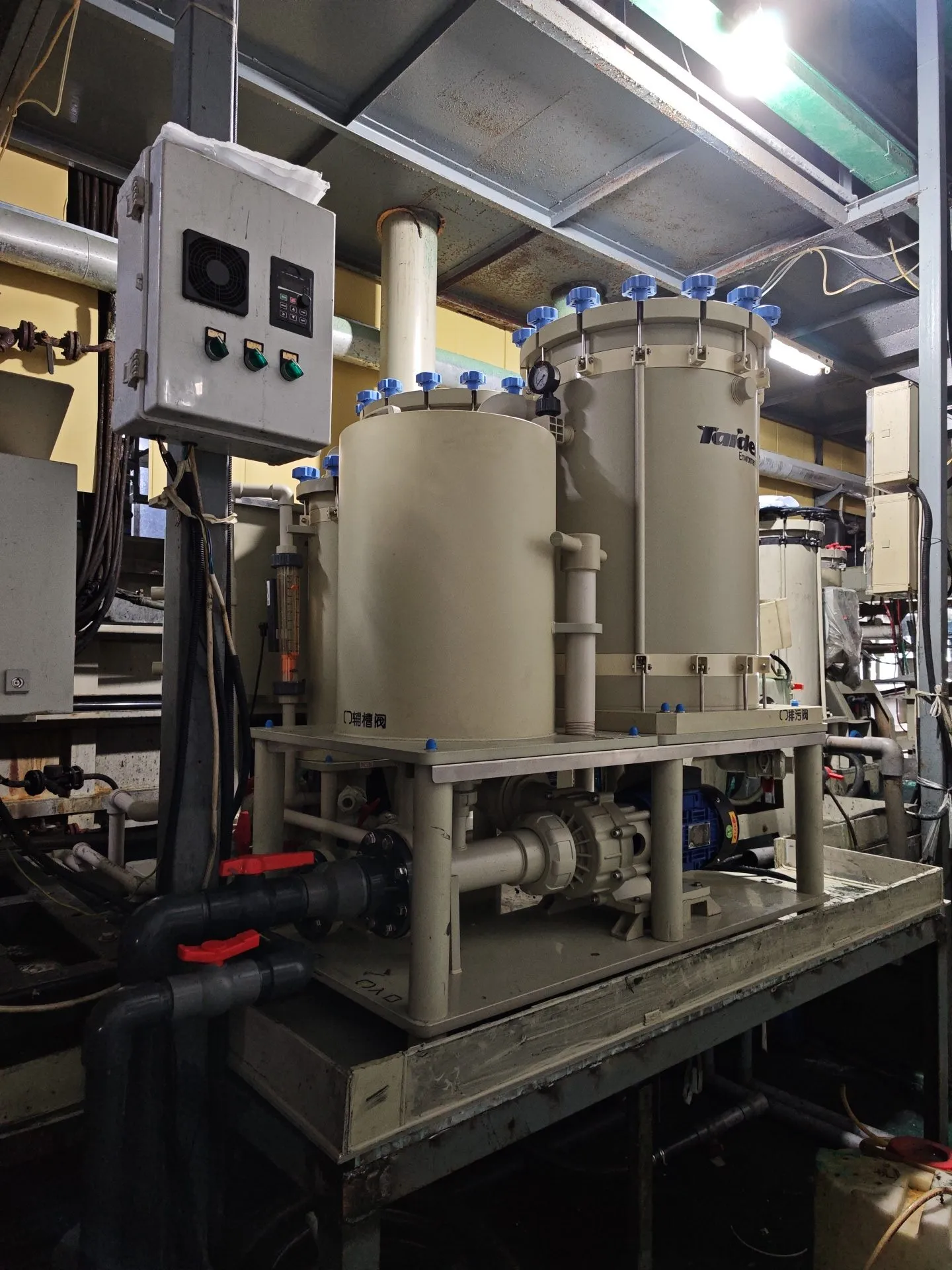
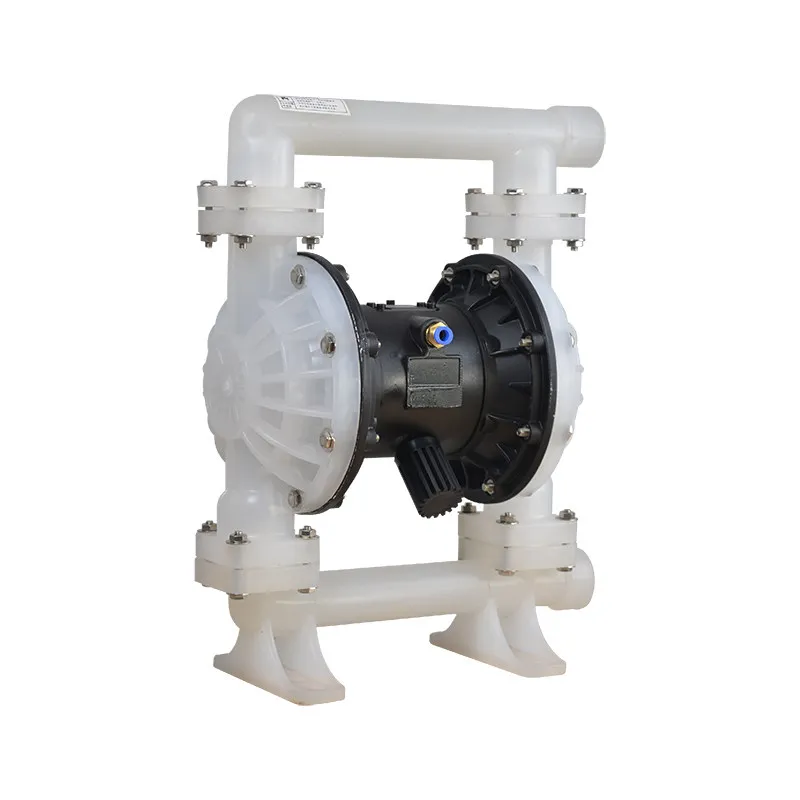

When starting a centrifugal pump, it is important to keep the discharge valve closed. This simple step helps protect the pump, motor, and piping system, ensuring a safe and smooth start-up. Below are the key reasons explained in detail.
? 1. Reduces Starting Load
If the discharge valve is open during startup, the pump must immediately overcome the full system resistance to deliver liquid. This causes:
-
A high starting current for the motor;
-
Heavy torque load that may lead to overheating or motor damage.
✅ By keeping the discharge valve closed, the pump operates under minimal flow and reduced load, allowing the motor to start easily and safely.
? 2. Prevents Water Hammer
When the discharge valve is open, the sudden flow of liquid can cause a pressure surge, known as water hammer, leading to:
-
Vibration in the pipeline;
-
Pressure shocks that may damage valves, pipes, or the pump itself.
✅ Starting with the discharge valve closed allows the liquid to accelerate gradually. Once the pump runs smoothly, the valve can be slowly opened to avoid water hammer.
⚙️ 3. Protects Mechanical Seal and Bearings
At startup, the internal flow in the pump is unstable. If the discharge valve opens too quickly:
-
Pressure inside the pump fluctuates sharply;
-
The mechanical seal may experience sudden impact;
-
Bearings can suffer uneven loading.
✅ Keeping the discharge valve closed helps stabilize internal pressure, protecting the mechanical seal and bearings from damage.
? 4. Standard Operating Procedure
According to industrial operation standards, the typical startup sequence for a centrifugal pump is:
-
Fill the pump casing completely with liquid (to prevent dry running);
-
Keep the discharge valve closed;
-
Start the motor;
-
Once the pump runs smoothly, gradually open the discharge valve to reach normal flow.
✅ Summary
| Reason | Purpose |
|---|---|
| Reduce starting load | Protect the motor |
| Prevent water hammer | Protect piping and equipment |
| Stabilize internal pressure | Protect seals and bearings |
| Follow operation standards | Ensure safety and reliability |