
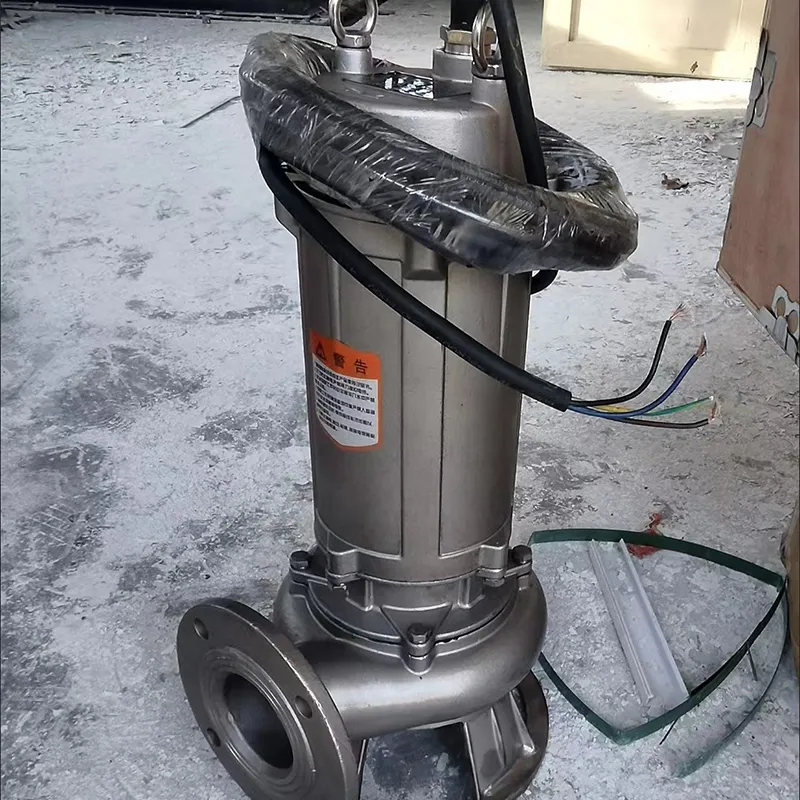
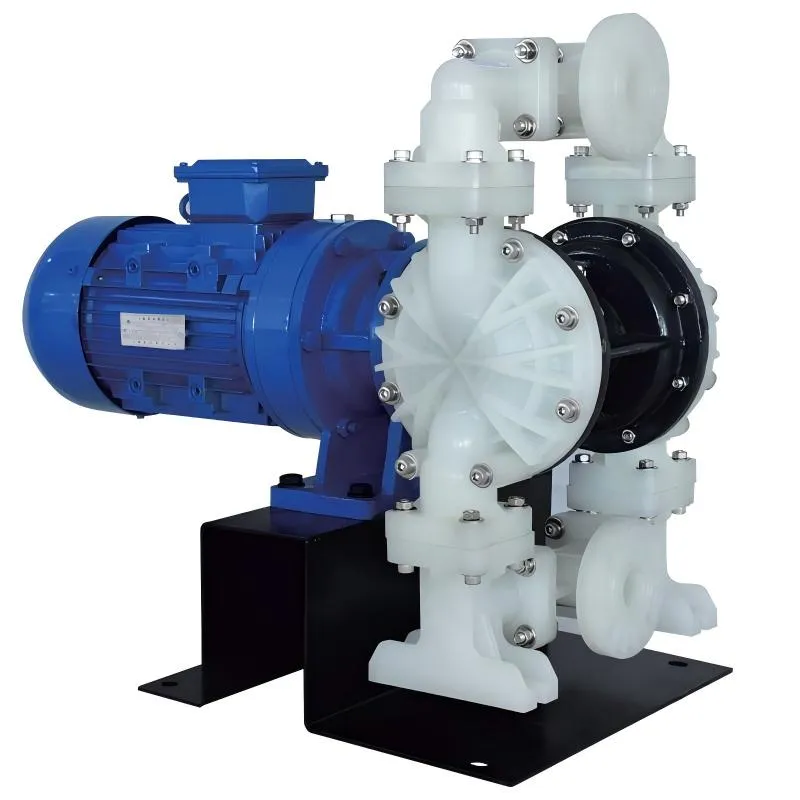

Chemical pump frequent tripping is a common issue in industrial production, often leading to production disruptions and potential safety risks. This guide dives into the core causes—electrical system failures, mechanical load abnormalities, medium property impacts, and improper operation/maintenance—with a focus on the unique challenges of chemical processing (e.g., corrosive/viscous media, high-temperature/pressure conditions, explosion-proof requirements). It also provides actionable troubleshooting steps optimized for Google SEO, helping engineers and plant managers resolve issues efficiently.
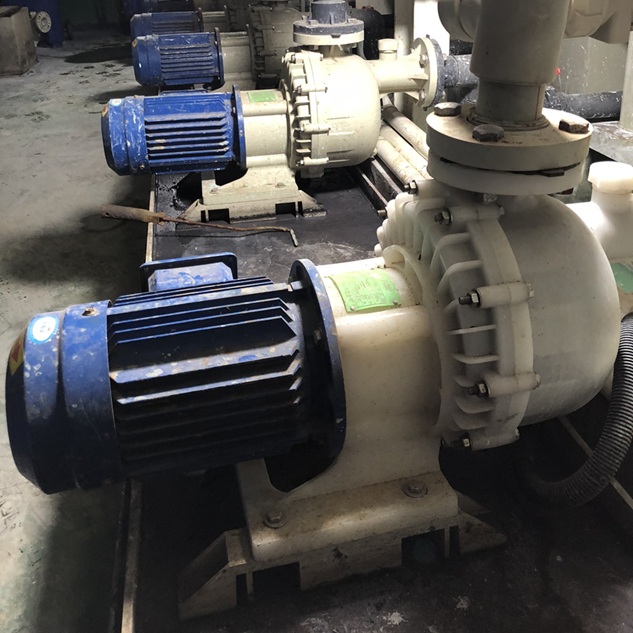
1. Electrical System Failures (Direct Triggers for Tripping)
Electrical protection devices (circuit breakers, thermal relays, inverters) trip to prevent equipment damage or accidents when detecting abnormalities. This is the most straightforward category to troubleshoot.
1.1 Motor Overload (Excessive Current)
- Principle: The motor’s operating current exceeds its rated value, activating the overload protection of thermal relays or inverters.
- Chemical Industry Specificity: Chemical media are often high-viscosity or contain particles, increasing pump load. Long-term operation beyond the pump’s rated flow also causes overload.
- Troubleshooting Tips:
- Use a clamp meter to measure operating current and compare it with the motor’s rated current.
- Check if the medium’s viscosity or solid content exceeds the pump’s design limits.
- Verify if the actual pump flow exceeds the rated value (e.g., excessive opening of the outlet valve).
1.2 Short Circuit/Leakage Faults
- Principle: Insulation damage in the motor windings (phase-to-phase or phase-to-ground short circuits) or water/corrosion in the junction box leads to leakage.
- Chemical Industry Specificity: Explosion-proof motors are widely used in chemical plants. If seals (junction box, motor end cover) fail, corrosive media or steam can penetrate the motor, damaging insulation.
- Troubleshooting Tips:
- Use a megohmmeter to test the motor winding insulation resistance (phase-to-phase and phase-to-ground). A value below 1MΩ indicates insulation damage.
- Inspect the junction box for corrosion, water traces, and damaged cable insulation.
- Check the integrity of explosion-proof seals (mandatory for hazardous chemical environments).
1.3 Power Supply Abnormalities
- Principle: Voltage fluctuations (±10% or more) or unbalanced three-phase voltage (difference >5%) cause abnormal motor current.
- Chemical Industry Specificity: Large power equipment in chemical workshops often causes voltage sags during startup. Undersized cables or long cable runs also lead to significant voltage drop.
- Troubleshooting Tips:
- Measure three-phase voltage with a multimeter under no-load and load conditions.
- Ensure the cable size matches the motor’s rated current and check for loose or overheated terminals.
- Install a voltage stabilizer or optimize the power grid if fluctuations are frequent.
1.4 Improper Protection Device Settings
- Principle: Thermal relay current setting is too low, or inverter overload thresholds/acceleration time are improperly configured.
- Chemical Industry Specificity: Parameter updates are often overlooked after motor replacement or process adjustments.
- Troubleshooting Tips:
- Set the thermal relay current to 1.1–1.3 times the motor’s rated current.
- Extend the inverter acceleration time for high-viscosity media to match the pump’s startup characteristics.
- Ensure the protection device model is compatible with the motor power (e.g., circuit breaker rated current should be 1.2–1.5 times the motor’s rated current).
2. Mechanical Load Abnormalities (Indirect Tripping Due to Pump Faults)
Malfunctions in mechanical components (impeller, bearings, shaft seal) increase motor resistance, leading to excessive current and tripping. These are often hidden causes in chemical applications.
2.1 Impeller Jammed/Clogged
- Principle: The impeller is stuck by particles, crystals, or flocculents in the medium, or fouled, causing excessive startup load or sudden load spikes.
- Chemical Industry Specificity: Chemical media (e.g., salt solutions, organic solvents) are prone to crystallization, and catalysts/residues can easily clog flow channels.
- Troubleshooting Tips:
- Shut down the pump, remove the pump cover, and clear clogs or fouling from the impeller and flow channels.
- Ensure the heat tracing system works properly for crystallization-prone media.
2.2 Impeller Imbalance/Damage
- Principle: Corrosion, wear, or loose impeller nuts cause rotational imbalance, increasing motor load.
- Chemical Industry Specificity: Acidic/alkaline media corrode non-metallic impellers (e.g., plastic, ceramic), while particle-containing media accelerate wear.
- Troubleshooting Tips:
- Inspect the impeller for corrosion, wear, or loose nuts. Replace damaged impellers and perform dynamic balance tests.
2.3 Bearing Failures
- Principle: Lack of lubrication, wear, or seizure (common in high-temperature environments due to grease degradation) increases rotor resistance.
- Chemical Industry Specificity: Chemical pumps often operate in extreme temperatures (high-temperature steam-heated media or low-temperature refrigerants), worsening lubrication conditions.
- Troubleshooting Tips:
- Use a stethoscope to detect abnormal bearing noise and check for overheating (temperature >80℃).
- Replace worn bearings or inappropriate grease (use high-temperature grease for high-heat applications).
2.4 Shaft Seal Failures
- Principle: Over-tightening or wear of mechanical seals/packing seals increases shaft rotation resistance.
- Chemical Industry Specificity: Corrosive media damage seals, and excessive compression during installation raises resistance.
- Troubleshooting Tips:
- Check for leakage or overheating at the seal. Adjust packing seal tightness (30–60 drops/minute leakage is optimal) or replace damaged mechanical seals.
2.5 Pump Shaft Bent/Misalignment
- Principle: Bent shafts (due to installation errors or medium impact) or misaligned couplings increase operational resistance.
- Chemical Industry Specificity: Improper alignment during installation or uneven stress from high-pressure media leads to misalignment.
- Troubleshooting Tips:
- Check for coupling wobble or noise. Measure alignment with a dial indicator (radial ≤0.1mm, axial ≤0.05mm).
- Straighten or replace bent shafts and re-align the motor-pump coupling.
3. Medium Property Impacts (Unique Causes for Chemical Pumps)
The unique properties of chemical media (corrosiveness, viscosity, solid content, volatility) directly affect pump load, distinguishing chemical pumps from standard water pumps.
3.1 Excessive Medium Viscosity
- Principle: Viscosity higher than the pump’s design limit drastically increases internal friction and motor load.
- Typical Scenarios: Transferring resins, slurries, or viscous solvents (e.g., glycerin, thermal oil) without specialized high-viscosity pumps.
- Troubleshooting Tips:
- Compare the actual medium viscosity with the pump’s design specification (standard centrifugal pumps suit viscosities <20cSt).
- Replace with a high-viscosity pump (e.g., screw pump, gear pump) or reduce viscosity via heating/insulation.
3.2 High Solid Content in Medium
- Principle: Solid particles accelerate impeller wear, cause jamming, and increase flow resistance.
- Typical Scenarios: Transferring reactor residues, slurries, or catalyst-containing media.
- Troubleshooting Tips:
- Ensure the solid content does not exceed the pump’s limit (≤5% for standard centrifugal pumps; specialized wear-resistant pumps handle higher levels).
- Install a pre-filter (matching particle size) and clean it regularly.
3.3 Medium Crystallization/Solidification
- Principle: Crystallization or solidification of media (e.g., salt solutions, liquid ammonia, paraffin) clogs flow channels and jams the impeller.
- Troubleshooting Tips:
- Verify the functionality of heat tracing systems (steam or electric) to maintain medium temperature.
- Clean crystals with compatible solvents (e.g., hydrochloric acid for salt crystals) without damaging the impeller.
3.4 Medium Vaporization/Cavitation
- Principle: Vaporization of high-temperature or low-boiling-point media (e.g., methanol, acetone) creates bubbles, causing impeller damage and unstable motor current.
- Troubleshooting Tips:
- Ensure the pump’s inlet pressure meets the Net Positive Suction Head (NPSH) requirement to avoid cavitation.
- Reduce medium temperature or increase inlet pressure (e.g., raise storage tank 液位) to minimize vaporization.
4. Improper Operation & Maintenance (Human-Related Causes)
Non-compliant operations and inadequate maintenance accelerate equipment wear, leading to frequent tripping.
4.1 Incorrect Startup Procedures
- Principle: Starting centrifugal pumps without priming/venting or with fully open outlet valves causes excessive startup current.
- Chemical Industry Notes: Improper startup of pumps handling flammable/explosive media poses safety hazards.
- Corrective Actions:
- Prime and vent centrifugal pumps thoroughly before startup to avoid dry running.
- Adopt “closed-valve startup” (start with the outlet valve closed, then open gradually) to reduce load.
4.2 Long-Term Overload Operation
- Principle: Operating the pump beyond its rated flow/head causes continuous motor overload.
- Chemical Industry Notes: Process adjustments often ignore corresponding pump parameter updates.
- Corrective Actions:
- Match process requirements with the pump’s rated parameters. Replace with a larger pump or add parallel pumps for high-flow demands.
- Regulate flow via the outlet valve or inverter to avoid exceeding rated limits.
4.3 Inadequate Maintenance
- Principle: Neglecting filter cleaning, lubrication checks, or worn part replacement leads to accumulated faults.
- Chemical Industry Notes: Corrosive media accelerate component wear, requiring shorter maintenance intervals.
- Corrective Actions:
- Implement a maintenance schedule: clean inlet filters weekly, inspect bearing grease monthly, and check impellers/seals quarterly.
- Maintain a medium property log and select compatible materials (e.g., 316L stainless steel, Hastelloy, fluoroplastics) for corrosive media.
4.4 Poor Installation Foundation
- Principle: Unstable foundations or excessive vibration cause coupling misalignment and increased resistance.
- Chemical Industry Notes: Dense equipment in chemical workshops amplifies vibration transmission.
- Corrective Actions:
- Tighten foundation bolts and install shock absorbers.
- Re-align the motor-pump coupling (radial and axial) to meet precision standards.
5. Troubleshooting Priority (Efficient Issue Localization)
- First Check Electrical Systems: Measure operating current and three-phase voltage to rule out power supply, overload, or short-circuit issues.
- Next Inspect Mechanical Components: Manually rotate the pump shaft (difficulty indicates impeller jamming or bearing failure) and check the impeller, seal, and coupling.
- Then Verify Medium Properties: Confirm viscosity, solid content, temperature, and crystallization status against the pump’s design parameters.
- Finally Review Operations: Assess startup procedures, process adjustments, and maintenance records for potential human errors.
Conclusion
Frequent tripping of chemical pumps primarily stems from abnormal load or electrical protection activation, with medium-induced mechanical load increases (e.g., crystallization, excessive viscosity, solid particles) being the most common industry-specific causes. Troubleshooting should prioritize urgent electrical/mechanical faults (e.g., short circuits, impeller jamming) while considering medium properties and process conditions. Optimize operations and maintenance practices, and replace with application-specific pumps (e.g., screw pumps for high viscosity, wear-resistant centrifugal pumps for particle-containing media, fluoroplastic pumps for corrosive media) to resolve tripping at the source.