
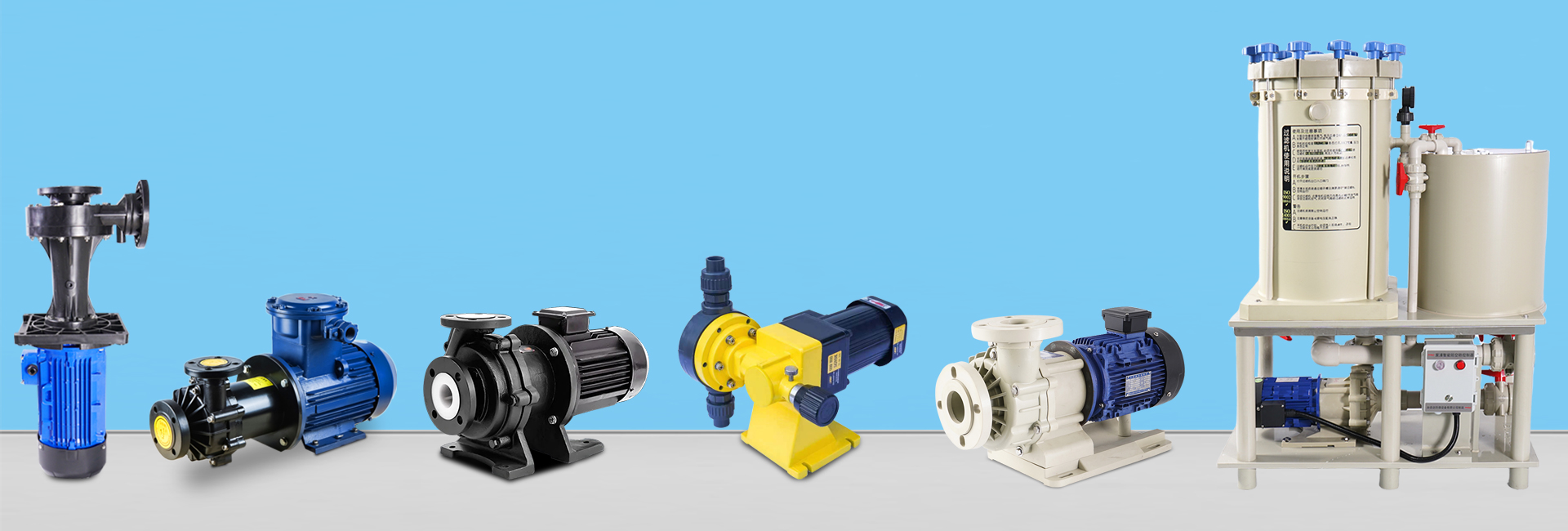
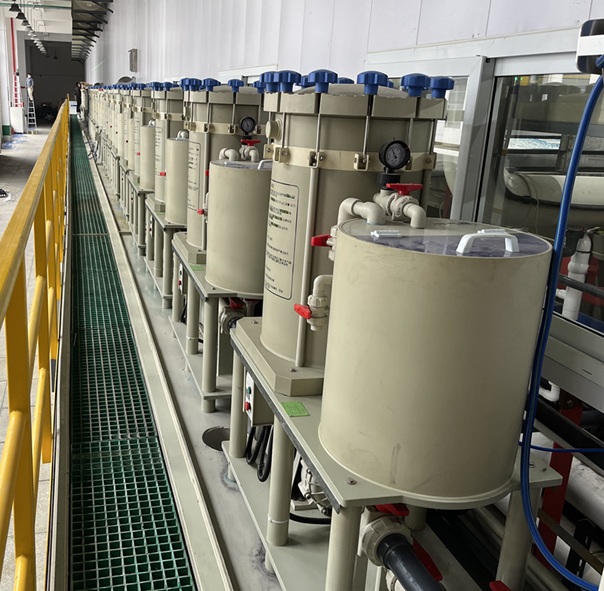
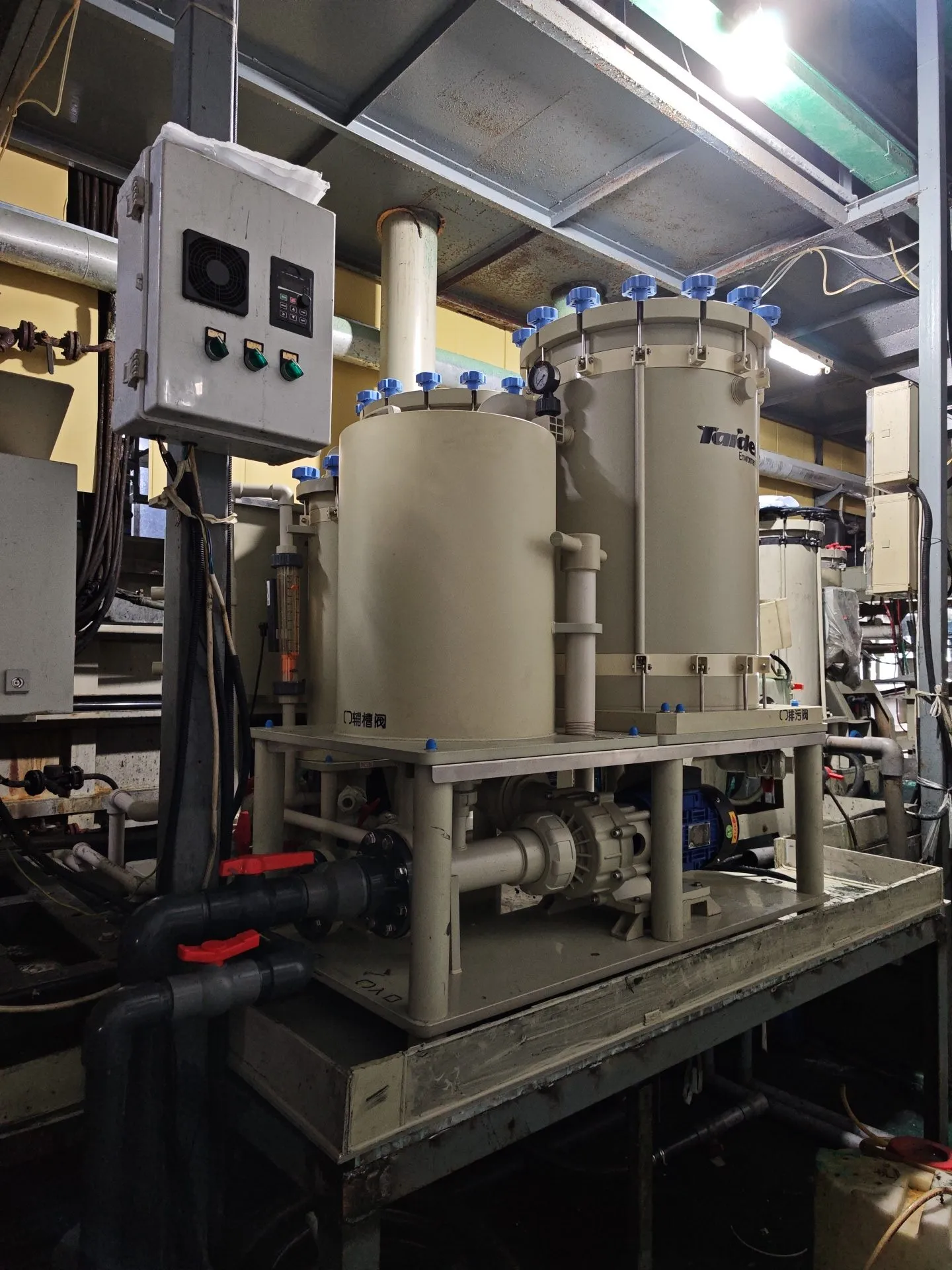
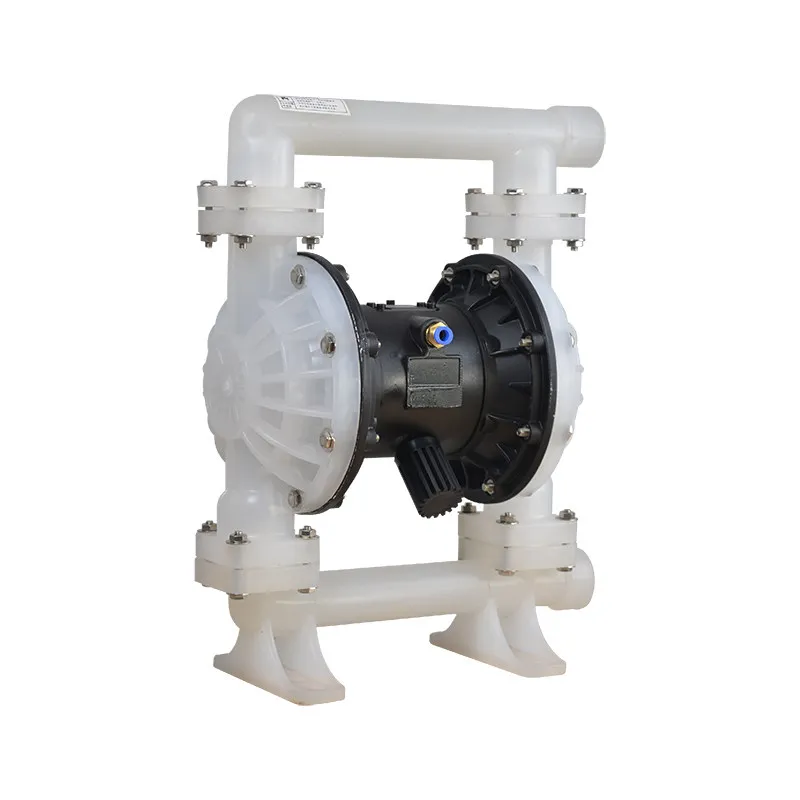
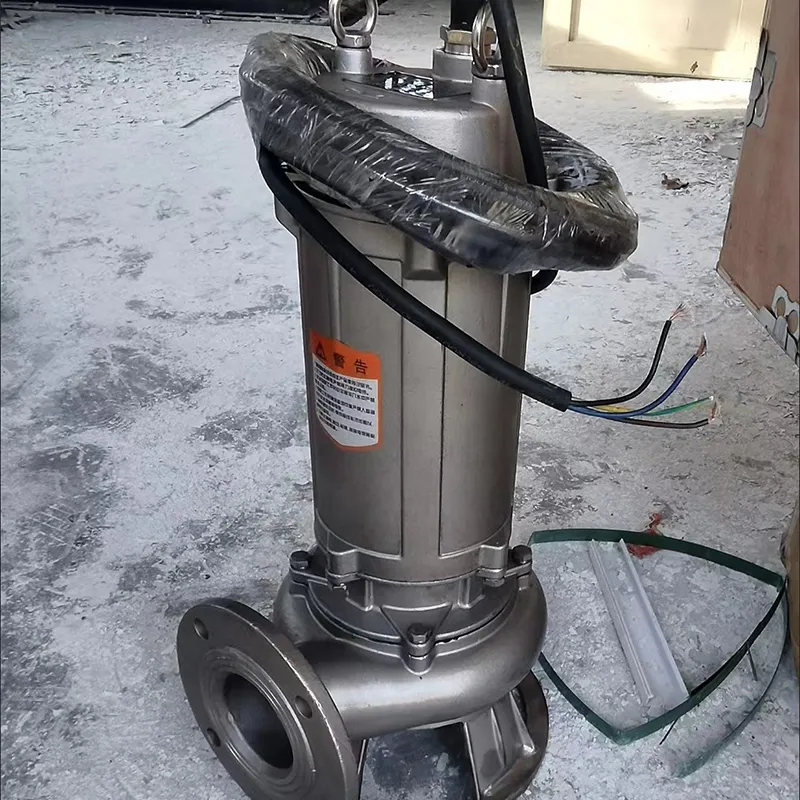
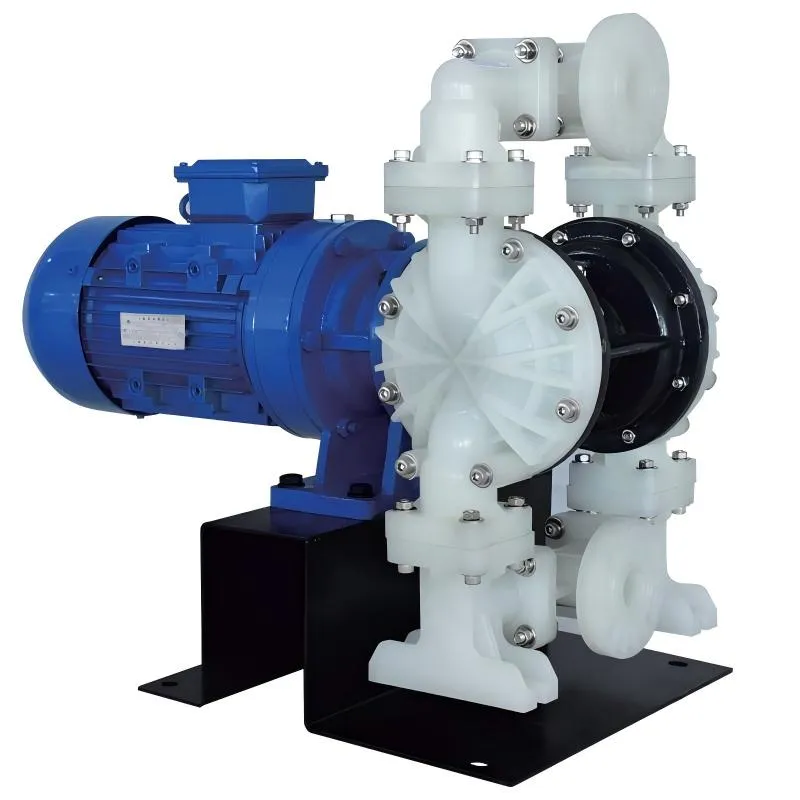

Magnetic drive pumps are specialized sealed pumps that transfer power through magnetic coupling instead of mechanical shafts. Unlike conventional pumps, the impeller is driven by an internal magnet connected to an external motor magnet, separated by a containment shell. This design ensures leak-free operation, making magnetic drive pumps ideal for handling corrosive, toxic, or volatile liquids.
Key Advantages
| Feature | Benefit |
|---|---|
| Leak-Free | No mechanical seal, preventing fluid leakage and ensuring safety |
| Low Maintenance | Minimal wear components, reducing operational costs |
| Smooth & Quiet | Low vibration and noise for stable operation |
| Chemical Resistance | Materials such as stainless steel or PTFE handle harsh chemicals |
| Overload Protection | Magnetic coupling slips under overload to prevent damage |
Magnetic drive pumps are widely used in chemical processing, pharmaceuticals, environmental industries, and high-purity liquid applications. They are also suitable for crystalline liquids, preventing seal clogging and operational interruptions.
Limitations
-
Solid Particles: Not suitable for liquids with suspended solids; can damage components.
-
Efficiency: Slightly lower than traditional centrifugal pumps due to magnetic coupling loss.
-
Temperature Sensitivity: High temperatures may reduce magnetic strength.
-
Dry Running Risk: Requires proper liquid levels to prevent bearing damage.
-
High Initial Cost: More expensive than traditional pumps but cost-effective over time.
Selection & Maintenance Tips
-
Evaluate liquid properties, temperature, viscosity, and system conditions.
-
Choose suitable materials for the pump body and magnetic coupling.
-
Install a recirculation system for bearing lubrication and cooling.
-
Ensure precise alignment of motor and pump to avoid magnetic interference.
-
Regularly inspect containment shell and bearings.
Conclusion:
Magnetic drive pumps offer high safety, reliability, and low maintenance, making them ideal for demanding industrial applications. Correct selection, installation, and maintenance are key to maximizing pump performance and longevity.