
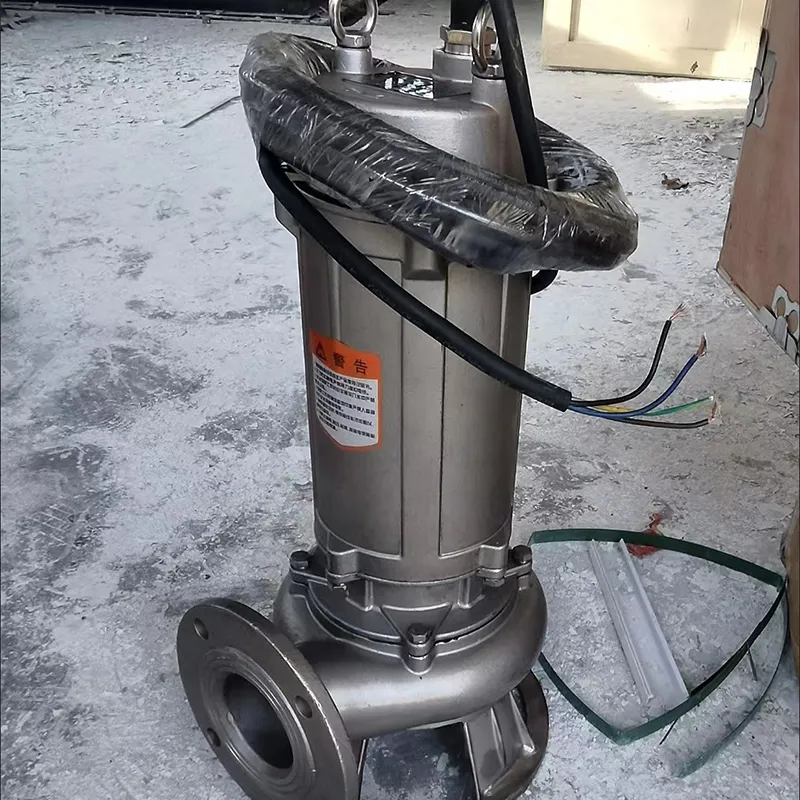
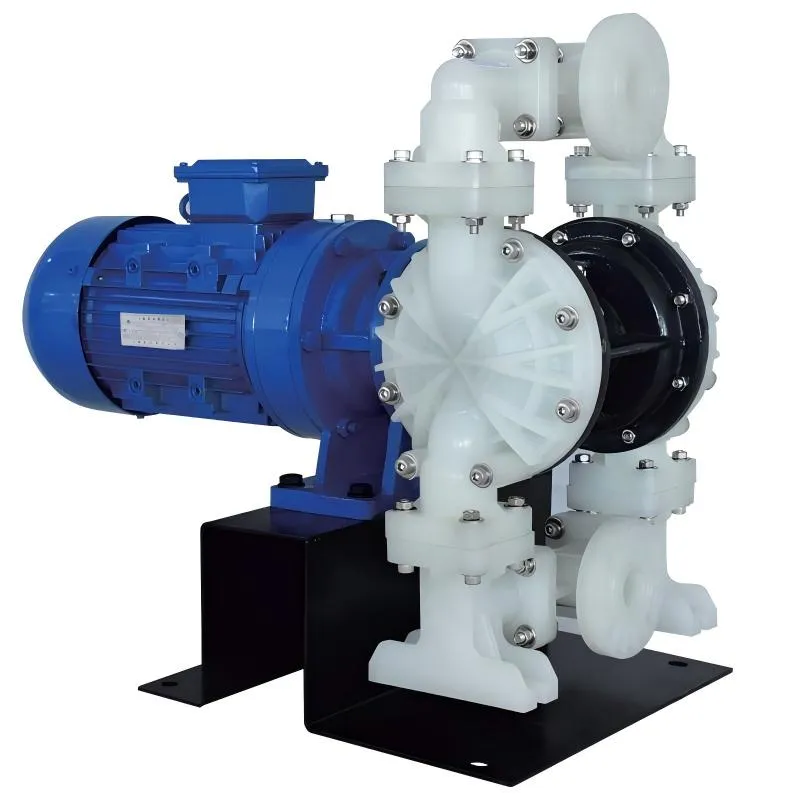

Choosing the right acid-alkali resistant pump directly affects production safety, equipment longevity, and overall operating cost. Because corrosive liquids vary widely in temperature, concentration, viscosity, and chemical composition, selecting the correct pump requires a clear understanding of the specific application conditions.

Three Key Selection Criteria
1. Fluid Characteristics
Key factors to determine include:
-
Acidity/alkalinity
-
Temperature
-
Viscosity and density
-
Presence of solids
-
Volatility or toxicity
These details determine the suitable material and pump structure.
2. Required Flow Rate and Head
-
Recommended flow should have a 10% safety margin.
-
Head must consider pipe resistance, elbows, filters, and height difference.
-
High-density liquids require pumps with stronger power.
3. Pump Type and Material
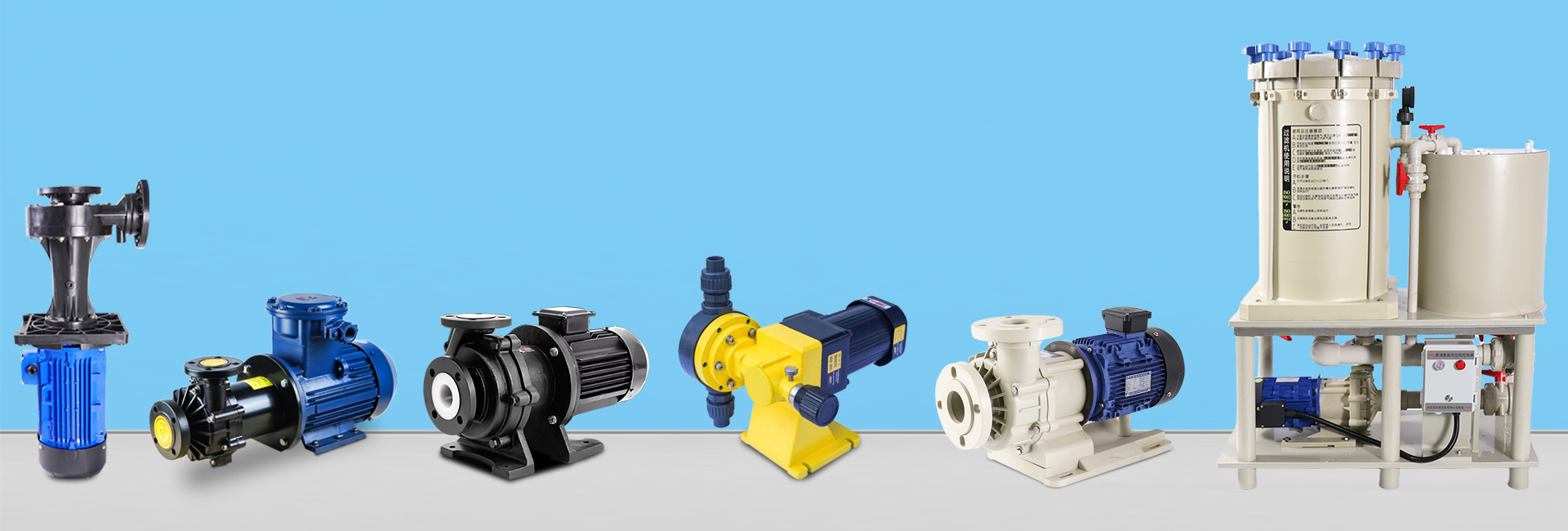
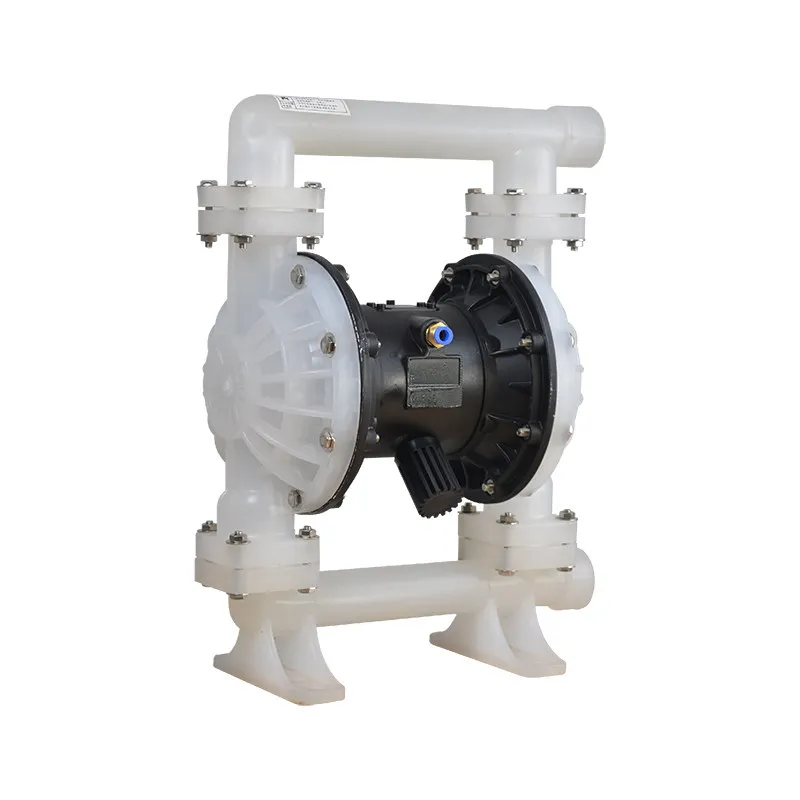
Common pump types and their characteristics:
| Pump Type | Features | Suitable Applications |
|---|---|---|
| Magnetic Pump | Zero leakage, low maintenance | Strong corrosive chemicals, electroplating |
| Self-Priming Pump | Quick priming, frequent start | Acid-alkali transfer, wastewater |
| Vertical Pump | Installed inside tanks | Electroplating cycles, chemical circulation |
| Mechanical Seal Pump | Stable, economical | Medium corrosion fluids |
Industry-Specific Recommendations
| Industry | Best Materials | Recommended Pump Type |
|---|---|---|
| Chemicals | PVDF / PTFE | Magnetic / Self-priming |
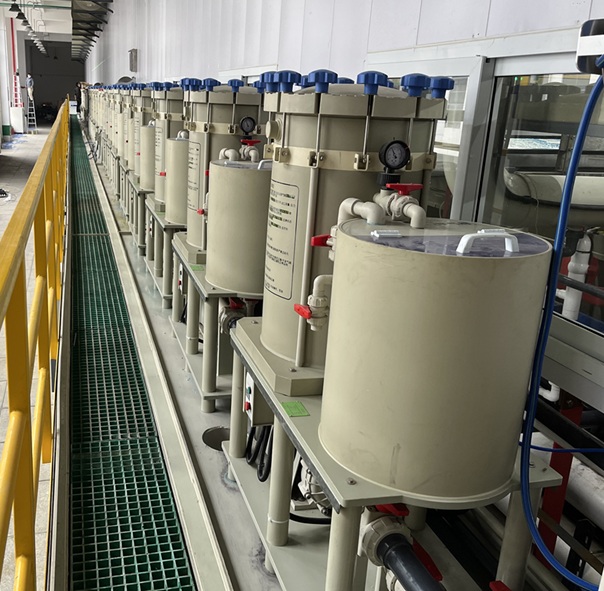
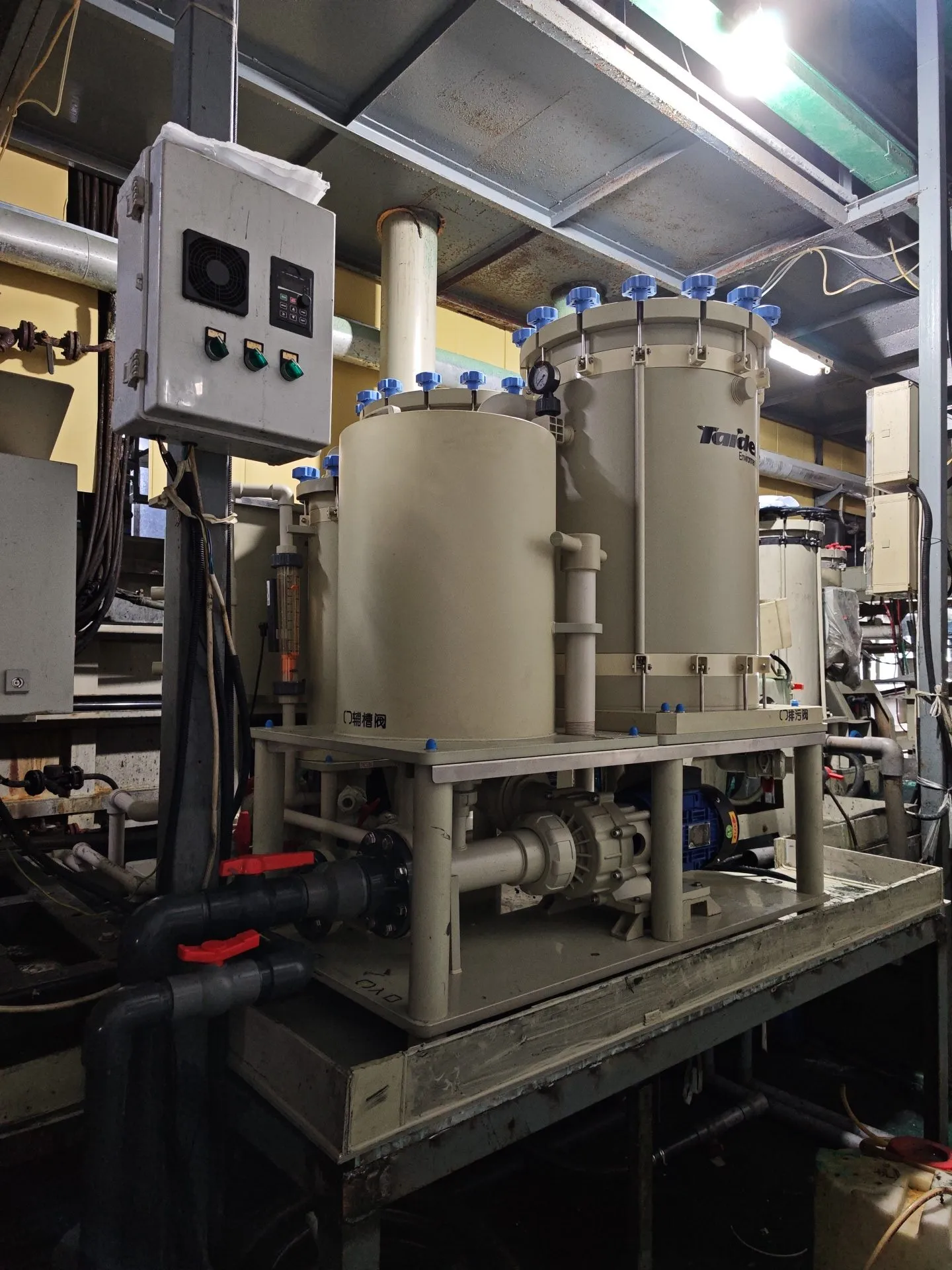
| Electroplating | PP / PVDF | Vertical / Magnetic |
| Pharmaceuticals & Food | 316L SS | Sanitary pumps |
| Wastewater | PP | Self-priming / Vertical |
Common Selection Mistakes
-
Mistake 1: Choosing by price instead of material.
Wrong material selection leads to early corrosion damage. -
Mistake 2: Ignoring temperature.
Corrosion rate increases exponentially as temperature rises. -
Mistake 3: Overlooking sealing structure.
Magnetic pumps are preferred for strong corrosive liquids.
Proper pump selection can extend service life by 2–4 years and reduce maintenance costs significantly.