
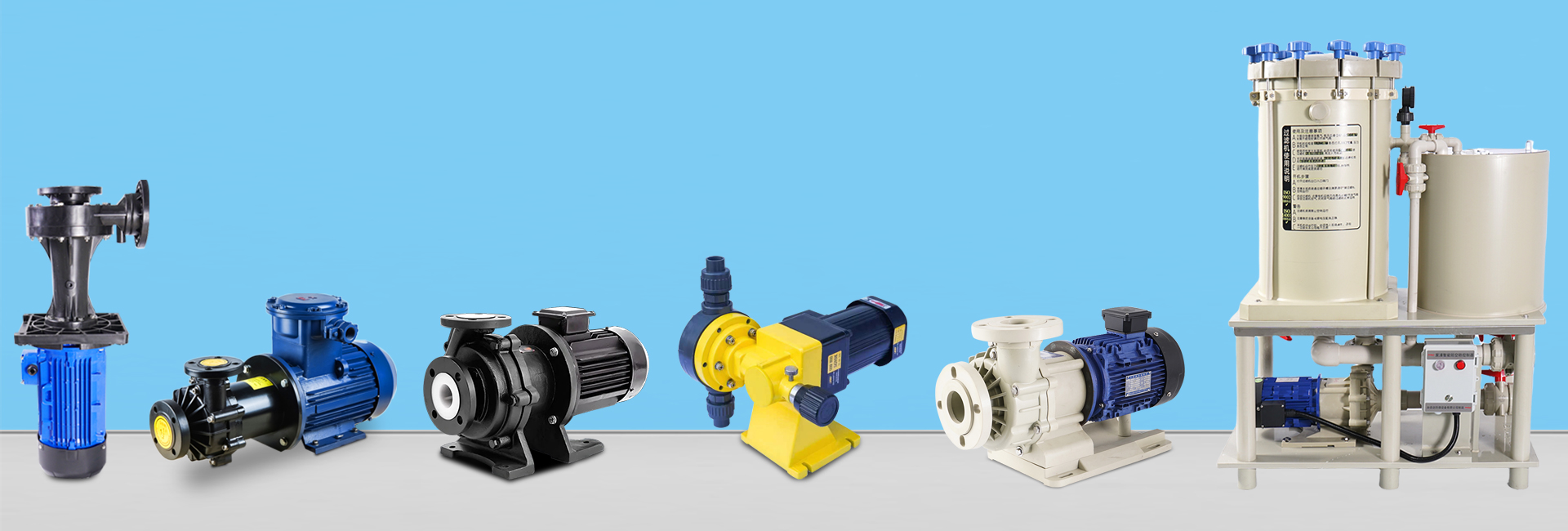
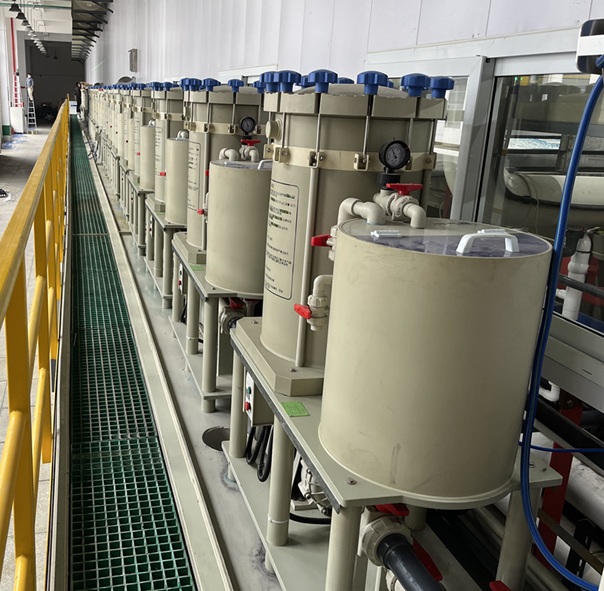
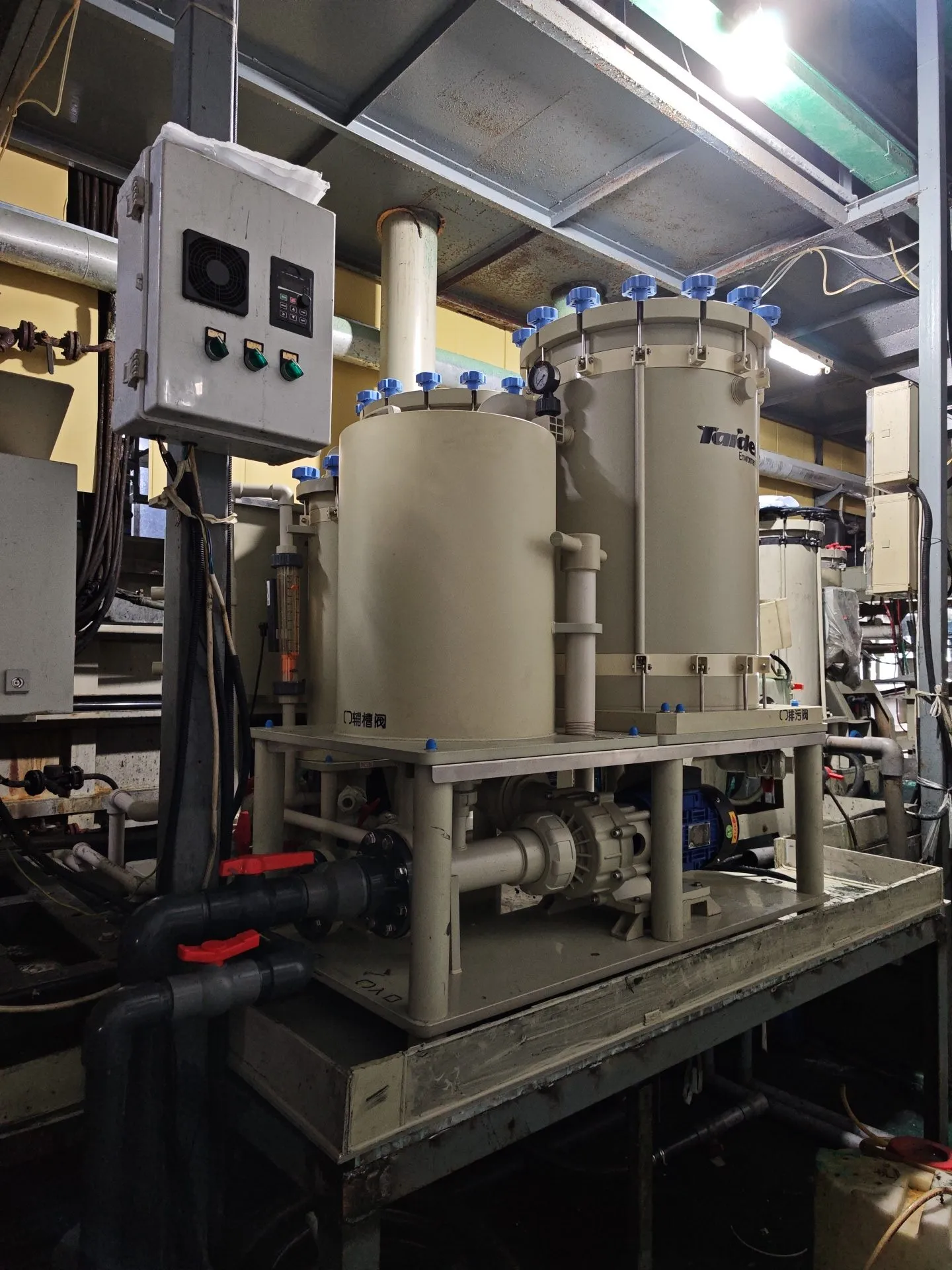
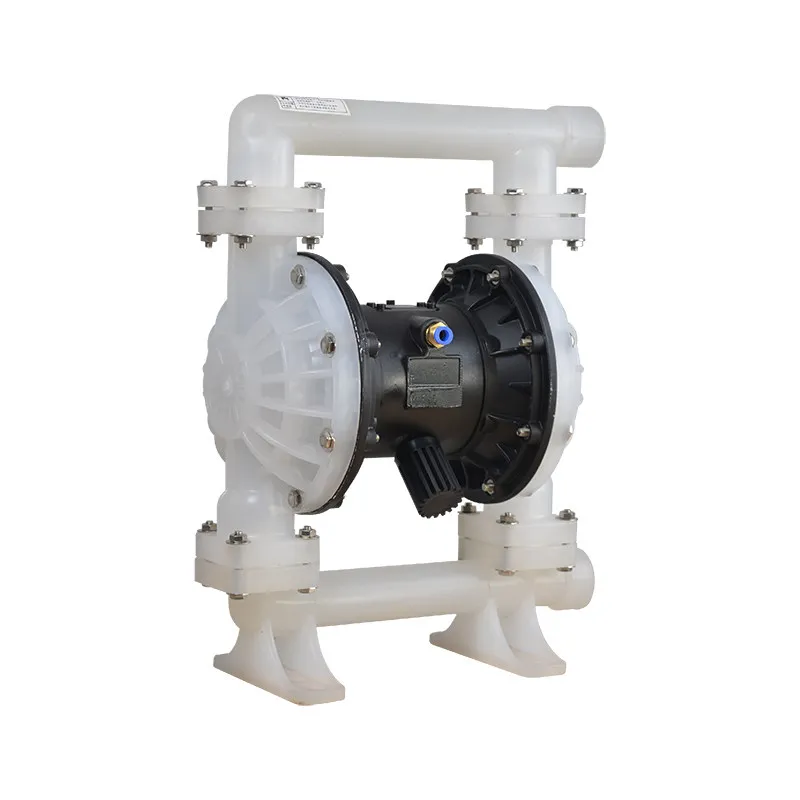
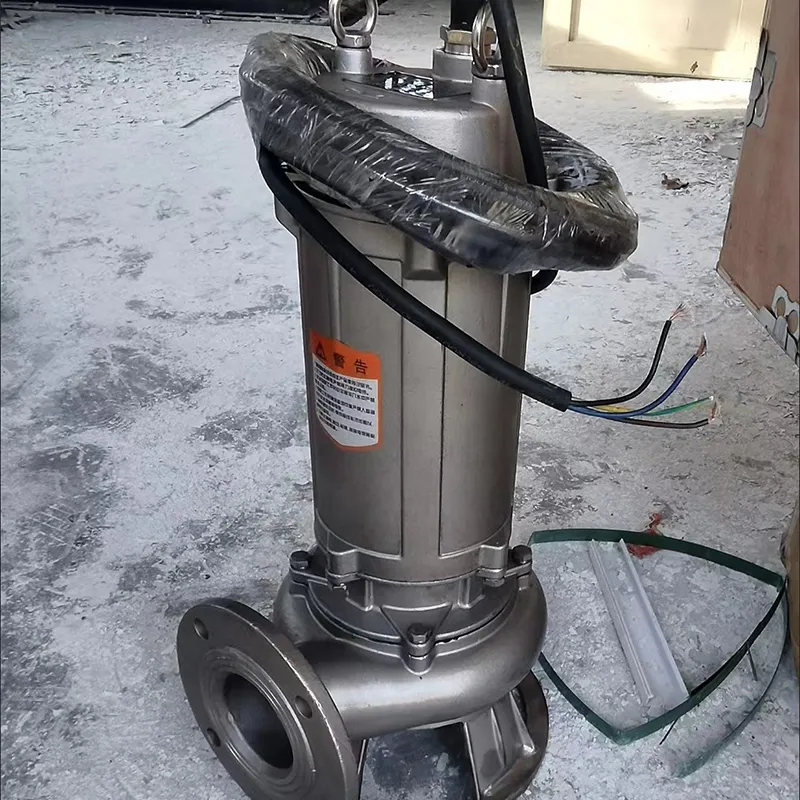
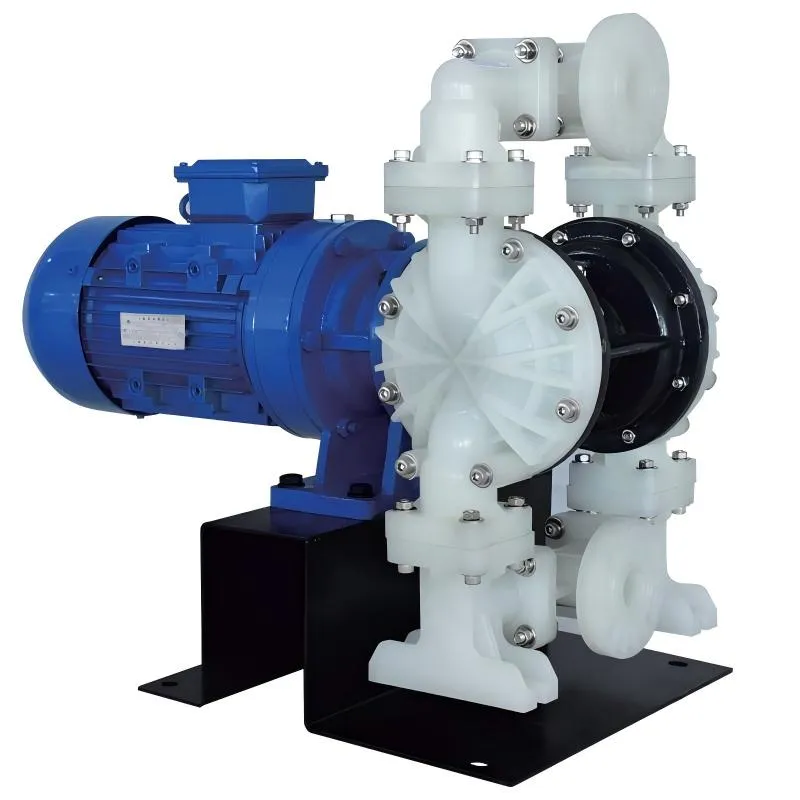

Traditional centrifugal pumps rely on mechanical seals to keep liquid inside the casing. However, with hydrochloric acid, mechanical seals are the “weakest link.” They wear out, overheat, and eventually leak—causing dangerous acid spills.
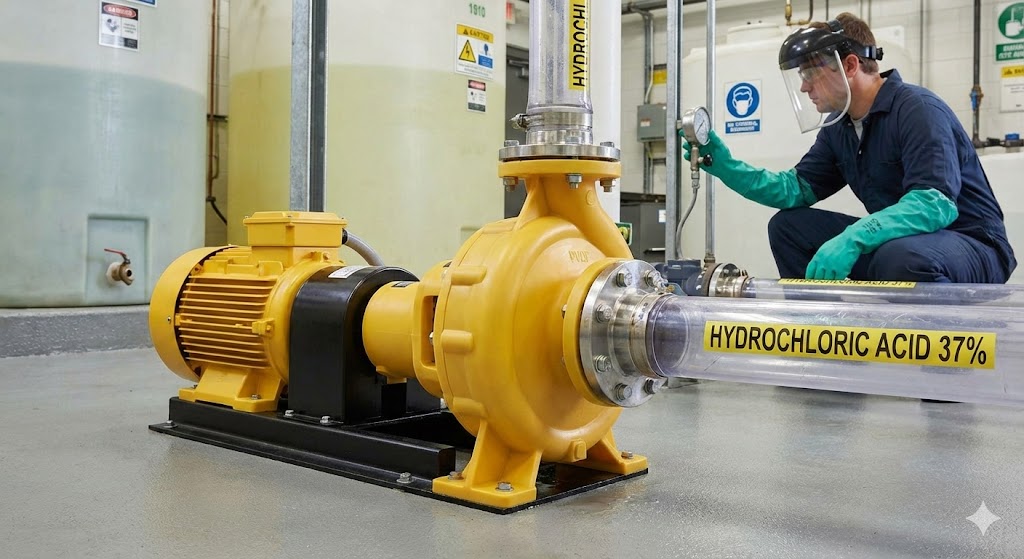
A magnetic drive pump solves this problem by design. Here is why it is the preferred choice:
- 100% Leak-Free (Sealless Design):Mag drive pumps have no mechanical seals. The impeller is driven by a magnetic field through a solid containment shell. This means there is no path for the acid to escape, ensuring zero leakage.
- Superior Corrosion Resistance:Unlike metal pumps that require expensive alloys (like Hastelloy) to survive HCl, mag drive pumps usually feature flow paths made of high-performance plastics like PVDF (Kynar) or PP (Polypropylene), which are naturally immune to acid corrosion.
- Reduced Maintenance Costs:No seals mean no seal replacements—the #1 maintenance cost in standard pumps. This significantly lowers your Total Cost of Ownership (TCO) over the pump’s life.
? Pro Tip: For concentrated Hydrochloric Acid (37%), even high-grade stainless steel will corrode rapidly. Always stick to non-metallic magnetic drive pumps.
Material Selection: PVDF vs. PP vs. ETFE
Choosing the right lining material is critical. While “plastic” sounds simple, the difference between plastics can determine whether your pump lasts 10 years or 10 days.
| Material | Full Name | Best For… | Temperature Limit (Approx) | Cost |
| PP | Polypropylene | Dilute acid, ambient temperatures, budget-sensitive projects. | Up to 70°C (158°F) | Low |
| PVDF | Polyvinylidene Fluoride | Standard for 37% HCl. High concentrations and higher temperatures. | Up to 100°C (212°F) | Medium |
| ETFE | Ethylene Tetrafluoroethylene | Extreme durability and wider chemical resistance range. | Up to 120°C (248°F) | High |
Which one should you pick?
-
Go with PP (Polypropylene) if you are pumping dilute hydrochloric acid (e.g., <20%) at room temperature.
-
Go with PVDF (Kynar) for most industrial applications involving concentrated (32-37%) hydrochloric acid. It offers the best balance of chemical resistance and physical strength.
4 Critical Factors When Buying a Hydrochloric Acid Pump
Before you request a quote, make sure you have checked these technical specifications. Hydrochloric acid has unique physical properties that affect pump sizing.
1. Specific Gravity (Density)
Concentrated HCl (37%) is heavier than water, with a specific gravity of roughly 1.18.
-
Why it matters: A standard pump motor designed for water (SG 1.0) might overload and burn out if used for HCl. Ensure your motor power (kW/HP) is sized for this higher density.
2. Temperature Rating
Hydrochloric acid becomes much more aggressive as it gets hotter.
-
Warning: Never use PP pumps for hot concentrated acid (>60°C). The plastic can soften and deform under pressure. Always upgrade to PVDF for hot applications.
3. Dry Run Protection
Magnetic drive pumps have one vulnerability: they cannot run dry. The internal bearings rely on the fluid for lubrication.
-
The Solution: Ask for a dry run protector or a power monitor. This device automatically shuts off the pump if the tank runs empty, saving you thousands in repair costs.
4. Impeller Trimming
To achieve the exact flow rate and head pressure you need without wasting energy, ensure the manufacturer can trim the impeller diameter to your specific duty point.
Common Maintenance Tips for Longevity
Even though mag drive pumps are low maintenance, they are not “no maintenance.”
-
Check the Strainer: Debris is the enemy. Small particles can get stuck between the inner magnet and the containment shell, causing catastrophic failure. Always install a suction strainer.
-
Monitor Vibration: A sudden increase in vibration usually indicates bearing wear or cavitation.
-
Inspect O-Rings: When servicing, always replace the FKM (Viton) or EPDM O-rings. For HCl, FKM/Viton is generally the standard recommendation.
FAQ: Questions You Might Have
Q: Can I use a stainless steel pump for hydrochloric acid?
A: Generally, no. While some exotic alloys exist, standard 304 or 316 stainless steel will corrode very quickly when exposed to HCl. Non-metallic (plastic lined) magnetic drive pumps are the industry standard.
Q: What is the maximum concentration of HCl a magnetic pump can handle?
A: A PVDF magnetic drive pump can easily handle the full industrial concentration of 37% Hydrochloric Acid.
Q: How do I prevent the pump from decoupling?
A: Decoupling happens when the motor torque exceeds the magnetic force (often due to a blocked discharge or high specific gravity). Ensure your pump is properly sized for the fluid’s density (1.18 SG for 37% HCl) to avoid this.
