
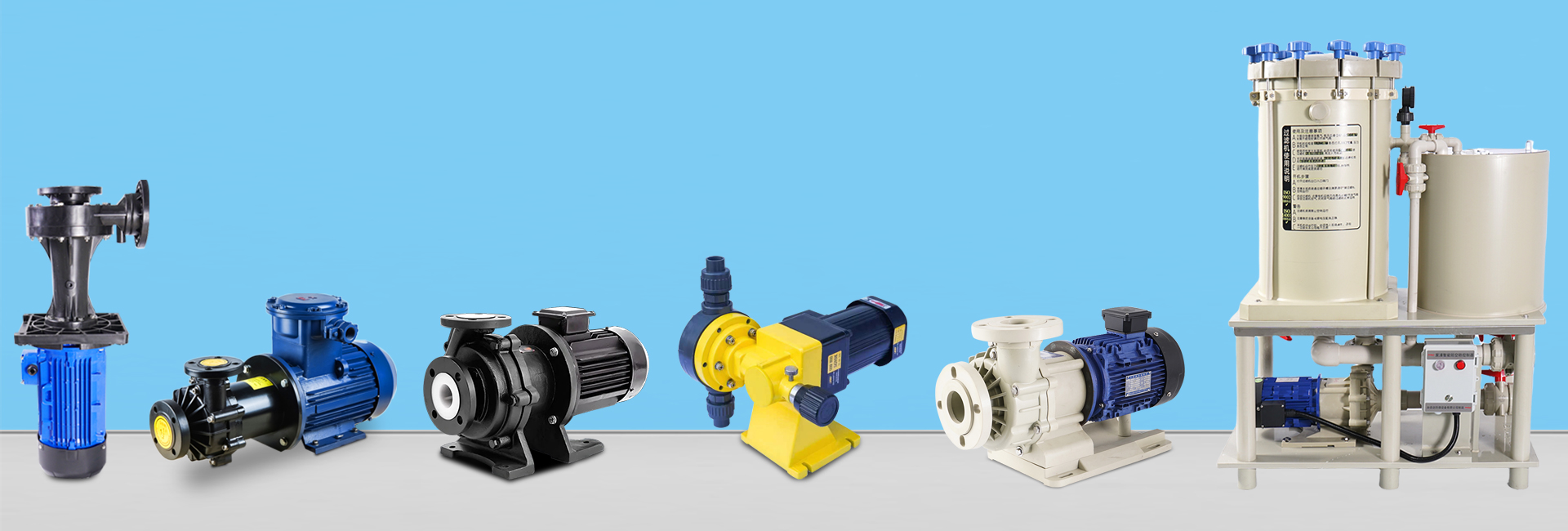
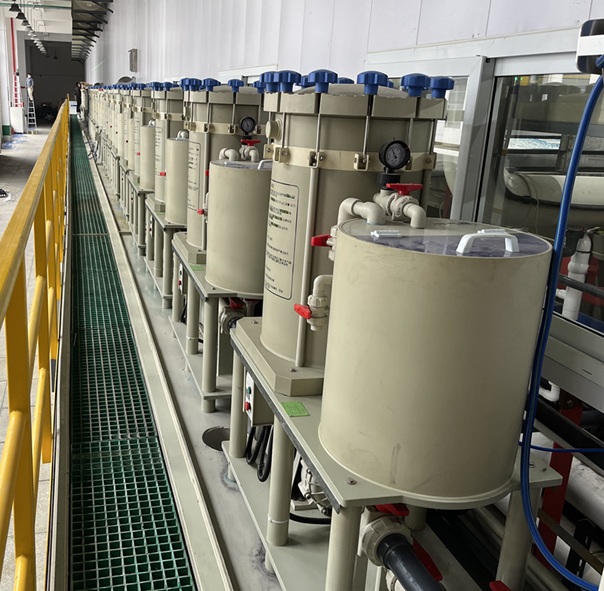
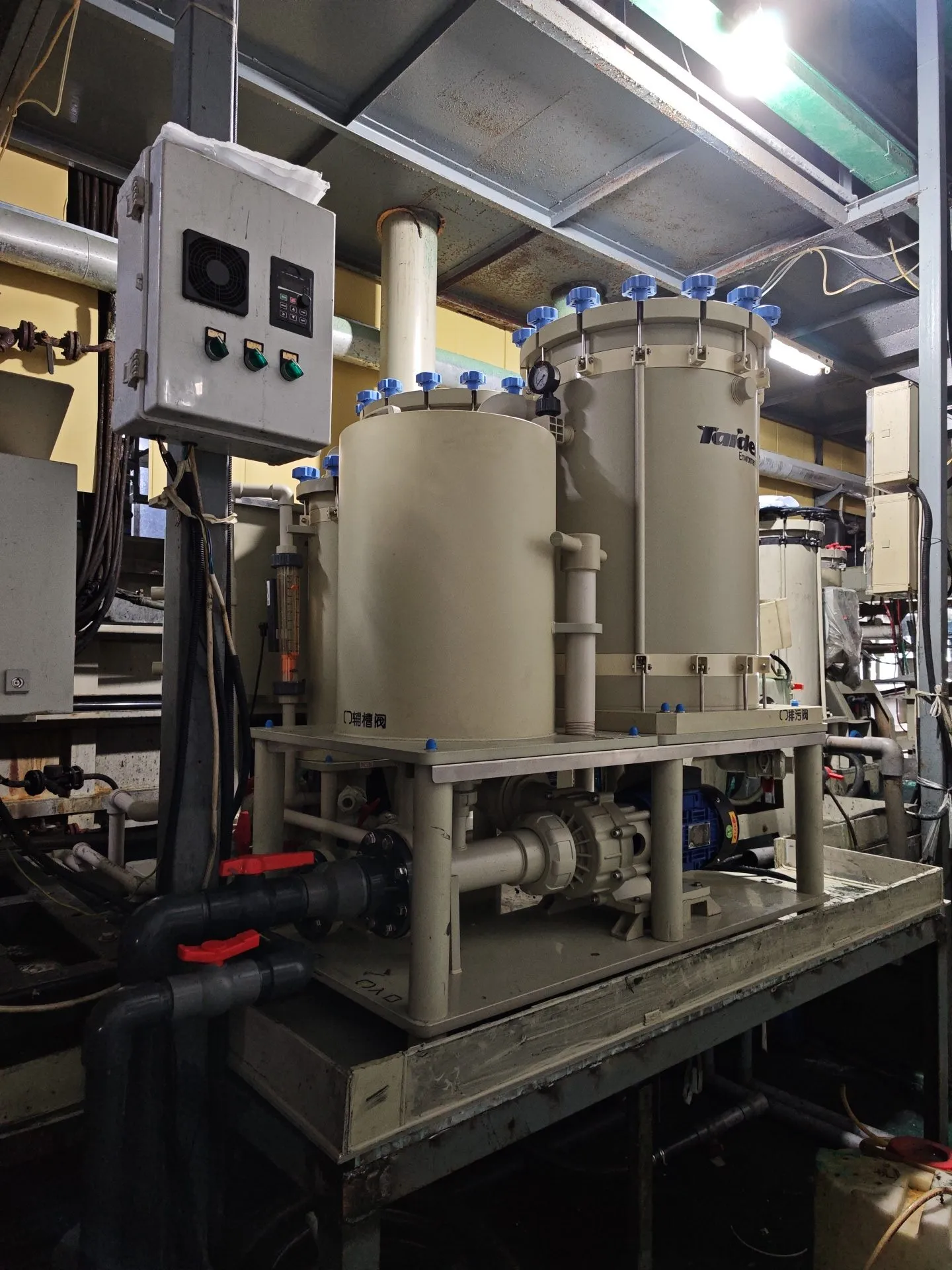
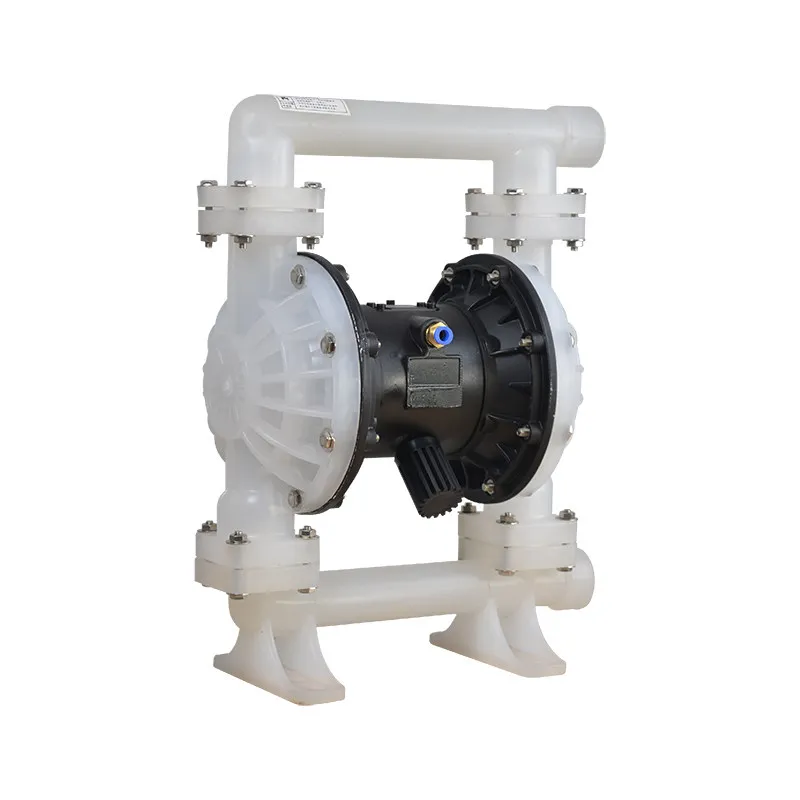
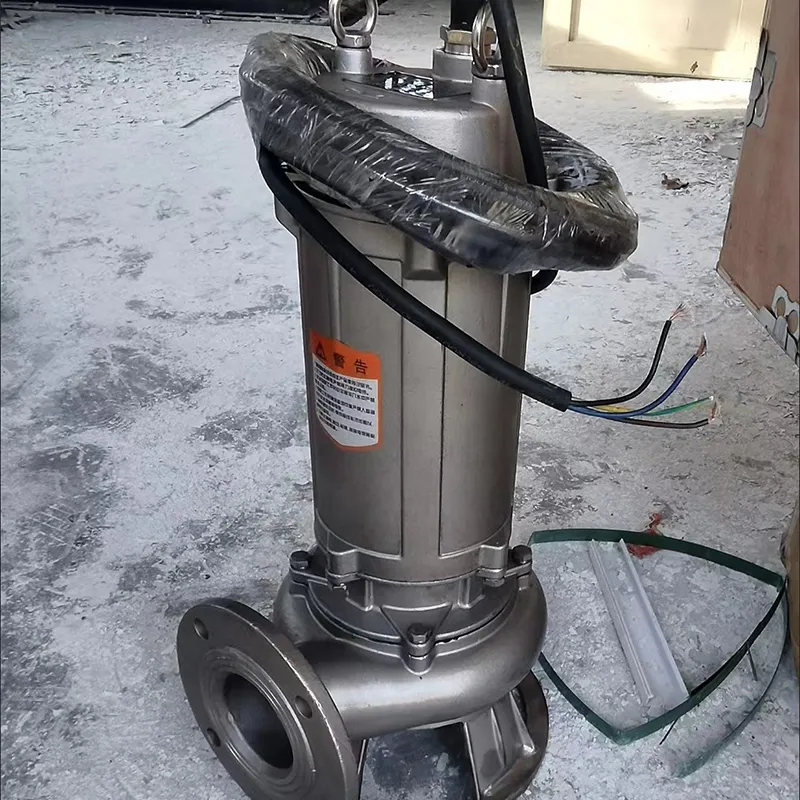
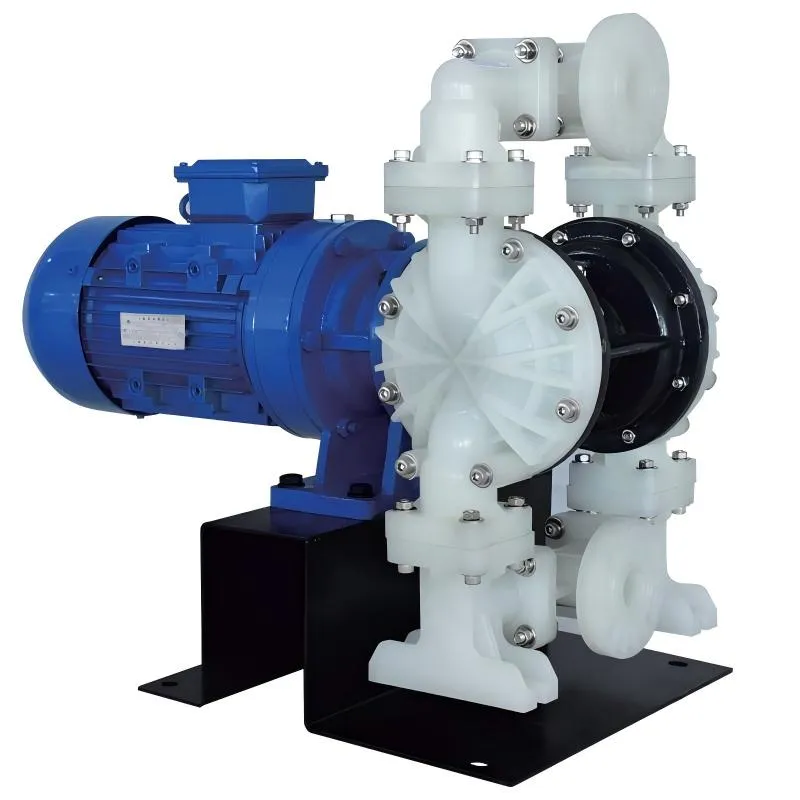

Plastic chemical pumps are highly durable and widely used in industrial applications, especially in corrosive environments involving acids and alkalis. In many chemical processes, they can even outlast traditional cast iron or stainless steel pumps.

Why Plastic Chemical Pumps Are Durable in Industrial Applications
1. Excellent Corrosion Resistance
Plastic pumps are typically made from engineering plastics such as:
-
PP (Polypropylene)
-
FRPP (Fiber-Reinforced Polypropylene)
-
PVDF (Polyvinylidene Fluoride)
These materials offer outstanding resistance to:
-
Strong acids (sulfuric acid, hydrochloric acid, nitric acid)
-
Alkalis and caustic solutions
-
Many industrial chemical solutions
Unlike metal pumps, plastic pumps:
-
Do not rust
-
Do not suffer from electrochemical corrosion
-
Maintain structural integrity in aggressive chemical environments
In highly corrosive chemical processing systems, plastic chemical pumps often last significantly longer than standard cast iron or even certain stainless steel pumps.
2. Smooth Surface, Reduced Scaling and Wear
Engineering plastics have smooth internal surfaces, which provide:
-
Lower risk of scaling and buildup
-
Reduced friction loss
-
Less internal wear
This makes them ideal for:
-
Continuous operation systems
-
Chemical circulation loops
-
Electroplating lines
-
Wastewater treatment plants
Reduced scaling also means lower maintenance frequency and improved operational efficiency.
3. Lightweight, Low Noise, Easy Maintenance
Compared to metal pumps, plastic chemical pumps are:
-
Lighter in weight
-
Easier to install and replace
-
Lower in vibration and noise
They are commonly used in:
-
Chemical processing plants
-
Electroplating facilities
-
Environmental protection systems
-
Industrial wastewater treatment
Their lighter structure also reduces load on piping systems and support frames.
4. Leak-Free Design (Magnetic Drive Pumps)
Many plastic chemical pumps are designed as magnetic drive pumps.
Advantages include:
-
No mechanical seal
-
No shaft penetration
-
Zero leakage design
-
Improved safety for hazardous chemicals
This makes them especially suitable for:
-
Toxic chemical transfer
-
Acid circulation
-
Cleanroom or controlled industrial environments
For corrosive and hazardous liquids, magnetic drive plastic pumps are often the safest and most stable long-term solution.
Limitations of Plastic Chemical Pumps
While plastic pumps are highly durable, they are not suitable for every condition. Key limitations include:
1. Temperature Limits
-
Standard PP pumps: typically ≤ 70–80°C
-
PVDF pumps: can handle higher temperatures (up to around 90–100°C depending on design)
For high-temperature chemical processes, metal alloy pumps may be more appropriate.
2. Compatibility with Strong Organic Solvents
Certain plastics may not resist:
-
Some ketones
-
Esters
-
Aromatic solvents (e.g., benzene derivatives)
Always verify chemical compatibility before selecting a pump.
3. Not Ideal for Heavy Solid Slurries
Plastic pumps are generally not recommended for:
-
High-solid-content slurries
-
Abrasive media with hard particles
Excessive solid particles can cause rapid wear to the impeller and casing.
Final Conclusion: Are Plastic Chemical Pumps Suitable for Industrial Use?
In corrosive industrial environments such as:
-
Chemical processing
-
Electroplating
-
Acid pickling
-
Wastewater treatment
-
Environmental protection systems
Plastic chemical pumps are durable, reliable, and cost-effective.
As long as the operating temperature, chemical compatibility, and solid content are properly matched, plastic pumps are one of the most dependable solutions for corrosion-resistant industrial applications.
For acid and alkali service, they are truly the “long-life performers” of industrial pumping systems.