
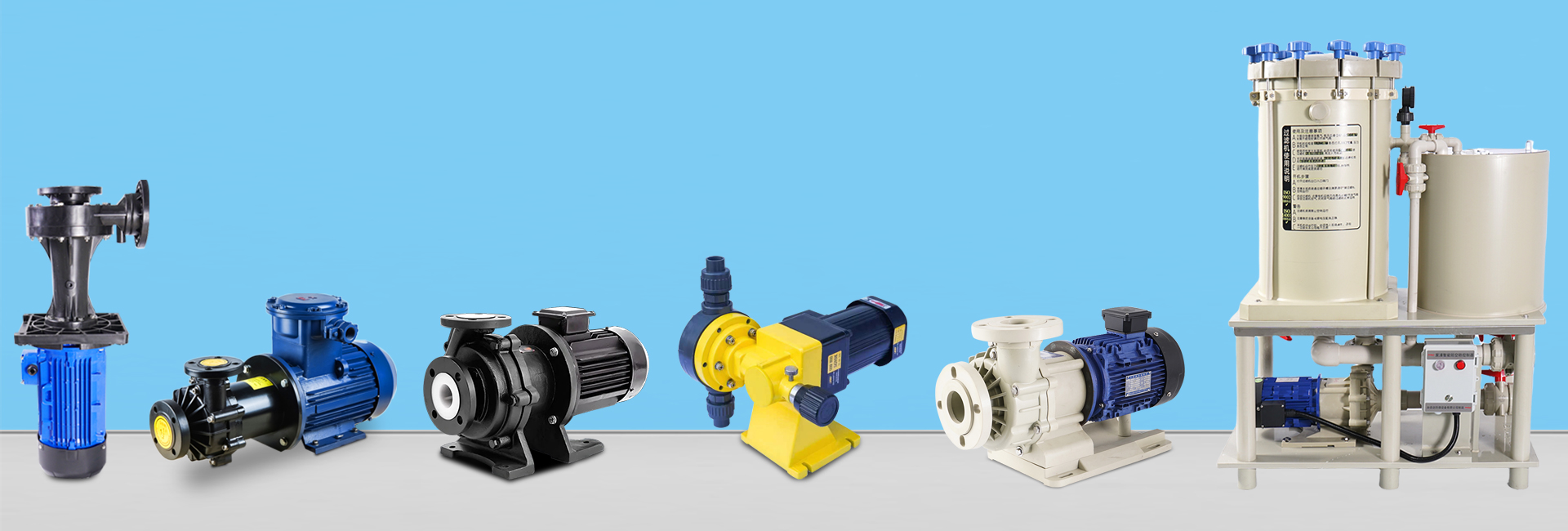
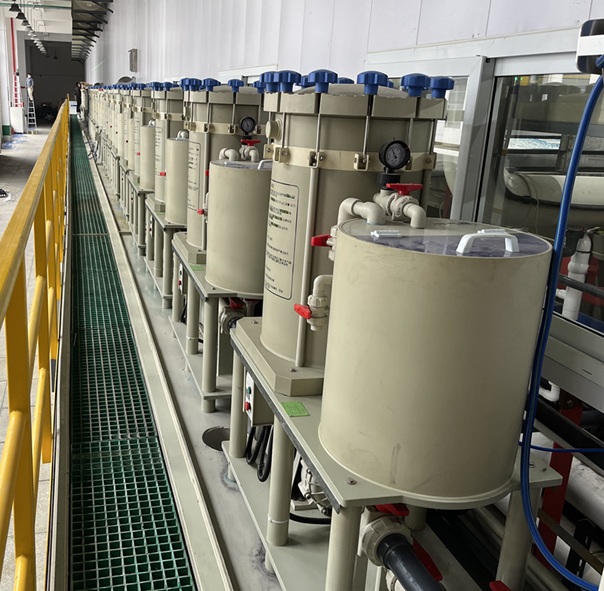
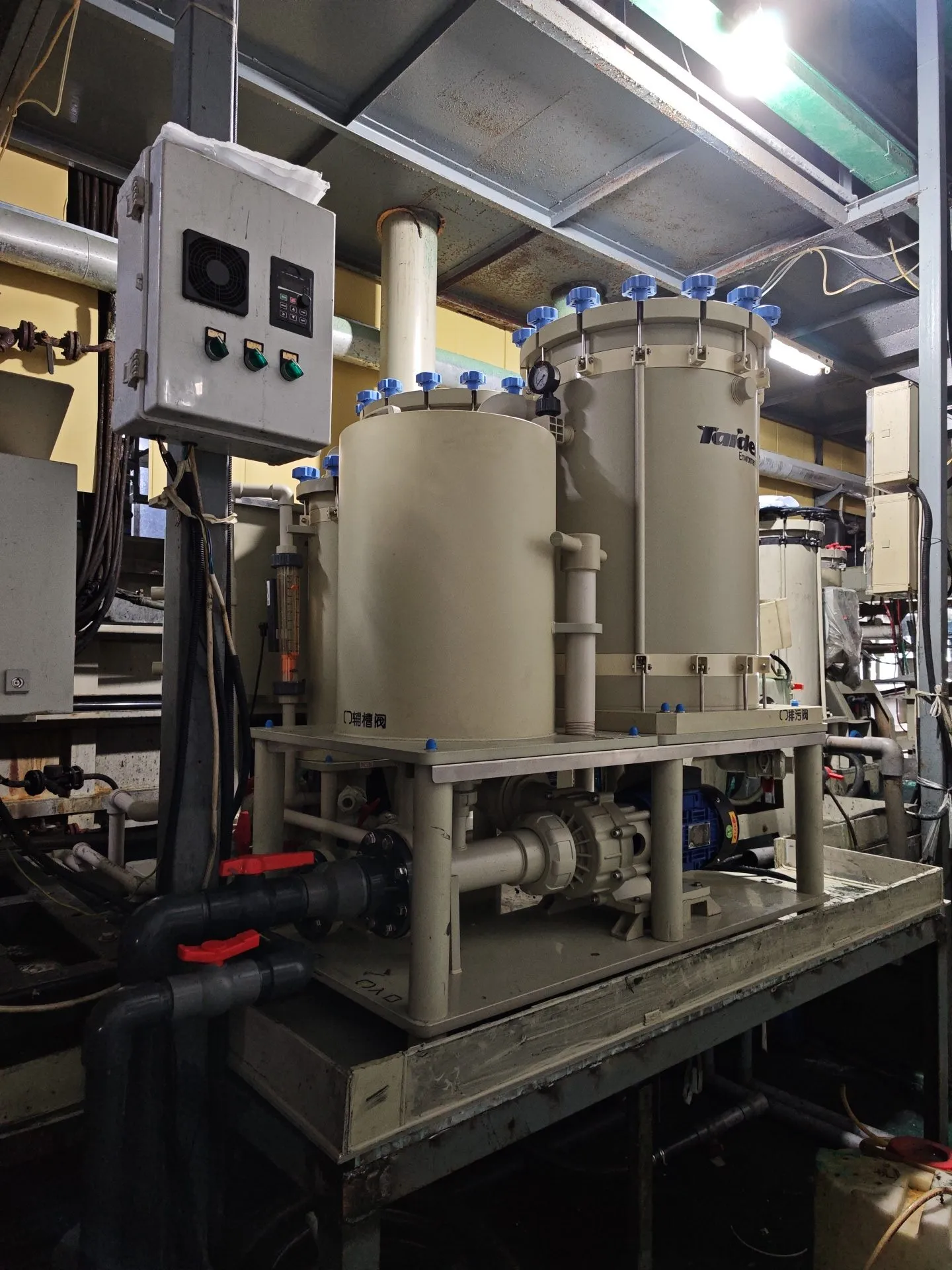
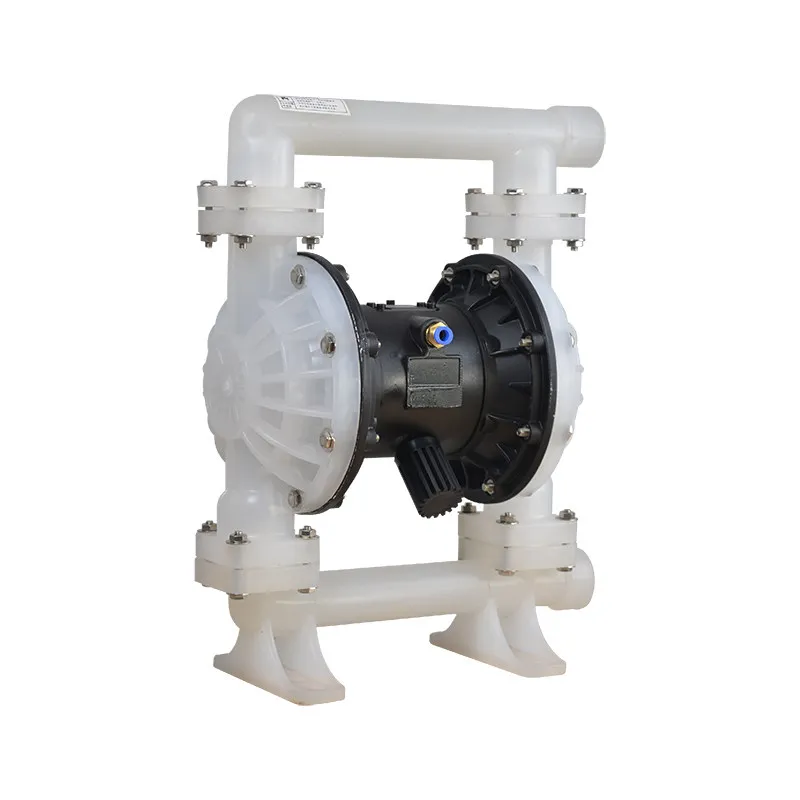

A bag filter housing is a pressure-operated filtration device that combines surface filtration and depth filtration to remove solid contaminants from liquids or gases. It is widely used in chemical processing, water treatment, coatings, food & beverage, pharmaceuticals, and many other industrial sectors.
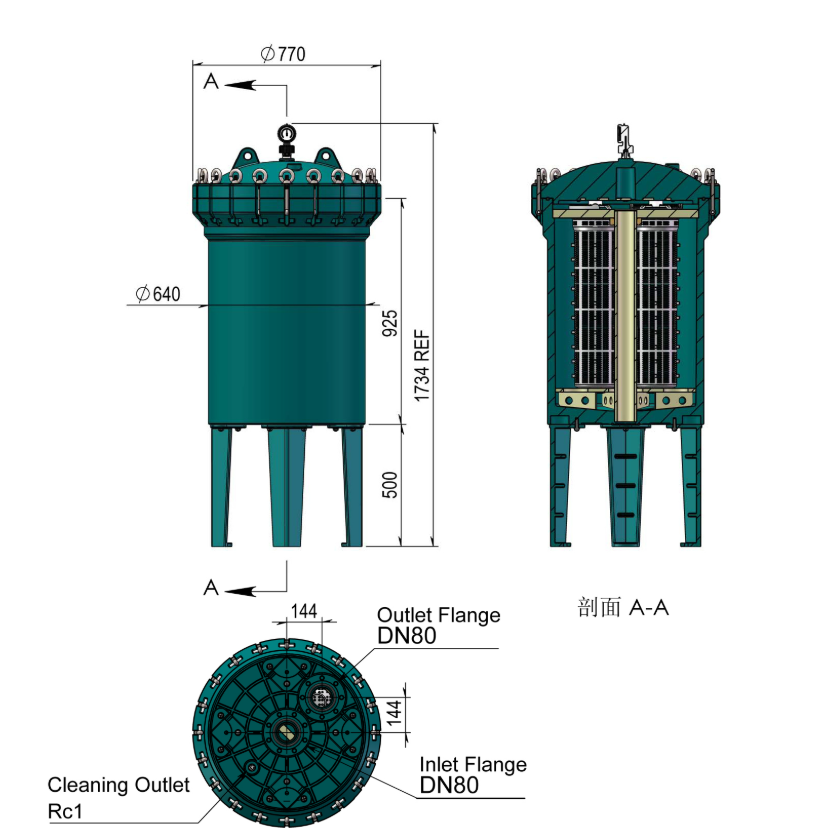
1. Main Structure of a Bag Filter Housing
Understanding the structure makes the operating principle easy to follow. A standard industrial bag filter consists of:
Filter housing (cylindrical body and cover)
Filter bag (core filtration element)
Support basket (holds the bag and prevents deformation)
Inlet and outlet ports
Vent valve
Drain port
The housing is typically made of stainless steel or carbon steel, depending on corrosion and pressure requirements.
2. Step-by-Step Filtration Process
Step 1 – Fluid Enters the Filter
The liquid or gas to be filtered enters through the side or top inlet and is evenly distributed inside the housing. In most designs, flow direction is inside-to-outside.
Step 2 – Pressure-Driven Filtration
Under pump or system pressure, the fluid is forced through the filter bag wall.
The bag is made from woven or felted fibers with micro-sized pores that form the filtration barrier.
Step 3 – Contaminant Capture (Core Principle)
Particles are removed through three mechanisms:
• Surface sieving – Particles larger than pore size are blocked directly.
• Depth interception – Smaller particles penetrate fiber layers and become trapped within the bag structure.
• Inertial impact – High-velocity particles collide with fibers and are captured.
As filtration continues, contaminants accumulate inside the bag while clean fluid passes through.
Step 4 – Clean Fluid Discharge
Filtered fluid exits through the outlet port and flows to downstream processes or storage.
Step 5 – Differential Pressure Increase
As contaminants accumulate, resistance increases and differential pressure rises between inlet and outlet.
When pressure difference reaches typically 0.05–0.1 MPa, the bag is considered saturated and must be replaced.
Step 6 – Drainage and Maintenance
Before replacing the bag:
Residual fluid is drained through the bottom outlet.
The housing cover is opened.
Used bag is removed and replaced.
System returns to operation.
3. Working Principle Summary (Professional Version)
A bag filter housing uses system pressure to force fluid through a porous filter bag, where particles are removed by sieving, depth filtration, and inertial capture, achieving efficient solid–liquid or solid–gas separation with high flow capacity, easy maintenance, and low operating cost.