



When a metering pump shows insufficient discharge pressure, it usually indicates problems in the suction line, discharge system, internal components, or operating conditions. Below is a detailed analysis of common causes and practical solutions.
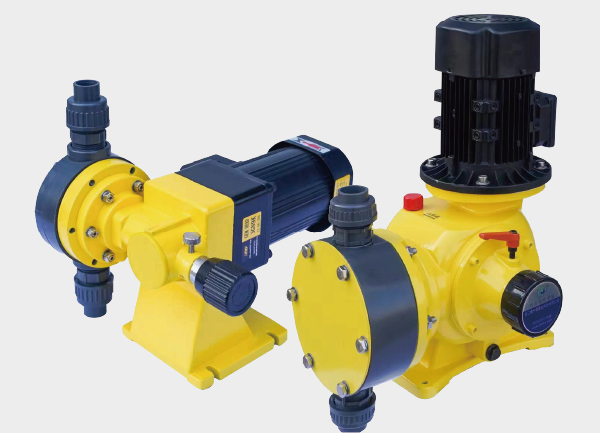
1. Suction Side Problems
-
Air Leakage or Blockage in the Suction Line
-
Cause: Loose connections, aging pipes, damaged gaskets, or an undersized suction line.
-
Effect: The pump cannot form enough vacuum to draw in liquid properly.
-
Solution: Inspect all joints, valves, and fittings for air leaks. Replace old or worn components and ensure tight sealing.
-
-
Excessive Suction Lift or Negative Pressure
-
Cause: Improper installation position or suction distance too long.
-
Solution: Shorten the suction piping, or install the pump below the liquid level for gravity feeding.
-
-
Clogged Suction Filter or Check Valve
-
Cause: Solid particles or impurities block the inlet filter or valve.
-
Solution: Clean or replace the filter regularly to maintain proper flow.
-
2. Discharge Side Problems
-
Leakage in the Discharge Line
-
Cause: Loose fittings, damaged seals, or worn check valves.
-
Effect: The system fails to build up pressure or pressure fluctuates.
-
Solution: Inspect and tighten discharge fittings, replace sealing components if necessary.
-
-
Insufficient Back Pressure
-
Cause: Very low system resistance or lack of a back pressure valve.
-
Effect: Fluid may flow backward, leading to unstable flow and low pressure.
-
Solution: Install a suitable back pressure valve to stabilize system pressure.
-
3. Internal Causes
-
Check Valve Damage or Contamination
-
Cause: Worn valve seats or debris stuck inside.
-
Solution: Disassemble and clean the valves; replace worn parts.
-
-
Diaphragm Aging or Rupture (for Diaphragm Metering Pumps)
-
Effect: The pump chamber cannot build pressure, and fluid leaks from the vent hole.
-
Solution: Replace the diaphragm and check the hydraulic oil chamber if applicable.
-
-
Plunger or Seal Wear (for Plunger Metering Pumps)
-
Cause: Abrasive particles in the fluid or lack of lubrication.
-
Solution: Replace the plunger seals periodically and ensure clean fluid supply.
-
4. Operating and Fluid Conditions
-
Flow Rate Set Too High
-
Cause: Stroke length or speed is set beyond system requirements.
-
Solution: Adjust the stroke length or pump frequency to match system pressure needs.
-
-
High Viscosity or Air Bubbles in the Fluid
-
Cause: Viscous liquids or entrained air affect suction performance.
-
Solution: Degas the liquid, preheat to reduce viscosity, or install an air release valve.
-
✅ Summary Table
| Category | Typical Cause | Recommended Solution |
|---|---|---|
| Suction Side | Air leak, blockage | Check sealing, clean suction line |
| Discharge Side | Leakage, low back pressure | Tighten fittings, install back pressure valve |
| Internal Parts | Damaged valves, ruptured diaphragm | Clean or replace worn components |
| Operation & Fluid | High viscosity, entrained air | Adjust settings, treat fluid before use |
Conclusion
Maintaining the correct pressure in a metering pump requires proper installation, regular maintenance, and stable system back pressure. Routine inspection of valves, seals, and suction lines will effectively prevent pressure loss and improve dosing accuracy.