
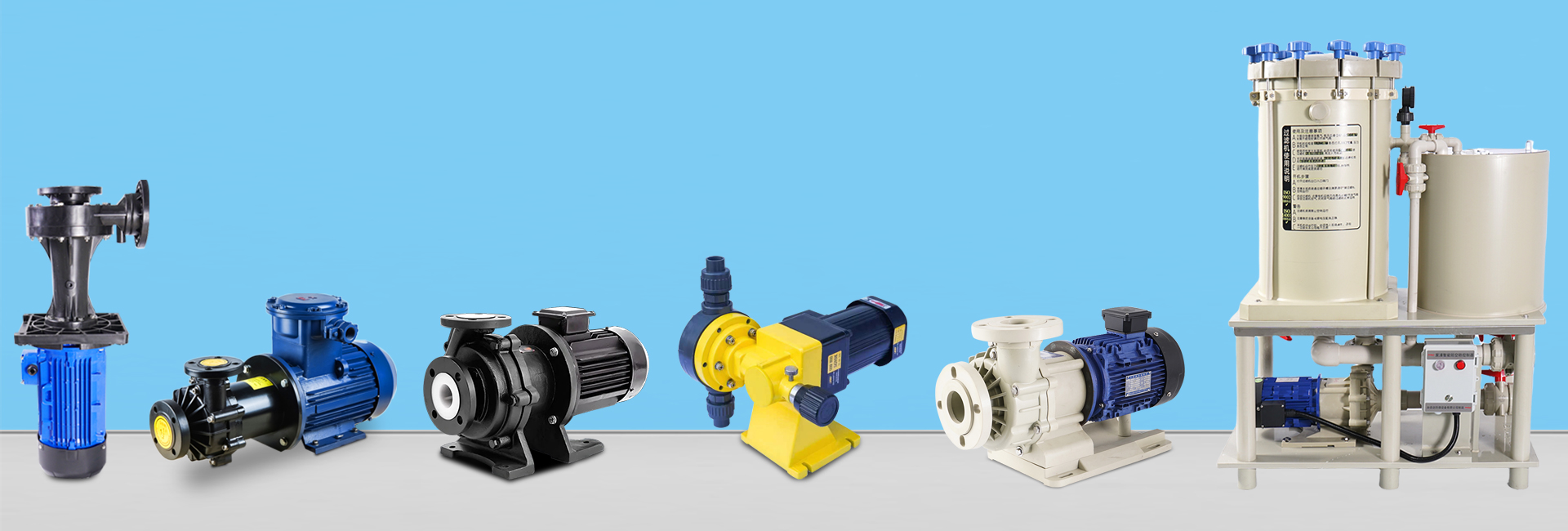
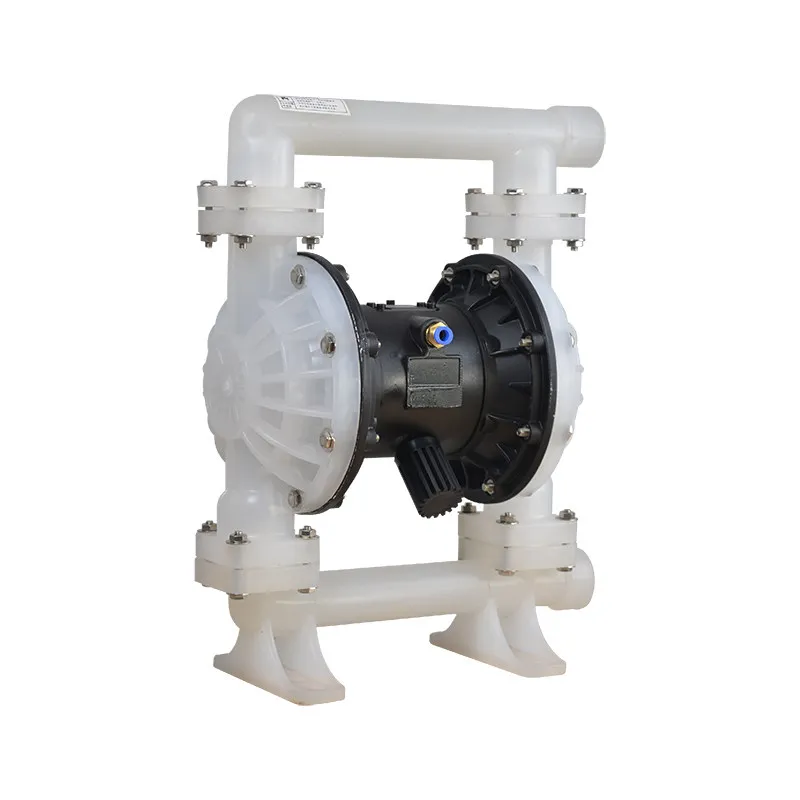
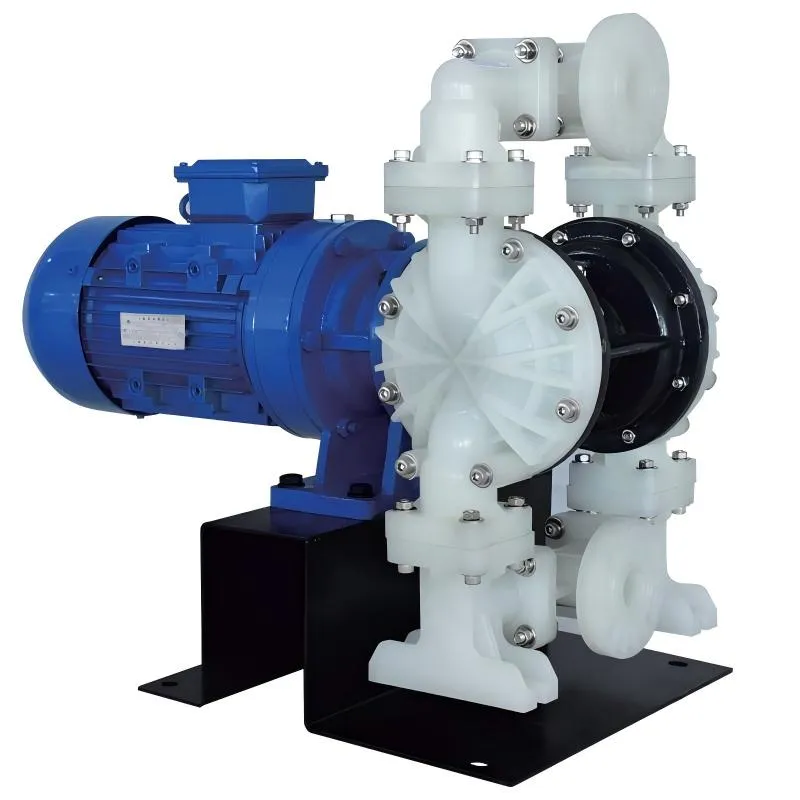

A diaphragm pump (also known as a diaphragm metering pump or reciprocating diaphragm pump) transfers fluids through the reciprocating deformation of a flexible diaphragm. It is widely used in industries such as chemical processing, environmental protection, water treatment, and pharmaceuticals.

Most diaphragm pump issues are related to diaphragm wear, check valve failure, or drive system malfunctions. This guide summarizes the most common problems, their root causes, and practical troubleshooting methods to help ensure reliable and efficient operation.
1. Diaphragm Damage or Leakage
The diaphragm is the heart of the pump, separating the drive side (air or mechanical) from the fluid side. Over time, it is prone to fatigue, corrosion, or mechanical wear, making this the most frequent failure mode.
Symptoms
-
Fluid leaks from the pump head or flange area
-
Air and liquid mixing (e.g., compressed air entering the liquid side in air-operated pumps)
-
Sudden flow rate drops, pressure instability, or total loss of output
Common Causes
-
Incompatible diaphragm material (e.g., strong acids/bases corroding rubber; organic solvents swelling elastomers)
-
Continuous high-frequency reciprocation causing fatigue and cracks (typical diaphragm life: 3–6 months for rubber types)
-
Hard particles in the fluid abrading the diaphragm surface
-
Improper installation (uneven tightening of flange bolts) or manufacturing defects (pinholes, microcracks)
Solutions
-
Stop the pump immediately and replace the diaphragm with a chemically compatible material (e.g., PTFE for corrosive fluids, NBR for oils)
-
Install or clean the inlet filter to prevent solid particles from entering the pump chamber
-
Reinstall the diaphragm, ensuring even torque on all bolts to prevent localized stress
2. Check Valve Failure: Reduced Flow or No Output
Check valves (often a ball-and-seat design) ensure one-way flow. When they fail, the pump’s flow and pressure stability are severely affected.
Symptoms
-
Normal motor or air operation but significantly reduced flow (less than 50% of rated)
-
Outlet pressure unstable or lower than set value
-
Backflow of liquid when the pump stops (“suction line backflow”)
Common Causes
-
Debris or fibers lodged between the valve ball and seat, preventing proper sealing
-
Wear or deformation of the ball or seat (scratches, dents)
-
Fatigued or broken valve spring, causing delayed or incomplete closure
Solutions
-
Disassemble and clean the check valve using clean water or compatible solvent
-
Replace worn balls and seats — ideally as a matched set for sealing accuracy
-
Replace fatigued springs to ensure proper valve action
-
For high-viscosity fluids, use larger-diameter or conical-type valves to reduce clogging risk
3. Drive-End Problems: Air or Electric Drive Malfunctions
Diaphragm pumps are driven either by compressed air (AODD pumps) or electric motors. Each has distinct fault characteristics that require different diagnostic approaches.
(A) Air-Operated Diaphragm Pump Issues
These pumps rely on compressed air to move the diaphragm. Most failures are related to air supply quality or valve malfunction.
Symptoms:
-
Pump fails to start (audible air hiss but no diaphragm movement)
-
Excessive noise during operation (metallic knocking, whistling)
-
Uneven stroke speed, leading to flow fluctuations
Common Causes:
-
Insufficient air pressure (below 0.4–0.6 MPa)
-
Clogged air filter or lubricator (water or oil contamination in air supply)
-
Worn or stuck air valve components (spool or seals)
-
Leaking air line or loose fittings
Solutions:
-
Verify air compressor output meets rated pressure
-
Clean or replace air treatment units (filter, regulator, lubricator) and drain moisture regularly
-
Disassemble and clean the air valve; replace damaged O-rings or seals
-
Check all air hoses and joints for leaks using soapy water and retighten connections
(B) Electric Diaphragm Pump Issues
Electric diaphragm pumps use a motor and reduction gear system to drive the diaphragm. Faults are often electrical or mechanical in nature.
Symptoms:
-
Motor won’t start (no rotation, humming sound)
-
Overheating (motor casing above 70°C or tripping due to overload)
-
Decreasing flow rate after continuous operation
Common Causes:
-
Unstable power supply or phase loss in three-phase motors
-
Motor overload due to blocked outlet or excessive backpressure
-
Worn transmission components (gears, bearings, connecting rods)
-
Burnt motor windings from moisture, insulation failure, or long-term overloading
Solutions:
-
Use a multimeter to check voltage and phase balance (e.g., 380V three-phase)
-
Inspect discharge line for obstructions or closed valves
-
Disassemble the gearbox, replace worn bearings/gears, and add fresh grease
-
Repair or replace burnt motor (ensure matching speed and power rating)
4. Other Common Problems: Noise, Overheating, Cavitation
| Problem Type | Symptoms | Typical Causes | Recommended Solutions |
|---|---|---|---|
| Abnormal Noise | Sharp or low-frequency vibration sounds | 1. Loose pump base bolts; 2. Rigid pipeline connections; 3. Worn bearings or poor gear mesh | 1. Tighten base bolts and add anti-vibration pads; 2. Use flexible hoses for inlet/outlet; 3. Replace bearings and adjust gear alignment |
| Overheating | Motor casing or air valve excessively hot | 1. Motor overload or poor lubrication; 2. Air valve throttled or contaminated | 1. Remove overload cause, re-lubricate bearings; 2. Clean air valve and adjust lubricator oil rate |
| Cavitation | “Popping” sounds, fluctuating flow, diaphragm wear | 1. Inlet restriction (small pipe, clogged filter); 2. Suction lift too high; 3. Fluid temperature too high | 1. Enlarge inlet pipe or clean filter; 2. Lower pump installation height; 3. Cool fluid or lower process temperature |
5. Preventive Maintenance Tips
-
Inspect wear parts (diaphragm, check valves, seals) every 3–6 months, depending on usage and fluid corrosiveness
-
Install inlet filters (≤0.5 mm mesh) to block solids; preheat or dilute viscous fluids before pumping
-
Maintain air/electrical systems: clean air filters, drain moisture, and ensure stable power supply
-
Record performance data: regularly log flow rate, pressure, and motor temperature to detect early anomalies
Conclusion
By addressing these common diaphragm pump problems through targeted inspection and proactive maintenance, users can significantly extend pump service life, reduce downtime, and ensure stable fluid delivery in demanding industrial environments.